
What Can Dogs Not Eat? Dangerous Foods to Avoid Guide
Dogs love exploring new foods, and many owners enjoy sharing snacks with their furry friends. However, some foods that are safe for humans can be dangerous or even toxic for dogs. Understanding what dogs cannot eat is an important part of responsible pet ownership because certain foods can cause digestive problems, serious illness, or life-threatening reactions.
From everyday kitchen items to common human treats, many ingredients should stay away from your dog’s bowl. Foods like chocolate, grapes, onions, garlic, and products containing xylitol can be harmful to dogs. Learning which foods to avoid can help you protect your pet and make safer choices when offering treats or leftovers.
What Can Dogs Not Eat?
Dogs cannot eat many common human foods because their bodies process certain ingredients differently than humans. While some foods may only cause mild stomach problems, others can damage important organs or create serious health emergencies. Every dog reacts differently, so even a small amount of a harmful food may create problems depending on the dog’s size, age, and health condition.
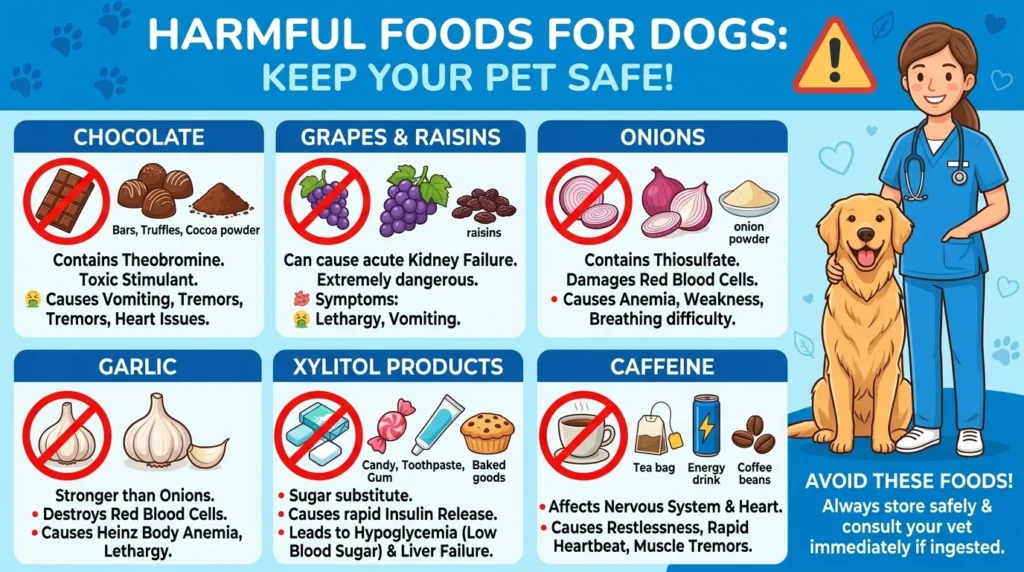
Some of the most dangerous foods for dogs include chocolate, grapes, raisins, onions, garlic, alcohol, caffeine, and foods containing artificial sweeteners like xylitol. Dog owners should always check ingredients before sharing any human food. When unsure about a particular food, it is safer to avoid giving it until you know it is safe.
Can Dogs Eat Chocolate?
No, dogs should not eat chocolate because it contains substances called theobromine and caffeine that are toxic to them. Dogs cannot break down these compounds as efficiently as humans, which means even small amounts can cause health problems. Dark chocolate and baking chocolate are especially dangerous because they contain higher levels of these toxic substances.
Signs of chocolate poisoning in dogs may include vomiting, restlessness, rapid heartbeat, shaking, seizures, and in severe cases, life-threatening complications. If your dog accidentally eats chocolate, contact a veterinarian as soon as possible. Keeping chocolate, cocoa powder, and chocolate-based desserts away from your dog is the safest approach.
Also Read: Can Dogs Eat Fries? Safety, Risks & Healthy Alternatives
Can Dogs Eat Grapes?
No, dogs should not eat grapes because they can be highly toxic and may cause sudden kidney problems. The exact substance responsible for grape toxicity is still being studied, but veterinarians know that grapes and raisins can cause serious reactions in some dogs. Even a small number of grapes may be dangerous for certain pets.
Symptoms after eating grapes can include vomiting, tiredness, loss of appetite, dehydration, and changes in urination. Because there is no reliable way to predict which dogs will react badly, grapes should always be avoided. Raisins, which are dried grapes, are also unsafe and should never be given as treats.
Can Dogs Eat Onions?
No, dogs cannot eat onions because they contain compounds that can damage a dog’s red blood cells. Eating onions may lead to a condition called anemia, where the blood cannot carry enough oxygen throughout the body. All forms of onions, including raw onions, cooked onions, onion powder, and dried onions, can be harmful.
Onion poisoning symptoms may not appear immediately and can develop over several days. Signs may include weakness, tiredness, pale gums, reduced appetite, and dark-colored urine. Many human foods contain hidden onion ingredients, so always check labels before sharing meals with your dog.
Can Dogs Eat Garlic?
No, dogs should not eat garlic because it belongs to the same plant family as onions and can cause damage to red blood cells. Garlic is sometimes considered a natural remedy by people, but it is not safe for dogs in normal food amounts. Both fresh garlic and garlic powder can create health risks.
Garlic poisoning may cause symptoms such as weakness, vomiting, loss of appetite, and anemia. The risk depends on the amount consumed and the size of the dog. Since garlic is commonly used in many human recipes, it is important to avoid feeding seasoned foods to your pet.
Can Dogs Eat Xylitol?
No, dogs cannot eat xylitol because it is extremely dangerous for them. Xylitol is an artificial sweetener commonly found in sugar-free gum, candies, baked goods, toothpaste, and some peanut butter products. While it is safe for humans, it can cause a rapid release of insulin in dogs.
After consuming xylitol, dogs may experience symptoms such as weakness, vomiting, loss of coordination, seizures, and dangerously low blood sugar levels. In serious cases, xylitol poisoning can become life-threatening. Always check product labels carefully and avoid giving your dog any food that contains this sweetener.
Also Read: Can Dogs Eat Guava? Benefits, Risks & Safe Feeding Guide 2026
Can Dogs Eat Alcohol?
No, dogs should never consume alcohol because their bodies are not designed to process it safely. Even small amounts of alcoholic drinks, alcohol-containing desserts, or fermented products can cause serious health problems. Alcohol affects a dog’s nervous system and can quickly become dangerous.
Alcohol poisoning in dogs may cause symptoms such as confusion, difficulty walking, vomiting, breathing problems, and loss of consciousness. Never leave alcoholic drinks unattended around pets, especially during parties or gatherings. Keeping alcohol completely away from your dog is the best way to prevent accidental poisoning.
Can Dogs Eat Caffeine?
No, dogs should not consume caffeine because it can negatively affect their heart and nervous system. Caffeine is found in coffee, tea, energy drinks, chocolate, and some medications. Dogs are much more sensitive to caffeine than humans, making even small amounts potentially harmful.
Caffeine poisoning may cause restlessness, rapid heartbeat, shaking, vomiting, increased thirst, and seizures. If your dog accidentally consumes coffee grounds, tea bags, or caffeinated drinks, seek veterinary help quickly. Always keep caffeinated products stored safely away from your pet.
Can Dogs Eat Avocado?
Dogs should avoid eating large amounts of avocado because it contains a substance called persin, which may cause digestive problems in some pets. While small amounts of avocado flesh may not be harmful to every dog, the pit, skin, and leaves are unsafe because they can create choking risks and may be difficult to digest.
The high fat content in avocado can also lead to stomach upset or increase the risk of pancreatitis in sensitive dogs. Avocado-based products like guacamole are especially dangerous because they often contain onions, garlic, salt, or other ingredients that are toxic to dogs. It is safer to choose dog-friendly fruits instead.
Can Dogs Eat Macadamia Nuts?
No, dogs should not eat macadamia nuts because they can cause toxic reactions even in small amounts. These nuts may affect a dog’s nervous system and muscles, leading to symptoms such as weakness, shaking, vomiting, and difficulty walking. The exact reason behind macadamia nut toxicity is not fully understood, but the risk is well recognized.
Macadamia nuts are also high in fat, which can contribute to digestive problems and other health concerns. Foods containing macadamia nuts, such as cookies, chocolates, and baked goods, should also be kept away from dogs. Always check ingredients before sharing human snacks with your pet.
Also Read: Can Dogs Eat White Chocolate? Risks & Safety Guide 2026
Can Dogs Eat Bones?
Dogs should not eat cooked bones because they can break into sharp pieces that may injure the mouth, throat, stomach, or intestines. Cooked bones become brittle and can splinter easily, creating serious risks such as choking, internal injuries, or digestive blockages.
Raw bones may also carry risks, including bacterial contamination and dental damage, so they should only be considered with professional guidance. Instead of giving household bones, choose veterinarian-approved chew products designed specifically for dogs. Safe alternatives can satisfy chewing instincts without creating unnecessary health dangers.
Can Dogs Eat Raw Dough?
No, dogs should not eat raw dough because it can expand inside the stomach and create serious health problems. Yeast dough is especially dangerous because the yeast can continue fermenting, producing gas and alcohol. This may cause stomach expansion, discomfort, bloating, and alcohol poisoning.
See Also: Can Dogs Eat Watermelon Rind or Seeds? Full Safety Guide
Symptoms after eating raw dough may include vomiting, a swollen abdomen, weakness, difficulty breathing, and unusual behavior. Keep bread dough, pizza dough, and other yeast-based mixtures away from your dog while preparing food. Fully baked bread without harmful ingredients is generally safer, but raw dough should always be avoided.
Can Dogs Eat Salty Foods?
Dogs should avoid foods that contain excessive amounts of salt because too much sodium can negatively affect their health. Salty snacks such as chips, pretzels, processed meats, and salted nuts are not suitable treats for dogs. Dogs already receive the necessary amount of sodium from balanced dog food.
Eating too much salt may cause increased thirst, vomiting, diarrhea, weakness, tremors, or more serious health issues. Instead of sharing salty human snacks, choose low-sodium treats made specifically for dogs. Always check food labels and avoid giving your pet heavily seasoned meals.
Can Dogs Eat Dairy Products?
Some dogs can eat small amounts of dairy products, but many dogs have difficulty digesting lactose. Foods like milk, ice cream, and certain cheeses may cause digestive issues such as gas, bloating, diarrhea, or stomach discomfort. A dog’s ability to tolerate dairy depends on their individual digestive system.
If you want to offer dairy, choose dog-safe options in small quantities, such as plain yogurt or certain low-fat cheeses. Avoid dairy products containing sugar, chocolate, artificial sweeteners, or harmful additives. Always introduce dairy slowly and monitor your dog for any negative reactions.
ALso Read: Can Dogs Eat Bones? Safety Risks & What to Know in 2026
Can Dogs Eat Fatty Foods?
Dogs should avoid eating large amounts of fatty foods because excessive fat intake can upset their digestive system and increase the risk of pancreatitis. Foods such as fried foods, fatty meat scraps, bacon, and greasy leftovers may be difficult for dogs to digest.
High-fat foods can cause symptoms including vomiting, diarrhea, abdominal pain, and loss of appetite. While dogs need healthy fats in their diet, these should come from balanced dog food rather than unhealthy human foods. Choosing lean, dog-friendly treats is a safer way to reward your pet.
Can Dogs Eat Spicy Foods?
No, dogs should not eat spicy foods because their digestive systems are not designed to handle strong spices and seasonings. Ingredients like chili peppers, hot sauces, and spicy seasonings can irritate a dog’s stomach and cause discomfort.
Eating spicy foods may lead to symptoms such as excessive thirst, drooling, vomiting, diarrhea, and stomach pain. Many spicy dishes also contain other unsafe ingredients like onions, garlic, or high amounts of salt. It is best to keep spicy human meals away from your dog and provide simple, plain foods instead.
ALso Read: Can Dogs Eat Rosemary? Benefits, Risks & Safety Guide 2026
How to Keep Your Dog Safe From Harmful Foods
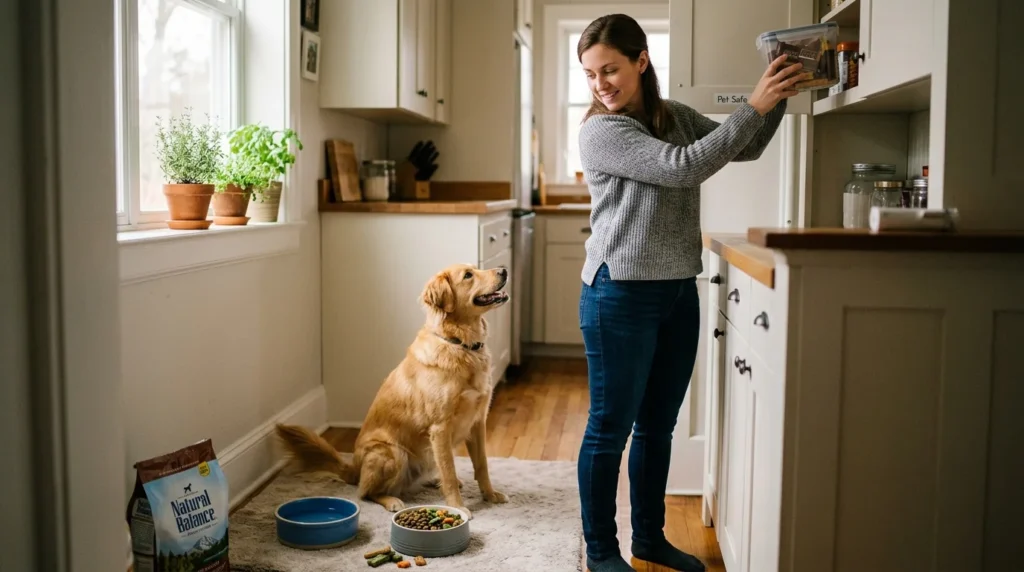
The best way to protect your dog from dangerous foods is to create safe eating habits at home. Store harmful foods securely, keep kitchen counters clean, and avoid leaving snacks unattended where your dog can reach them. Teaching family members which foods are unsafe can also prevent accidental feeding.
See Also: Can Dogs Eat Watermelon Rind or Seeds? Full Safety Guide
Always check ingredients before sharing any human food with your pet. When introducing new treats, start with small amounts and watch for unusual reactions. If your dog eats something toxic, contact a veterinarian quickly instead of waiting for symptoms to appear. Quick action can make a major difference in your dog’s health.
Frequently Asked Questions
What foods are most toxic to dogs?
Some of the most toxic foods for dogs include chocolate, grapes, raisins, onions, garlic, xylitol, alcohol, and caffeine. These foods can cause serious health problems and should always be avoided.
Can dogs eat human food safely?
Some human foods are safe for dogs, but many are not. Always check whether a food is dog-friendly before sharing it and avoid foods containing harmful ingredients.
What should I do if my dog eats something toxic?
If your dog eats a toxic food, contact your veterinarian immediately. Provide details about what was eaten, how much was consumed, and when it happened.
Can dogs eat leftovers?
Dogs should not automatically eat leftovers because many human meals contain salt, spices, onions, garlic, or fatty ingredients that can be harmful.
How can I know if a food is safe for my dog?
Research the food before giving it to your dog and check for ingredients that may be harmful. When uncertain, consult your veterinarian for advice.
Conclusion
Knowing what dogs cannot eat is essential for keeping your pet healthy and safe. Many common human foods, including chocolate, grapes, onions, garlic, xylitol, caffeine, and alcohol, can cause serious health problems for dogs. Even foods that seem harmless may create risks depending on the ingredients and amount consumed.
The safest approach is to provide your dog with balanced pet food and carefully selected treats. Always research new foods before sharing them with your pet and monitor their reaction to anything unfamiliar. For more helpful pet nutrition guides, safe food lists, and dog care information, visit PunzTrend to make better choices for your furry companion.
See Also: Can Dogs Eat Rice Every Day? Complete Guide to Rice for Dogs


