
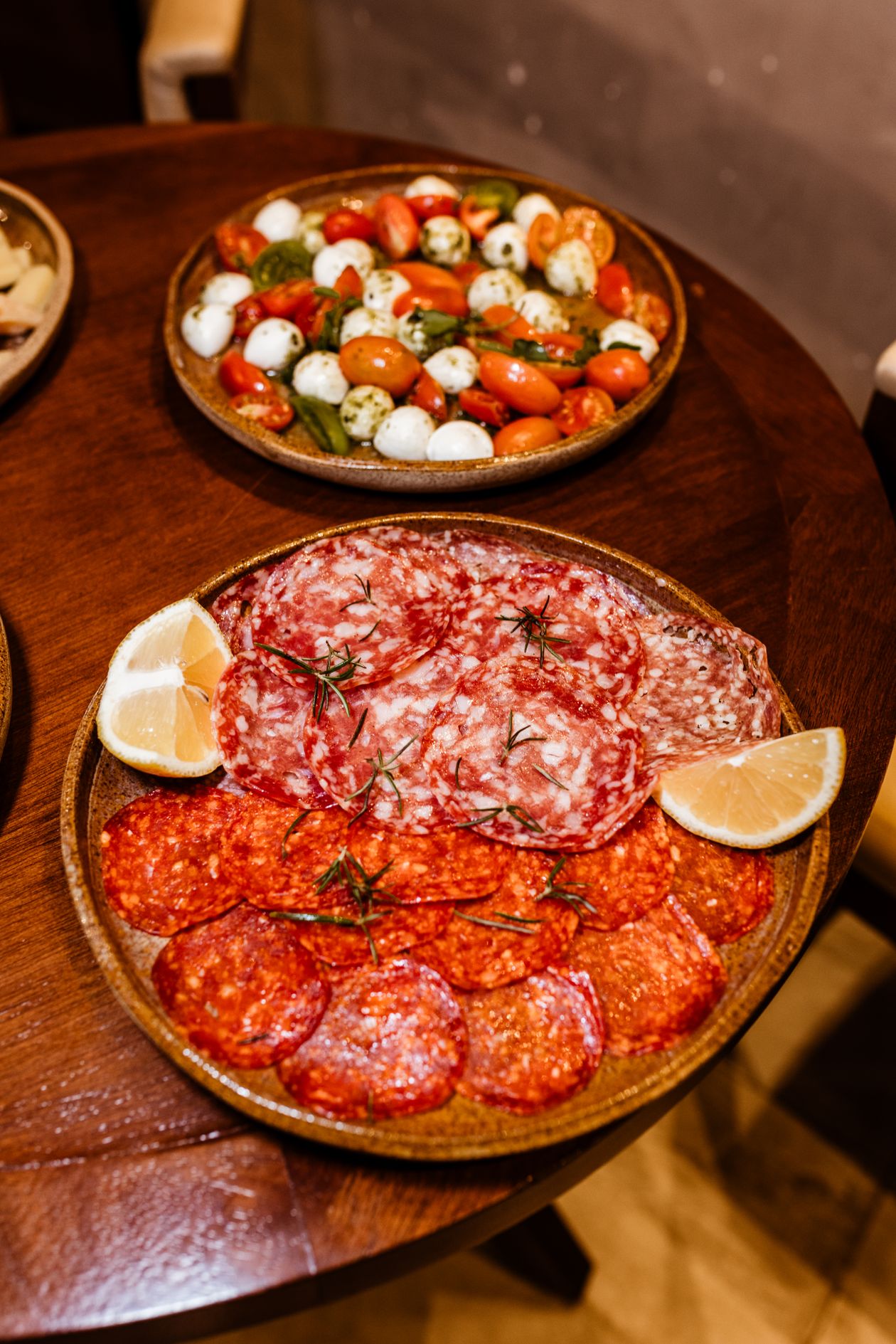
Can Dogs Eat Pepperoni? Risks, Side Effects & Safe Guide
Last updated: 24 October 2026
Can dogs eat pepperoni? No. Pepperoni is not a dog treat and should never be offered on purpose. That said, honesty matters here: pepperoni is less acutely dangerous than its bigger, saltier cousin salami, so a single small slice snatched off a pizza is rarely an emergency for a healthy adult dog. Dr. Pippa Elliott, a veterinarian with nearly 30 years of companion animal practice, puts it plainly on Petful: one or two pieces will rarely cause an acute emergency in a healthy adult medium or large dog, but pepperoni should never be a regular treat.
The problem is that the slices are small enough to look harmless while stacking four risks into every one: sodium, saturated fat, garlic and onion powder, and nitrate preservatives. Read the theft-response steps first if your dog just ate some, then the rest of this guide so you know exactly where the real danger sits.
Your Dog Just Ate Pepperoni? Do This Now
Read this first, then read the rest. Most pepperoni incidents are thefts from a pizza box or a party board, and speed matters more than the perfect response.
- Identify what and how much. Check the package or pizza box: regular slices, turkey pepperoni, sticks or a whole roll, and roughly how many your dog ate. Petful’s vet guide says the type and amount decide everything about what happens next.
- Offer fresh water freely, do not restrict it. Salt drives thirst, and your dog needs water to process the sodium load. Let them drink, but do not force large drinks all at once.
- Skip the next meal if your dog looks uncomfortable. A brief rest for the stomach after a fatty, salty snack is sensible. Do not try home remedies or make your dog vomit: let your vet decide whether anything more is needed.
- Call your vet now if any of these are true. Your dog is a puppy or a toy/small breed and ate more than a bite; your dog ate a whole stick or roll; the pepperoni lists garlic or onion powder and your dog ate several slices; or your dog is vomiting repeatedly, hunched in belly pain, trembling or breathing oddly. For suspected poisoning anywhere in the world, the ASPCA Animal Poison Control line at (888) 426-4435 is open 24/7, as ASPCA’s own poison-control guidance notes.
- Watch closely for 24 to 72 hours. Petful’s guide says most dogs recover with rest and a bland diet. Keep a special eye out over the following days, because the garlic and onion risk shows up late (more on that below). Mention the garlic-onion exposure at any vet follow-up, even if your dog seems fine by then.
For the full picture on the two safe-food reference lists, see our master guide to foods dogs can eat and our guide to foods dogs must never eat.
One Slice vs a Whole Pack: What Your Dog’s Size Changes
A single slice is rarely an emergency for a healthy adult medium or large dog, but the same slice hits a small dog much harder. Petful’s veterinary data gives the key numbers: a standard pepperoni slice carries roughly 35 to 50 mg of sodium, and the recommended daily sodium ceiling for a 20-pound dog is about 100 mg. A few slices can therefore put a small dog at or over its daily sodium limit. The table below turns those published figures into plain scenarios by dog size.
| What was eaten | Toy (under 10 lb) | Small (10-20 lb) | Medium (20-50 lb) | Large (50+ lb) |
|---|---|---|---|---|
| One slice | Call your vet and monitor. That single slice can cover a full day’s sodium. | Monitor at home for 12 to 24 hours. Call the vet if you see symptoms. | Monitor at home. Rarely an emergency in a healthy adult dog. | Monitor at home. Rarely an emergency. |
| 2 to 3 slices | Call your vet promptly. Sodium and garlic dose both matter now. | Call your vet and monitor. This is at or over the daily sodium ceiling. | Monitor for 24 hours, keep water available. Call the vet if symptoms appear. | Monitor at home. |
| 4 to 6 slices | Emergency. Enough sodium and fat for salt poisoning or pancreatitis. | Vet visit. Watch for vomiting, hunched posture and refusal to eat. | Call your vet and monitor. Sodium budget blown, fat load serious. | Monitor for 24 hours. Call the vet if symptoms appear. |
| Whole stick or roll | Emergency. | Emergency. | Emergency. Vet visit required. | Vet visit. Expect IV fluids and supportive care if symptoms develop. |
Estimates are arithmetic derived from Petful’s published figure of roughly 35 to 50 mg sodium per slice and the 100 mg daily ceiling for a 20-pound dog. They are illustrations, not veterinary thresholds: real risk depends on your dog’s size, health and the recipe of the pepperoni.
The Four Problems Inside Every Slice
Pepperoni looks like one food, but for a dog it is four risks stacked in a coin-sized slice. Here they are in the order that matters.
1. Sodium, and a lot of it
Salt is the main preservation step in pepperoni, and there is no getting around the numbers: about 35 to 50 mg per slice, per Petful’s vet guide. Three slices put a 20-pound dog at or over its daily limit. Too much sodium pulls water out of the body, drives heavy thirst, and in extreme cases ASPCA Poison Control warns that sodium overload can cause tremors, seizures and, if untreated, fatal brain swelling. Dogs with heart or kidney disease, puppies and seniors reach trouble faster.
2. Saturated fat, the pancreatitis trigger
Pepperoni is about 40% fat by weight, and Petful’s guide reports a handful of slices can deliver 6 to 10 grams of saturated fat. A sudden fat load can trigger pancreatitis, which VCA Hospitals describes as an inflammation of the pancreas showing up as vomiting, lethargy, loss of appetite, abdominal pain and fever. Go! Solutions’ veterinary nutrition team adds that pepperoni’s fat content stresses the pancreas and feeds both flare-ups and obesity. Small breeds, seniors and dogs with a previous episode are the most vulnerable, and Petful notes even large dogs are not exempt from the pancreatitis risk.
3. Garlic and onion powder, the slow poison
Almost every commercial pepperoni recipe includes garlic powder, onion powder, paprika and fennel. The allium family, onion and garlic included, causes oxidative damage to dogs’ red blood cells, leading to anaemia and methaemoglobinaemia, according to ASPCA Poison Control’s own guidance. The cruel part is the timing: Petful’s guide explains the resulting haemolytic anaemia is delayed, showing up 2 to 5 days after exposure, long after the snack has been forgotten. Go! Solutions’ nutrition team confirms that garlic and onion damage dogs’ red blood cells when eaten in significant quantities. Powder is concentrated, so the spice dusting in a few slices adds up faster than most owners expect.
4. Nitrates and nitrites, the fine print
Sodium nitrate and nitrite are the curing agents that keep pepperoni pink and shelf-stable. Petful’s veterinary guide notes the immediate issue in dogs is gut irritation, with (rare) methaemoglobinaemia in puppies or small dogs that eat large quantities. They are not the most acute danger in a pepperoni theft, sodium and fat are, but they are one more reason pepperoni must never become a routine snack.
Pepperoni vs Salami: the Honest Comparison
Pepperoni and salami are close cousins, both dry-cured and seasoned, and our salami guide treats salami as one of the worst human foods you can hand a dog. The honest nuance: a pepperoni slice is smaller than a salami slice, so the per-slice sodium and fat hit is lower. That makes a single stolen pepperoni slice less acutely dangerous than a slice of salami, not safe, just less. The verdict does not change for either: no safe serving size, no safe type, and no preparation trick turns either one into a dog treat.
Every Type of Pepperoni, Ranked for Dog Safety
No marketing label makes pepperoni dog-safe. Here is how each version stacks up.
| Pepperoni type | Verdict for dogs | Why |
|---|---|---|
| Regular slices | No | The classic risk: roughly 35 to 50 mg sodium per slice, high saturated fat, garlic and onion powder, nitrates. |
| Turkey pepperoni | No | Petful’s vet guide is explicit: slightly less sodium (about 25 to 40 mg per slice) and less fat, but the same garlic-onion spice profile and the same nitrates. Not a safer substitute. |
| Low-sodium pepperoni | No | About 25 to 35 mg sodium per slice, roughly a quarter to a third less. Petful calls it “less bad” but not a recommended treat: fat, nitrates and spices are unchanged. |
| Pepperoni sticks and rolls | No, emergency if eaten whole | A whole stick delivers a huge sodium and fat load in one sitting. Petful’s triage table marks a whole stick as an emergency for dogs under 50 pounds. |
| Pepperoni jerky and bits | No | Same risk profile as regular pepperoni, often with an even higher sodium concentration per piece. Skip all pepperoni products. |
| Pepperoni off a pizza | No, worse than plain slices | The most common theft scenario. The dog gets pepperoni plus cheese, garlic-laced tomato sauce and dough, which compounds the risk. See our guide to pizza and dogs for the full breakdown. |
| Hot or spicy pepperoni | No | Chilli, cayenne and extra paprika add gut irritation on top of the standard sodium, fat and allium load. |
| Pepperoni grease drippings | No | Concentrated salt and fat with none of the meat. Pouring it over kibble is a pancreatitis risk with extra steps. |
The Symptom Timeline: What Shows Up When
Pepperoni trouble arrives in two waves, and knowing the clock is the real advantage this guide gives you over every thin competitor page. Petful’s veterinary symptom map describes exactly this two-wave pattern.
| Timeframe | What to watch for | What to do |
|---|---|---|
| 2 to 6 hours | Excessive thirst and urination, restlessness (sodium overload) | Keep fresh water available. Note the amount eaten for the vet. |
| 4 to 12 hours | Vomiting, diarrhoea, soft stool | Keep the dog calm and skip rich food. Call the vet if vomiting repeats. |
| 12 to 48 hours | Lethargy, refusal to eat, hunched posture, belly pain (early pancreatitis signs) | Any of these is a vet visit, not a wait-and-see. |
| 2 to 5 days later | Pale gums, weakness, dark urine, rapid breathing (delayed haemolytic anaemia from garlic or onion) | Vet immediately. Mention the pepperoni exposure even days later. |
Red flags that skip the timeline and go straight to the vet: repeated vomiting, blood in the stool, trouble breathing, tremors, bloating, extreme lethargy or unresponsiveness. In severe sodium overload, ASPCA Poison Control lists tremors and seizures among the escalation signs.
Keeping Pepperoni Away From Your Dog
Most pepperoni incidents are thefts, not feedings. Pizza boxes left on the coffee table, charcuterie boards at nose height during a party, and sandwiches eaten with a dog at your feet are the classic crime scenes. Store pepperoni out of reach, clear boards promptly, and never use pepperoni as a treat or training reward, no matter how small the pieces: Petful’s vet guide warns that even tiny pieces accumulate into a meaningful sodium and garlic dose over a training session.
Two facts worth keeping from the old version of this guide: cooked pepperoni is no safer, because cooking does not remove the salt, fat or preservatives, and pepperoni pizza is worse than pepperoni alone, since it adds cheese, garlic, tomato sauce and extra sodium on top of the meat. For the pizza angle in full, see our guide to pizza and dogs.

Tasty Swaps That Give the Same Savoury Payoff
Dogs love pepperoni for the meaty, savoury punch. Every one of these gives the same pay-off without the salt, fat and seasoning load.
| Swap | Why it works |
|---|---|
| Plain cooked chicken breast | Lean protein, no salt, no seasoning. Cut into small cubes for training. |
| Plain cooked turkey | Same savoury meat flavour dogs crave, none of the cure. |
| Lean beef, trimmed and cooked plain | Rich meaty taste; ask your vet about portion size for your dog’s weight. |
| Freeze-dried liver or chicken treats | The high-value training treat pepperoni pretends to be, without the trip to the vet. |
| Plain cooked white fish | Lean, gentle and easy to portion for small dogs. |
| Carrots, green beans, apple slices | Crunchy, low-calorie and dog-safe for the dogs that beg for anything on your plate. |
Keep every treat unseasoned and within the 10% rule: treats should stay under about ten percent of your dog’s daily calories. For the sandwich meats that cause the same debates at the table, see our guides on ham, bacon and hot dogs: the verdicts rhyme.
Pepperoni Questions Owners Keep Asking
Can dogs eat one piece of pepperoni?
A single slice is unlikely to cause an emergency in a healthy adult medium or large dog, according to Petful’s veterinary guide. Small and toy breeds should still skip even one slice because of the sodium and garlic load, and pepperoni should never be offered on purpose.
Can dogs eat turkey pepperoni?
No. Petful’s vet guide is blunt: turkey pepperoni has less fat but the same sodium, nitrate and garlic-onion problems. Go! Solutions’ veterinary nutrition team reaches the same verdict. It is not a safer alternative.
My dog ate a whole pack of pepperoni. What now?
Call your vet or ASPCA Animal Poison Control at (888) 426-4435 immediately, especially if your dog weighs under 50 pounds. A whole stick or roll can deliver enough sodium and fat to need IV fluids and supportive care. Do not try to make your dog vomit at home unless your vet tells you to.
Can puppies eat pepperoni?
No. Puppies’ developing digestive systems handle salty, fatty, heavily processed food badly, and Petful’s guide notes puppies are at extra risk from the nitrate side of the equation too. They need a vet’s guidance after any pepperoni exposure.
Can dogs eat pepperoni pizza?
No, and it is worse than plain pepperoni: the cheese, garlic-laced tomato sauce and dough compound the risk. Read our full pizza guide for the slice-by-slice breakdown.
Are pepperoni sticks worse than slices?
Yes. Sticks and whole rolls concentrate the sodium and fat into one sitting, and Petful’s triage table treats a whole stick as an emergency for dogs under 50 pounds. Slices are less, not safe.
Can I use pepperoni as a training treat in tiny pieces?
No. Even tiny pieces accumulate into a meaningful sodium and garlic dose over a training session. Use plain freeze-dried chicken, freeze-dried liver, or small cubes of plain cooked sweet potato instead.
What should I give my dog instead of pepperoni?
Plain cooked chicken, turkey, lean beef or white fish, plus freeze-dried single-protein treats for training. For a full list, check our master guide to foods dogs can eat.
This guide is for general information only and is not a substitute for professional veterinary advice. If your dog is unwell or you have a medical concern, contact your veterinarian. In an emergency, call ASPCA Animal Poison Control at (888) 426-4435.
Sources
- Petful’s veterinary guide to pepperoni and dogs, by Dr. Pippa Elliott, BVMS, MRCVS (sodium per slice, fat figures, triage table, delayed anaemia timing)
- Go! Solutions’ pepperoni guide by Jocelyn Lambie, MSc Companion Animal Nutrition (garlic-onion red blood cell damage, fat and pancreatitis, turkey pepperoni verdict)
- ASPCA Poison Control guidance on onion and garlic toxicity (oxidative red blood cell damage, haemolytic anaemia, hypernatraemia signs)
- VCA Hospitals on pancreatitis in dogs (pancreatitis signs: vomiting, lethargy, loss of appetite, abdominal pain, fever)


One Comment