

Can Dogs Eat Rib Bones? Risks, Dangers & Safe Alternatives
Rib bones may look like a natural treat for dogs, especially when they come from leftover meat. However, giving your dog a rib bone can be dangerous. Bones can break into sharp pieces, become lodged in the throat, damage teeth, or cause injuries to the digestive tract.
Dogs should generally not be given rib bones, particularly cooked rib bones. Cooking makes bones more brittle and increases the chance that they will splinter when chewed. Even raw rib bones are not completely risk-free and can cause choking, dental injuries, digestive problems, or intestinal blockage.
Can Dogs Eat Rib Bones?
No, rib bones are not considered a safe treat for dogs. Both raw and cooked rib bones can create physical hazards, while cooked bones are especially likely to splinter into sharp fragments.
If you want to give your dog something to chew, choose a durable chew product designed specifically for dogs instead of leftover rib bones. Always supervise your dog when introducing a new chew.
How Much Rib Bone Can Dogs Eat?
There is no recommended serving size for rib bones. Even a single bone can present a choking, dental, or digestive hazard, depending on its size, shape, and how your dog chews it.
The safest approach is not to intentionally feed rib bones. If your dog has already swallowed part of a bone, monitor them carefully and contact your veterinarian for guidance, particularly if a large piece was swallowed.
| Dog Size | Recommended Rib Bone Amount | Safer Alternative |
|---|---|---|
| Small Dogs | None | Veterinary-approved small chew |
| Medium Dogs | None | Durable dog chew toy |
| Large Dogs | None | Large, size-appropriate chew |
| Puppies | None | Puppy-safe chew toy |
Can Dogs Eat Cooked Rib Bones?
No. Cooked rib bones should not be given to dogs. Heat can make bones brittle, increasing the likelihood that they will crack and splinter when a dog chews them.
Sharp fragments can injure the mouth, throat, esophagus, stomach, or intestines. They can also become lodged and cause choking or an intestinal blockage.
Can Dogs Eat Raw Rib Bones?
Raw rib bones are generally less brittle than cooked bones, but they are not completely safe. Dogs can still break teeth, choke on pieces, swallow fragments, or develop digestive tract injuries.
Raw bones may also carry harmful bacteria. If you are considering any raw bone or raw-food product for your dog, discuss the risks and appropriate options with your veterinarian first.
Can Dogs Eat Beef Rib Bones?
Beef rib bones should not be intentionally given to dogs. Their large, hard structure can damage teeth, while broken pieces can cause choking or digestive tract injuries.
This is particularly concerning when dogs aggressively chew bones or attempt to swallow pieces. A safer alternative is a chew specifically manufactured for a dog’s size and chewing style.
Can Dogs Eat Pork Rib Bones?
No. Pork rib bones can splinter, especially after cooking. Pieces of broken bone may become sharp and can cause serious injuries if swallowed.
Leftover ribs can also contain barbecue sauce, salt, spices, garlic, onions, or fatty meat, creating additional risks beyond the bone itself.
See Also: Can Dogs Eat Raw Shrimp or Shrimp Shells? Full Safety Guide
Can Dogs Eat Rib Bones From Cooked Ribs?
No. Bones left over from cooked ribs are particularly unsuitable for dogs. The cooking process can make them brittle, increasing the possibility of dangerous splintering.
Never assume that removing the meat or sauce makes the bone safe. The bone itself remains the primary concern.
Can Puppies Eat Rib Bones?
Puppies should not be given rib bones. Their teeth and jaws are still developing, and hard bones can cause dental injuries or other physical problems.
Puppies also tend to chew and swallow objects quickly, increasing the risk of choking or swallowing inappropriate pieces. Use puppy-specific chew toys instead.
Can Dogs Eat Rib Bones Every Day?
No. Rib bones should not be part of a dog’s daily diet or regular chewing routine. Repeated exposure increases opportunities for dental damage, choking, broken bone fragments, and digestive injuries.
For regular chewing, choose appropriately sized products made specifically for dogs and replace them when they become damaged or small enough to swallow.
What Happens If a Dog Eats a Rib Bone?
A dog that swallows a rib bone may appear normal initially, but complications can develop later. Possible problems include choking, vomiting, abdominal pain, constipation, bloody stool, intestinal blockage, or injury to the digestive tract.
If your dog swallowed a rib bone, especially a large or sharp piece, contact your veterinarian for advice. Seek urgent veterinary care if your dog has difficulty breathing, repeated vomiting, severe pain, weakness, pale gums, or other serious symptoms.
Is Rib Bone Good for Dogs to Eat?
Rib bones are not a healthy or necessary food for dogs. Although bones may provide minerals such as calcium, dogs should obtain essential nutrients from a complete and balanced diet rather than chewing potentially dangerous bones.
The possible risks, including broken teeth, choking, splintering, intestinal blockage, and digestive tract injuries, outweigh any nutritional benefit. Safer chew products can provide chewing enrichment without the same risks.
How to Safely Give Your Dog Something to Chew
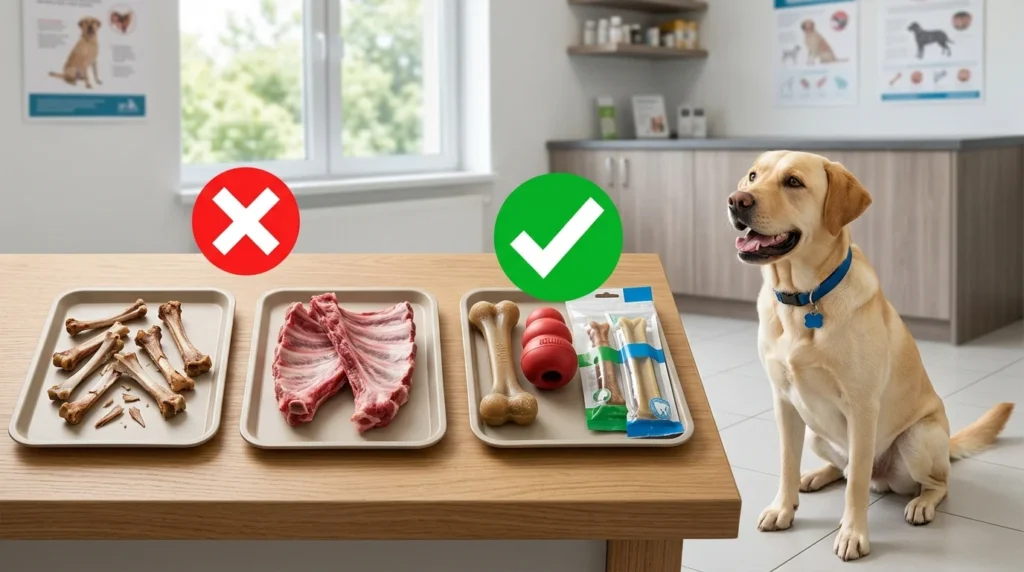
Choose a chew that is specifically designed for dogs and appropriate for your dog’s size, age, and chewing strength. Avoid extremely hard objects that could fracture teeth.
Always supervise your dog while they chew. Remove a chew if it becomes small enough to swallow, develops sharp edges, or starts breaking apart. Ask your veterinarian for recommendations if you are unsure which chew is appropriate.
See Also: Can Dogs Eat Carrots? Benefits, Safety & Feeding Guide 2026
Does Rib Bone Have Benefits For Dogs?
Rib bones can contain minerals and connective tissue, but these potential nutritional benefits do not make them a safe food. Dogs have no nutritional requirement to consume rib bones.
Some dogs may enjoy chewing as an activity, but that need can be met with safer, appropriately designed dog chews and toys. A balanced diet provides the nutrients dogs need without exposing them to bone-related hazards.
Does Rib Bone Have Any Risks For Dogs?
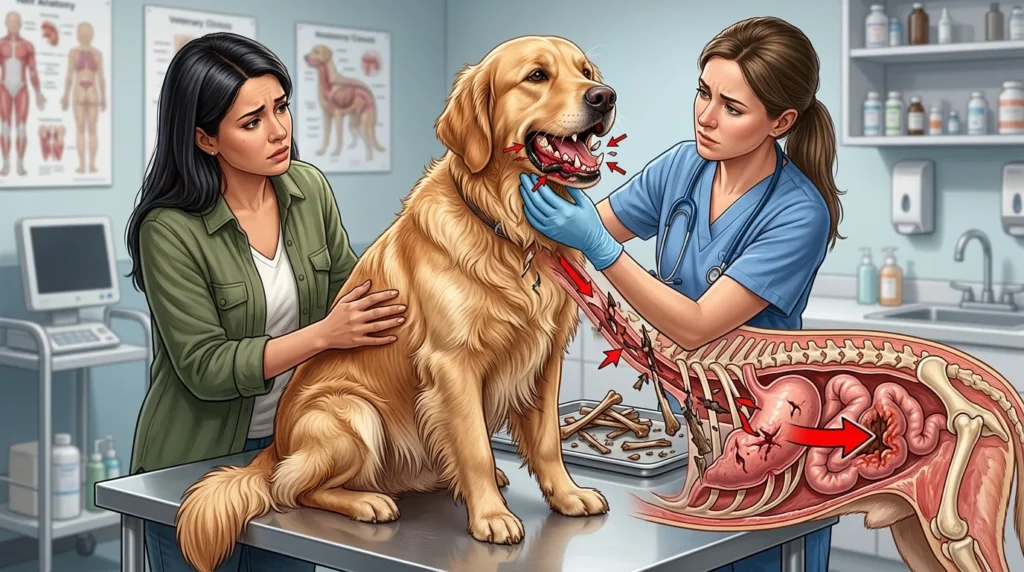
Yes. Rib bones can cause broken teeth, mouth injuries, choking, vomiting, constipation, intestinal blockage, or injuries to the stomach and intestines. Cooked bones are particularly concerning because they can become brittle and splinter.
Raw bones can still cause physical injuries and may carry harmful bacteria. Fatty meat or seasoning left on cooked ribs can create additional digestive problems or expose dogs to unsafe ingredients such as onions or garlic.
What Should You Do If Your Dog Eats a Rib Bone?
If your dog swallows a rib bone or a large bone fragment, contact your veterinarian for guidance. Do not assume that the bone will pass safely simply because your dog appears normal immediately afterward.
Seek urgent veterinary attention if your dog is choking, having difficulty breathing, repeatedly vomiting, showing severe abdominal pain, becoming weak, or passing bloody stool. Do not attempt to make your dog vomit unless a veterinarian specifically instructs you to do so.
Frequently Asked Questions
Can dogs eat rib bones?
No. Rib bones are not considered a safe treat because they can cause choking, broken teeth, splintering, intestinal blockage, and digestive tract injuries.
Can dogs eat cooked rib bones?
No. Cooked rib bones can become brittle and splinter into sharp fragments, making them especially dangerous for dogs.
Can dogs eat raw rib bones?
Raw rib bones are not risk-free. They can still cause broken teeth, choking, digestive injuries, or bacterial exposure, so they should only be considered with veterinary guidance.
Can puppies eat rib bones?
No. Puppies should not be given rib bones because hard bones can damage developing teeth and create choking or swallowing hazards.
What should I do if my dog swallowed a rib bone?
Contact your veterinarian for advice, especially if a large or sharp piece was swallowed. Seek urgent care if your dog develops choking, breathing problems, repeated vomiting, severe pain, weakness, or bloody stool.
Conclusion
Dogs should generally not eat rib bones. Cooked rib bones are particularly dangerous because they can splinter, while raw bones still carry risks such as broken teeth, choking, bacterial contamination, and digestive tract injuries.
If your dog has eaten a rib bone, monitor them closely and contact your veterinarian for appropriate guidance. For regular chewing, choose size-appropriate dog chews and toys rather than leftover bones.
See Also: Can Dogs Eat Avocado? The Truth Every Dog Owner Must Know


