
Can Dogs Eat Avocado? The Truth Every Dog Owner Must Know
Mostly no as a habit, small amounts of ripe flesh rarely an emergency. That is the honest answer: avocado is not in the same danger league as grapes or chocolate, but the flesh carries a mild toxin, the pit is a genuine obstruction hazard, and the fat load can trigger pancreatitis. So the real question is not “will one bite poison my dog” but “which part did they eat, and how much”.
Last updated: 13 October 2026
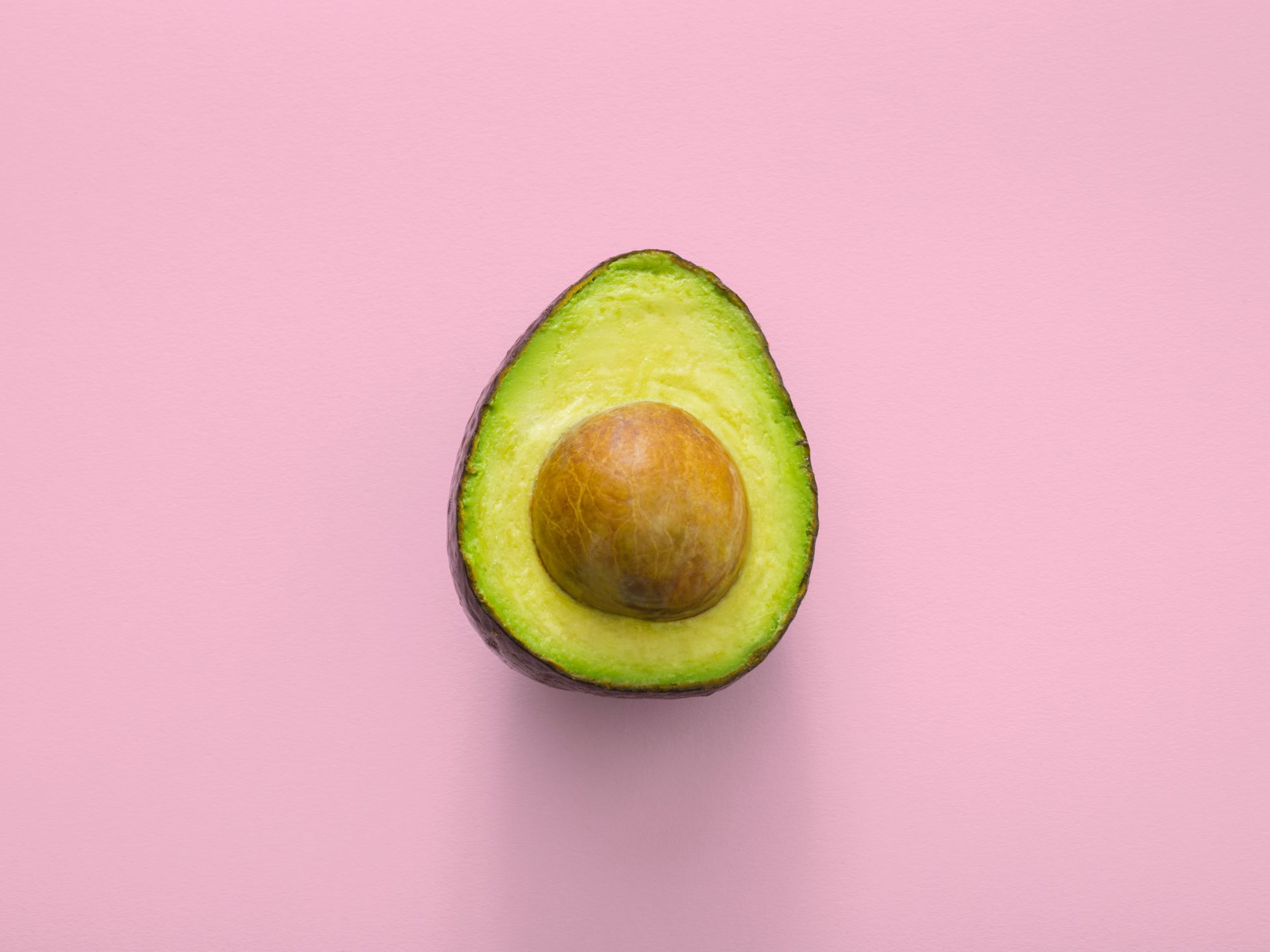
Which Part of the Avocado Is the Problem?
Direct answer: The pit and the leaves are the most dangerous parts, the skin sits in the middle, and the ripe flesh is the least concerning. Nearly every avocado scare falls into one of these four buckets, and each calls for a different response.
| Part of the avocado | Persin level | Other risks | Verdict |
|---|---|---|---|
| Ripe flesh (green pulp) | Low | Very high fat, can upset stomachs | Not recommended, but small accidental amounts rarely an emergency |
| Skin (dark peel) | Moderate to high | Tough, hard to digest, choking risk | Keep away from dogs entirely |
| Pit (seed) | High | Choking hazard, can block the intestines | Emergency if swallowed |
| Leaves, bark, stems | Very high | Fallen fruit from trees | Keep dogs away from avocado trees |
Persin is the compound behind most of the worry, and it is not spread evenly. The ASPCA Animal Poison Control Center explains that the leaves, fruit, seeds and bark of avocados all contain persin, which can cause vomiting and diarrhoea in dogs. The flesh sits at the mild end of that range, which is why the outcome depends so heavily on which part your dog got into. If you are building a picture of what dogs can and cannot eat more broadly, our what dogs can eat hub puts avocado alongside dozens of other foods, and our fruits dogs can eat guide shows how it compares with genuinely safe fruit.
What Is Persin, and How Dangerous Is It for Dogs?
Direct answer: Persin is a natural fungicidal toxin the avocado plant makes to defend itself. Dogs tolerate it far better than birds, horses or rabbits, which can suffer fatal effects, but it can still cause vomiting and diarrhoea in dogs, especially from the skin, pit or leaves.
Most of the confusion around avocado comes from persin, so it is worth understanding what it actually is. Persin is a compound produced throughout the avocado plant: leaves, bark, skin, seed and, in smaller amounts, the flesh. Pet Poison Helpline describes dogs as less sensitive to persin than many other animals, noting that the more serious effects, including cardiovascular and respiratory signs, are seen far more often in other species, while dogs mainly face digestive upset.
That species gap matters. Birds and horses can be severely or fatally poisoned by avocado, while for dogs, Pet Poison Helpline classifies avocado as non-toxic, a category it does not share with genuinely poisonous foods like chocolate or grapes. The American Kennel Club takes a similar line: dogs are more tolerant of persin and would typically need to eat large quantities of persin-containing parts to experience poisoning, though it can still cause mild stomach upset in some dogs.
So why does avocado still land on so many “dangerous foods” lists? Because persin is only one of three problems, and the other two, the pit and the fat, are the ones that actually send dogs to the emergency vet. A dog that strips leaves off an avocado tree in the garden is a persin concern. A dog that steals a slice of flesh off the counter is mostly a fat and portion concern. Treat them differently.
What Should I Do If My Dog Ate Avocado?
Direct answer: Stay calm and work out which part and how much. A small piece of ripe flesh in a big dog usually just needs watching, while a swallowed pit is a veterinary emergency, and guacamole deserves a call because of the onion and garlic.
Here is how to triage it, part by part.
Small amount of ripe flesh, large healthy dog. This is the least worrying scenario. The flesh is not considered poisonous to dogs, but keep an eye on your dog for 24 to 48 hours for vomiting, diarrhoea or loss of appetite. Fresh water should be available, and a bland meal of plain boiled chicken and rice is a sensible offer if they seem hungry.
A larger amount of flesh. The fat load becomes the main worry here. Watch closely for repeated vomiting, hunched posture or belly pain, and loss of appetite, which can signal pancreatitis. Call your vet for guidance rather than guessing.
Skin or leaves. The persin concentration is much higher than in the flesh. Contact your vet promptly regardless of the amount, and note roughly how much was eaten and when.
Swallowed pit, whole or chewed. Treat this as an emergency. Do not try to make your dog vomit unless your vet specifically tells you to, since a hard, slippery pit can lodge in the throat on the way back up. Call your vet or emergency clinic immediately, even if your dog seems fine. As Pet Poison Helpline puts it, because this is a physical injury risk rather than a poisoning, a veterinary hospital is the right call. ASPCA Poison Control can be reached at (888) 426-4435 and Pet Poison Helpline at (855) 764-7661, though consultation fees may apply.
Guacamole. Call your vet. This is rarely about the avocado alone, since standard guacamole contains onion and garlic, both genuinely poisonous to dogs. Describe exactly what was eaten and how much.
Signs worth watching in any scenario: vomiting, diarrhoea, lethargy, abdominal pain, difficulty breathing, and straining to pass stool without producing any.
Why the Fat Matters As Much As Persin
Direct answer: Avocado flesh is extraordinarily fatty, roughly 20-plus grams of fat in a single fruit, and rich food can inflame a dog’s pancreas. Pancreatitis is painful, sometimes life-threatening, and is the most common real-world injury from dogs eating avocado flesh.
This is the part many guides underplay. Persin gets the headlines, but in practice, a dog that eats a whole avocado is in trouble mainly because of the fat. Pancreatitis, inflammation of the pancreas, brings repeated vomiting, a hunched or prayer-like posture, severe belly pain, lethargy and refusal of food. The AKC warns that avocado’s high fat content can cause weight gain and pancreatitis, and some breeds are already predisposed, including Miniature Schnauzers, Cocker Spaniels and Yorkshire Terriers.
The practical upshot is simple. If your dog is overweight, has a sensitive stomach, or has had pancreatitis before, avocado is off the table completely, even the flesh, even in small amounts. Dogs on prescription diets should stick to their prescribed food full stop. For comparison, a truly safe fatty-ish treat option does not really exist among common fruits, which is why fruits like bananas and strawberries make better occasional treats: far less fat, no toxin involved.
Can Dogs Eat Guacamole?
Direct answer: No. Guacamole stacks avocado’s problems with ingredients that are toxic in their own right: onion and garlic can damage a dog’s red blood cells, and the salt, lime and chilli add further irritation.
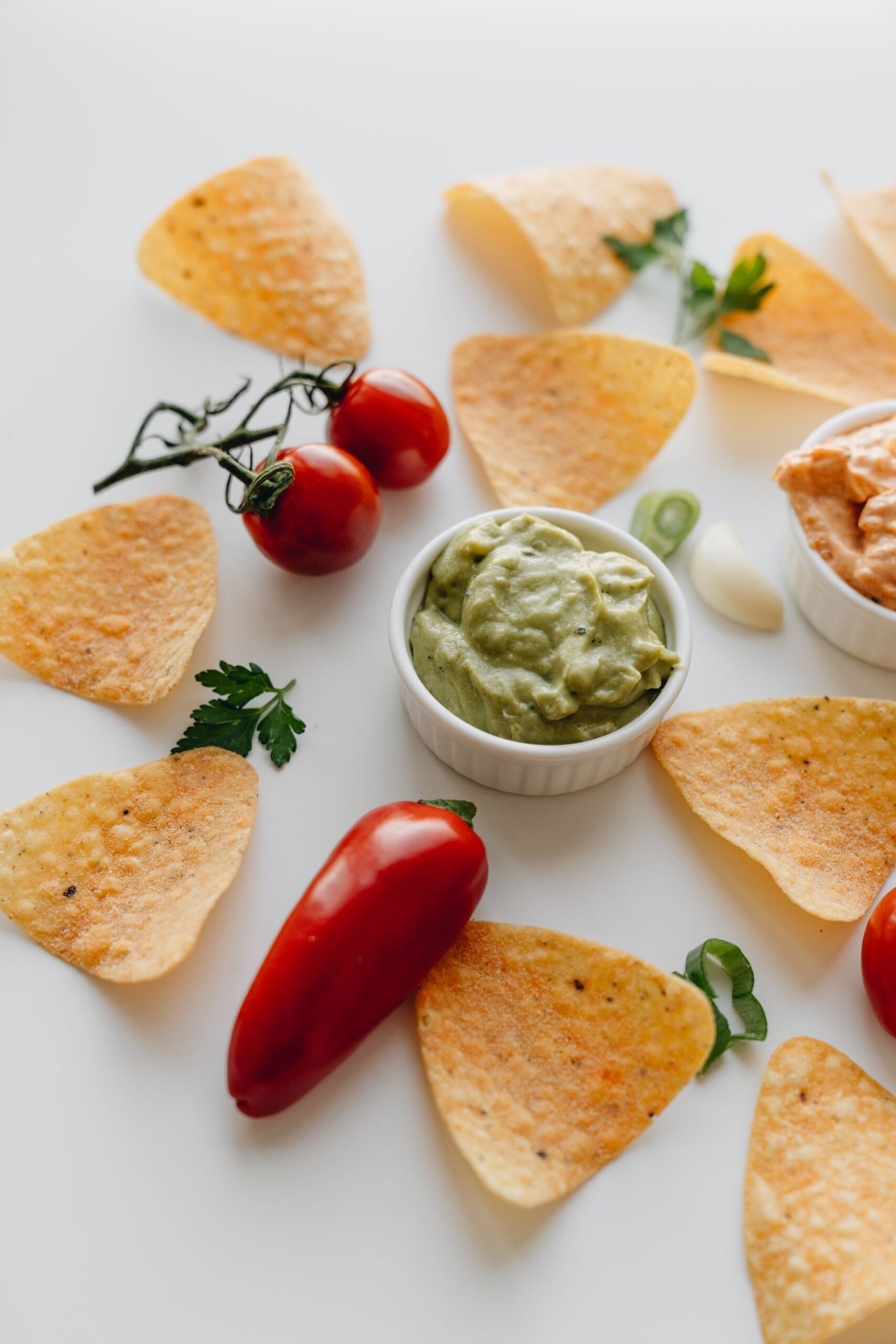
Guacamole deserves its own warning because it is the avocado preparation most likely to cause real harm, and the danger is not really the avocado. A standard recipe mixes avocado with onion and garlic, both of which are poisonous to dogs and can cause haemolytic anaemia, the destruction of red blood cells. Add salt, lime juice and chilli, and even a dog that tolerates avocado flesh is facing a multi-ingredient exposure. Pet Poison Helpline advises treating guacamole as exactly that and contacting them or your vet right away.
This also applies to anything scooped out of the guacamole bowl. A chip with guacamole residue, the spoon used to serve it, the bowl left on the coffee table: all of it carries the same onion and garlic exposure. Never leave guacamole where a dog can reach it, and if yours gets into it, call your vet with the recipe details if you have them.
What About Avocado Oil?
Direct answer: Refined avocado oil contains no meaningful persin, so it is not toxic the way the skin or leaves are. But it is pure fat, so it offers nothing a dog needs and can still contribute to weight gain or pancreatitis.
This is the one avocado question with a softer answer. The refining process removes persin, and the AKC confirms avocado oil does not contain persin, while cautioning that it is very high in fat and that frequent use can increase the risk of weight gain or pancreatitis. Many commercial dog foods and skin-and-coat supplements include avocado oil or avocado meal as an ingredient, and these purified forms are generally considered safe in the amounts used.
That does not make avocado oil a health food for dogs. An occasional lick from a pan is unlikely to cause harm, but deliberately adding oil to your dog’s food adds calories without purpose, and a balanced dog food already supplies the fatty acids your dog needs. If your dog has a history of pancreatitis or carries extra weight, skip it. Cold-pressed or unrefined avocado oil is a less certain choice, since it may retain more of the plant’s compounds.
How Much Avocado Flesh Could a Dog Have?
Direct answer: There is no recommended amount, because avocado is not something to add to a dog’s diet deliberately. The only sensible guidance is for accidents: the AKC suggests that if you do share it, the limit should be no more than 1 teaspoon of plain flesh per 10 pounds of body weight.
Read that line twice. It is not a serving suggestion; it is a ceiling for an occasional taste, and plenty of vets would say zero is better. Puppies should not have any, their digestive systems are more sensitive, and small breeds face a proportionally larger dose from the same amount, so be stricter with them. Dogs prone to pancreatitis or carrying extra weight should skip it entirely.
If your dog has already eaten some and you are doing the maths, the realistic risk order is: a lick or tiny piece in a large dog is unlikely to cause more than mild digestive upset; a few spoonfuls raises the chance of vomiting and diarrhoea and starts the pancreatitis clock; half an avocado or more deserves a vet call, especially in a small dog. Any amount of skin, pit or leaves moves straight to the “call your vet” category.
Safer Alternatives That Beat Avocado
Direct answer: Everything avocado offers nutritionally is available from safer foods with none of the baggage. If you want healthy fats, vitamins or potassium for your dog, these do the job without persin, pits or pancreatitis risk.
| What you wanted from avocado | Safer swap | Why it wins |
|---|---|---|
| Healthy fats, coat support | Salmon or fish oil (vet-approved amounts) | Concentrated omega fats, no persin, no pit |
| Potassium | Banana | Dog-safe fruit, far less fat |
| Vitamin E and antioxidants | Blueberries | Low calorie, well tolerated |
| Fibre and vitamins | Sweet potato, cooked plain | Gentle on digestion, nutrient dense |
| Crunchy low-calorie treat | Apple slices (seeds removed) or green beans | Safe, cheap, easy to portion |
The AKC’s own nutritionists make the same point, recommending lower-calorie fruits and vegetables like blueberries and green beans for dogs that should not be taking on extra fat. You can compare individual fruits in detail in our guides to apples and cherries, which cover their own pit and seed cautions honestly.
When to Call Your Vet
Direct answer: Call immediately if your dog swallowed a pit, ate skin or leaves, ate guacamole, or is showing repeated vomiting, belly pain, lethargy or breathing difficulty. For a small accidental taste of flesh with no symptoms, watchful waiting for 24 to 48 hours is reasonable.
Draw the line clearly:
- Call now: swallowed pit, chewed pit pieces, skin, leaves or bark, guacamole, repeated vomiting, hunched posture or belly pain, refusal of food, difficulty breathing, collapse.
- Monitor at home: a small accidental taste of ripe flesh in a healthy adult dog, no symptoms after the event. Call if anything changes.
- Always err on the side of calling: if you are unsure how much was eaten, if your dog is a puppy, a toy breed, or has a history of pancreatitis, or if any symptom appears.
One more boundary worth setting. Never induce vomiting at home unless your vet instructs you to. With a swallowed pit, bringing it back up can turn a lower-gut problem into a choking emergency.
Frequently Asked Questions
Is avocado toxic to dogs?
Not in the strict sense. Pet Poison Helpline classifies avocado as non-toxic to dogs, unlike chocolate or grapes. The flesh contains low levels of persin, but the skin, pit and leaves concentrate it, and the pit is a physical emergency if swallowed.
Can dogs eat avocado flesh?
It is not recommended. Small amounts of ripe flesh are unlikely to poison a healthy dog, but the high fat content can cause digestive upset or pancreatitis, and there is no nutritional reason to choose it over safer treats.
What happens if a dog eats an avocado pit?
The pit can cause choking or a life-threatening intestinal blockage. Signs include repeated vomiting, loss of appetite, abdominal pain and straining without producing stool. This is a veterinary emergency, contact your vet or emergency clinic immediately.
Can dogs eat guacamole?
No. Beyond the avocado, guacamole typically contains onion and garlic, both poisonous to dogs, plus salt, lime and chilli. Contact your vet if your dog eats any.
Can puppies eat avocado?
Best avoided. Puppies have more sensitive digestive systems, and high-fat foods are more likely to cause upset. There is no benefit that justifies the risk at that age.
Can dogs eat avocado every day?
No. Even the milder veterinary sources that allow tiny occasional tastes are clear that avocado should never become a daily habit. The fat adds up, and the risk is constant.
Is avocado oil safe for dogs?
Refined avocado oil is not toxic, since refining removes persin, but it is pure fat with no real purpose in a dog’s diet. An accidental lick is unlikely to harm, while deliberate regular use is not advisable without your vet’s input.
—
The information in this guide is for education only and is not a substitute for veterinary advice. If your dog has eaten avocado and you are worried, your vet, or a poison helpline, is always the right call.
Sources
- AKC: Can Dogs Eat Avocado?: small amounts of flesh occasionally, persin tolerance in dogs, pit blockage risk, 1 tsp per 10 lbs guidance
- Pet Poison Helpline: Can Dogs Eat Avocado?: avocado classed non-toxic to dogs, pit obstruction, pancreatitis from high fat, guacamole guidance
- ASPCA: The Scoop on Avocado and Your Pets: persin in leaves, fruit, seeds and bark, vomiting and diarrhoea in dogs, species sensitivity differences


