

Can Dogs Eat Nectarines? Benefits, Risks & Safe Feeding Guide
Last updated: 24 October 2026. This guide is for information only and is not a substitute for your vet’s advice.
Yes, dogs can eat nectarines. The ripe flesh of a fresh nectarine is not toxic to dogs, and it brings vitamins A and C, potassium, fibre and antioxidants along with it. Keep portions small, treat it as an occasional snack, and always remove the pit first: the pit is a choking and intestinal-blockage hazard that can also release small amounts of cyanide if chewed. That flesh-safe, pit-dangerous split is the whole story in one sentence, and the rest of this guide fills in the details so you can feed nectarines with confidence.
Wondering where fruit fits into your dog’s overall diet? Our complete guide to what dogs can eat and our dog-safe fruit list both cover the ground rules: fruit is a treat, never a staple.
Every part of the nectarine, rated for dogs
Not every part of the fruit carries the same risk. Spot Pet Insurance’s guide puts it plainly: nectarines are not toxic to dogs, but the pit is a choking hazard and can irritate the stomach and intestines. The table below rates each part so you know exactly what is safe to share and what must never reach your dog’s mouth.
| Part of the nectarine | Verdict | Why |
|---|---|---|
| Ripe flesh | Safe in small amounts | Non-toxic, with vitamins A and C, potassium, fibre and water. Natural sugar means small portions only. |
| Skin | Safe if washed well | Not toxic and holds extra fibre and antioxidants, but wash it under running water to remove pesticide residue, dirt and wax. Peel it first for dogs with sensitive stomachs. |
| Pit (stone) | Dangerous, always remove | Choking and intestinal-blockage hazard. Contains amygdalin, which the body breaks down into hydrogen cyanide when chewed. Rough edges can also damage the throat or chip teeth. |
| Stem and leaves | Keep away | The AKC’s guide to peaches, nectarines’ closest relative, warns that the leaves and stem contain cyanide compounds. Treat nectarine stems and leaves the same way. |
| Unripe fruit | Skip it | Hard, acidic and harder to digest. Choose a ripe, fragrant nectarine that gives slightly when pressed. |
| Canned nectarines | Avoid | Usually packed in sugary syrup with preservatives. Fresh fruit is the only version worth feeding. |
| Dried nectarines | Tiny amounts only, or skip | Concentrated sugar in a small package, so they are easy to overfeed and can upset the stomach. |
| Mouldy or fermented fruit | Never | Rotten fruit must be thrown away, whatever the colour or variety. |
Nectarine or peach: which is which, and does it matter for your dog?
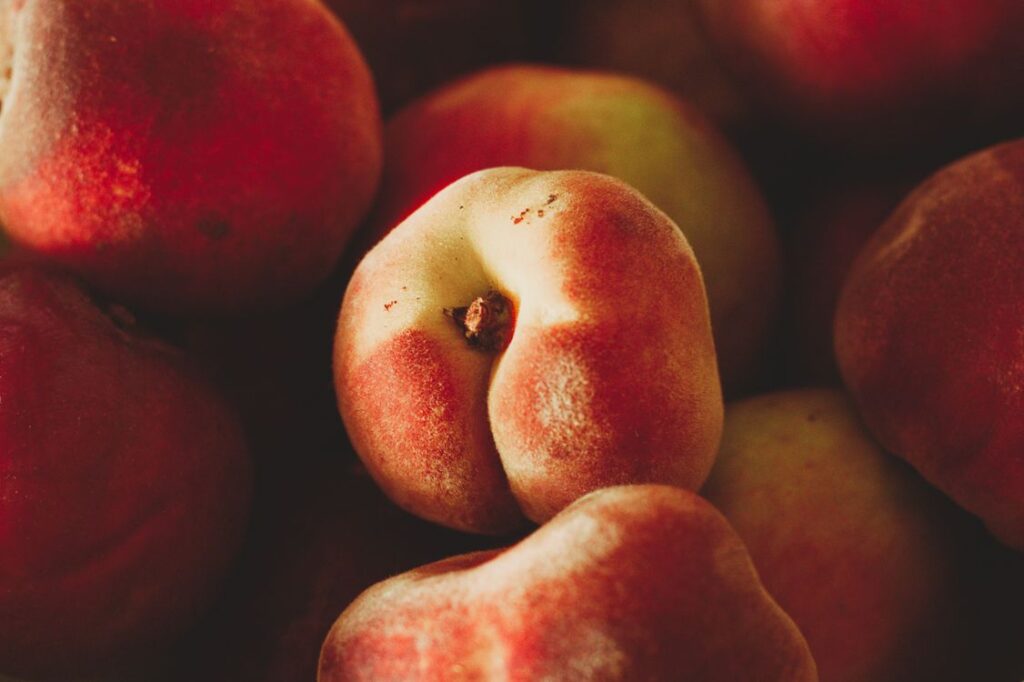
It barely matters. As The Dog Clinic explains, a nectarine is essentially a peach with smooth skin instead of a velvety one, and the two share most of the same makeup. That means the same rules apply to both: fresh flesh in small amounts, pit always removed. Our full peach guide for dogs goes deeper on the peach side of the family.
| Nectarine | Peach | |
|---|---|---|
| Skin | Smooth, no fuzz | Fuzzy, velvety |
| Typical size | Slightly smaller | Slightly larger |
| Flavour | Sweeter and a touch tangier in yellow varieties | Milder, classic summer-sweet |
| Acidity | Yellow nectarines are slightly more acidic; white nectarines less so | Similar, variety-dependent |
| For dogs | Flesh safe in moderation, pit removed | Identical rules: flesh safe in moderation, pit removed |
White versus yellow nectarines is the one nectarine-only question worth answering. Petful’s vet-backed guide confirms both colours are fine for dogs: white nectarines taste a little sweeter and less tangy, yellow nectarines are slightly more acidic, but the safety rules are identical. Because the white ones taste sweeter, do not let that tempt you into bigger portions; the sugar load is what counts, not the colour.
How much nectarine your dog can have
Treats of all kinds should make up no more than 10 percent of your dog’s daily calories, a rule the AKC repeats in its fruit guidance, and The Dog Clinic notes the same 10 percent ceiling for fruit specifically. Nectarines sit well under that ceiling when you keep them rare and small. Petful’s vet-backed guide gives the most detailed size-based amounts published by any vet source we found, and they are deliberately conservative: nectarines are a high-sugar treat, so err on the small side, especially with little dogs.
| Dog size | Weight | Safe amount of pitted, chopped flesh (occasional treat) |
|---|---|---|
| Extra small | Under 10 lb (under 4.5 kg) | A few tiny bites, no more than a quarter teaspoon |
| Small | 10 to 25 lb (4.5 to 11 kg) | About half a teaspoon |
| Medium | 25 to 60 lb (11 to 27 kg) | About one teaspoon |
| Large | 60 to 100 lb (27 to 45 kg) | Two to three teaspoons |
| Giant | Over 100 lb (over 45 kg) | Up to one tablespoon |
Feed nectarine only as an occasional treat, not daily, and introduce it slowly the first time so you can watch for digestive upset. Puppies get an even smaller taste, and rarely: their airways are smaller, which makes any pit fragment more dangerous, and their stomachs handle sugar badly. Diabetic or overweight dogs should get fruit only on their vet’s say-so.
The pit playbook: what to do if your dog swallows a nectarine pit
The pit is where this article earns its keep, because it is the one way a harmless snack turns into an emergency. Stone fruit pits across the family, nectarines included, carry amygdalin, which releases hydrogen cyanide when the pit is crushed or chewed. A whole pit swallowed intact usually passes without poisoning trouble, but it can still choke or block the gut, and blockage is the more common danger. Vet Dr Linda Simon told The Dog Clinic that nectarine pits are a routine find in blocked small intestines: “This is a really common object which I remove from small intestines of dogs who’ve managed to snaffle a nectarine,” adding that she has removed them from large breeds too, including a German Shepherd and a Hungarian Vizsla. Our plum guide carries a matching pit emergency module, since plums play by the same stone-fruit rules.
Step 1: check whether your dog is choking
If your dog is gagging, pawing at the mouth, drooling heavily or struggling to breathe, treat it as an emergency and get to a vet at once. Do not reach blindly into a panicking dog’s mouth unless you can clearly see and grasp the pit.
Step 2: if the pit went down whole
A single pit swallowed intact is usually not a cyanide emergency, but it is a blockage risk, especially in small dogs and puppies. Watch your dog for a day or two for vomiting, loss of appetite, drooling, straining or constipation, lethargy, or belly pain. Any of those signs can mean the pit is stuck, and that means a vet visit right away. Repeated vomiting, retching without bringing anything up, a swollen or painful belly, or trouble breathing after a swallowed pit is a medical emergency: go to the nearest emergency vet now.
Step 3: if the pit was chewed, or your dog ate several
This is the urgent scenario. A crushed or chewed pit releases cyanide compounds, and several pits raise the dose. Call your vet or the ASPCA Animal Poison Control Center at 888-426-4435 immediately, and do not wait for symptoms if a large amount was eaten or the pit was clearly crushed. Signs of cyanide poisoning, as listed by Spot Pet Insurance, include dilated pupils, excessive drooling, difficulty breathing, bright red gums, vomiting and shock; The Dog Clinic adds rapid breathing rate, loss of bladder or bowel control, lack of coordination and collapse. Any of these after pit-chewing means the emergency vet, now.
Prevention is the whole game
Cut the flesh off the pit yourself rather than letting your dog gnaw around it, bin the pits where your dog cannot raid them, and never let your dog eat a nectarine you have not pitted. Most of the emergencies above never happen to owners who pit the fruit first.
Canned, dried, frozen: the quick verdicts
Fresh, ripe, washed and pitted is the only version of nectarine worth feeding. Canned nectarines are usually packed in sugary syrup with preservatives, and Spot Pet Insurance advises avoiding them outright. Dried nectarines pack concentrated sugar into every chewy bite, so give them only in very small quantities or skip them entirely, since they are easy to overfeed and can cause digestive upset. Frozen nectarine cubes can work as a cooling summer treat, but the same rules apply: pitted, skin washed, and given in moderation.
Picking and preparing a dog-safe nectarine
Most dogs love the smell of a ripe nectarine, but a little preparation keeps it a treat rather than a trip to the vet. Here is the whole routine:
- Choose a ripe, fresh nectarine that smells sweet and gives slightly when pressed. Skip mouldy, fermented or rotting fruit of any kind.
- Rinse it well under running water to remove pesticide residue, dirt and wax, even if you plan to peel it.
- Cut the flesh away from the pit and discard the pit where your dog cannot reach it.
- Cut the flesh into small, bite-sized pieces suited to your dog’s mouth. Small dogs and flat-faced breeds like pugs and French bulldogs need very small pieces.
- Offer a small amount as an occasional treat, and watch for any digestive upset the first time.
That same flesh-safe, pit-off-limits rule runs through the whole stone-fruit family, so if your dog enjoys nectarines you may also want our guides to apricots, cherries and mango, which share the same safety logic.
Frequently asked questions
Can dogs eat nectarines every day?
No. Nectarines are high in natural sugar, so they work as an occasional treat rather than a daily habit. Keep all treats, fruit included, under 10 percent of your dog’s daily calories.
What should I do if my dog ate a nectarine pit?
Check first whether your dog is choking. If the pit went down whole, watch for vomiting, appetite loss, drooling, straining, lethargy or belly pain over the next day or two, and call your vet if any appear. If your dog chewed the pit or ate several, call your vet or the ASPCA Animal Poison Control Center at 888-426-4435 right away without waiting for symptoms.
Can dogs eat nectarine skin?
Yes. The skin is not toxic and adds fibre and antioxidants, but wash it thoroughly under running water first to remove pesticides, dirt and wax. Peel the fruit first if your dog has a sensitive stomach.
Can dogs eat canned nectarines?
No. Canned nectarines are usually packed in sugary syrup with preservatives, which adds calories and sugar your dog does not need. Stick to fresh fruit.
Can dogs eat dried nectarines?
Only in very small amounts, and many owners simply skip them. Dried fruit concentrates the sugar, so it is easy to overfeed and can cause stomach upset.
Are white nectarines safe for dogs, or only yellow ones?
Both are safe. White nectarines taste a little sweeter and less tangy, yellow nectarines are slightly more acidic, but the rules are identical: fresh, washed, pitted, small amounts.
Can puppies eat nectarines?
A puppy can have a tiny taste of fresh, pitted nectarine, but keep it rare and go slowly. Their smaller airways make pits more dangerous and their stomachs are sensitive to sugar. A complete puppy food already covers everything a growing puppy needs.
Are nectarine leaves or stems dangerous to dogs?
Keep them away. The AKC warns that peach leaves and stems contain cyanide compounds, and nectarines are the same fruit family, so treat nectarine leaves and stems the same way.
Sources
Every claim in this guide comes from a veterinary or vet-reviewed source we read in full: Petful’s vet-backed nectarine safety guide, including its size-based portion table and pit first-aid steps; the AKC’s guide to dogs and peaches, with veterinary advice on pits, stems, leaves and the 10 percent treat rule; The Dog Clinic’s nectarine guide, including vet Dr Linda Simon’s notes on pit blockages and the 10 percent fruit ceiling; and Spot Pet Insurance’s nectarine guide, including its cyanide symptom list and canned and dried fruit verdicts.


3 Comments