

Can Dogs Eat Pears? Benefits, Risks, Safe Serving Guide & 2026
Yes, dogs can eat pears in moderation. Pears are a nutritious fruit packed with vitamins, fiber, and antioxidants that can support your dog’s overall health. When served correctly, pears can be a refreshing and healthy treat for most dogs.
However, there are a few precautions to keep in mind. Pear seeds contain compounds that can release cyanide when chewed, making them unsafe for dogs. Additionally, pears should be served in bite-sized pieces to prevent choking. By preparing pears properly and offering them as an occasional treat, pet owners can safely include this fruit in their dog’s diet.
Are Pears Good for Dogs?
Pears offer several nutritional benefits for dogs. They contain vitamin C, vitamin K, copper, and dietary fiber, which can support digestion and overall wellness. The natural antioxidants found in pears may also help combat cell damage caused by free radicals.
While pears are healthy, they should only be given as a treat and not replace a balanced dog diet. Treats, including fruits, should make up no more than 10% of your dog’s daily caloric intake. When fed in moderation, pears can be a tasty and beneficial addition to your dog’s snack options.
Can Dogs Eat Pears Safely?
Dogs can eat pears safely when the fruit is fresh, ripe, and properly prepared. Before feeding pears to your dog, wash them thoroughly and remove the core and seeds. Cut the pear into small pieces appropriate for your dog’s size.
Introducing pears gradually is important, especially if your dog has never eaten them before. Start with a small amount and monitor for digestive issues such as diarrhea or stomach upset. Most healthy dogs tolerate pears well, but moderation remains the key to safe feeding.
How Many Pears Can Your Dog Eat?
The appropriate amount of pear depends on your dog’s size and weight. Pears should only be offered occasionally as a treat.
| Dog Size | Recommended Pear Serving |
|---|---|
| Extra Small (Under 10 lbs) | 1–2 small cubes |
| Small (10–20 lbs) | 2–3 small cubes |
| Medium (20–50 lbs) | 4–6 small cubes |
| Large (50–90 lbs) | 6–8 small cubes |
| Giant (90+ lbs) | Up to 10 small cubes |
Always introduce pears gradually and reduce the portion if your dog experiences digestive discomfort.
Can Dogs Eat Pears With Skin?
Yes, dogs can eat pears with skin as long as the pear has been thoroughly washed. Pear skin contains fiber and nutrients that may provide additional health benefits. Many dogs can digest pear skin without any problems.
However, some dogs have sensitive stomachs and may experience mild digestive upset from the extra fiber. If you’re feeding pears with skin for the first time, start with a small amount. Monitoring your dog after introducing any new food is always recommended to ensure they tolerate it well.
Can Dogs Eat Pears Everyday?

Although pears are healthy, dogs should not eat them every day. Pears contain natural sugars that can contribute to weight gain if consumed excessively. Too much fruit may also cause digestive upset, including diarrhea.
Instead of daily feeding, offer pears as an occasional treat alongside other dog-safe fruits and vegetables. Rotating healthy treats helps provide variety while preventing over consumption of any single food. A balanced commercial dog food should remain your dog’s primary source of nutrition.
Also Read: Can Dogs Eat Spinach? Benefits, Risks & Safe Serving Guide 2026
Can Dogs Eat Pears Seeds?
No, dogs should not eat pear seeds. Pear seeds contain amygdalin, a compound that can release cyanide when broken down during digestion. While a few accidental seeds may not cause immediate harm, regular or large amounts can be dangerous.
In addition to toxicity concerns, pear seeds can pose a choking hazard, particularly for smaller dogs. Always remove the core and all seeds before serving pears. Taking this simple precaution helps ensure that pears remain a safe and enjoyable snack.
Are Pear Seeds Toxic to Dogs?
Yes, pear seeds are considered toxic to dogs because they contain cyanogenic compounds. When chewed and digested, these compounds can release cyanide, which is harmful to both humans and animals.
The risk from a small accidental exposure is generally low, but repeated ingestion should be avoided. Symptoms of toxicity may include difficulty breathing, weakness, or unusual behavior. If you suspect your dog has consumed a large number of pear seeds, contact your veterinarian immediately for professional advice.
Can Dogs Eat Shingo Pears?
Yes, dogs can eat Shingo pears if they are prepared properly. Like other pear varieties, Shingo pears contain beneficial vitamins, fiber, and hydration that can support your dog’s health.
Before feeding, remove the seeds and core, then cut the fruit into small, manageable pieces. Because every dog responds differently to new foods, start with a small serving and watch for any digestive issues. As with all fruits, Shingo pears should be offered in moderation as an occasional treat.
Can Dogs Eat Singo Pears?
Yes, dogs can eat Singo pears in moderation. Singo pears provide many of the same nutrients found in other pear varieties, including fiber and antioxidants. These nutrients can complement your dog’s regular diet when offered responsibly.
Always wash the fruit, remove the seeds and core, and cut it into bite-sized pieces before serving. Proper preparation reduces choking risks and eliminates potentially harmful parts of the fruit. Most dogs enjoy the sweet taste and juicy texture of Singo pears.
Can Dogs Eat Snow Pears?
Snow pears are generally safe for dogs when served correctly. These pears are known for their crisp texture and high water content, making them a refreshing snack, especially during warmer months.
As with all pear varieties, remove the seeds and core before feeding. Cut the fruit into small pieces to make chewing easier and reduce choking hazards. Snow pears should be offered occasionally rather than as a daily treat to maintain a balanced diet.
Also Read: Can Dogs Eat Tuna Safely? What Every Dog Owner Should Know
Can Dogs Eat Sand Pears?
Yes, sand pears can be a safe fruit option for dogs. They contain vitamins, minerals, and fiber that may contribute to digestive health and overall well-being when fed appropriately.
Prepare sand pears the same way you would any other pear variety by washing them thoroughly, removing the seeds, and cutting them into small cubes. Feeding moderate portions helps prevent digestive upset while allowing your dog to enjoy the nutritional benefits of this fruit.
Can Dogs Eat Sliced Pears?
Dogs can safely eat sliced pears provided the slices are free from seeds and the hard core. Slicing pears into smaller pieces makes them easier to chew and lowers the risk of choking, especially for smaller breeds.
Fresh sliced pears are often a convenient treat option for pet owners. You can serve them chilled for a refreshing snack or mix a few pieces into your dog’s food for added variety. Just remember that moderation remains important.
Can Dogs Eat Diced Pears?
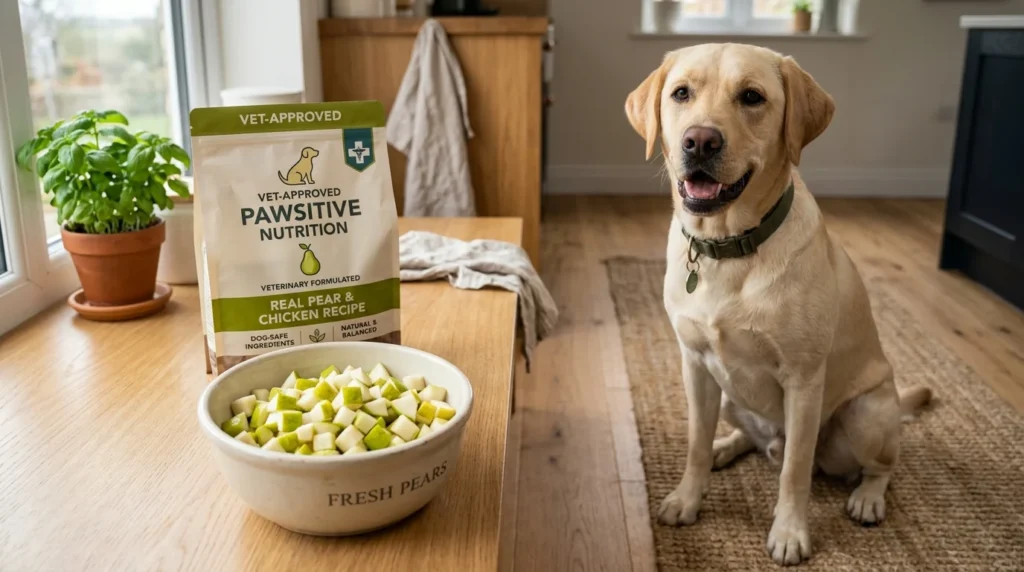
Yes, diced pears are one of the safest ways to serve pears to dogs. Small diced pieces are easy to chew and digest, making them suitable for dogs of all sizes.
Dicing also allows pet owners to control portion sizes more effectively. Whether used as a training reward or a healthy snack, diced pears can provide a sweet and nutritious treat. Be sure to remove all seeds and core fragments before preparing the fruit.
Can Dogs Eat Pears Whole?
No, dogs should not eat pears whole. Whole pears can create a choking hazard, particularly for small and medium-sized dogs. Additionally, a whole pear still contains seeds and the core, which should not be consumed.
Cutting pears into bite-sized pieces significantly improves safety. Smaller portions are easier to chew, digest, and monitor. Taking a few minutes to prepare the fruit properly can help prevent accidents and make feeding pears much safer.
Can Dogs Eat Dried Pears?
Dogs can eat plain dried pears in small amounts, but caution is necessary. Dried fruit contains concentrated natural sugars and calories because much of the water has been removed.
Choose unsweetened dried pears without preservatives, artificial flavors, or added sugar. Because dried pears are denser than fresh pears, smaller portions are recommended. Overfeeding dried fruit may contribute to weight gain or digestive upset.
Also Read: Can Dogs Eat Rice Every Day? Complete Guide to Rice for Dogs
Can Dogs Eat Canned Pears?
Canned pears are generally not recommended for dogs. Most canned fruit products contain added sugars, syrups, or preservatives that are unnecessary and potentially harmful for pets.
Fresh pears are a much healthier option because they contain fewer additives and lower sugar concentrations. If canned pears are the only option available, ensure they are packed in water rather than syrup and contain no artificial sweeteners. Even then, only small amounts should be offered occasionally.
Can All Dogs Eat Pears?
Most healthy dogs can eat pears, but individual circumstances vary. Dogs with diabetes, obesity, or sensitive digestive systems may need special dietary considerations before consuming sweet fruits like pears.
It is always wise to consult your veterinarian if your dog has an existing health condition. Introducing pears slowly and observing your dog’s reaction can help determine whether this fruit is suitable for your pet’s specific needs.
Can Puppies Eat Pears?
Yes, puppies can eat pears in small amounts after they have started eating solid foods. Pears can provide vitamins and hydration while offering a different texture and flavor experience.
Because puppies have developing digestive systems, start with tiny pieces and monitor for any signs of stomach upset. Pears should never replace balanced puppy food, which contains the nutrients necessary for proper growth and development.
How to Feed Pears to Dogs
The safest way to feed pears is to wash the fruit thoroughly, remove the stem, core, and seeds, and cut it into small bite-sized pieces. Fresh pears are typically the best option for dogs.
You can serve pears plain, chilled, frozen, or mixed with your dog’s regular food. Some owners also use small pear pieces as training treats. Regardless of preparation method, always feed pears in moderation and monitor your dog for any unusual reactions.
Frequently Asked Questions
Can dogs eat pears raw?
Yes, dogs can eat raw pears as long as the seeds and core are removed and the fruit is cut into small pieces.
Can diabetic dogs eat pears?
Diabetic dogs may need to limit fruit intake due to natural sugars. Consult your veterinarian before feeding pears.
Can pears cause diarrhea in dogs?
Yes, excessive amounts of pears can lead to digestive upset and diarrhea due to their fiber and sugar content.
Can dogs eat frozen pears?
Yes, frozen pear pieces can be a refreshing treat, especially during hot weather. Serve them in moderation.
What fruits are safer than pears for dogs?
Many dogs also enjoy apples (without seeds), blueberries, strawberries, watermelon, and bananas in moderation.
Conclusion
Pears can be a healthy and delicious treat for dogs when served properly. They provide fiber, vitamins, antioxidants, and hydration while offering a naturally sweet flavor that many dogs enjoy. However, owners should always remove the seeds and core, avoid canned pears packed in syrup, and serve appropriate portions based on their dog’s size.
For more expert pet nutrition guides and dog-safe food recommendations, visit your website regularly and explore additional resources that help keep your furry companion healthy, happy, and safe.
Also Read: Can Dogs Eat Cashews? Benefits, Risks & Safe Feeding Guide for Dogs


