
What Foods Can Dogs Not Eat? Complete Safety Guide
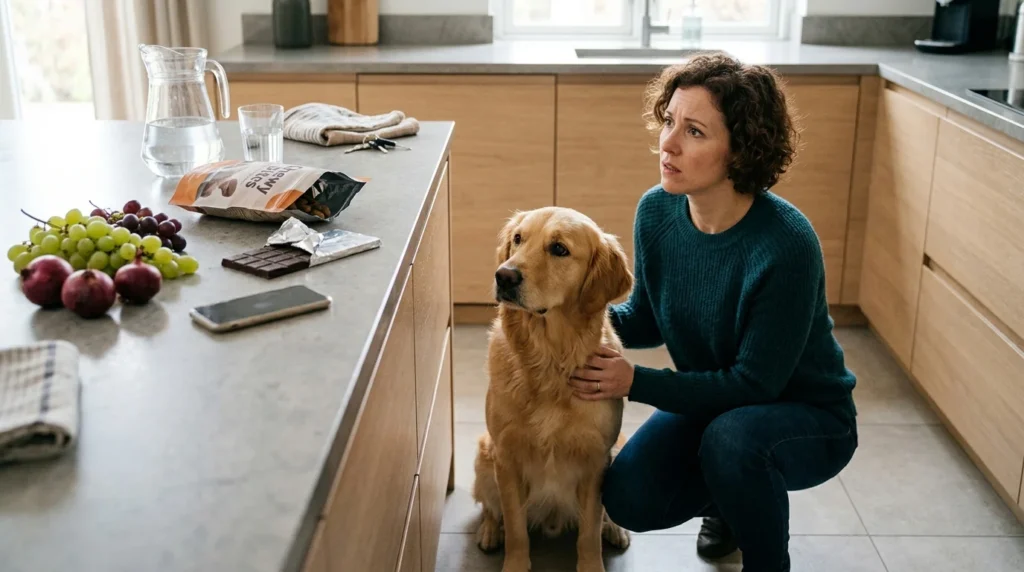
Many foods that are perfectly normal for people can be dangerous for dogs. Some can cause mild stomach upset, while others can lead to poisoning, organ damage, choking, or life-threatening complications. Knowing which foods dogs cannot eat is one of the simplest ways to protect your pet from accidental poisoning.
The most important foods to keep away from dogs include chocolate, grapes and raisins, onions, garlic, xylitol, alcohol, caffeine, and macadamia nuts. Raw yeast dough can also be dangerous. The risk depends on the food, amount eaten, and size of the dog, so suspected poisoning should always be taken seriously.
Chocolate
Chocolate is one of the best-known foods dogs should not eat. It contains theobromine and caffeine, substances that dogs process differently from people. Dark chocolate, baking chocolate, and cocoa powder generally contain higher concentrations and can be particularly dangerous.
After eating chocolate, a dog may develop vomiting, diarrhea, restlessness, increased thirst, rapid breathing, abnormal heart rhythm, tremors, seizures, or other serious symptoms. If your dog eats chocolate, contact a veterinarian promptly and provide information about the type and amount consumed.
Grapes and Raisins
Grapes and raisins should be kept away from dogs because they can cause serious kidney problems in some dogs. There is no reliably established safe amount, and dogs can react differently to the same quantity. This means even a small accidental ingestion should not simply be ignored.
Raisins can be found in foods such as trail mix, baked goods, cereals, and some breads, making accidental exposure possible. If your dog eats grapes or raisins, contact your veterinarian as soon as possible rather than waiting for symptoms to appear.
Onions and Garlic
Dogs should not eat onions, garlic, or foods containing concentrated amounts of these ingredients. They belong to the Allium family and can damage red blood cells, potentially leading to anemia. This applies to several forms, including raw, cooked, dried, and powdered versions.
Onion and garlic can hide in soups, sauces, gravies, seasonings, baby foods, and prepared meals. Signs of a problem may not always appear immediately. Weakness, pale gums, reduced appetite, vomiting, or unusual tiredness can occur, so suspected ingestion should be discussed with a veterinarian.
Xylitol
Xylitol is a sweetener that can be extremely dangerous for dogs. It can be found in some sugar-free gum, candy, baked products, toothpaste, and other human products. Even though the ingredient is safe for people in appropriate amounts, dogs can experience a rapid and potentially dangerous drop in blood sugar after ingesting it.
Xylitol exposure can cause weakness, lack of coordination, collapse, seizures, and potentially severe liver complications. If you suspect your dog has eaten something containing xylitol, seek emergency veterinary advice immediately. Do not wait for symptoms before getting professional guidance.
Alcohol
Dogs should never be given alcoholic drinks. Alcohol can affect dogs much more severely than people, and products containing ethanol can cause dangerous depression of the nervous system. Alcohol may be present in drinks, cooking ingredients, desserts, and other products.
Depending on the amount consumed, a dog may develop vomiting, weakness, poor coordination, unusual behavior, difficulty breathing, tremors, low body temperature, or even collapse. Keep alcoholic beverages securely away from pets and never intentionally offer alcohol as a drink or food ingredient.
Caffeine
Caffeinated foods and drinks are not suitable for dogs. Coffee, tea, energy drinks, caffeine tablets, and some other products can contain enough caffeine to cause serious problems, particularly when a small dog consumes a concentrated amount.
Caffeine can overstimulate a dog’s nervous and cardiovascular systems. Possible signs include restlessness, rapid heartbeat, panting, vomiting, tremors, abnormal heart rhythms, seizures, or collapse. If your dog consumes a caffeinated product, contact a veterinarian promptly with details about what was eaten.
Macadamia Nuts
Macadamia nuts are another food dogs should avoid. They can cause poisoning in dogs, and even relatively small amounts may result in illness. Macadamia nuts can be found on their own or mixed into cookies, cakes, chocolates, granola, and other human foods.
Dogs that consume macadamia nuts may develop weakness, vomiting, tremors, difficulty walking, or other neurological signs. Most affected dogs recover with appropriate care, but suspected ingestion should still be reported to a veterinarian, especially if the quantity eaten is unknown.
Raw Yeast Dough
Raw yeast dough can be dangerous for dogs because it can continue to expand inside the stomach. Yeast fermentation can also produce alcohol, creating an additional risk. For this reason, raw bread dough should never be intentionally fed to a dog.
A dog that eats raw yeast dough may develop a swollen abdomen, discomfort, vomiting, weakness, or abnormal behavior. In serious cases, the expanding dough and alcohol production can become an emergency. Keep rising dough in a secure location where your dog cannot reach it.
Foods With Bones
Certain bones can create serious problems for dogs, especially cooked bones. Cooked bones can become brittle and splinter, potentially causing choking, mouth injuries, intestinal blockage, or damage to the digestive tract.
Do not assume that a bone is safe simply because a dog appears able to chew it. Bones from chicken, turkey, pork, or other cooked meats can be particularly problematic when they break into sharp pieces. If your dog swallows a bone and develops choking, repeated vomiting, pain, or difficulty passing stool, seek veterinary care.
Fatty Foods
Very fatty foods are not good choices for dogs. Large amounts of grease, fat, butter, or fatty meat can cause digestive upset and may contribute to pancreatitis in susceptible dogs. Common examples include greasy leftovers, bacon fat, fried foods, and heavily fatty meat scraps.
A dog may develop vomiting, diarrhea, abdominal discomfort, reduced appetite, or lethargy after consuming a large amount of fatty food. Avoid sharing greasy table scraps and keep cooking fats safely out of reach. Dogs do not need high-fat human foods to maintain a healthy diet.
Salty Foods
Dogs should not be given large amounts of salty foods. Excessive sodium can cause increased thirst and urination and, in significant amounts, can lead to more serious sodium-related problems. Chips, salted meats, processed snacks, and heavily seasoned leftovers can contain substantial amounts of salt.
Keep fresh drinking water available, but do not intentionally give salty foods as treats. If your dog consumes a large quantity of salt or develops repeated vomiting, diarrhea, weakness, tremors, or unusual behavior afterward, contact a veterinarian promptly.
What Should Dogs Eat Instead?
Dogs do not need human junk food to enjoy treats. Safer options can include appropriately prepared foods such as plain cooked chicken, plain cooked turkey, carrots, green beans, pumpkin, or certain fruits when they are prepared correctly and are suitable for your individual dog.
For everyday nutrition, a complete and balanced dog food appropriate for your dog’s life stage should remain the foundation of the diet. Treats and additional foods should be given in moderation and should not replace essential nutrition.
Can Dogs Eat Dairy Products?
Some dogs can tolerate small amounts of plain dairy, but many dogs have difficulty digesting lactose. Milk, cream, and large amounts of cheese can cause gas, diarrhea, vomiting, or stomach discomfort, particularly in dogs that are lactose intolerant.
Rich dairy products can also contain substantial amounts of fat and calories. Avoid dairy foods containing chocolate, xylitol, or other unsafe ingredients. If you give your dog dairy at all, keep portions small and choose simple, plain products.
Can Dogs Eat Avocado?
Avocado is best avoided as a regular food for dogs. The fruit contains persin, and the pit is particularly dangerous because it can cause choking or an intestinal blockage if swallowed. Avocado skin can also be difficult for dogs to digest.
A small amount of plain avocado flesh may not cause poisoning in every dog, but the fat content can still cause stomach upset in some pets. The safest approach is to keep the whole avocado, especially the pit, away from your dog.
Can Dogs Eat Raw Meat?
Raw meat can carry bacteria and parasites that may cause illness in dogs and can also contaminate household surfaces. Raw meat diets also need careful nutritional planning to provide complete and balanced nutrition.
If you want to give your dog meat, properly cooked meat without harmful seasonings is generally a safer option. Avoid meat prepared with onions, garlic, excessive salt, rich sauces, or cooked bones.
See Also: Can Dogs Eat Raw Salmon? Risks & Safety Guide
Can Dogs Eat Raw Eggs?
Raw eggs can contain harmful bacteria and should not be considered a risk-free food for dogs. Feeding raw eggs can also create hygiene concerns because bacteria from raw foods can spread to people and other pets in the household.
Cooked eggs are a safer alternative when prepared plainly. If you give your dog egg, cook it thoroughly and avoid adding salt, butter, oils, onion, garlic, or other seasonings.
Can Dogs Eat Raw Fish?
Raw fish can contain parasites and harmful bacteria, and certain raw fish can carry organisms associated with serious illness in dogs. The risk depends on the type of fish and where it came from.
Thoroughly cooked, boneless fish is generally a safer option. Always remove bones carefully and avoid fish prepared with spicy seasonings, garlic, onion, excessive salt, or rich sauces.
Can Dogs Eat Certain Fruits?
Not every fruit is safe for dogs. Grapes and raisins are particularly important to avoid because they can cause serious kidney problems. Fruit pits and seeds can also create choking, obstruction, or toxicity concerns depending on the fruit.
Dog-safe fruits can include small portions of properly prepared apples, blueberries, strawberries, and bananas. Always research a fruit before sharing it and remove pits, seeds, stems, or other potentially dangerous parts.
See Also: Can Dogs Eat Mint? Safety, Benefits & Risks
Can Dogs Eat Nuts?
Many nuts are poor choices for dogs because they can be high in fat and may cause digestive problems. Some nuts, such as macadamia nuts, are specifically toxic to dogs and should never be intentionally fed.
Salted, seasoned, chocolate-coated, or flavored nuts create additional concerns. Keep mixed nut products away from dogs because they may contain several ingredients, including toxic nuts or chocolate.
Can Dogs Eat Sweets and Candy?
Dogs should generally not eat sweets or candy. These foods are often high in sugar and can contain chocolate, caffeine, or artificial sweeteners. Sugar-free products are particularly concerning because some contain xylitol.
Hard candies and chewing gum can also present choking or digestive risks. Instead of sharing human sweets, choose treats specifically made for dogs and give them in appropriate quantities.
Can Dogs Eat Chocolate Desserts?
Chocolate desserts such as brownies, cakes, cookies, puddings, and chocolate ice cream should be kept away from dogs. The chocolate content can expose dogs to theobromine and caffeine, while other ingredients may add additional risks.
If a chocolate dessert contains raisins, macadamia nuts, coffee, or xylitol, the potential danger can be even greater. Contact a veterinarian promptly if your dog eats a chocolate-containing dessert.
Can Dogs Eat Human Food With Seasonings?
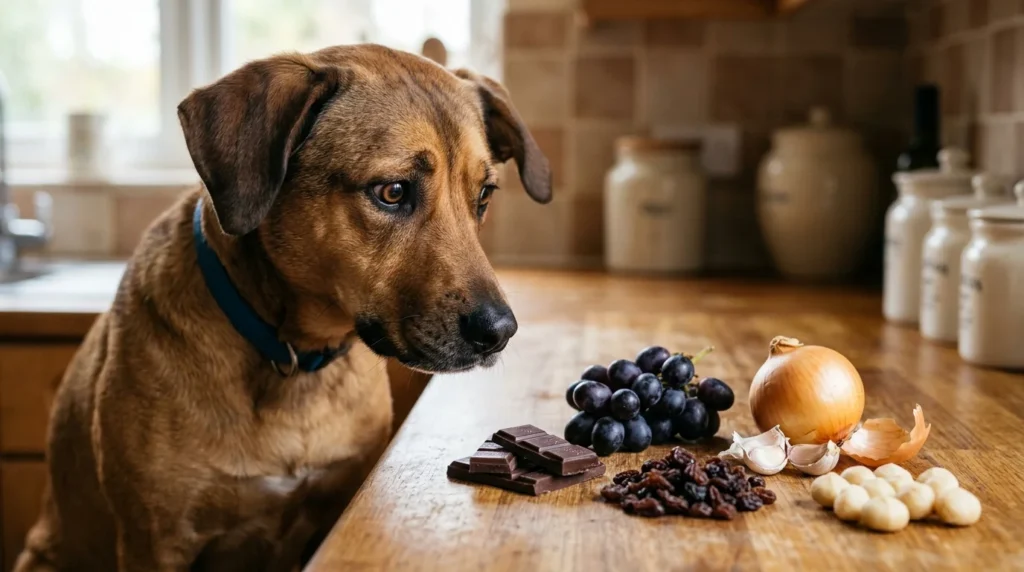
Seasoned human food can contain several ingredients that are unsuitable for dogs. Onion and garlic are especially important to avoid, while excessive salt, spicy peppers, sauces, and rich fats can also cause problems.
When sharing an appropriate food with your dog, set aside their portion before adding seasonings. Plain preparation makes it easier to control ingredients and avoid accidentally feeding something harmful.
Can Dogs Eat Moldy or Spoiled Food?
Dogs should never be intentionally fed moldy or spoiled food. Certain molds can produce toxins that cause serious neurological and gastrointestinal problems in dogs. Spoiled food can also contain harmful bacteria.
Keep garbage, compost, and old leftovers securely away from your dog. If your dog eats moldy food and develops vomiting, agitation, tremors, seizures, weakness, or unusual behavior, seek veterinary care promptly.
Can Dogs Eat Food From the Garbage?
Garbage can contain a mixture of dangerous foods, spoiled ingredients, bones, packaging, and other objects. A dog that gets into the trash may consume several harmful substances at once, making it difficult to determine the exact risk.
Use secure garbage containers and avoid leaving food waste where your dog can reach it. If your dog has eaten from the garbage, identify what may have been consumed and contact your veterinarian if there is any concern about toxic foods or swallowed objects.
Can Dogs Eat Human Leftovers?
Some plain leftovers may be suitable for dogs, but many human meals contain ingredients that are not appropriate for pets. Rich sauces, spices, onion, garlic, excessive salt, fatty meat, and bones are common problems.
Do not assume that a food is safe simply because your dog has eaten it before without an obvious reaction. If you want to share leftovers, check every ingredient and offer only a small amount of food that is known to be safe.
What Should I Do If My Dog Eats a Toxic Food?
If your dog eats a food that may be toxic, stay calm and determine what food was consumed, how much was eaten, and approximately when it happened. Keep the packaging or ingredient information available for your veterinarian.
Do not induce vomiting or give medications or home remedies unless a veterinary professional specifically instructs you to do so. For foods such as xylitol, grapes, raisins, chocolate, or large quantities of certain toxic ingredients, prompt veterinary advice is especially important.
Frequently Asked Questions
What foods can dogs not eat?
Important foods to keep away from dogs include chocolate, grapes, raisins, onions, garlic, xylitol, alcohol, caffeine, macadamia nuts, and raw yeast dough. Cooked bones, moldy food, and heavily fatty or salty foods can also cause serious problems.
What is the most toxic food for dogs?
There is no single food that is equally dangerous in every situation because toxicity depends on the substance, amount consumed, and dog’s size. Xylitol, chocolate, grapes and raisins, and certain other foods can cause serious or life-threatening problems.
Can dogs eat human food?
Some human foods are safe for dogs when prepared plainly and given in moderation. However, human meals often contain ingredients such as onion, garlic, excessive salt, spices, or rich fats that are unsuitable for dogs.
What should I do if my dog eats something toxic?
Contact your veterinarian or an emergency veterinary service promptly. Tell them what your dog ate, how much was consumed, and when it happened. Do not induce vomiting unless instructed by a veterinary professional.
Can dogs eat leftovers?
Some plain leftovers may be safe, but seasoned, fatty, salty, or bone-containing leftovers can be dangerous. Check the ingredients carefully before giving any human food to your dog.
Conclusion
Dogs cannot safely eat many foods that people commonly enjoy. Chocolate, grapes, raisins, onions, garlic, xylitol, alcohol, caffeine, macadamia nuts, and raw yeast dough are among the foods that should be kept completely away from dogs. Other foods, including fatty, salty, moldy, heavily seasoned, or bone-containing foods, can also cause serious problems.
The safest approach is to give your dog a complete and balanced diet and choose dog-safe treats when you want to offer something extra. If your dog accidentally eats a potentially toxic food, do not wait for symptoms before seeking professional advice. Quickly identifying the food and amount consumed can help a veterinarian decide what care is needed.


