
Can Dogs Eat Walnuts? Risks, Symptoms & Safety Guide
If your dog just ate walnuts, read this first: Stay calm and work out what kind of walnut it was. If it was a black walnut or a mouldy walnut, call your vet or an emergency vet clinic right away, and do not wait for symptoms. If it was one or two fresh English walnuts and your dog seems fine, watch closely for vomiting, diarrhoea, tremors or wobbliness, and call your vet if anything looks off. Bring the walnut packaging or a photo of the nut if you can, and note how many your dog ate and when. Never try to make your dog vomit unless your vet tells you to.
Last updated: 14 October 2026
Can Dogs Eat Walnuts?
No. Dogs should not eat walnuts. One or two pieces of a fresh English walnut are unlikely to poison a healthy adult dog, but walnuts offer no benefit that safer treats cannot, and the risks run from stomach upset and pancreatitis to seizures from mouldy nuts. Black walnuts are toxic and always need a vet call.
That short answer surprises some owners, because walnuts are healthy for people. They are rich in omega-3 fats, vitamin E, magnesium and antioxidants for us. The problem is that a dog's gut, pancreas and nervous system react differently, and walnuts carry three separate dangers that most other nuts do not combine: very high fat, a toxin called juglone in black walnuts, and a fast-growing mould that produces nerve poisons. PetMD puts it plainly: English walnuts are generally safe only in very small portions, while black walnuts are toxic and should never be fed to dogs.
So the rule for your kitchen is simple. Do not feed walnuts on purpose, in any form. If your dog steals one, the next section tells you how urgent that is.
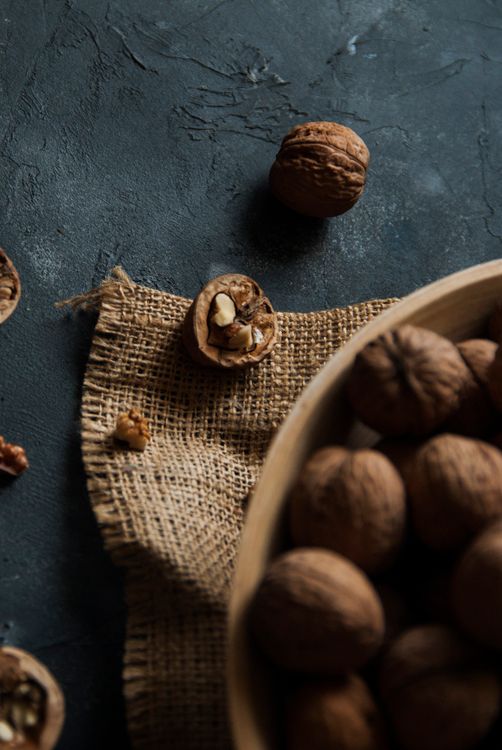
English vs Black vs Mouldy: Which Walnut Did Your Dog Eat?
Not all walnuts carry the same risk, and the type matters more than the number. Use this decision tree before you do anything else.
| Walnut type | What it is | Risk level | First move |
|---|---|---|---|
| Fresh English walnut | The pale, ridged walnut from the grocery store (Juglans regia) | Low to moderate: high fat, choking risk, possible stomach upset | Monitor closely, call your vet if symptoms appear |
| Black walnut | The dark, round nut from a black walnut tree (Juglans nigra), often found on the ground in yards | High: toxic juglone plus mould risk | Call your vet now, treat as an emergency |
| Mouldy walnut, any type | Any walnut with visible mould, a musty smell, dark spots or a soft shell | Emergency: tremorgenic mycotoxins that attack the nervous system | Emergency vet now, do not wait for symptoms |
| Walnut shell or hull | The hard shell, green husk or woody casing | Moderate to high: choking, mouth injury, intestinal blockage | Call your vet, watch for choking, retching or belly pain |
The ASPCA lists black walnut as toxic to dogs, and warns that mouldy nuts and hulls can cause tremors and seizures. That second part is the one most owners miss. A walnut that looks a little fuzzy or smells off is far more dangerous than a fresh one, because the mould on it can produce poisons called tremorgenic mycotoxins.
How to tell an English walnut from a black walnut
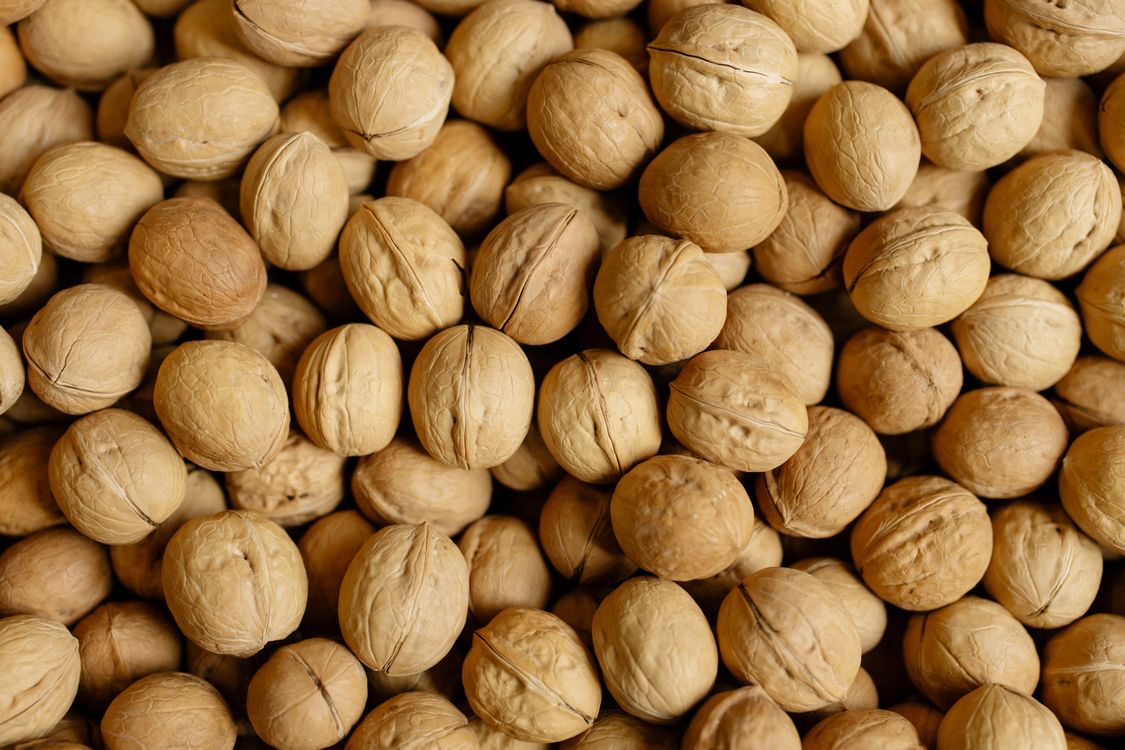
English walnuts are the ones you buy shelled in a bag or in the baking aisle. They are light tan, with a thin shell that cracks easily. Black walnuts grow on trees across much of North America, drop in autumn in thick green husks that stain hands brown, and have a very hard, dark, round shell. Dogs usually find black walnuts under trees, in yards, on walks, or in piles of fallen nuts. If your dog picked the nut up outside, assume it could be a black walnut or a mouldy one until your vet says otherwise.
My Dog Ate Walnuts: What to Do Now
Your response depends on three things: the type of walnut, how much your dog ate, and how big your dog is. Work through this triage table, then read the symptom timeline below.
| What happened | What to do |
|---|---|
| 1-2 fresh English walnut pieces, healthy adult dog | Watch for 24 hours. Offer water, feed a normal light meal, and call your vet if you see vomiting, diarrhoea, belly pain or wobbliness. |
| A handful or more of fresh English walnuts | Call your vet the same day, even if your dog looks fine. A large fatty meal can trigger pancreatitis, and small dogs are affected by smaller amounts. |
| Any black walnut, even one | Call your vet or an emergency clinic now. The AKC warns that juglone poisoning can worsen fast and in some cases can be fatal. |
| Any mouldy walnut, any amount | Emergency vet now. Mould toxins can cause tremors and seizures, and the sooner treatment starts, the better the outcome. |
| Walnut shells, husks or shavings | Call your vet. Watch for choking, gagging, drooling, pawing at the mouth, repeated vomiting or a swollen belly. Shells can cut the mouth or block the gut. |
| Walnuts inside baked goods | Check the other ingredients first. If the food also contained chocolate, xylitol, raisins or macadamia nuts, call your vet now. See the baked-goods table below. |
| Puppy, senior, tiny dog, or a dog with pancreatitis, diabetes or kidney disease | Call your vet in every case above, even for one fresh English walnut. These dogs have far less room for error. |
A few practical points while you wait. Keep your dog calm and indoors, and do not offer more food to "dilute" the walnuts. Save any remaining walnuts, shells or packaging so your vet can see exactly what was eaten. Write down the time your dog ate them and roughly how many. If your dog is shaking, seizing, struggling to breathe, collapsing or cannot stand, skip the phone queue and go straight to the nearest emergency vet.
If you cannot reach your own vet, the ASPCA Animal Poison Control line is (888) 426-4435. A consultation fee may apply, but they can tell you whether your dog needs emergency care.
Symptoms Timeline: What to Watch and When
Symptoms do not all arrive at once. Fat-related problems, mould poisoning and juglone toxicity run on different clocks, which is why a dog can look fine for hours and then get worse. This timeline covers the usual pattern. Any dog can break it, so keep watching even if the first hours pass quietly.
| When | What you may see | Likely cause |
|---|---|---|
| Minutes to a few hours | Vomiting, diarrhoea, drooling, loss of appetite, belly discomfort | Stomach upset from fat, or early juglone effects |
| First few hours | Tremors, muscle twitching, wobbliness, trouble walking, agitation | Tremorgenic mycotoxins from mouldy walnuts |
| First few hours | Seizures, high temperature, drooling, collapse | Severe mould poisoning or black walnut toxicity, emergency |
| 12 to 48 hours | Repeated vomiting, hunched back, belly pain, refusal to eat, lethargy, fever | Pancreatitis after a large fatty meal |
| Several days later | Yellowing gums or eyes, loss of appetite, dark urine, weakness | Liver damage from aflatoxin, the mould poison the AKC links to walnuts stored damp |
Two rules follow from this table. First, a quiet first hour does not mean your dog is safe, because pancreatitis and liver effects arrive later. Second, tremors or a seizure after walnuts are always an emergency, whatever the timing. Call your vet at the first sign of shaking, do not wait to see if it passes.
Why Walnuts Are Risky for Dogs
Walnuts are not one hazard but five stacked on top of each other. Understanding each one explains why vets land on a flat "do not feed" answer instead of a portion size.
1. Very high fat, and the pancreatitis link
Walnuts carry about 18 grams of fat per ounce, which makes them one of the fattiest foods a dog is likely to steal. A sudden fatty meal can inflame the pancreas, the organ that produces digestive enzymes. VCA Hospitals lists high-fat meals among the leading triggers of pancreatitis in dogs, and the classic signs are repeated vomiting, belly pain, a hunched back, loss of appetite and fever. Pancreatitis is painful, sometimes needs hospital care, and dogs that have had it once are more likely to get it again. Overweight dogs, Miniature Schnauzers and dogs with diabetes or high blood fats are at higher risk than most.
2. Juglone in black walnuts
Black walnuts contain juglone, a compound the tree uses to suppress other plants around it. The AKC warns that juglone can cause stomach upset, vomiting and diarrhoea in dogs, that symptoms can worsen quickly without treatment, and that in some cases juglone poisoning can be fatal. The nut, the green husk, the bark and even wood shavings from a black walnut tree all carry it, which is why dogs that chew bark or play with fallen nuts near these trees are also at risk.
3. Mould and tremorgenic mycotoxins
This is the danger most articles underplay. Walnuts grow mould easily, especially when they sit in damp yards, warm kitchens or open bags. Some of that mould produces penitrem A, a tremorgenic mycotoxin that attacks the nervous system. The AKC notes that mouldy walnuts may contain penitrem A, which can lead to muscle tremors, seizures and vomiting. The ASPCA's black walnut listing says the same in plainer terms: mouldy nuts and hulls can cause tremors and seizures. These signs can appear within a few hours, and they need emergency treatment, not home monitoring.
4. Aflatoxin, the quieter mould poison
A second mould poison, aflatoxin, comes from Aspergillus mould that grows on walnuts stored damp. The AKC warns that aflatoxin ingestion in dogs can cause decreased appetite, vomiting and even death. Unlike the tremor toxins, aflatoxin damage builds slowly and may only show days later as jaundice or weakness. This is one more reason to throw mouldy walnuts out rather than picking the mould off.
5. Choking, blockage and shell injuries
Whole walnuts are large, hard and round, which is a bad shape for a dog's throat. Shells are worse: they are sharp, splinter, and do not digest. A swallowed shell piece can cut the mouth or block the gut, or cause a blockage that needs surgery. Small dogs and puppies face the highest choking risk, but a greedy large dog that bolts food whole is not safe either.
Walnuts in Baked Goods: A Bigger Problem Than the Nut
Dogs rarely eat walnuts on their own. They eat them in banana bread, brownies, cookies, cakes and trail mix, where the other ingredients are often the real emergency. Check the label or recipe before you decide how worried to be.
| Food | Walnut risk | The bigger danger | Action |
|---|---|---|---|
| Banana bread with walnuts | Moderate: fat, sugar, walnuts | Chocolate chips if present | Call your vet if it contained chocolate or xylitol |
| Brownies or chocolate walnut cake | Moderate | Chocolate, which is toxic to dogs | Call your vet now, chocolate is the priority |
| Cookies with walnuts | Moderate | Chocolate chips, raisins, xylitol in "sugar-free" versions | Call your vet now if any of those are present |
| Baklava | Moderate | Honey, sugar, butter, pastry fat | Call your vet for a large portion, watch for pancreatitis signs |
| Trail mix | Moderate | Raisins, macadamia nuts and chocolate are all toxic to dogs | Call your vet now if the mix contained any of those |
| Walnut pesto or walnut sauce | Moderate | Garlic, onion, oil and salt | Call your vet, garlic and onion are toxic to dogs |
| Candied or honey-glazed walnuts | Moderate | Sugar coating, extra calories | Monitor, call your vet for a large amount |
If you are not sure what was in the food, call your vet and describe it as best you can. It is always better to make a five-minute call than to spend a night guessing.
Walnut Butter and Other Walnut Products
Walnut butter is not a safe swap for peanut butter. It is just as fatty as whole walnuts, and some commercial nut butters contain added sugar, salt, chocolate or the sweetener xylitol. Xylitol is extremely toxic to dogs and can drop blood sugar within minutes, so any nut butter must be checked ingredient by ingredient. Plain, xylitol-free peanut butter in small amounts is a far safer choice, and our guide to peanut butter for dogs covers how to pick a safe jar.
Walnut oil, walnut milk and walnut flour are not worth the risk either. The oil concentrates the fat, and the flour is often used in baking alongside sugar and chocolate. Walnut shells sold as pet bedding or litter are a separate hazard: dogs that chew them can swallow sharp pieces, and the ASPCA warns that ingesting walnut shavings can cause incoordination.
Which Dogs Are Most at Risk
Every dog should skip walnuts, but these dogs have the least margin:
- Puppies: still-developing digestion, small throats, and a habit of swallowing things whole. One walnut is a choking risk and a stomach upset in one package.
- Small and toy breeds: a couple of walnuts is a much larger dose relative to body weight, and blockage risk is higher.
- Dogs with a history of pancreatitis: a fatty meal can set off another attack.
- Overweight or diabetic dogs: extra fat and calories work directly against their management plan.
- Dogs on prescription diets: any off-plan food can undo a diet your vet set for a reason.
- Dogs with kidney or liver disease: less ability to clear toxins such as aflatoxin.
- Dogs that scavenge outdoors: fallen walnuts, compost piles and yard trees are the most common source of mouldy walnuts, and the mould is often invisible at a glance.
If your dog falls into any of these groups, call your vet after any walnut exposure, even one fresh English walnut. Do not wait for symptoms.
How to Keep Walnuts Away From Your Dog
Prevention is mostly storage and yard work.
- Keep walnuts in sealed containers in a closed cupboard, not in open bowls or low pantry shelves. Dogs are good at counter-surfing and better at smelling nuts through thin bags.
- Throw mouldy walnuts straight into a sealed bin, not an open compost pile. Compost is a classic source of mould poisoning in dogs.
- In autumn, clear fallen walnuts from your yard quickly, especially under black walnut trees. Rake the husks too, since dogs chew those as well.
- If you have a black walnut tree, fence off the drop zone during nut season, or pick up nuts daily. Watch for staining on your dog's mouth or paws, which hints at husk chewing.
- At holidays and bake sales, keep plates of brownies, cookies and trail mix off coffee tables and out of reach. Guests often do not know which foods are dangerous.
- Teach a solid "leave it" and "drop it". It is the fastest way to stop a dog that has just picked up a fallen walnut on a walk.
Safer Treats Instead of Walnuts
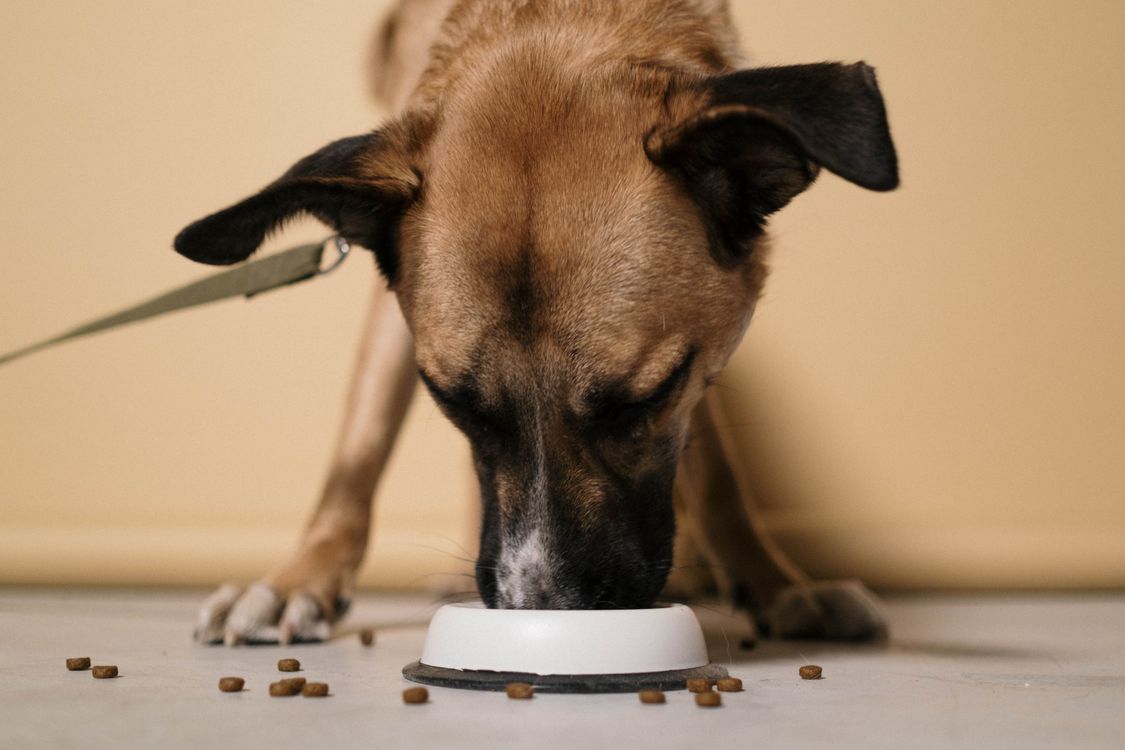
Your dog is not missing out. Walnuts bring nothing a dog cannot get from a balanced diet plus safer treats, and most dogs enjoy these far more.
| Instead of walnuts | Why it is better |
|---|---|
| Plain xylitol-free peanut butter, a teaspoon at a time | Nutty flavour dogs love, without juglone or mould toxins, and you control the portion |
| Blueberries, apple slices (seeds removed), carrot sticks | Low fat, crunchy, and genuinely useful nutrients |
| Plain cooked pumpkin | Gentle on the stomach and useful for firming up loose stools |
| Small pieces of plain cooked chicken | High-value training treat with none of the walnut risks |
If your dog likes nuts specifically, keep it to the safer end of the nut family. Plain shelled peanuts in small amounts are the usual vet-approved choice. Our guides to peanuts for dogs, cashews for dogs and almonds for dogs cover portions and risks for each.
What about other nuts? Here is the quick map, so one article answers the whole question.
| Nut | Verdict for dogs |
|---|---|
| Macadamia nuts | Toxic, never feed. Our macadamia guide covers symptoms and emergency steps. |
| Black walnuts | Toxic, never feed. |
| English walnuts | Avoid. Not acutely toxic when fresh, but fatty, mould-prone and a choking risk. |
| Pecans | Avoid. Not classed as toxic, but they go mouldy easily and are high in fat. |
| Almonds | Not toxic, but hard to digest and a choking risk, so most vets say skip them. |
| Cashews | Plain, unsalted cashews in small amounts are generally fine. |
| Pistachios | Plain, unsalted pistachios in small amounts are generally fine. |
| Peanuts | Plain, shelled, unsalted peanuts in small amounts are generally fine. |
One warning covers the whole table: mixed nuts and trail mix are never safe to share, because a single handful can hide macadamias, raisins, chocolate or xylitol alongside the safe ones.
Frequently Asked Questions
What nut is toxic to dogs?
Macadamia nuts are the best-known toxic nut for dogs, and black walnuts are toxic too. Both need a vet call if eaten. Chocolate, raisins, grapes and xylitol are the other common toxic foods that turn up in nut mixes and baked goods, so check the whole ingredient list, not just the nut.
Can dogs eat walnuts or almonds?
Neither is a good choice. English walnuts are fatty, mould-prone and a choking risk, and black walnuts are toxic. Almonds are not toxic, but they are hard for dogs to digest and can lodge in the throat or gut. If you want a nutty treat, plain xylitol-free peanut butter in a small amount is the safer option.
My dog ate walnuts, will he be OK?
It depends on the type and amount. One or two fresh English walnuts usually cause nothing worse than mild stomach upset in a healthy adult dog, but black or mouldy walnuts can cause serious poisoning, and a large amount of any walnut can trigger pancreatitis. Call your vet if it was a black or mouldy walnut, if your dog ate a lot, or if you see vomiting, diarrhoea, tremors or weakness.
How many walnuts are toxic to dogs?
There is no safe number, because the risk depends on the walnut type, the dog's size and the dog's health. A couple of fresh English walnuts may only upset a large dog's stomach, while one mouldy walnut or one black walnut can be an emergency for any dog. Small dogs reach a dangerous dose with far fewer nuts. The safe amount to feed on purpose is zero.
Can dogs eat walnuts in banana bread?
The walnuts are only part of the problem. Banana bread often contains sugar, butter and sometimes chocolate chips, and "sugar-free" versions can contain xylitol, which is extremely toxic to dogs. If your dog ate banana bread with walnuts, check the recipe for chocolate, raisins and xylitol, and call your vet if any are present or if your dog ate a large portion.
What is the number one food that is toxic to dogs?
There is no single winner, but chocolate, xylitol, grapes and raisins, macadamia nuts, onions and garlic are the foods vets see most often in poisoning cases. Walnuts sit one step below that group for most dogs, but black walnuts and mouldy walnuts belong in the emergency category with them. Our what can dogs eat hub lists the full safe and toxic food map.
Can puppies eat walnuts?
No. Puppies have developing digestion, small throats and a habit of swallowing food whole, so walnuts are a choking risk and a stomach upset in one package. Puppies are also more vulnerable to dehydration from vomiting or diarrhoea. Keep walnuts and all nuts out of a puppy's reach.
Bottom Line
Walnuts are not a treat worth the risk. Fresh English walnuts are fatty and easy to choke on, black walnuts are toxic, and mouldy walnuts of any type can cause tremors and seizures. The safest amount to feed is none, and the safest response to an accident is to identify the walnut type, check the amount, and call your vet whenever black or mouldy walnuts are involved. Keep walnuts stored high, clear fallen nuts from your yard, and reach for blueberries, carrots or a spoonful of safe peanut butter instead.
Sources
- PetMD, Can Dogs Eat Walnuts, reviewed by Sandra Mitchell, DVM
- AKC, Can Dogs Eat Walnuts
- ASPCA, Toxic and Non-Toxic Plants: Black Walnut
- VCA Hospitals, Pancreatitis in Dogs
- ASPCA Animal Poison Control, (888) 426-4435
This article is for information only and is not a substitute for veterinary advice. If your dog has eaten walnuts and you are worried, contact your veterinarian or an emergency clinic.


One Comment