

Can Dogs Eat Papaya? Benefits, Risks & Safe Feeding Guide
Last updated: 14 October 2026
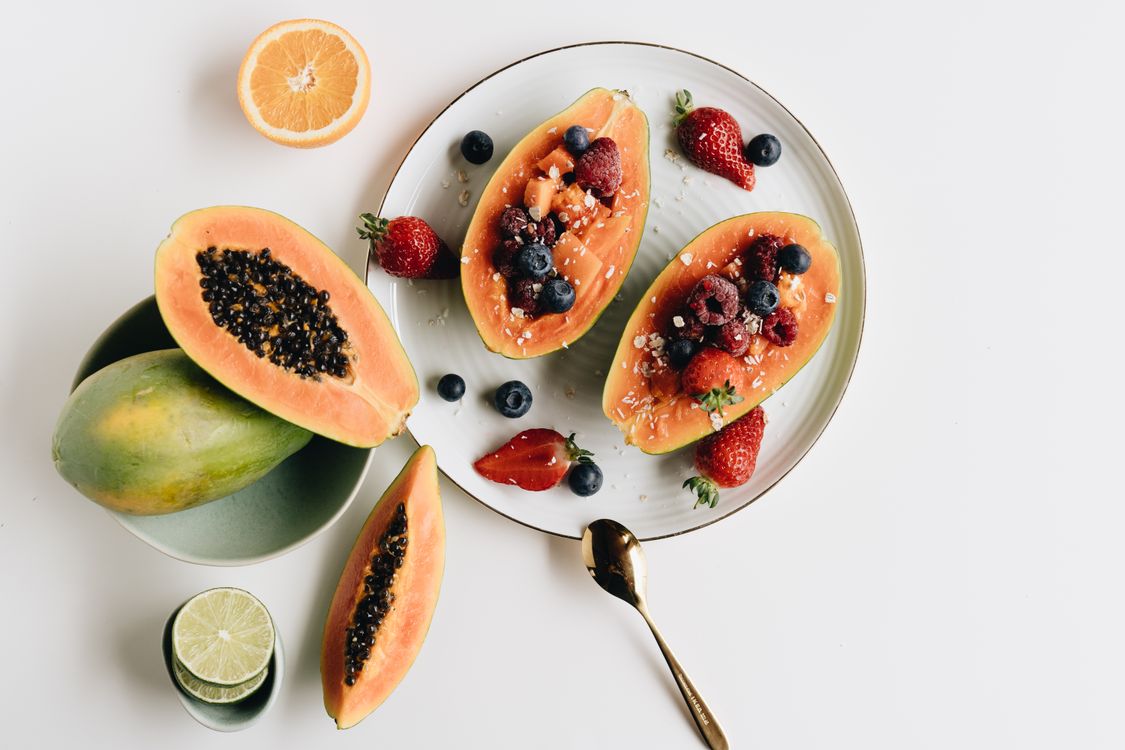
Yes, dogs can eat ripe papaya. The soft orange flesh is safe in small amounts as an occasional treat, and it brings vitamins A, C, and E, fibre, and the enzyme papain. Peel it, scoop out every seed, and cut it into small pieces first. Skin, seeds, unripe fruit, and sweetened dried papaya stay off the menu. For another tropical fruit that also needs peeling first, see dragon fruit for dogs.
Papaya at a Glance: What Is Safe and What to Skip
If your dog is staring at your papaya right now, this table gives you the short version. The rest of the guide explains the why behind each row.
| Part or form | Safe for dogs? | Notes |
|---|---|---|
| Ripe fresh flesh | Yes, in small amounts | Peel, deseed, cut small |
| Skin | No | Tough, hard to digest, choking risk |
| Seeds | No | Hard, bitter, irritate the gut |
| Unripe (green) papaya | Skip | Hard, tougher to digest, more milky sap |
| Dried papaya, sweetened | Skip | Concentrated sugar, often added sugar or preservatives |
| Dried papaya, unsweetened | Tiny amount only | Still sugar-dense; fresh is better |
| Frozen plain cubes | Yes, with care | Cut small, supervise chewing |
| Papaya with plain yogurt | Yes, if tolerated | Plain unsweetened yogurt only, no xylitol |
How Much Papaya Can Dogs Eat?
A healthy adult dog only needs a few small cubes, once or twice a week. Start with one or two pieces the first time and watch for loose stools over the next day. Treats like papaya should stay a small share of daily calories, so a couple of cubes is plenty for a small dog.
PetMD’s portion guide for papaya works from the same idea: start with a bite or two, then stay inside a small daily ceiling based on your dog’s size. The gram figures below are approximate conversions from PetMD’s piece and spoon measures, using one teaspoon of diced papaya as roughly 5 g, one tablespoon as roughly 15 g, and a quarter cup as roughly 60 g.
| Dog size | Weight | Papaya per serving | In grams (approx.) |
|---|---|---|---|
| Extra-small | Under 20 lb (under 9 kg) | 1 to 2 small pieces | Under 5 g |
| Small | 21 to 30 lb (9 to 14 kg) | 3 to 4 small pieces | About 5 g |
| Medium | 31 to 50 lb (14 to 23 kg) | 5 to 6 small pieces | About 15 to 30 g |
| Large | 51 to 90 lb (23 to 41 kg) | 7 to 8 small pieces | About 30 g |
| Extra-large | Over 90 lb (over 41 kg) | Up to 10 small pieces | Up to about 60 g |
Puppies get a single tiny piece at most, and only once you know their stomach handles it. Dogs with diabetes or sensitive stomachs should only get papaya after a word with your vet, and dogs on a prescription diet should skip people food unless the vet says otherwise.
Why Papaya Can Be Good for Dogs
Papaya earns its place as a treat because it packs vitamins A, C, and E, potassium, and fibre into very few calories. It also contains papain, an enzyme that breaks down protein and may help digestion. A few cubes are a bonus on a balanced diet, not a treatment for joint pain or gut trouble.
PetMD notes that papaya is rich in vitamins A and C, potassium, and fibre, and that those nutrients can support the immune system and healthy digestion. The same guide points to papain’s anti-inflammatory properties as a possible help for dogs with joint pain or arthritis. That is a fair reason to like papaya, but keep it in proportion. A few cubes of fruit are not a dose of medicine, and a papain supplement is a different product from the fruit. If your dog has arthritis, the vet’s plan comes first and papaya stays a treat.
The fibre in papaya can help keep digestion regular in a healthy dog. It is the same fibre that causes trouble in big servings, though, so the portion table above matters more than the nutrient list. Papaya also brings antioxidants, which help protect cells, and its high water content makes it a light, hydrating snack on a warm day.
Papaya Skin: Why It Stays Off the Plate
No. Papaya skin is tough, fibrous, and hard for a dog to digest. Swallowed pieces can irritate the gut, and a large chunk can lodge in the throat or gut, which is a real risk for small dogs. Peeling takes seconds and removes the problem, so always peel before you share.
The skin is the part most likely to cause a scare. A dog that grabs a strip of peel off the counter may chew it into a stringy piece that sticks in the throat or passes through in one uncomfortable lump. Small dogs face the highest risk because their throats and guts are narrow. If your dog does swallow a piece of skin, watch them closely for retching, drooling, pawing at the mouth, vomiting, or straining. Most small pieces pass with nothing worse than a soft stool, but call your vet if any of those signs show up or drag on.
Papaya Seeds: Why They Stay Off the Plate
No. Papaya seeds are hard, bitter, and built to pass through a gut intact, so they can irritate a dog’s stomach and they are a choking risk for small dogs. Scoop them all out before serving. If your dog swallows a few by accident, watch for an upset stomach and call your vet if vomiting or diarrhoea keeps going.
PetMD’s preparation advice is plain: remove the skin and seeds from ripe papaya before feeding, because both are difficult for a dog to digest and will cause an upset stomach. The seeds sit in a soft cavity in the middle of the fruit, so they come out easily with a spoon. Do not be tempted to leave a few in because they look harmless. They add nothing your dog needs, and a dog that crunches a mouthful of them may end up with a sore stomach for the rest of the day.
If your dog eats a few seeds, there is no need to panic. A small accidental mouthful is a stomach-upset problem, not a poisoning emergency. Offer water, skip the next treat, and watch for vomiting or diarrhoea. Call your vet if your dog ate a large number of seeds, or if vomiting, diarrhoea, weakness, or belly pain keeps going.
Ripe vs Unripe Papaya
Ripe papaya only. A ripe papaya gives slightly under your thumb, smells sweet, and shows deep orange flesh when cut. Green, unripe papaya is hard, pale, and much tougher to digest, and its milky sap can bother a sensitive stomach. If the fruit still feels rock hard, let it ripen on the counter for a few days.
You can spot a ripe papaya without cutting it. Look for skin that has turned from green to yellow-orange, with a sweet smell near the stem end. The flesh inside should be soft enough to dent with a gentle thumb press, like a ripe avocado. A green papaya from the shop will ripen on the counter in a few days. Once it is ripe, use it within a day or two, since papaya softens fast. If you are unsure whether a papaya is ripe enough, it is better to wait than to serve a hard, green one.
Fresh vs Dried vs Frozen Papaya
Fresh wins. Fresh ripe flesh has the most water and the least sugar per bite. Dried papaya is the same fruit with the water removed, so sugar and calories pile up fast, and most shop-bought dried papaya adds sugar or preservatives. Plain frozen cubes are fine as a cool treat if you cut them small and watch your dog chew.
Dried papaya deserves a closer look because it shows up in trail mix and snack bags. A small piece of unsweetened dried papaya is not dangerous, but it is easy to overfeed. Without water, the fruit’s natural sugar is packed into a much smaller piece, so a dog can eat the sugar of half a papaya in a few chews. Most dried papaya on shop shelves is sweetened, candied, or treated with preservatives, and those versions are not worth it. Fresh papaya gives your dog the same nutrients with far less sugar per bite.
Frozen papaya is a good warm-weather option. Peel, deseed, and cube the fruit first, then freeze the cubes on a tray. Offer one or two cubes and stay nearby while your dog chews, since a frozen chunk is a choking risk for a dog that gulps. Skip frozen papaya products with added sugar, syrup, or flavourings.
For another tropical fruit with the same fresh, dried and frozen rules, see our guide to whether dogs can eat mango.
Papaya and Dogs With Health Conditions
Most healthy dogs handle a few cubes with no trouble, but three groups need extra care: dogs with diabetes, dogs with sensitive stomachs, and puppies. Papaya carries natural sugar, so a diabetic dog should only get it if your vet agrees. Sensitive stomachs and puppies should start with a single small piece and a full day of watching.
Dogs with diabetes need the most care. Papaya is not the sweetest fruit, but it still adds sugar, and sugar adds up across a day of treats. The AKC’s general fruit guidance makes the same point for high-sugar fruits like cantaloupe: share in moderation, and be extra careful with dogs who are overweight or diabetic. If your vet has set a treat plan for your dog, follow that plan and ask before adding papaya.
Puppies can have a tiny piece of ripe papaya once they are eating solid food well, but their main nutrition must come from a complete puppy food. A puppy’s gut is still learning, so even a healthy fruit can mean a runny stool. One small cube, then a day of watching, is the right pace.
Dogs with sensitive stomachs should get the same slow start. If a small piece causes gas or soft stools, papaya is not the treat for that dog, and there are gentler options among the fruits dogs can eat.
How to Serve Papaya to Your Dog
- Pick a ripe papaya that gives slightly under your thumb and smells sweet.
- Wash the outside, then cut the fruit in half lengthways.
- Scoop out all the seeds with a spoon and drop them in the bin.
- Peel the skin away from the flesh.
- Cut the flesh into small, bite-sized cubes for your dog’s size.
- Offer one or two cubes first. If all is well after a day, serve a portion from the table above.
- Store leftover papaya covered in the fridge and use it within two days.
For a little variety, you can mix a few cubes into plain, unsweetened yogurt, as long as your dog tolerates dairy and the yogurt has no xylitol or added sugar. Our guide to yogurt for dogs covers which kinds are safe. Keep the papaya as the treat and the yogurt as a spoonful on top, not a bowlful.
What If Your Dog Eats Papaya Skin, Seeds, or Too Much?
Stay calm. Ripe papaya flesh is not toxic, so a few extra cubes usually mean nothing worse than soft stools. Skin or a mouthful of seeds is more likely to cause vomiting or diarrhoea. Call your vet if symptoms last more than a day, or if your dog seems weak, in pain, or blocked after a large piece of skin.
Watch for these signs after a papaya incident:
| Sign | What it may mean | What to do |
|---|---|---|
| Soft stool or mild diarrhoea | Too much fruit, or a sensitive stomach | Skip treats, offer water, watch for a day |
| Vomiting once | Gut irritation from skin, seeds, or overeating | Withhold food briefly, then a small bland meal |
| Repeated vomiting or severe diarrhoea | Strong gut reaction | Call your vet the same day |
| Retching, drooling, pawing at the mouth | Piece stuck in throat | Call your vet or emergency clinic at once |
| Straining, no stool, swollen belly | Possible blockage after skin | Emergency vet visit |
A dog that ate a whole papaya, skin and all, needs a vet call even if they look fine at first. Large pieces of skin can block the gut, and a blockage can take hours to show. Do not wait for symptoms if your dog swallowed a big piece of peel.
Frequently Asked Questions
How much papaya can a dog eat?
A few small cubes, once or twice a week, is enough. Use the portion table above for your dog’s size, and start with one or two pieces the first time. Too much papaya can mean loose stools, so smaller is better.
Can dogs eat raw papaya?
Yes, if it is ripe. Ripe raw papaya is the best way to serve it. Green, unripe raw papaya is hard and tough to digest, so let it ripen first or skip it.
Can dogs eat papaya every day?
No. Papaya works as an occasional treat, not a daily habit. Daily fruit adds sugar and calories that a balanced dog food already covers, and it can crowd out proper nutrition.
Are any fruits toxic to dogs?
Yes. Grapes and raisins are highly toxic to dogs and can cause sudden kidney failure, so keep them far away. Cherry pits, avocado skin and pit, and citrus peels are also unsafe. Papaya sits on the safe side of that line, as long as you serve the flesh only. If your dog ever eats grapes, call your vet at once, since that is an emergency.
What foods stop diarrhoea fast in dogs?
No food stops diarrhoea fast, and papaya is not a diarrhoea treatment. Its fibre can make loose stools worse. For a mild bout, vets often suggest a short bland diet of plain boiled chicken and white rice, then a return to normal food. Call your vet if diarrhoea lasts more than a day, contains blood, or comes with vomiting, weakness, or belly pain.
Why do dogs love papaya?
Most dogs that like papaya go for the sweet smell and the soft, juicy texture. Papaya is naturally sweet without being as sugary as some fruits, and its soft flesh is easy to chew. Some dogs will still turn their nose up at it, and that is fine. Never force a new food on a dog that is not interested.
Sources
PetMD’s guide to papaya for dogs covers safe preparation, the weight-based portion guide, and the need to remove skin and seeds before serving. The AKC’s guide to fruits and vegetables dogs can and cannot eat sets out the general rule that fruit is an occasional treat in moderation, lists grapes and raisins among the fruits to avoid, and advises removing seeds and pits from fruit before sharing.
This guide is for information only and is not a substitute for veterinary advice. If your dog has a health condition, takes medication, or eats a prescription diet, check with your vet before adding papaya or any new food.


