

Can Dogs Eat Kiwi? Benefits, Risks, Serving Size & Safety Guide
Last updated: 9 November 2026
Yes, dogs can eat kiwi, as long as it is peeled, cut into small pieces, and given as an occasional treat in a portion matched to the dog’s size.
Kiwi looks like a simple yes or no question, but the real answer sits in the parts. The soft green flesh is fine. The fuzzy skin is not worth the trouble, the woody stem ends should be cut away, and the tiny black seeds are the one part most owners argue about. This guide starts with the part by part verdict, then compares green, golden and kiwi berries, sets out portions by dog size, and names the dried and flavoured products to skip. For the full picture of safe and unsafe foods, see our guide to what dogs can eat, and for fruit choices in one place, see what fruits dogs can eat.
Which parts of a kiwi can your dog eat?
Every part of a kiwi behaves differently in a dog’s gut, so judge the fruit piece by piece. The table is the short version, the detail underneath explains each call.
| Part of the kiwi | Verdict | Why |
|---|---|---|
| Soft flesh | Yes, peeled and diced | Not toxic, easy to chew, and the only part worth feeding |
| Fuzzy skin | No, peel it off | Not toxic, but tough, hard to digest, and a choking and blockage risk |
| Tiny black seeds | Yes, leave them in | Not toxic and too small to choke on or block the gut |
| Woody stem ends | No, cut them off | Hard and dense, so they are a choking hazard and hard to digest |
| Whole kiwi, unpeeled | No, never | A large dog can swallow one whole and it can lodge in the throat or gut |
The flesh is the easy yes. PetMD describes peeled, diced kiwi as safe in small amounts, and the American Kennel Club agrees, with preparation and moderation as the two conditions. Kiwi flesh brings vitamin C, fibre and potassium, and PetMD calls it a nutrient dense fruit. Dogs make their own vitamin C, though, so treat the vitamins as a bonus rather than a reason to feed kiwi. The fruit is a pleasant extra, never a nutritional need.
The skin is where most owners slip up, because it is not poisonous and some dogs will happily eat it. The AKC explains that the skin is tough and packed with insoluble fibre, the roughage kind that speeds food through the gut, and that is exactly why it causes trouble. PetMD agrees, calling it hard to digest and a likely cause of gas and stomach discomfort. A big dog that gulps a whole unpeeled kiwi faces the worst version of this, since the AKC warns a large breed can swallow one in a single bite and it can lodge in the throat and block the airway.
The seeds cause the most confusion, because different sites give opposite advice. The vet sources settle it. PetMD states plainly that kiwi seeds are not toxic, and that the tiny black seeds are small enough that they should not cause choking or blockages. Pulling dozens of pinhead seeds out of a diced kiwi is fiddly work with no safety payoff, so leave them in. The one honest caveat is volume. A dog that eats a lot of kiwi in one sitting takes in a lot of seeds along with a lot of fibre, which can add to stomach upset, one more reason portions stay small.
The stem ends are easy to forget. The hard nub at the top and bottom of the fruit is woody and dense, nothing like the soft flesh around it. Slice both ends off with the peel and throw them away. They are a choking hazard in a small dog and a pointless lump for a large one to pass.
Green, golden or kiwi berries: does the type matter?
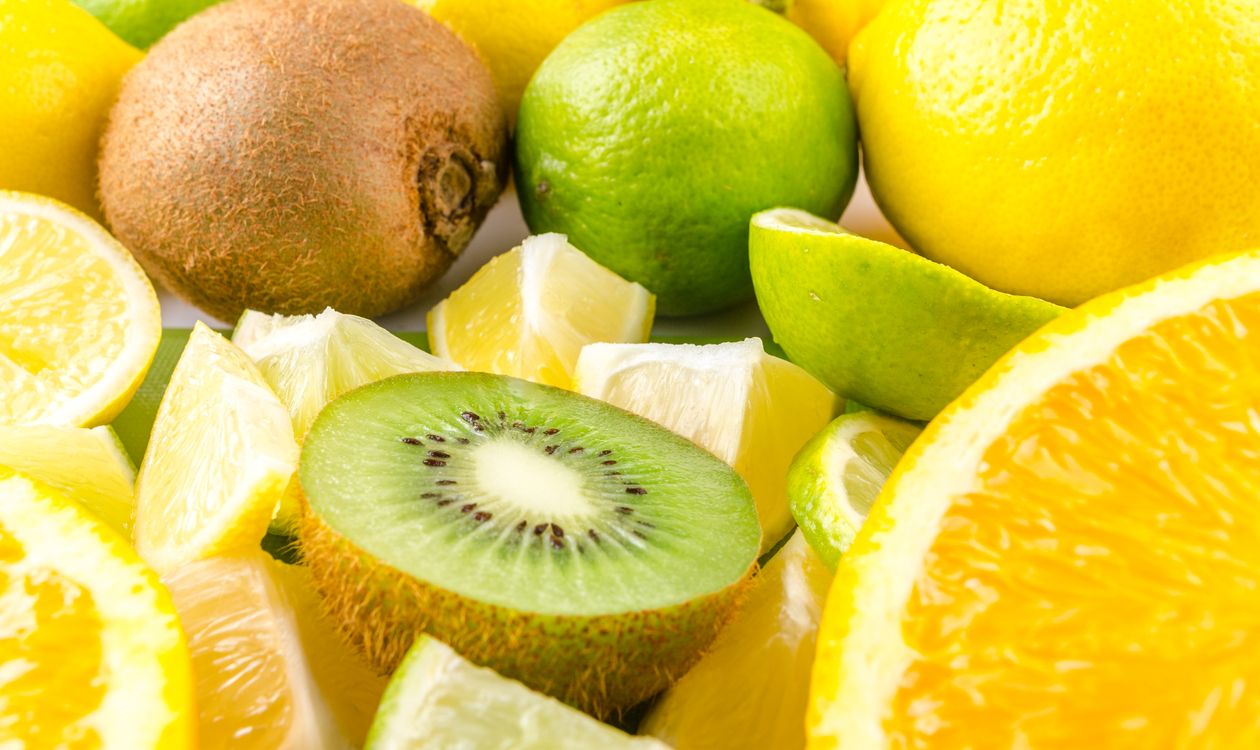
Three kinds of kiwi reach the shops. Green is the familiar fuzzy one, golden is the smooth skinned yellow one sold as gold or SunGold, and kiwi berries are the grape sized cousins with smooth edible skin. All three are safe in the same small portions, but preparation is not identical.
| Type | Peel or not | Taste and texture | What to watch |
|---|---|---|---|
| Green kiwi (Hayward) | Peel it | Tart, tangy, firm flesh | Toughest skin of the three, so peel carefully and dice small |
| Golden kiwi (SunGold) | Peel it | Sweeter, less acidic, softer flesh | Same peel and dice rules, but sweeter, so stricter portions for dogs watching weight or sugar |
| Kiwi berries | No peeling needed | Small, soft, grape sized, smooth thin skin | Skin is edible, but halve each berry so a greedy dog cannot gulp it whole |
Green kiwi is the one most guides describe, and it is the tartest of the three. Its skin is the roughest, its flesh the firmest, and its flavour the sharpest, which is why some dogs turn their nose up at it while others love it. If your dog has never tried kiwi, green is the honest starting point, since it is the cheapest and easiest to find.
Golden kiwi, often sold as SunGold, is the sweeter cousin, with smooth, thin skin, yellow flesh, and much less of the tang that puts dogs off green kiwi. The feeding rules do not change, peel it and dice it just the same, but the extra sweetness matters. Dogs with diabetes should get less of it or none at all, and overweight dogs should count it as a richer treat. There is one small upside for sensitive stomachs. Golden kiwi carries lower actinidin levels than green kiwi, so a dog that finds green too sharp may tolerate a small piece of golden better. Still start with one piece and watch.
Kiwi berries look like a different fruit altogether, about the size of a grape, with smooth, thin, edible skin and the same green flesh and tiny seeds inside. Because the skin is thin and soft, you do not need to peel them, which makes them the easiest of the three to serve. Cut each berry in half before offering it, since a whole berry is exactly the right size for a small dog to gulp and choke on. The portion rules stay the same. A few halved berries are a treat, a handful is too many.
How much kiwi can my dog eat?
A healthy adult dog can have a few small pieces of peeled, diced kiwi a few times a week, inside the 10 percent treat allowance, matched to body weight. PetMD sets out portion bands by weight, the most careful numbers any vet source publishes for this fruit, so this guide follows them. The table below uses teaspoon sized pieces so the amounts are easy to picture.
| Dog size | Weight | Peeled, diced kiwi per serving | How often |
|---|---|---|---|
| Extra small | 2 to 20 pounds | 1 to 2 small pieces, about 1 teaspoon in total | 2 to 3 times a week |
| Small | 21 to 30 pounds | Up to 4 teaspoon sized pieces | 2 to 3 times a week |
| Medium | 31 to 50 pounds | Up to 6 teaspoon sized pieces | 2 to 3 times a week |
| Large | 51 to 90 pounds | Up to 8 teaspoon sized pieces | 2 to 3 times a week |
| Extra large | 91 pounds and over | Up to 10 teaspoon sized pieces | 2 to 3 times a week |
These are maximums for healthy adult dogs, not daily targets. Less is always fine, and most dogs are perfectly happy with half the amount in the table. The old version of this guide gave its own portion bands in cubes and half fruits, and those were generous next to PetMD. A giant dog was allowed up to half a kiwi, far more than ten teaspoon sized pieces, so this refresh tightens the numbers to the vet source.
Two rules sit above the table. First, all treats combined, kiwi included, should stay under 10 percent of your dog’s daily calories. The AKC uses that figure for every treat, and it is the simplest way to keep a sweet fruit from quietly adding weight. Second, the first taste is always a single small piece, whatever the dog’s size. Give one piece, wait 24 to 48 hours, and only then offer a full portion.
For comparison, strawberries are more forgiving to start with, lower in sugar and well tolerated. Blueberries are the easiest of all, needing no peeling or cutting, with one berry already a sensible portion for a small dog.
How to prepare kiwi for your dog
Preparation is the whole safety story with kiwi. The fruit is safe, the form is what hurts, so follow the same six steps every time.
- Pick a ripe fruit. It should give slightly when pressed gently, with no soft spots or mould. An unripe kiwi is hard, sour, and more likely to upset a stomach.
- Wash it well. Rinse the skin under running water and rub it clean, since pesticide residue and dirt sit on the fuzzy surface.
- Cut off both ends. Slice away the hard stem nub at the top and bottom, then peel the skin off. It is not toxic, but it is tough and hard to digest, so it goes in the bin.
- Dice the flesh small. Cut it into teaspoon sized pieces, smaller for toy breeds. Never hand a dog a whole kiwi or a thick round slice, since both can be gulped and lodged.
- Start with one piece. Offer a single piece the first time, then watch for 24 to 48 hours before giving a full portion, looking for loose stools, gas, vomiting, or itching.
- Serve it plain. No sugar, no honey, no cream, no yoghurt topping. Fresh, peeled, diced kiwi on its own is the treat.
One habit makes all of this easier. Peel and dice the kiwi at the same time you prepare your own, and put the dog’s pieces in a separate small bowl before you add anything to yours. That way the dog never gets a piece that has touched sugar, cream, or a flavoured topping by accident. Dragon fruit works the same way, with the thick skin removed and only the soft flesh diced and served.
The actinidin question: why kiwi can tingle and upset stomachs
Kiwi contains an enzyme called actinidin, a cysteine protease that breaks down protein, from the same family as papain in papaya and bromelain in pineapple. That is why kiwi can tenderise meat and curdle milk, and why it gives many people a familiar tingle on the tongue. Actinidin is also the main allergen in kiwifruit.
What does that mean for a dog? There are no published studies testing actinidin on dogs, so nobody can give you a dog specific dose or threshold, and this guide will not pretend otherwise. Honestly, the enzyme is one more reason kiwi suits small portions and ripe fruit. A sensitive stomach copes better with a couple of small pieces of ripe, peeled kiwi than with a large serving of firm, unripe fruit, where enzyme and acid are both at their sharpest. Golden kiwi carries lower actinidin activity than green kiwi, so a dog that finds green too sharp may tolerate golden better.
Watch the first serving. Mild lip licking, a bit of gas, or one loose stool after a first taste usually settles on its own if you stop feeding kiwi. Swelling of the lips or face, repeated vomiting, hives, or trouble breathing are different, and they mean a vet call straight away rather than a wait and see approach. A true kiwi allergy in dogs is uncommon, but it is real, and the first taste is when it shows itself.
Kiwi and bladder stones: what about oxalate?
Kiwi contains oxalate, the compound that forms calcium oxalate stones, a fact many kiwi guides repeat without much care. Here is the honest version. Kiwi is not one of the high oxalate foods vets warn about, like spinach or rhubarb, and a few small pieces will not cause stones in a healthy dog.
The picture changes for a dog with a history of calcium oxalate stones. Veterinary nutrition guidance from the University of California, Davis lists avoiding high oxalate treats as a prevention step for these dogs, and advises owners to ask their vet about specific foods first. Kiwi sits in the middle ground, not a food to fear, but not one to add freely to a stone prone dog’s diet either. If your dog has had calcium oxalate stones, kidney disease, or a vet prescribed urinary diet, check with your vet before offering kiwi, and never add treats to a prescription diet without asking first.
Sugar, diabetes and weight
Kiwi is a sweet fruit, and sweetness is the quiet cost of sharing it. PetMD warns that the high sugar content can be a risk for dogs with diabetes, since it may cause blood sugar spikes, and that warning applies to golden kiwi even more than green. A diabetic dog should only get kiwi if the vet managing the diabetes agrees, and the portion should be smaller than the table above.
Weight is the same story in slow motion. A few pieces a few times a week will not make a healthy weight dog fat, but a daily habit adds up, especially in a small dog where the 10 percent treat allowance is already tiny. If your dog is on a weight loss plan, skip kiwi for something lower in sugar. Blueberries are the usual swap, low in sugar, no preparation, one berry a sensible portion. Mango sits at the other end of the scale, one of the sweetest fruits you can share, needing the same strict portions as golden kiwi.
Dried kiwi and kiwi flavoured products: the trap to skip
Fresh kiwi is safe. Most things with kiwi on the label are not the same food, and this is where owners get caught out. Drying concentrates the sugar, canning adds syrup, and flavouring adds sweeteners, one of which can kill a dog. Judge every product by its ingredient list, not by the fruit on the front of the packet.
| Product | Verdict | Why |
|---|---|---|
| Fresh kiwi, peeled and diced | Yes | The only form this guide recommends |
| Dried kiwi | No | Drying concentrates the sugar, and most packs add more sugar and preservatives |
| Canned kiwi or kiwi in syrup | No | Sits in sugary syrup, far sweeter than fresh |
| Kiwi juice or smoothies | No | Concentrated sugar, and shop bought versions often add sweetener |
| Strawberry kiwi yoghurt | Usually no | Plain yoghurt with fresh fruit is fine, but flavoured yoghurts carry added sugar and sometimes artificial sweetener, so check the label |
| Sugar free kiwi sweets, gum or baked goods | Never | Often sweetened with xylitol, extremely toxic to dogs even in small amounts |
Xylitol is the danger that turns a label check into an emergency. VCA Animal Hospitals states that xylitol is extremely toxic to dogs, and that even small amounts can cause low blood sugar, seizures, liver failure, or death. Signs of low blood sugar can start 30 minutes to two hours after eating, and liver damage can follow within 24 to 48 hours. If you think your dog has eaten anything containing xylitol, call your vet or Pet Poison Helpline at 1-800-213-6680 immediately, and do not try to make your dog sick unless a vet tells you to. Do not wait for symptoms, since early treatment is what makes the difference.
Dried kiwi deserves its own warning because it looks harmless. Drying removes the water and leaves the sugar behind, so a small handful of dried kiwi carries far more sugar than the same weight of fresh kiwi, and most packs add extra sugar and preservatives on top. Fresh is better in every way, so skip the dried packet and cut a fresh fruit instead.
Dogs who should skip kiwi
Most healthy adult dogs can enjoy a few pieces of kiwi, but a few groups should skip it or ask their vet first. Puppies can have a tiny taste of peeled flesh once they are weaned and eating solid food, but puppy food should stay the priority, the skin should never be offered, and the portion should be a single small piece.
Dogs with sensitive stomachs, a history of pancreatitis, or a tendency to diarrhoea should also be cautious. The AKC quotes a vet who puts it plainly, that some dogs just do not tolerate foods outside their own diet, and kiwi’s fibre and actinidin give a sensitive gut two reasons to object. If your dog has reacted badly to new fruits before, kiwi is not the fruit to test them with. Dogs with diabetes, kidney disease, or a history of calcium oxalate stones should only get kiwi if their vet agrees, and dogs on prescription diets should not get treats outside the diet unless the vet says so. Pregnant dogs are another ask first group.
When to call your vet
Kiwi is not a toxic food, so most kiwi accidents end with a watchful day rather than a vet visit. Even so, there are clear lines, and knowing them in advance beats searching for them in a panic.
Call your vet the same day if your dog swallows a whole kiwi or a large unpeeled piece, especially a small dog, and watch for gagging, retching, drooling, pawing at the mouth, or straining without passing anything, since those can signal a blockage. Call too if vomiting or diarrhoea lasts more than a day, if there is blood in the stool or vomit, if your dog seems lethargic or refuses food and water, or if the lips or face swell. Repeated vomiting, hives, or breathing trouble mean an urgent vet call, not a wait until morning.
The one situation that is always an emergency is xylitol. If your dog eats a sugar free kiwi product, a kiwi flavoured sweet, or any gum or baked good that might contain xylitol, call your vet or Pet Poison Helpline immediately and do not wait for symptoms. VCA Animal Hospitals is clear that early treatment is key, and that inducing vomiting on your own can make things worse if the dog is already low on blood sugar. Note what your dog ate, how much, and when, plus your dog’s weight, since the vet will ask for all three.
Frequently asked questions
Can dogs eat kiwi every day?
No, keep kiwi as an occasional treat a few times a week, inside the 10 percent treat allowance. Daily fruit adds sugar and fibre a healthy dog does not need, and the usual result is loose stools or slow weight gain.
Can dogs eat kiwi skin?
No, peel it off before serving. The skin is not toxic, but the AKC describes it as tough and high in insoluble fibre, and PetMD agrees it is hard to digest and likely to cause gas and stomach discomfort. Kiwi berries are the exception, since their skin is smooth and thin, but even those should be halved first.
Are kiwi seeds safe for dogs?
Yes. PetMD states that kiwi seeds are not toxic, and that the tiny black seeds are small enough that they should not cause choking or blockages. Leave them in the diced flesh. Some sites advise removing them, but the vet sources disagree, and picking dozens of pinhead seeds out has no safety payoff.
Can puppies eat kiwi?
Yes, in a tiny amount, once they are weaned and eating solid food. Offer a single small piece of peeled flesh, never the skin, and watch for stomach upset before offering more. Puppy food should stay the priority.
Is kiwi toxic to dogs?
No, no part of a kiwi is poisonous to dogs. The risks are choking on a whole fruit or a large piece, stomach upset from the skin or from too much fibre, and the xylitol hiding in sugar free kiwi flavoured products. The fruit itself is safe when peeled, diced, and given in small portions.
Can dogs eat golden kiwi?
Yes, golden kiwi follows the same rules as green kiwi, peel it, dice it, and keep the portion small. It is sweeter and less acidic, so dogs with diabetes or weight problems should get less of it or none at all. It also carries lower actinidin levels than green kiwi, so a dog that finds green too sharp may tolerate a small piece of golden better.
What should I do if my dog eats a whole kiwi?
Stay calm, since the flesh is not toxic, but watch closely and call your vet the same day, especially if your dog is small. The AKC warns a large dog can swallow a whole kiwi in one bite and it can lodge in the throat or gut. Watch for gagging, retching, drooling, pawing at the mouth, vomiting, or straining without passing anything, and get vet help straight away if any of those appear.
Sources
- American Kennel Club guide to kiwi for dogs
- PetMD guide to kiwi for dogs
- PetMD guide to fruits dogs can eat
- VCA Animal Hospitals guide to xylitol poisoning in dogs
- University of California, Davis guide to nutritional management of uroliths in dogs
This article is for information only and is not a substitute for veterinary advice. If your dog has eaten something toxic, call your veterinarian or the ASPCA Animal Poison Control Center at (888) 426-4435 right away.


One Comment