Can Dogs Eat Grapes

Can Dogs Eat Grapes? The Dangerous Truth Every Owner Must Know

If you have ever dropped a grape on the floor and watched your dog snatch it up before you could react — or if you are simply curious whether grapes make a safe snack — this guide is for you. Grapes are one of the most important foods to understand when it comes to dog safety, because the answer here is very different from fruits like blueberries, strawberries, or watermelon.

This is not a nuanced “it depends on preparation” situation. Grapes are genuinely dangerous for dogs, and every dog owner needs to understand exactly why, what happens when a dog eats grapes, and what to do if your dog has already eaten some.

Every related question about grapes and dogs is answered here — clearly, completely, and without sugarcoating. This is one topic where getting the facts right matters more than almost any other food question in dog ownership.


Can Dogs Eat Grapes?

No — dogs cannot eat grapes, and this is one of the most important “never feed this” foods every dog owner must know. Grapes are toxic to dogs. This is not a matter of portion size or preparation — grapes of every variety, in every form, with or without seeds, with or without skin, are toxic to dogs and can cause sudden and severe kidney failure.

The American Kennel Club (AKC), the ASPCA, and veterinarians worldwide are in complete agreement: grapes and raisins are among the most dangerous foods a dog can eat. There is no safe amount. Even a single grape can potentially cause severe kidney damage in some dogs.

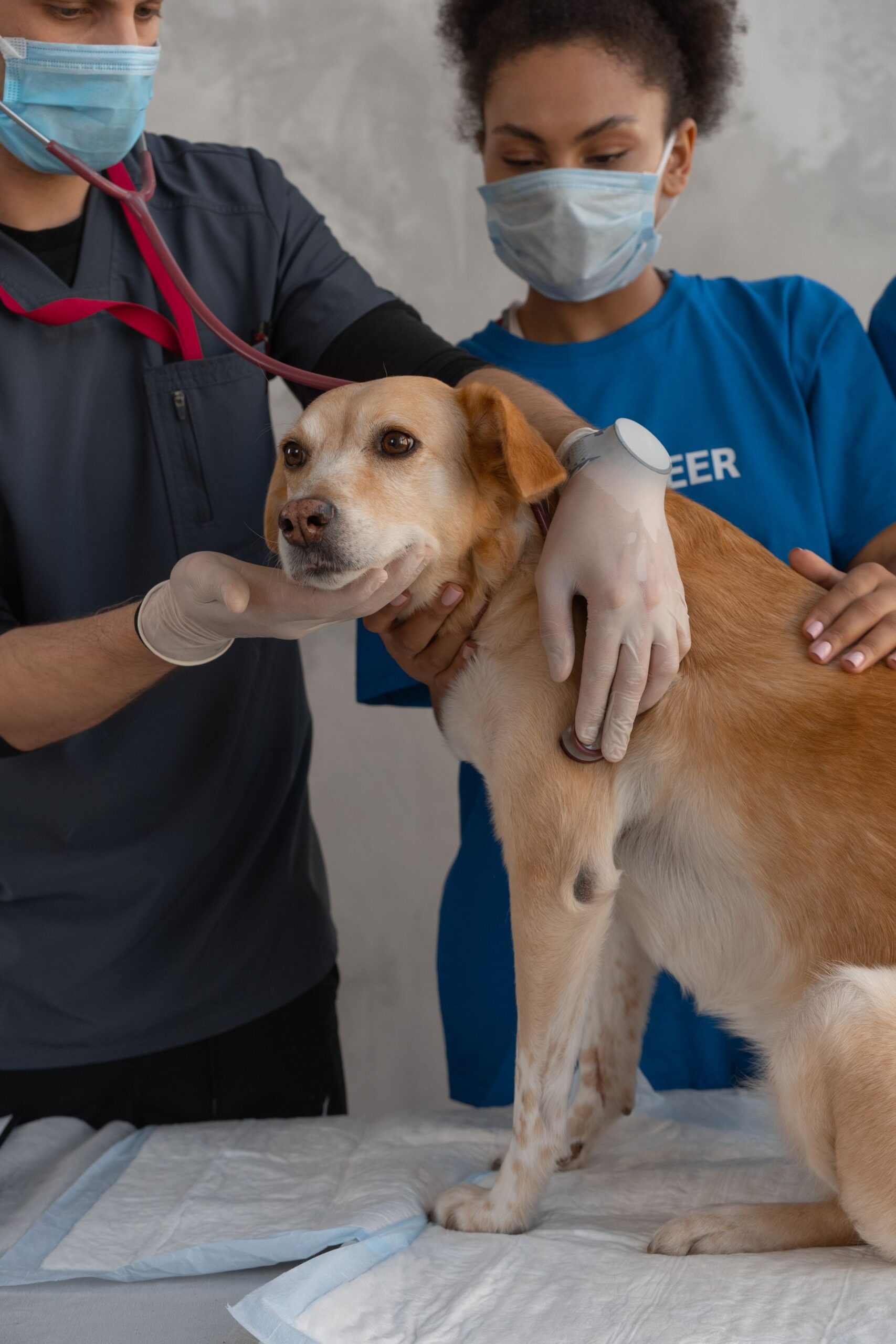
If your dog has eaten grapes, contact your veterinarian or the ASPCA Animal Poison Control Center immediately — do not wait for symptoms to develop.


Are Grapes Good for Dogs?

No — grapes are not good for dogs in any way, at any amount, in any form. While grapes are nutritious for humans — providing antioxidants, Vitamin C, Vitamin K, and various polyphenols — none of these benefits apply to dogs because grapes are toxic to them.

The fundamental issue is that grapes contain one or more compounds that are severely toxic to the canine kidney. Scientists have not yet definitively identified the exact toxic agent in grapes, which makes the situation even more concerning — because without knowing the specific compound, it is impossible to determine a safe threshold or identify which grape varieties might be less dangerous than others.

What we know from thousands of documented cases is that grapes and dogs do not mix safely under any circumstances. No amount of nutritional benefit from grapes could ever outweigh the risk of acute kidney failure. The answer to “are grapes good for dogs” is an unqualified no — they are actively dangerous.


Why Can Dogs Not Eat Grapes?

This is one of the most frequently asked questions about grape toxicity in dogs, and it is a genuinely fascinating and still somewhat mysterious area of veterinary medicine. The short answer is that grapes contain something that destroys kidney cells in dogs, but the specific toxic agent has not yet been definitively identified despite decades of research.

Several hypotheses have been investigated. For years, scientists suspected mycotoxins (mold toxins), pesticides, salicylates (aspirin-like compounds), or heavy metals. None of these fully explained the toxicity pattern observed.

The most current and widely supported hypothesis (as of 2021 and ongoing) points to tartaric acid and potassium bitartrate — compounds found in grapes that are unique to grapes and raisins among common fruits. Dogs appear to be unable to metabolize tartaric acid safely, unlike humans, and this leads to acute tubular necrosis — the destruction of the functional cells in the kidney tubules.

This would also explain why raisins are even more dangerous than fresh grapes — drying concentrates all the compounds including tartaric acid.

The frightening part for dog owners is that individual dogs vary enormously in their sensitivity. Some dogs have eaten multiple grapes with no apparent ill effect. Others have developed acute kidney failure after eating just one grape. This unpredictability is precisely why the veterinary consensus is that no amount of grape is safe for any dog.


What Happens If a Dog Eats a Grape?

This is one of the most critical sections of this guide. Knowing the timeline and symptoms of grape toxicity can save your dog’s life.

Phase 1 — Initial GI Symptoms (0-12 hours after ingestion): The first signs of grape toxicity typically appear within the first few hours and initially look like general gastrointestinal distress. Symptoms include vomiting (often within 1-2 hours), diarrhea, loss of appetite, lethargy, abdominal pain, and general weakness. Your dog may also appear unusually quiet, seem uncomfortable, or not want to move around.

Phase 2 — Kidney Failure Onset (12-24 hours): As the toxic compounds begin damaging kidney cells, more serious symptoms develop. Increased thirst and increased urination are early kidney stress signals. This may progress to decreased or absent urination — which is a very serious sign indicating the kidneys are failing and no longer filtering waste effectively. Your dog may develop dehydration despite drinking water.

Phase 3 — Acute Kidney Failure (24-72 hours): Without treatment, acute kidney failure progresses. Symptoms at this stage include complete cessation of urination (anuria), persistent vomiting, profound weakness and inability to stand, tremors, seizures, coma, and if untreated, death.

The critical point: Do not wait for Phase 2 or Phase 3 symptoms to appear. By the time kidney failure symptoms are visible, significant damage has already occurred. If you know or suspect your dog ate grapes, treat it as an emergency and contact your vet immediately — even if your dog seems perfectly fine right now.


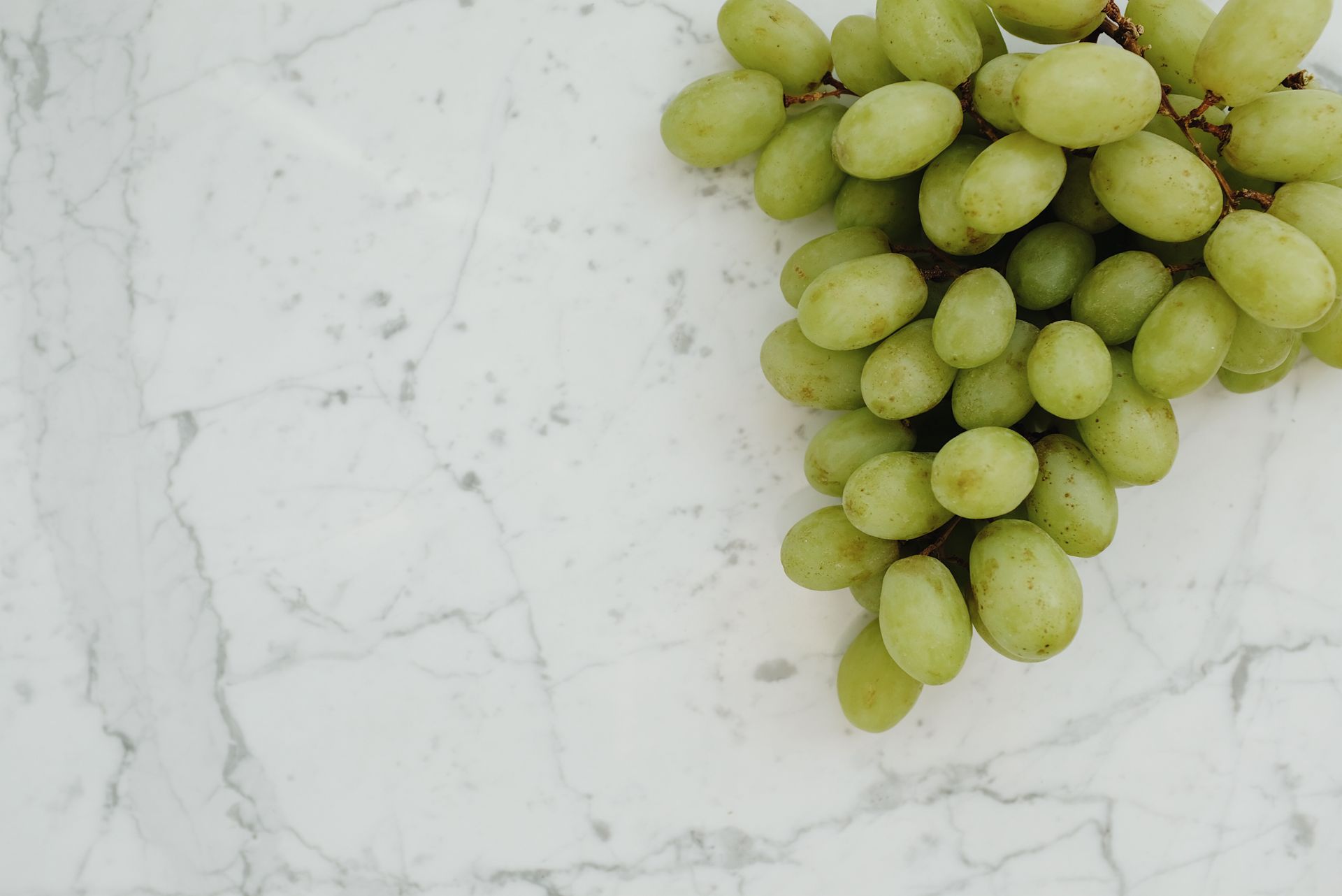
Can Dogs Eat Green Grapes?

No — green grapes are just as toxic to dogs as any other grape variety. The color of a grape does not affect its toxicity. Green grapes, red grapes, purple grapes, black grapes — all are equally dangerous to dogs.

Some dog owners wonder if green grapes might be safer because they are less ripe than darker varieties. This assumption is incorrect. The compounds responsible for grape toxicity — likely including tartaric acid — are present in grapes of all colors and ripeness levels. There is no evidence that any color or ripeness stage of grape is safer than another.

Never give a dog a green grape — not as a treat, not as a test, not in small amounts to “see what happens.” The individual variation in dog sensitivity means you cannot predict how your dog will respond, and the potential consequence is kidney failure.


Can Dogs Eat Red Grapes?

No — red grapes are toxic to dogs. Red grape varieties — including Red Globe, Crimson Seedless, Flame Seedless, Cardinal, and many others — are all dangerous for dogs. The red pigment (anthocyanins) that gives red grapes their color does not affect their toxicity status.

Red grapes are perhaps the most commonly encountered variety in household fruit bowls, which means they are also the most common type involved in accidental grape ingestion cases reported to poison control centers. Their attractive appearance, sweet flavor, and familiar presence in the home make them a particular risk for curious dogs.

Keep red grapes completely out of reach of your dog at all times. Store them in the refrigerator rather than in a fruit bowl on the counter if you have a dog that counter-surfs. Never offer a red grape as a treat under any circumstances.


Can Dogs Eat Seedless Grapes?

No — seedless grapes are just as toxic to dogs as seeded grapes. Removing the seeds from a grape does not remove the toxic compound. The seeds are not the source of the toxicity — the flesh and skin of the grape itself contain the dangerous compound or compounds.

Seedless grape varieties like Thompson Seedless (the most common table grape in North America), Crimson Seedless, Cotton Candy grapes, and other seedless varieties are all equally toxic to dogs as seeded varieties.

This is a critical point because some dog owners assume that “seedless” means “safer.” It does not. The seedless breeding of grapes is for human eating convenience and has nothing to do with the toxic compounds present in the grape flesh and skin. Never give seedless grapes to dogs.


Can Dogs Eat Purple Grapes?

No — purple grapes are toxic to dogs. Concord grapes, Autumn Royal, and other dark purple or blue-black grape varieties are all dangerous for dogs and must never be given to them.

Purple grape varieties are often used in juice production, jelly making, and wine production — meaning grape-derived products made from purple grapes (grape juice, grape jelly, wine, grape jam) are also off-limits for dogs. We will address these specific products in detail in later sections of this guide.

Purple grapes also tend to have stronger flavor compounds than milder green or red varieties, which can actually make them more attractive to some dogs who are drawn to intense smells and flavors. This curiosity-driven attraction is another reason to ensure purple grapes are securely stored away from dogs at all times.


Can Dogs Eat Grapes or Raisins?

Neither — both grapes and raisins are toxic to dogs and must never be given. In fact, raisins are considered even more dangerous than fresh grapes because the drying process concentrates all the compounds present in grapes into a much smaller, denser form.

This means a dog can consume a dangerous dose of toxic compounds from a much smaller volume of raisins than from fresh grapes. A single small box of raisins — the kind found in school lunch snacks — can contain enough concentrated grape toxins to cause acute kidney failure in a small dog.

Raisins appear in many common foods that dogs might access: raisin bread, fruit cake, trail mix, granola bars, cereals, biscuits, and certain desserts. Dog owners must be vigilant not just about fresh grapes but about all raisin-containing products in the home. Check ingredient labels of any packaged food before giving anything to your dog.

See Also: Can Dogs Eat Tomatoes? What’s Safe and What’s Toxic Explained


Can Dogs Eat Cotton Candy Grapes?

No — Cotton Candy grapes are a specific branded seedless grape variety known for their unusually sweet, candy-like flavor. Despite the whimsical name and sweet taste, Cotton Candy grapes are grapes — and all grapes are toxic to dogs.

Cotton Candy grapes contain the same toxic compounds as any other grape variety. Their extraordinary sweetness and appealing smell may actually make them more attractive to dogs than standard grape varieties — but their toxicity profile is identical. Never give Cotton Candy grapes to your dog.

The novelty and popularity of Cotton Candy grapes in recent years means they are increasingly common in households, which increases the risk of accidental canine exposure. Store them with the same level of security as any other grape variety — out of reach and inaccessible to your dog.


How Many Grapes Can Dogs Eat?

Zero. There is no safe number of grapes for a dog to eat. This is not a portion control situation — it is a complete avoidance situation. Even one grape has the potential to cause serious kidney damage in some dogs.

The toxicity threshold for grapes in dogs is not reliably established, which is precisely why the veterinary consensus is zero tolerance. Documented cases of grape toxicity show that some dogs develop severe kidney failure after eating just 1 to 2 grapes, while other dogs have eaten more with apparently less severe effects. This enormous individual variation means it is impossible to calculate a “safe” amount.

Body weight does play some role — smaller dogs are at higher proportional risk from the same quantity of grapes than larger dogs. But even large dogs are not safe from grape toxicity. A Labrador Retriever or German Shepherd can develop grape-induced kidney failure just as a Chihuahua can — the risk is simply proportional.

The only safe answer to “how many grapes can my dog eat” is none. Not one. Not half. Not a taste. Zero grapes, always.


Can Dogs Have Grapes to Eat?

No — dogs cannot have grapes to eat. This question gets asked in different ways, and the answer is always the same. Grapes are toxic to dogs in all forms — fresh, frozen, dried (raisins), juiced, in jelly form, or any other preparation. No form of grape is safe for dogs to eat.

Some dog owners ask this question because they have seen their dog eat a grape in the past without obvious immediate symptoms and assume this means grapes are safe for their particular dog. This assumption is extremely dangerous. The absence of immediate visible symptoms does not mean no damage occurred — kidney damage can develop silently before symptoms become apparent, and the next grape could be the one that triggers acute failure.

Never knowingly give a dog grapes to eat, and take immediate action if accidental ingestion occurs.


Can Dogs Eat Grapes Without the Skin?

No — removing the skin from a grape does not make it safe for dogs. The toxic compounds in grapes are present throughout the fruit — in the flesh, the skin, and potentially the seeds. Peeling a grape removes the skin but leaves behind the flesh, which contains the toxic agents.

Some dog owners ask this question based on the assumption that the toxicity is in the skin (like some other fruits where the skin concentration differs from the flesh). This is not the case with grapes. The entire grape — flesh, skin, seeds, juice — contains the compounds responsible for toxicity in dogs.

There is no preparation method — peeling, seeding, cooking, freezing, drying, juicing — that makes grapes safe for dogs. The answer is always the same: no grapes, in any form, ever.


Can Dogs Eat Muscadine Grapes?

No — muscadine grapes are toxic to dogs. Muscadines (Vitis rotundifolia) are a native North American grape variety found primarily in the southeastern United States. They are larger, thicker-skinned, and more intensely flavored than standard table grapes, and are used for making wine, juice, and jellies.

Despite being a different species from the more common Vitis vinifera grapes, muscadines carry the same toxicity risk for dogs. The ASPCA and veterinary toxicologists do not distinguish between grape species when it comes to canine toxicity — all grape varieties and species should be considered dangerous.

If you live in a region where muscadine vines grow wild or in your yard, take steps to ensure your dog cannot access fallen muscadines on the ground or reach the vines. Wild grape-related toxicity is a real concern in areas where muscadines grow freely.


Can Dogs Eat Frozen Grapes?

No — frozen grapes are toxic to dogs. Freezing does not neutralize, reduce, or eliminate the toxic compounds in grapes. A frozen grape is simply a cold grape — the dangerous compounds are fully preserved through the freezing process.

Frozen grapes are actually a popular human snack in summer because of their refreshing texture, similar to a sorbet. Some dog owners mistakenly assume that frozen grapes might be a safe summer treat for dogs. They are not.

In fact, frozen grapes may present an additional risk — their firm, cold texture and round shape make them a particularly appealing thing for a dog to try to quickly swallow whole, potentially increasing the speed of ingestion. Never give frozen grapes to dogs.


Can Dogs Eat Grapes Safely?

No — there is no safe way for dogs to eat grapes. This question occasionally comes with the implicit assumption that there might be some preparation method, some variety, some amount, or some context in which grapes become safe for dogs. There is not.

The veterinary guidance on this is absolute and unanimous: all grapes, in all forms, in all quantities, are unsafe for dogs. The fact that the specific toxic agent has not been definitively identified makes the situation even more concerning — without knowing exactly what makes grapes toxic, we cannot breed it out, remove it, or neutralize it in preparation.

The safest approach is to treat grapes with the same level of concern as antifreeze or certain medications — a known poison that must be kept completely away from dogs at all times.


Can Dogs Eat Peeled Grapes?

No — peeling a grape does not make it safe for dogs. As discussed, the toxic compounds in grapes are present in the flesh of the fruit, not only in the skin. Removing the skin via peeling reduces the skin component but leaves the flesh, which is itself toxic.

Additionally, the juice released from peeling and handling grapes contains the same toxic compounds. Dogs that lick grape juice from your hands or from surfaces where grapes have been cut or peeled could theoretically be exposed to the toxic compounds in the juice.

There is simply no way to make a grape safe for a dog through any form of physical preparation. Peeled or whole, seeded or seedless, fresh or frozen — grapes are always toxic to dogs.


Can Dogs Eat Black Grapes?

No — black grapes (including varieties like Black Muscat, Black Corinth, Autumn Royal, and similar dark-skinned varieties) are toxic to dogs. The dark pigmentation of black grapes comes from very high concentrations of anthocyanin pigments — but these anthocyanins are alongside the toxic compounds, not instead of them.

Black grape varieties are commonly used in wine production (particularly red and dessert wines), raisin production (Zante currants are made from Black Corinth grapes — a very small seedless black grape), and juice production. This means that raisin products, currant products, and some grape-derived foods made from black grapes also carry the same toxicity risk.

Note that Zante currants — often simply called “currants” in baking — are actually dried black grapes, not true currants (Ribes species). They are just as toxic to dogs as any other raisin variety.


Can Dogs Eat Grapeseed Oil?

This is a more nuanced question than the others on this list. Grapeseed oil is extracted from grape seeds through a pressing process. The toxic compound in grapes — now widely believed to be tartaric acid — is found in the flesh and skin of grapes rather than in the seeds specifically.

The toxicological status of grapeseed oil for dogs has not been definitively established through controlled studies. Some veterinary sources indicate that the toxic compound may not be present in significant amounts in grapeseed oil — but others advise caution given the uncertainty.

Given that the exact toxic agent in grapes has not been conclusively identified, and given the severity of the consequences if a dog is exposed to the toxic compound, the safest approach is to avoid giving grapeseed oil to your dog. There are many other safe, beneficial oil options for dogs — fish oil, flaxseed oil, coconut oil (in small amounts) — that do not carry this uncertainty.

See Also: Can Dogs Eat Pineapple Core, Skin or Leaves? Full Safety Guide


Can Dogs Eat Grape Stalks?

No — grape stalks (the stems connecting grapes to the vine) should never be given to dogs. While the stalks themselves may contain lower concentrations of the primary toxic compounds compared to the grape flesh, they are still part of the grape plant and should be treated as potentially toxic.

More practically, grape stalks are tough, fibrous, and difficult to digest — presenting a choking risk and potential for gastrointestinal irritation regardless of the toxicity concern. They have no nutritional value for dogs and no safe use as a treat or chew item.

If your dog accidentally chews on some grape stalks when you’re preparing a bunch of grapes, contact your veterinarian to discuss the level of exposure and whether any monitoring or intervention is warranted.


Can Dogs Eat Grape Leaves?

Grape leaves require careful consideration. Fresh and raw grape leaves from the grapevine contain compounds related to those in the fruit itself, and their safety for dogs has not been conclusively established. Out of an abundance of caution, grape leaves should not be given to dogs.

Cooked grape leaves — the kind used in Mediterranean cuisine for dishes like dolmades (stuffed grape leaves) — present the additional concern of being prepared with salt, lemon juice, olive oil, onion, garlic, and other seasonings that are separately problematic for dogs.

Even if plain grape leaves were proven safe, giving dogs any part of the grape plant is risky because it normalizes the plant as a food source for your dog, which could lead to them seeking out and eating grape fruit directly.

The safest rule: no part of the grape plant — leaves, stalks, vines, roots, or fruit — should be given to dogs.


Can Dogs Eat Grape Jelly?

No — dogs should not eat grape jelly. This “no” applies on two separate grounds.

First, grape jelly is made from grapes (or grape juice), which are toxic to dogs. While the processing involved in making jelly — cooking, straining, adding sugar and pectin — may alter some compounds, there is no confirmation that it eliminates the toxic agent responsible for grape-induced kidney failure in dogs. Given the severity of the potential consequence, no grape-derived product should be considered safe.

Second, even setting aside the grape component, grape jelly contains large amounts of refined sugar, and many commercial grape jellies are sweetened with high-fructose corn syrup. “Sugar-free” grape jelly may contain xylitol — an artificial sweetener that is separately and acutely toxic to dogs, causing rapid hypoglycemia and liver failure.

Grape jelly should never be given to dogs for both of these independent reasons — grape toxicity risk and sugar/xylitol concerns.


Can Dogs Eat Grapes Symptoms — What to Watch For?

Can Dogs Eat Grapes Symptoms

Recognizing the symptoms of grape toxicity quickly is essential for getting your dog treated before irreversible kidney damage occurs. Here is a complete timeline of what to watch for.

Early symptoms (within 1-6 hours):

  • Vomiting — often the first sign, appearing within 1-2 hours
  • Diarrhea — may contain grape or raisin pieces
  • Loss of appetite — sudden disinterest in food
  • Lethargy — unusual tiredness, reluctance to move
  • Abdominal pain — dog may show discomfort when belly is touched
  • Weakness — general loss of energy

Kidney-related symptoms (6-24 hours):

  • Increased thirst (polydipsia)
  • Increased urination initially, then decreased urination
  • Dehydration — dry gums, skin that doesn’t spring back when pinched
  • Bad breath with unusual chemical smell (from kidney waste buildup)
  • Tremors or muscle twitching

Severe kidney failure symptoms (24-72 hours without treatment):

  • Complete cessation of urination (anuria) — very serious sign
  • Persistent, uncontrollable vomiting
  • Profound weakness, inability to stand
  • Seizures
  • Coma

The most important point: Do not wait for any of these symptoms. If you know or even suspect your dog ate grapes, contact your vet immediately. Early treatment — before kidney damage has fully developed — dramatically improves outcomes. Waiting for symptoms to appear before acting is the most dangerous mistake a dog owner can make in a grape exposure situation.


How Many Grapes Are Dangerous for a Dog to Eat?

There is no established safe dose of grapes for dogs — even one grape is potentially dangerous. Toxicology cases documented in veterinary literature show grape-related acute kidney failure at doses as low as 0.3 ounces per pound of body weight (approximately one grape for a small dog), but some dogs have developed toxicity from even less.

The enormous individual variation in sensitivity makes any dose calculation meaningless in practice. A dog that ate two grapes last year without obvious symptoms may develop kidney failure from one grape this year — individual responses vary and are not predictable.

Raisins are even more concentrated — as few as 0.05 ounces per pound of body weight have caused serious toxicity. A single small snack-size box of raisins could be lethal for a small dog.

The only clinically appropriate answer is zero. The question of how many grapes are dangerous is best answered by understanding that any amount has the potential to cause irreversible harm, and the individual response is completely unpredictable.


What Fruits Can You Offer a Dog Besides Grapes?

What Fruits Can You Offer a Dog Besides Grapes?

Since grapes are completely off the table, here are the best safe fruit alternatives that provide genuine nutritional benefits for dogs.

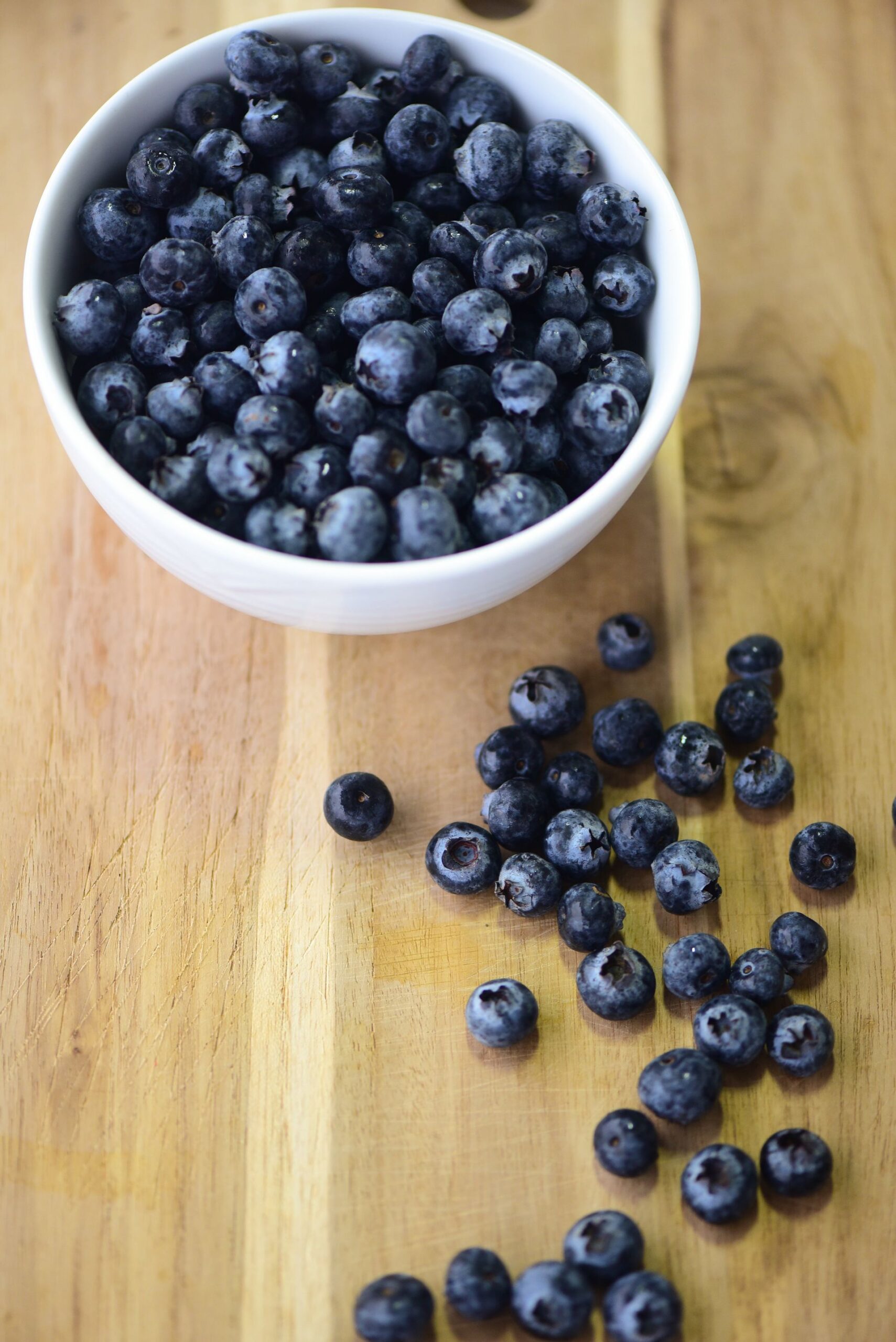
Blueberries: One of the absolute best fruit choices for dogs. Very low in sugar, extremely high in antioxidants (particularly anthocyanins), high in fiber and Vitamin C. Require no preparation beyond a quick rinse. Most dogs love them. Serve fresh or frozen.

Strawberries: Safe, nutritious, and naturally sweet. Rich in Vitamin C, fiber, and antioxidants including ellagic acid. Wash, hull, slice, and serve. Low in calories, making them great for weight-conscious dogs.

Watermelon: Excellent hydration source. Contains lycopene, Vitamin A, Vitamin C, and potassium. Remove all seeds and rind completely. Serve only the pink flesh. Perfect summer treat.

Apples: Good source of fiber, Vitamin A, and Vitamin C. Always remove the core and all seeds (which contain cyanide compounds). Serve only the flesh with or without skin.

Bananas: High in potassium, Vitamin B6, and magnesium. Higher in natural sugar than other options, so give in small amounts. Peel and slice. Great training treat when cut small.

Mango: Rich in Vitamins A, B6, C, and E. Remove the large central pit completely before serving — it is a choking hazard and contains small amounts of cyanide. Remove the skin too. Very sweet, so serve in small amounts.

Pineapple: Contains bromelain, Vitamin C, manganese, and B vitamins. Remove the tough outer skin, spiky rind, core, and leaves. Serve only the soft inner flesh. Fresh is best.

Cantaloupe: Hydrating, nutritious, and most dogs enjoy the sweet flavor. Remove seeds and rind completely. Rich in Vitamin A and beta-carotene.

Raspberries: Safe and nutritious. Contain naturally occurring xylitol in very small amounts — not enough to be toxic at normal portions but a reason to keep amounts small, especially for tiny dogs.

Pears: Safe when properly prepared. Remove the core and all seeds. Vitamin C and K content. Serve fresh, peeled or with skin.

Always avoid: Grapes and raisins (toxic), cherries (pits and plant toxic), avocado (persin toxin), and any fruit with intact pits.

See Also: Can Dogs Eat Strawberries? Here’s Everything You Need to Know


Frequently Asked Questions

Can dogs eat grapes?

No. Grapes are toxic to dogs and can cause acute kidney failure. There is no safe amount. Every variety — green, red, purple, black, seedless, peeled — is equally toxic. Contact your vet immediately if your dog eats a grape.

Can dogs eat green grapes?

No. Green grapes are just as toxic as any other variety. The color does not affect toxicity. Never give any grape to a dog regardless of color.

Can dogs eat red grapes?

No. Red grapes are toxic to dogs. All grape varieties — red, green, purple, black — carry the same toxicity risk.

Can dogs eat seedless grapes?

No. Removing seeds does not remove the toxic compounds. The toxicity is in the flesh and skin of the grape, not the seeds. Seedless grapes are equally dangerous.

Why can dogs not eat grapes?

Grapes contain compounds — most likely tartaric acid — that are toxic to the canine kidney. Dogs cannot metabolize these compounds safely, leading to acute tubular necrosis (kidney cell destruction) and kidney failure.

How many grapes can a dog eat safely?

Zero. There is no established safe dose. Individual dog sensitivity varies enormously and is unpredictable. Even one grape has the potential to cause kidney failure in some dogs.

What happens if a dog eats a grape?

Initially, vomiting and diarrhea. Then signs of kidney stress — increased thirst and urination, then decreased or absent urination. Without treatment, acute kidney failure, coma, and death. Treat any grape ingestion as an emergency and contact your vet immediately.

Can dogs eat raisins?

No. Raisins are dried grapes and are even more dangerous than fresh grapes because the toxic compounds are concentrated. A small amount of raisins can cause fatal kidney failure in a small dog.

Can dogs eat cotton candy grapes?

No. Cotton Candy grapes are a branded grape variety — still a grape, still toxic to dogs. Their appealing flavor does not make them safe.

Can dogs eat grapeseed oil?

Not recommended. The safety of grapeseed oil for dogs has not been conclusively established. Given the severity of grape toxicity and the availability of safer oil options, avoid giving grapeseed oil to dogs.

Can dogs eat grape jelly?

No. Grape jelly is made from grapes (toxic) and contains large amounts of sugar. Sugar-free varieties may contain xylitol, which is separately and acutely toxic to dogs.

Can dogs eat grape leaves?

Not recommended. Grape leaves may contain grape plant compounds and have not been established as safe. No part of the grape plant should be given to dogs.

Can dogs eat muscadine grapes?

No. Muscadine grapes are still grapes and carry the same toxicity risk as all other grape varieties.

What are signs of grape poisoning in dogs?

Vomiting, diarrhea, lethargy, abdominal pain (early). Then increased thirst, decreased urination, dehydration (kidney phase). Then complete cessation of urination, tremors, seizures, coma (late stage). Seek veterinary care immediately — do not wait for late symptoms.

What should I do if my dog eats a grape?

Contact your veterinarian or the ASPCA Animal Poison Control Center immediately — even if your dog seems fine. Early treatment, including induced vomiting and IV fluids to protect the kidneys, dramatically improves outcomes. Do not wait for symptoms.


Conclusion

Grapes are one of the most important topics in dog safety education — not because the answer is complicated, but because the stakes are so high and the answer is so clear and absolute. Dogs cannot eat grapes. Not one grape. Not a small piece. Not peeled, not seeded, not frozen, not in any form.

Every grape variety — green, red, purple, black, seedless, muscat, muscadine, Cotton Candy — is toxic to dogs. Every grape-derived product — raisins, grape juice, grape jelly, currants — is toxic to dogs. There is no safe preparation, no safe portion size, no safe form of grape for dogs.

The key facts every dog owner must know:

  • Grapes cause acute kidney failure in dogs — potentially fatal
  • The exact toxic compound is not definitively identified, making any “safe dose” impossible to establish
  • Individual dog sensitivity varies enormously — some dogs react to a single grape
  • Raisins are even more dangerous than fresh grapes due to concentration
  • Symptoms begin with vomiting and diarrhea but progress to kidney failure
  • Early treatment is critical — contact your vet immediately if any grape ingestion occurs
  • No grape variety, no preparation method, no amount of grapes is safe for dogs
  • Grape jelly, grape juice, and other grape-derived products are also dangerous

What you can do right now: ensure all grapes and raisins in your home are stored completely out of your dog’s reach. Check the ingredient labels of packaged foods for raisins, currants, and grape derivatives. Brief every member of your household — including children — about never giving grapes to the dog. And if a grape ever does get eaten, act immediately rather than watching and waiting.

For safe and healthy fruit treat alternatives for your dog, you have excellent options — blueberries, strawberries, watermelon, apple, banana, mango, and pineapple are all dog-friendly choices that provide real nutritional benefits without any toxicity risk. For detailed guides on each of these and dozens of other foods, visit Dogs Bread — one of the most comprehensive and trustworthy pet nutrition resources available for dog owners who want clear, accurate, life-saving information about their dog’s diet.

Similar Posts

Leave a Reply

Your email address will not be published. Required fields are marked *