

Can Dogs Eat Ginger? Benefits, Risks & Safe Feeding Guide
Last updated: 20 October 2026
Can dogs eat ginger? Yes. Fresh ginger is generally safe for dogs in small, measured amounts, and vets use it as a mild aid for motion sickness and nausea. The dose vets quote most often comes from Dr. Tori Countner, veterinarian and owner of The Balanced Pet Vet: 20 to 50 milligrams per kilogram of body weight. This guide turns that range into plain kitchen amounts, ranks every form of ginger, lists the dogs that should skip it, and shows how to time a dose before a car ride.
If you are checking other kitchen staples too, our guide to what dogs can eat runs through the full list.
How Much Ginger Can Dogs Eat? (The Honest Answer)
Dr. Tori Countner, veterinarian and owner of The Balanced Pet Vet, puts the ginger dose for dogs at 20 to 50 milligrams per kilogram of body weight. In kitchen terms that works out to roughly one sixteenth of a teaspoon of fresh ginger per pound, capped lower for tiny dogs. The table below turns that into plain upper limits.
| Dog weight | Conservative upper limit (fresh grated ginger) | Notes |
|---|---|---|
| Under 10 lb | A pinch, up to 1/16 tsp | Lower cap for tiny dogs |
| 10 to 25 lb | Up to 1/8 tsp | Mix well into food |
| 25 to 60 lb | Up to 1/4 tsp | Start at the low end of the range |
| 60 to 100 lb | Up to 1/2 tsp | Large dogs stay at or below this |
| Over 100 lb | Up to 3/4 tsp | Not all at once for first timers |
| Puppies, any size | A few shavings only | Only with direct vet guidance |
These are upper limits, not targets, for healthy adult dogs. Veterinary dosing charts cap fresh ginger at roughly one sixteenth of a teaspoon per pound at a time, with a lower ceiling for tiny dogs, which is the approach the KitchPrep safety guide follows. Start below the top of your dog’s range, offer it once, and wait a day before repeating. Long term daily use belongs under veterinary care, not in the spice drawer.
Powder is more concentrated than fresh root, so canine herbal charts suggest about half the fresh amount. Puppies are the exception to the whole table: skip ginger entirely unless your vet specifically signs off on it.
What Ginger Actually Does for Dogs (and What It Does Not)
The strongest evidence supports ginger for motion sickness and mild nausea in dogs. One study found ginger given before a car ride can work like Dramamine, and another found less vomiting in dogs on the chemo drug Cisplatin. Gas relief has vet support too, while joint and cancer claims are thinner than blogs suggest.
- Motion sickness. Ginger’s best documented job in dogs: one study found that ginger given about 30 minutes before a car ride can work like Dramamine, as reported in KeepingDog’s ginger dosing guide.
- Nausea. Dr. Countner points to a study showing dogs on the chemotherapy drug Cisplatin vomited far less with ginger. That is a vet-supervised setting: Dr. Lori Teller of Texas A&M’s veterinary college warns owners to check with their vet first, so ginger does not interact with chemotherapy agents.
- Gas and gut spasms. Dr. Countner notes ginger can decrease gas and bloating and relax spasms in the intestinal loops, easing pain in problems like IBD. For IBD flare ups she prefers fresh ginger, since dried ginger can be too hot for sensitive tracts.
- Anti-inflammatory possibilities. Ginger may help dogs with hip and joint pain: human studies show it can relieve pain in 75 percent of osteoarthritis patients, according to Dr. Countner. It is a possible extra tool alongside standard arthritis care, not a replacement. The other warming spice owners ask about is turmeric, and our guide to whether dogs can eat turmeric explains how it compares.
- Antioxidants and cognition. Dr. Teller notes ginger is an antioxidant that may support cognition in dogs with cognitive dysfunction, as covered in GreatPetCare’s veterinary piece on ginger for dogs.
What ginger is not: a cure-all. Some corners of the internet credit it with preventing cancer or detoxing the body, but the dog-specific evidence for those claims is thin, and ginger must never replace vet-prescribed treatment. VCA Animal Hospitals, via Petful’s vet-backed safety guide, frames it correctly: a supplement that may help with digestion, nausea and inflammation, not a primary treatment.
Every Form of Ginger, Ranked for Dogs
Plain fresh ginger root, peeled and finely grated, is the form vets reach for most. Pure ginger powder works too, but it is more concentrated, so use about half the fresh amount. Cooked ginger in unseasoned food is fine. Everything else, from snaps to pickles to ale, brings sugar, salt or toxic extras along for the ride.
| Form | Verdict for dogs | Why |
|---|---|---|
| Fresh root, peeled and finely grated | Best choice | The form vets reach for most; supervise so no large piece is swallowed whole |
| Ground ginger powder, pure and unflavoured | Good | More concentrated; use about half the fresh amount |
| Cooked ginger in unseasoned food | Fine | Heat does not ruin it; keep the recipe plain and unseasoned |
| Plain homemade ginger tea, cooled and strained | OK in small amounts | Only the plain homemade kind; commercial teas are out |
| Capsules and tinctures | Only under vet guidance | Concentrated; let your vet set the amount |
| Crystallised or candied ginger | Skip | Loaded with sugar |
| Ginger ale | Skip | Almost no real ginger, lots of sugar or artificial sweetener |
| Ginger snaps, cookies and gingerbread | Skip | Sugar, butter and risky spice mixes |
| Pickled ginger (sushi ginger) | Skip | Brine is high in salt and vinegar, often with added sugar and dye |
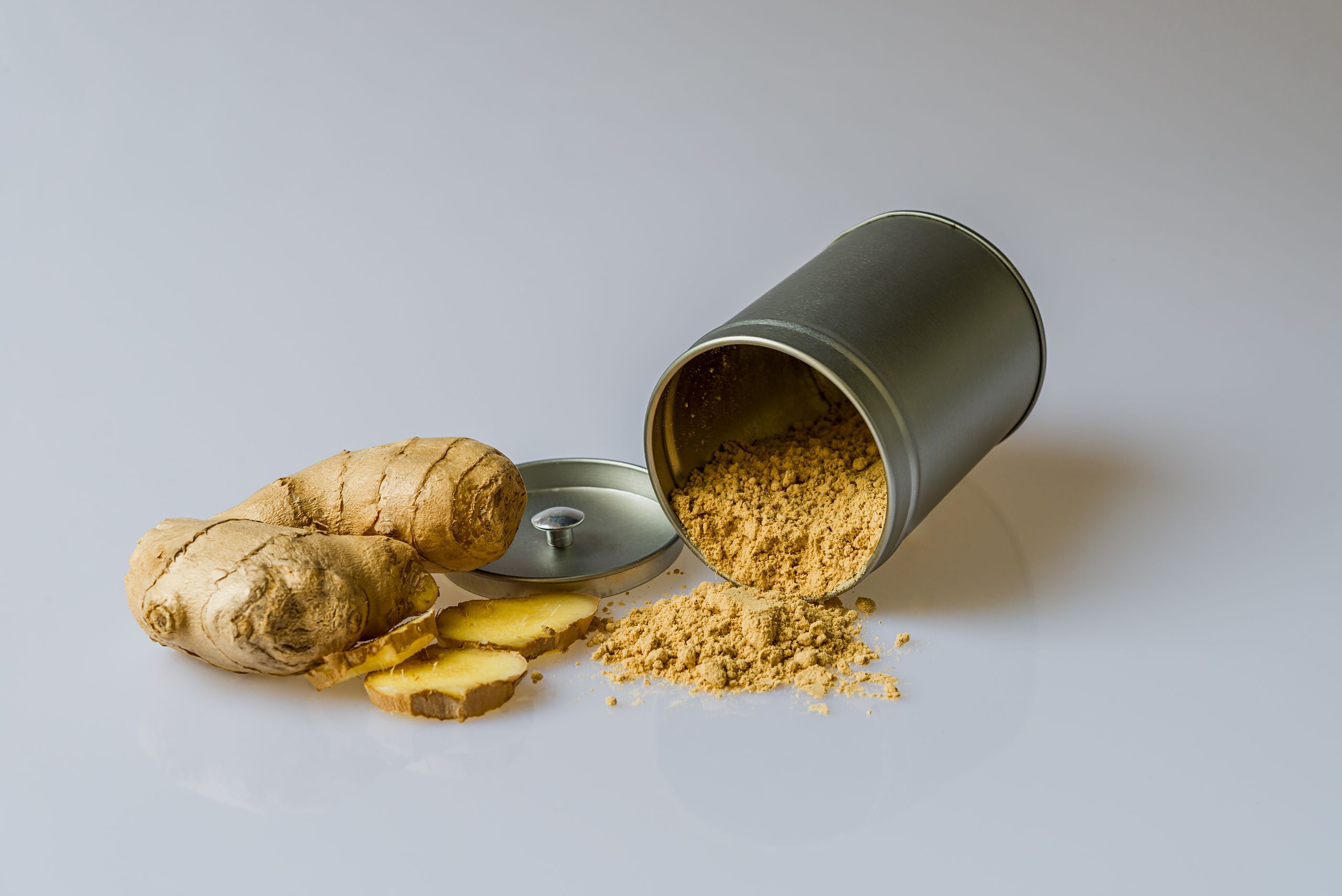
Dr. Countner says any form of ginger is acceptable, and Dr. Teller’s advice is to find the form easiest to give and that your dog will accept. Most dogs I have seen either hoover it up in wet food or give the bowl a deeply suspicious look. For fussy eaters the vets suggest dried ginger or baking a little into a homemade treat.
For homemade ginger tea, keep it plain: steep a little grated fresh ginger in hot water, cool it fully, strain the pieces out, and offer a small amount. Skip shop-bought ginger teas, which often carry caffeine, sweeteners or flavourings.
Gingerbread, Ginger Snaps and Pickled Ginger: The Traps
The ginger inside these treats is never the problem. The problem is what surrounds it: sugar, butter, salt, vinegar, and sometimes nutmeg, chocolate, raisins or xylitol, all of which are far worse for your dog than ginger could ever be. One stolen cookie is rarely a crisis, but none of these belong in a dog’s routine.
- Gingerbread and ginger snaps. These are built around sugar and butter, and their spice mixes often include nutmeg. Unlike ginger, nutmeg is toxic to dogs in larger amounts, as our guide on whether dogs can eat nutmeg explains. Ginger snaps also pair ginger with spices such as cinnamon, covered in our guide to whether dogs can eat cinnamon. Some recipes hide raisins, chocolate or xylitol, all genuinely dangerous.
- Pickled ginger. The pink sushi slices sit in a brine of vinegar and salt, often with added sugar and dye. One nibbled slice is unlikely to poison a healthy dog, but it is the wrong way to give ginger.
- Ginger ale. Almost no real ginger and a lot of sugar or artificial sweetener. Nothing here belongs in a dog bowl.
If your dog grabs a cookie or a slice of pickled ginger off the floor, do not panic, but watch for vomiting or diarrhoea. Call your vet if the treat contained chocolate, raisins, macadamia nuts or xylitol, or if symptoms are severe.
Dogs That Should Skip Ginger Entirely
Most healthy adult dogs can handle ginger in the amounts above. But ginger thins the blood and can lower blood sugar and blood pressure, so a clear group of dogs should avoid it entirely unless their vet directs otherwise. Run through this list before you grate anything into the bowl.
Skip ginger for: pregnant or nursing dogs; dogs on blood thinners, aspirin or NSAIDs, since ginger can add to their effect on clotting; dogs with bleeding disorders such as haemophilia or von Willebrand’s disease; dogs facing surgery within two weeks, since ginger should be stopped at least two weeks beforehand; dogs with diabetes or low blood sugar; dogs with heart disease or low blood pressure; and dogs with gallbladder disease or chronic liver or kidney disease.
When in doubt, call your vet before the first sprinkle. It costs nothing to ask.
VCA Animal Hospitals flags ginger’s mild blood-thinning effect, which is why Petful’s guide says to stop ginger at least two weeks before surgery. Dr. Teller warns that dogs with bleeding disorders, or on medicines that raise bleeding risk including NSAIDs, should not receive ginger at all. Always discuss your dog’s medications, vitamins, supplements and herbs with your vet first.
Using Ginger for Car Sickness: A Simple Plan
This is ginger’s most useful job in a dog’s life. A study found that ginger given about 30 minutes before a car ride can work as well as Dramamine for motion sickness. It is a one-off dose for the journey, not a daily supplement, and the steps below keep it simple and safe.
- Check the contraindications above first. Medicated, pregnant, nursing or pre-surgery dogs skip ginger.
- Pick plain fresh ginger. Peel it, grate it fine, and skip anything flavoured, sweetened or pickled.
- Measure at or below the upper limit in the table above. Pure powder counts at about half the fresh amount.
- Mix it into a little food about 30 minutes before you leave.
- Watch for drooling or lip licking. Do not redose mid journey: one dose per trip is enough.
- If it fails twice, ask your vet about prescription travel sickness medicine.
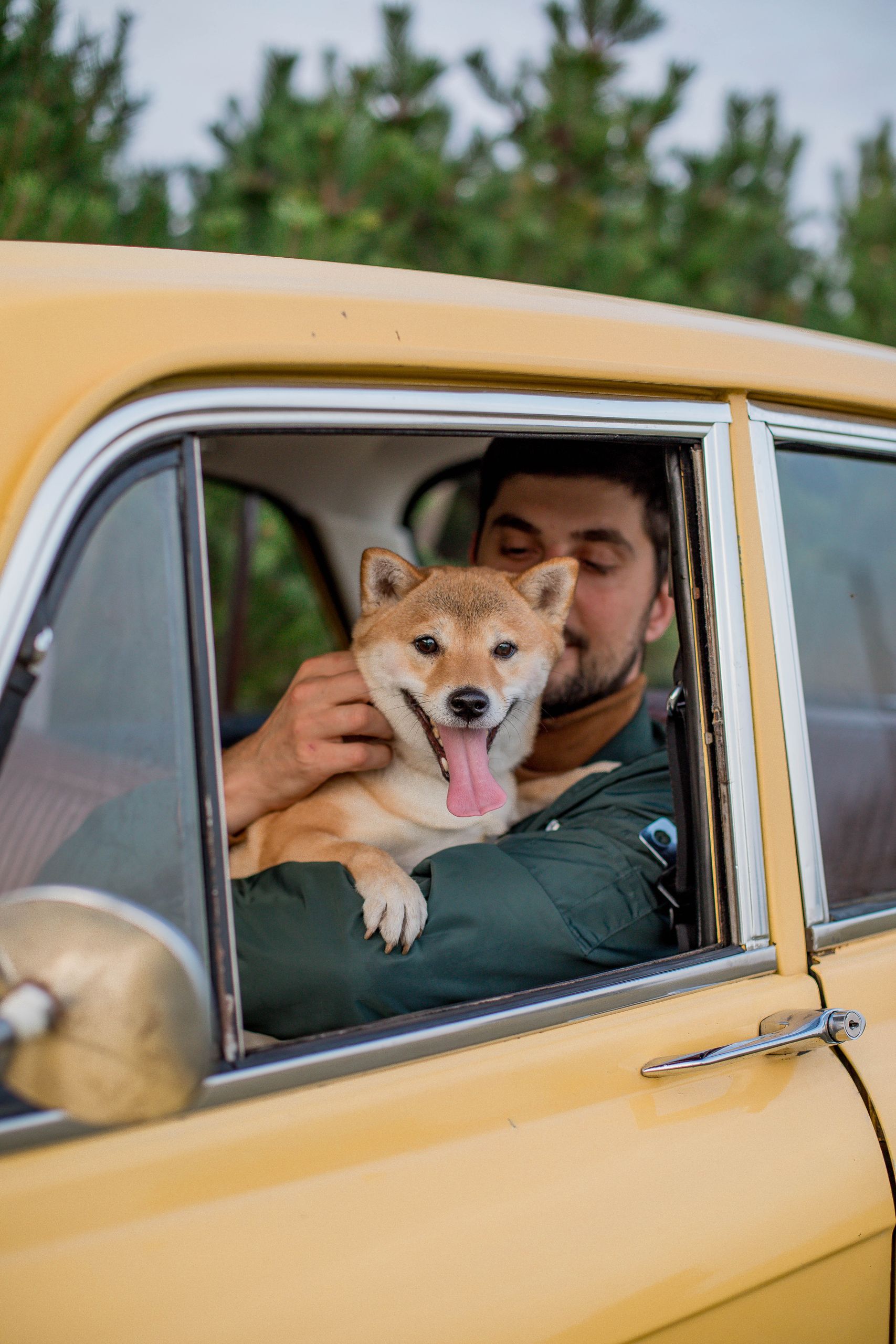
Ginger is a one-trip tool, not a daily habit. If your dog travels often and ginger is not cutting it, ask your vet about prescription options.
What If Your Dog Ate Too Much Ginger?
Too much ginger is more likely to upset your dog’s stomach than to cause a real emergency. The usual signs are gas, mild diarrhoea, heartburn or temporary nausea, and they typically pass within a day once you stop offering ginger. The bigger danger is usually the other ingredients in human ginger foods, not the ginger itself.
If your dog chewed a whole root, offer fresh water, hold the treats, and feed a bland meal next time. Call your vet for ongoing vomiting, blood in the stool, lethargy or pain, or if your dog takes medication. Do not induce vomiting unless your vet tells you to.
Ginger and Dogs: Your Questions, Answered
How much ginger can I give my dog?
Stay at or below the table at the top: a pinch up to 1/16 teaspoon for dogs under 10 lb, rising to 3/4 teaspoon for giant breeds. Start below the top of the range and introduce it once first.
Can dogs eat raw ginger root?
Yes, and it is the form vets prefer. Peel it, grate or mince it fine, mix it into food, and supervise so no large piece is swallowed whole.
Is ginger powder safe for dogs?
Yes, as long as it is pure ginger with no added flavourings. It is more concentrated than fresh root, so use about half the fresh amount.
Can dogs drink ginger tea?
Plain homemade ginger tea, cooled and strained, is generally acceptable in small amounts. Skip commercial ginger teas, which often contain caffeine, sweeteners or flavourings. Thinking of sweetening it? Our guide to whether dogs can eat honey answers that question.
Can dogs eat ginger biscuits or ginger snaps?
No. The ginger is not the problem; the sugar, butter and spice mix are. Many contain nutmeg, which is toxic to dogs in larger amounts, as our guide on whether dogs can eat nutmeg explains. Some also hide xylitol, chocolate or raisins.
Can I give my dog ginger every day?
No. Ginger works best as an occasional aid for travel sickness or mild queasiness; long term daily use belongs under your vet’s supervision.
Can I give my dog ginger and garlic together?
Give the ginger, skip the garlic. Garlic is toxic to dogs in far smaller doses, and our guide to whether dogs can eat garlic explains why.
Sources
- How much ginger can I give my dog? A Complete Guide, KeepingDog
- Can Dogs Eat Ginger? Vet-Backed Safety Guide, Petful
- Can I Give My Dog Ginger? Safe Uses And Dosage Tips, KitchPrep
- Can Dogs Have Ginger? GreatPetCare
This guide is for information only and is not a substitute for veterinary advice. If your dog eats something you are worried about, call your vet.


One Comment