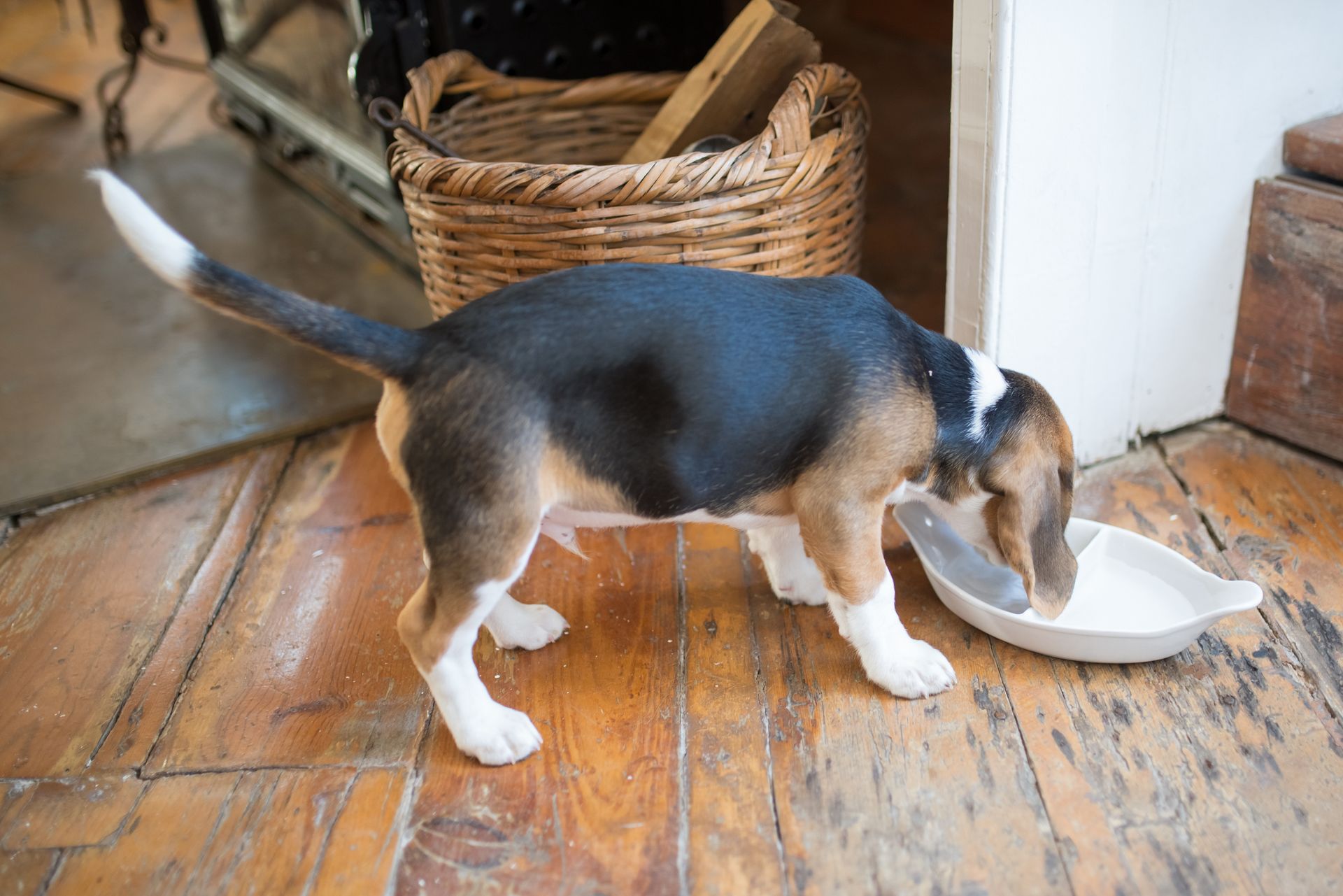
Can Dogs Eat Cheese?

Can Dogs Eat Cheese? The Complete Safe-Feeding Guide (2026)

You are making a sandwich, slicing some cheese, and your dog appears — tail wagging, eyes locked on every move, nose working overtime. Cheese is one of the most universally beloved human foods, and dogs seem to agree. Most dogs lose their minds for cheese. But is it actually safe? Can dogs eat cheese? What about cream cheese, blue cheese, brie, or mac and cheese?

Cheese is one of the most nuanced foods in dog nutrition — not simply safe or simply dangerous, but a food that varies enormously in safety and appropriateness depending on the type, amount, dog size, and individual health status. This complete guide covers every cheese variety, every form, every specific question dog owners ask, and everything you need to know to share cheese with your dog safely and responsibly.


Table of Contents

Can Dogs Eat Cheese?

Yes — dogs can eat cheese, and plain, low-sodium cheese in small amounts is safe for most healthy adult dogs. Cheese is one of the most effective training treats used by professional dog trainers because of its exceptional palatability — almost every dog finds cheese irresistible.

However, cheese comes with important conditions. It is high in fat, calories, and sodium — all of which create real concerns for regular or large-amount feeding. Many dogs are lactose intolerant to some degree, which means dairy products including cheese can cause digestive upset. Certain cheese varieties — particularly blue cheese — contain compounds that are genuinely toxic to dogs.

The right approach: use cheese as an occasional high-value treat or training reward, choose lower-fat, lower-sodium varieties, keep portions small, and be aware of your individual dog’s dairy tolerance.


Can Dogs Have Cheese?

Yes — dogs can have cheese, and in moderation, plain cheese is a perfectly acceptable part of a dog’s occasional treat rotation. This is confirmed by veterinary sources including the AKC, which notes that cheese is safe for most dogs as an infrequent treat or training aid.

What makes cheese particularly valuable as a dog treat is its exceptional value as a training tool. The strong smell, rich flavor, and soft texture of cheese make it one of the highest-value rewards available for training — particularly useful when training in distracting environments or working on difficult behaviors that require extra motivation.

The key considerations are lactose intolerance (which varies by individual dog and by cheese type), fat content (which creates pancreatitis risk), sodium content (which creates cardiovascular and kidney concerns), and specific cheese types that contain harmful compounds. All of these will be addressed in detail throughout this guide.


Is Cheese Good for Dogs?

Cheese provides some genuine nutritional value for dogs — it is not purely empty calories. Cheese contains protein, calcium, Vitamin A, Vitamin B12, riboflavin (Vitamin B2), phosphorus, and zinc. These are all nutrients that play important roles in canine health.

The protein in cheese supports muscle maintenance and cellular function. Calcium and phosphorus together support bone density and dental health — particularly relevant for growing puppies and aging senior dogs. Vitamin B12 supports nerve function and red blood cell production. Vitamin A supports vision, immune function, and skin health.

Cheese also serves an important practical function: hiding medication. Dogs that resist taking pills can often be persuaded by wrapping the pill in a small piece of soft cheese. This is a legitimate, vet-approved use of cheese as a practical feeding aid.

That said, “has some nutritional value” does not make cheese a nutritionally ideal treat. The high fat and sodium content means it should always be given in small amounts and not as a dietary staple.


Is Cheese Bad for Dogs?

Cheese is not bad for dogs in appropriate small amounts, but it can become problematic in several specific situations that require clear understanding.

Fat content and pancreatitis risk: Cheese is high in fat — a single ounce of cheddar contains about 9 grams of fat. High-fat foods are one of the most common dietary triggers of pancreatitis in dogs — a serious, painful, and potentially life-threatening inflammation of the pancreas. Dogs predisposed to pancreatitis (including Miniature Schnauzers, Cocker Spaniels, and Yorkshire Terriers) should have very minimal cheese if any at all.

Lactose intolerance: Many adult dogs are lactose intolerant to varying degrees. When dogs cannot properly digest lactose (the sugar in dairy products), eating cheese causes digestive upset — gas, bloating, diarrhea, and stomach discomfort. Lower-lactose cheese varieties are better tolerated than higher-lactose ones.

High sodium: Many cheese varieties are high in sodium — particularly processed cheese, blue cheese, feta, and American cheese. Excess sodium causes increased thirst, urination, and in larger amounts, sodium-related health issues.

Obesity and weight gain: Cheese is calorie-dense. Regular feeding of cheese as a treat contributes meaningfully to daily caloric intake and can lead to weight gain over time, particularly for small dogs or already overweight dogs.

Specific toxic varieties: Blue cheese contains roquefortine C — a compound produced by the mold used in its production that can cause serious neurological symptoms in dogs. This makes blue cheese genuinely dangerous rather than merely inadvisable.


Benefits of Cheese for Dogs

When used appropriately, cheese offers several genuine benefits for dogs beyond just being a tasty treat.

High-Value Training Reward Cheese is among the most motivating training treats available for dogs. Its intense smell, rich flavor, and soft texture make it irresistible to most dogs, creating strong positive associations with desired behaviors. Professional dog trainers routinely use small pieces of cheese for high-distraction training, recall training, and working with reactive or anxious dogs. The exceptional palatability of cheese means smaller amounts can achieve the same training effect as larger portions of less appealing treats — an important consideration for portion management.

Hiding Medication This is one of the most practically valuable uses of cheese for dog owners. Many dogs are resistant to taking pills or capsules, and a small ball of soft cheese wrapped around a pill is one of the most effective delivery methods available. Soft cheese varieties like cream cheese and low-fat cottage cheese are particularly good for this use because they mold easily around tablets or capsules. This is a vet-approved approach that makes medication compliance much easier for many dogs and their owners.

Calcium and Bone Health Cheese is a concentrated source of calcium — essential for healthy bone development in puppies, bone density maintenance in adult dogs, and bone health preservation in aging dogs. Combined with the phosphorus also present in cheese, these minerals work together to maintain the skeletal system throughout a dog’s life. For growing puppies in particular, adequate calcium from appropriate sources supports the rapid bone development that occurs in the first year of life.

Protein for Muscle Maintenance The protein in cheese provides essential amino acids that support muscle maintenance, tissue repair, and immune function. While cheese should not be a primary protein source for dogs (complete protein from animal meat is more important), the protein contribution from occasional cheese treats adds to the overall protein intake. This is modestly beneficial for active dogs, working dogs, or dogs recovering from illness or surgery.

Vitamin B12 for Neural Health Cheese is a meaningful source of Vitamin B12, which supports healthy nerve function, red blood cell production, and proper brain development. B12 deficiency can cause neurological symptoms, anemia, and fatigue. While complete commercial dog foods should provide adequate B12, the additional dietary B12 from occasional cheese treats provides a small but real contribution to neural and metabolic health.


Risks of Feeding Cheese to Dogs

Risks of Feeding Cheese to Dogs

Understanding the specific risks allows you to feed cheese responsibly and avoid the situations where it causes harm.

Lactose Intolerance — Digestive Upset Adult dogs produce less lactase — the enzyme needed to digest lactose — than puppies. Many adult dogs are lactose intolerant to varying degrees. Signs of lactose intolerance after eating cheese include gas, bloating, stomach cramps, diarrhea, and vomiting. The degree of intolerance varies widely between individual dogs — some tolerate small amounts of aged cheese (which is lower in lactose) without any issues, while others react to even a small piece of fresh cheese.

Pancreatitis — High Fat Risk This is the most serious ongoing health risk from regular cheese consumption. The high fat content in most cheese varieties can trigger pancreatitis — particularly in dogs that are already predisposed, overweight, or that have had previous pancreatitis episodes. Symptoms of pancreatitis include vomiting, diarrhea, severe abdominal pain, hunched posture, lethargy, and loss of appetite. Pancreatitis ranges from mild and manageable to severe and life-threatening.

Obesity and Weight Gain Cheese is very calorie-dense relative to its volume. A small cube of cheddar that seems like a modest treat can contain 25 to 35 calories — a meaningful amount for a small dog whose daily caloric budget may be only 200 to 400 calories. Regular cheese treats add up quickly and contribute to weight gain, which itself leads to a cascade of health problems including joint disease, diabetes, cardiovascular issues, and reduced lifespan.

High Sodium — Cardiovascular and Kidney Concerns Many cheese varieties contain significant sodium. For dogs with heart disease, kidney disease, or hypertension, high-sodium foods are genuinely contraindicated. Even for healthy dogs, regular high-sodium food consumption is best avoided. Choose lower-sodium cheese varieties (see individual sections below) and keep portions small to manage sodium exposure.

Roquefortine C — Blue Cheese Toxicity This is the most acute safety risk in the cheese category. Blue-veined cheeses including Roquefort, Gorgonzola, Stilton, and Danish Blue are produced using specific mold cultures. These molds produce a compound called roquefortine C — a mycotoxin that causes vomiting, diarrhea, tremors, elevated temperature, and in serious cases, seizures in dogs. The risk is particularly high with very ripe, strongly flavored blue cheeses where the mold is most active.

Sodium/Additives in Processed Cheese Processed cheese products — American cheese slices, cheese spreads, cheese whiz, and similar products — contain high sodium, artificial preservatives, artificial flavors, and sometimes additives that are not appropriate for dogs. These are the lowest quality cheese options for dogs and should be used only in minimal amounts if at all.


Which Dogs Shouldn’t Eat Cheese?

While many healthy dogs can enjoy small amounts of cheese occasionally, specific groups of dogs should not eat cheese or should only have it with veterinary guidance.

Dogs with confirmed lactose intolerance: Dogs that show digestive upset after eating any dairy product should not have cheese. Symptoms of lactose intolerance — gas, bloating, diarrhea — are your dog’s body telling you dairy does not agree with them.

Dogs with pancreatitis history: Any dog that has had pancreatitis should avoid high-fat foods including most cheese varieties. Even a small amount of high-fat cheese can trigger a recurrence. If your dog has a pancreatitis history, consult your vet before giving any cheese.

Overweight or obese dogs: The high caloric density of cheese makes it a poor choice for dogs already struggling with weight. Lower-calorie treat alternatives like carrots, cucumber, or blueberries are better choices.

Dogs with kidney disease: High phosphorus and sodium in cheese can be problematic for dogs with compromised kidney function. Kidney diets are carefully controlled for these minerals, and cheese can disrupt that balance.

Dogs with heart disease or hypertension: The sodium content of cheese is a concern for dogs with cardiovascular conditions. Consult your vet for appropriate treat options.

Dogs with dairy allergies: Dairy allergies (distinct from lactose intolerance) involve an immune response to dairy proteins. Signs include skin reactions, ear infections, and digestive issues. These dogs should avoid all dairy including cheese.

Small dogs and puppies: Not a strict prohibition, but extra caution is needed with portion sizes for small breeds, where even a small piece of cheese represents a proportionally large caloric and fat intake.


Can Dogs Eat Cottage Cheese?

Yes — cottage cheese is one of the most dog-friendly dairy products available and is frequently recommended by veterinarians as a gentle, digestible dairy option for dogs. Cottage cheese has significantly lower fat than most hard cheeses (particularly low-fat cottage cheese), lower lactose than fresh liquid dairy, and a mild flavor that most dogs enjoy.

The curd-based structure of cottage cheese means much of the lactose has been removed during production, making it better tolerated by lactose-sensitive dogs than many other dairy products. It is also a good source of protein and calcium.

Choose plain, low-fat, low-sodium cottage cheese — not flavored varieties (pineapple, onion, herb) which may contain ingredients problematic for dogs. A tablespoon or two of plain cottage cheese as a food topper or training reward is a safe and nutritious choice for most dogs. Cottage cheese is particularly useful when hiding medication or when a dog needs a bland, gentle food during gastrointestinal recovery.


Can Dogs Eat Cream Cheese?

Cream cheese is safe for dogs in very small amounts, but it is not an ideal regular choice due to its high fat and calorie content. Plain cream cheese (no flavorings, no chives, no garlic, no onion, no jalapeño — all of which are toxic or irritating to dogs) provides protein and some calcium, but primarily delivers fat and calories.

The soft, spreadable texture of plain cream cheese makes it exceptionally good for one specific purpose: hiding pills. A tiny ball of cream cheese molded around a tablet is one of the most effective medication delivery methods available. For this use — tiny amounts as a pill wrap — cream cheese is perfectly appropriate.

Never use flavored cream cheese varieties. Chive cream cheese and garlic herb cream cheese contain ingredients that are toxic to dogs. Strawberry or fruit-flavored cream cheese contains added sugar. Only plain, unflavored cream cheese in tiny amounts is appropriate for dogs.


Can Dogs Eat Mozzarella Cheese?

Yes — mozzarella is one of the better cheese choices for dogs. It has lower sodium than many aged cheeses, lower fat than harder cheese varieties (particularly part-skim mozzarella), and a mild, appealing flavor that most dogs enjoy. Mozzarella is also very low in lactose compared to fresh dairy, as the production process removes much of the lactose.

Part-skim mozzarella is the best choice for dogs — lower in fat and calories than whole-milk mozzarella while still providing protein and calcium. Fresh mozzarella (the water-packed balls) has somewhat higher moisture content and is soft and easy to cut into small pieces.

A small cube or thin slice of plain mozzarella makes a good training treat or occasional reward. Avoid mozzarella served on pizza or in any seasoned or sauce-covered form — those preparations contain salt, garlic, onion, and oil that are not appropriate for dogs.


Can Dogs Eat Mac and Cheese?

No — mac and cheese (macaroni and cheese) is not appropriate for dogs, whether homemade or from a box. While the cheese component in small amounts might be acceptable, the full mac and cheese product combines multiple problematic ingredients.

Boxed mac and cheese (like Kraft) contains processed cheese powder with high sodium and artificial flavoring, butter or margarine, high amounts of refined carbohydrates from pasta, and milk. The sodium content of a single serving of boxed mac and cheese far exceeds what is appropriate for a dog as a treat.

Homemade mac and cheese is typically made with butter, whole milk, and large amounts of cheese — creating a high-fat, high-calorie, high-sodium dish that is not appropriate for dogs.

If your dog snagged a lick of mac and cheese, this is unlikely to cause a serious emergency. But mac and cheese should never be given intentionally as a dog treat.


Can Dogs Eat Parmesan Cheese?

Parmesan cheese is safe for dogs in very small amounts, but it is one of the higher-sodium cheese varieties and should be used sparingly. Parmesan is an aged, hard cheese with a very concentrated flavor — meaning a tiny amount goes a long way in terms of palatability.

The high sodium content of parmesan (around 450mg per ounce — very high) is the primary concern. For regular feeding, lower-sodium cheese varieties are better choices. However, the intense flavor of parmesan means you can use a much smaller amount to achieve the same training treat effect as a larger piece of milder cheese.

A light dusting of grated parmesan over your dog’s regular food or a tiny crumble as an occasional treat is unlikely to cause problems in a healthy adult dog. Regular or large amounts are not recommended due to the sodium load.


Can Dogs Eat String Cheese?

Yes — plain string cheese (mozzarella string cheese) is safe for dogs in small amounts and is actually one of the more convenient cheese formats for dog treats. String cheese is made from part-skim mozzarella — lower in fat than many other varieties — and comes in individually wrapped sticks that make portioning easy.

The stringy, pull-apart texture of string cheese can make it enjoyable for dogs to eat, and the moderate flavor is well-accepted by most dogs. A quarter to half a stick of string cheese broken into small pieces makes a good training treat session for a medium-to-large dog.

Always use plain, unflavored string cheese. Some flavored varieties (jalapeño, herb) contain ingredients not appropriate for dogs. Check the label for any additives beyond milk, salt, and cultures.


Can Dogs Eat Feta Cheese?

Not recommended — feta cheese is high in sodium and relatively high in fat, making it a poor choice for dogs compared to many other cheese varieties. Feta is traditionally made from sheep’s milk (and sometimes goat’s milk), packed in brine, and has a notably salty, tangy flavor.

The brine-packed nature of feta contributes to an exceptionally high sodium content — among the highest of any common cheese. Regular feeding of high-sodium foods causes excessive thirst, increased urination, and in larger amounts, hypertension and kidney stress. For dogs with existing kidney or heart conditions, feta is particularly contraindicated.

A tiny piece of feta that your dog accidentally ate is unlikely to cause a serious problem. But intentionally giving feta as a regular treat is not advisable. Choose lower-sodium cheese varieties instead.


Can Dogs Eat Swiss Cheese?

Yes — Swiss cheese is actually one of the better cheese choices for dogs. It has a naturally lower lactose content than many other varieties (due to the fermentation process that creates the characteristic holes), relatively lower sodium compared to many aged cheeses, and a mild flavor that most dogs find appealing.

The lower lactose content of Swiss cheese makes it particularly suitable for dogs with mild lactose sensitivity who still want to enjoy occasional cheese treats. The fermentation process also produces Vitamin B12 and other B vitamins in meaningful amounts.

A small cube or thin slice of plain Swiss cheese (no flavorings, no accompaniments) makes a good occasional treat. Emmental, Gruyère, and similar Swiss-style cheeses all fall into this category and are similarly acceptable choices for dogs in small amounts.


Can Dogs Eat Blue Cheese?

No — blue cheese should never be given to dogs, and this is one of the firmest “never” answers in the entire cheese category. Blue-veined cheeses including Roquefort, Gorgonzola, Stilton, Maytag Blue, and Danish Blue are produced using specific mold cultures (typically Penicillium roqueforti or related species).

These molds produce a compound called roquefortine C — a mycotoxin that is toxic to dogs. Symptoms of roquefortine C toxicity in dogs include vomiting, diarrhea, muscle tremors, elevated body temperature, agitation, and in serious cases, seizures. The risk is particularly high with strong, very ripe blue cheeses where the mold is most active.

The amount of blue cheese required to cause toxicity varies by dog size and the specific cheese’s roquefortine content, but no amount is considered safe. Even a small piece of very ripe, strongly flavored blue cheese has caused serious neurological symptoms in dogs.

If your dog ate blue cheese, contact your veterinarian promptly — do not wait for symptoms to develop.


Can Dogs Eat American Cheese?

American cheese slices (the individually wrapped processed cheese product) are not toxic to dogs, but they are not a good treat choice due to their high sodium and processed ingredient profile. American cheese is a processed cheese product that contains cheese, milk proteins, emulsifying salts, artificial flavors, preservatives, and significant added sodium.

The sodium content of American cheese is high — a single slice contains around 400mg of sodium, which is a substantial portion of an appropriate daily sodium intake for a dog. Regular feeding of American cheese adds excess sodium to the diet without providing meaningful nutritional benefit that cannot be obtained from better options.

A tiny piece of American cheese as an occasional treat or pill wrap is unlikely to cause serious harm in a healthy adult dog. But with so many better cheese options available (mozzarella, Swiss, cottage cheese), there is no reason to make American cheese a regular choice.


Can Dogs Eat Macaroni and Cheese?

Same as “Can dogs eat Mac and Cheese” — no, macaroni and cheese is not appropriate for dogs for the same reasons: high sodium from processed cheese, high fat from butter and cream, and refined carbohydrates from pasta providing minimal nutritional value. See the Mac and Cheese section above for the full explanation.


Can Dogs Eat Provolone Cheese?

Yes — provolone is generally safe for dogs in small amounts. Provolone is a semi-hard Italian cheese with a mild to moderately sharp flavor (depending on aging) and a lower lactose content than fresh dairy. It has moderate fat and sodium levels that are acceptable in small treat-sized portions.

Both mild (dolce) and sharp (piccante) provolone are safe for dogs, though sharp provolone has more intense flavor and is aged longer — resulting in slightly lower lactose but similar sodium. Choose mild provolone for a more dog-friendly option with approachable flavor.

A small cube of provolone makes a good training treat. Avoid smoked provolone varieties if the smoking process involved added salt or artificial smoke flavoring. Plain provolone is the safe choice.


Can Dogs Eat Goat Cheese?

Yes — goat cheese (chèvre) is safe for dogs and may actually be better tolerated than cow’s milk cheese by some dogs. Goat’s milk has a slightly different protein structure than cow’s milk, and some dogs that react to cow dairy can tolerate goat dairy more easily. Goat cheese is also slightly lower in lactose than many cow’s milk cheeses.

The soft, spreadable texture of fresh goat cheese makes it particularly useful for hiding medication — it molds easily around pills and has a strong enough flavor to mask the taste of many medications.

Choose plain, unflavored goat cheese. Many commercial goat cheese products are flavored with herbs like rosemary, thyme, or garlic — garlic is toxic to dogs and herb-flavored varieties should be avoided. Plain, plain, plain is always the rule.


Can Dogs Eat Brie Cheese?

Not recommended. Brie is a soft, high-fat, high-calorie cheese with a distinctive white mold rind. The concerns with brie for dogs are several.

First, brie is very high in fat — higher than most other cheese varieties — creating elevated pancreatitis risk, particularly for predisposed dogs. Second, the white rind of brie is an edible mold (Penicillium camemberti), and while not as specifically toxic as the molds in blue cheese, it can cause digestive upset in dogs. Third, ripe brie has a strong, pungent smell that dogs may find irresistible — making accidental consumption a real risk if left accessible.

A tiny accidental taste of brie is unlikely to cause a serious emergency in a large healthy dog. But brie should not be intentionally given as a treat, and it should be stored where dogs cannot access it given its attractiveness and high fat content.


Can Dogs Eat Colby Jack Cheese?

Yes — Colby Jack (a blend of Colby and Monterey Jack cheeses) is generally safe for dogs in small amounts. It has a mild, slightly sweet flavor, moderate fat content, and is well-tolerated by most dogs without lactose sensitivity.

Colby Jack is a good middle-ground cheese choice for dogs — not the lowest in fat (that would be part-skim mozzarella or cottage cheese), but not extremely high either. Its mild flavor makes it appealing to dogs while its moderate sodium content makes it more acceptable than many processed or strongly flavored varieties.

Small cubes or thin strips of Colby Jack make good training treats. It melts easily, which can also make it useful as a food topper for dogs that need appetite encouragement during illness recovery.


Can Dogs Eat Pepper Jack Cheese?

No — pepper jack cheese contains jalapeño peppers and sometimes other chili peppers that make it inappropriate for dogs. Capsaicin — the compound that makes peppers spicy — causes significant discomfort in dogs’ mouths, throats, and digestive systems. Dogs lack the pain receptors that make spicy food pleasurable (as opposed to just painful), meaning spicy food causes only discomfort and distress, not enjoyment.

Even in small amounts, spicy cheese like pepper jack can cause excessive drooling, pawing at the mouth, vomiting, diarrhea, and general gastrointestinal irritation. There is no benefit to giving spicy cheese to a dog — it causes discomfort without any compensating pleasure or nutritional advantage.

Choose plain, unflavored cheese varieties. Pepper jack, jalapeño Havarti, and any other spicy cheese variety should never be given to dogs.


Can Dogs Eat Cheese Sticks?

It depends on the type of cheese stick. Plain mozzarella string cheese sticks — see the string cheese section above — are generally safe in small amounts. However, commercially prepared cheese sticks (the breaded, fried variety found at restaurants and in grocery store freezer sections) are not appropriate for dogs.

Fried cheese sticks contain breadcrumb coating with seasoning and salt, are deep-fried in oil creating high fat content, and are often served with dipping sauces (marinara, ranch) that contain garlic, sodium, and other problematic ingredients. The fried cheese stick you would serve as an appetizer is very different from a plain mozzarella string cheese stick pulled from a package.

For dogs, “cheese sticks” = plain mozzarella string cheese from a package, torn into small pieces. Not the breaded, fried restaurant version.


Can Dogs Eat Ricotta Cheese?

Yes — ricotta is generally safe for dogs in small amounts and is one of the lower-fat, lower-sodium soft cheese options. Ricotta is made from whey — the liquid byproduct of other cheese-making — and has a soft, creamy texture and mild flavor.

Part-skim ricotta has a lower fat content than many other cheeses, making it a reasonable choice for dogs where fat content is a consideration. Its soft, smooth texture is easy for dogs to eat and makes it good for mixing into food or using as a treat spread.

Choose plain, unseasoned ricotta — not the kind already mixed with herbs, garlic, or other flavorings used in Italian cooking. A tablespoon of plain ricotta mixed into your dog’s regular food makes a mild and palatable food enhancement. Its high moisture content also helps with hydration.


Can Dogs Eat Gouda Cheese?

Yes — Gouda cheese is safe for dogs in small amounts. Gouda is a Dutch semi-hard cheese with a mild, slightly sweet, nutty flavor that most dogs find very appealing. It has moderate fat content and moderate sodium — neither exceptionally high nor particularly low compared to other cheese varieties.

Young Gouda (aged less) has slightly higher lactose content and is softer and milder. Aged Gouda (smoked or old Gouda) has lower lactose but more concentrated flavor and sometimes added salt or smoke flavoring. For dogs, young or regular Gouda is the better choice — milder, more moderate in all parameters.

Small cubes of Gouda make good training treats given its dense texture that dogs have to work to eat, extending the reward experience during training sessions.


Can Dogs Eat Cheese Puffs?

No — cheese puffs (cheese balls, cheese curls, and similar puffed cheese snacks) are not appropriate for dogs. These are highly processed snack foods made from cornmeal and artificial cheese flavoring with high amounts of sodium, artificial coloring, and artificial flavoring agents.

The “cheese” component in cheese puffs is primarily artificial cheese flavoring powder — not real cheese. These products provide no nutritional value and contain significant amounts of sodium and artificial additives. The airy, crunchy texture makes dogs want to eat large amounts quickly, which increases exposure to the problematic ingredients.

If your dog grabbed a single cheese puff off the floor, this is unlikely to cause a serious problem. But cheese puffs should never be intentionally given as a dog treat. Real cheese in small amounts is always infinitely preferable to processed cheese snack products.


Can Dogs Eat Cheese Balls?

Same answer as cheese puffs — no, cheese ball snacks (the crunchy, round puffed cheese snacks) are not appropriate for dogs. They are processed snack foods with artificial cheese flavoring, high sodium, and artificial additives. See the cheese puffs section for the full explanation.

Note: “cheese ball” can also refer to a formed ball of real cheese (like a homemade cream cheese and cheddar ball rolled in nuts) — this is also not appropriate for dogs given the high fat content and often added flavorings.


Can Dogs Eat Sharp Cheddar Cheese?

Yes — sharp cheddar cheese is safe for dogs in small amounts and is one of the most commonly used dog training treats. Cheddar cheese (both mild and sharp) has moderate fat content, moderate sodium, and a strong, appealing flavor that makes it highly motivating for dogs in training contexts.

Sharp cheddar has a more intense flavor than mild cheddar due to longer aging — meaning you can use smaller pieces to achieve the same motivational effect, which helps with portion management. Aged cheddar also has lower lactose content than younger varieties.

Choose real cheddar cheese rather than processed cheddar products (Velveeta, cheddar cheese slices, cheddar cheese spread) which have added sodium and artificial ingredients. A small cube of real sharp cheddar is an excellent, accessible training treat for most healthy adult dogs.


How To Safely Feed Cheese to Dogs

Feeding cheese to your dog safely involves choosing the right type, preparing it correctly, and giving appropriate amounts. Here is a practical step-by-step guide.

Choose the right cheese type: For regular use, lower-fat, lower-sodium varieties are best. Top choices: mozzarella (part-skim), Swiss, cottage cheese (low-fat), ricotta (part-skim), goat cheese, provolone, or string cheese. For occasional use: mild or sharp cheddar, Colby Jack, Gouda. Never: blue cheese (toxic), pepper jack (spicy), or any processed cheese product with high sodium.

Check ingredients: Always read labels. Avoid any cheese with added garlic, onion, chives, jalapeño, artificial flavoring, or very high sodium.

Cut into appropriate pieces: Small cubes or thin strips work well for training. For pill hiding, use a soft cheese that molds easily (cream cheese, goat cheese, cottage cheese).

Start slowly: If your dog has not had cheese before, start with a tiny piece and wait 24 hours to assess tolerance. Watch for gas, bloating, or loose stools — signs of lactose intolerance.

Keep portions small: Use the guidelines in the portion table below. More is never better with cheese.

Serve plain: No crackers, no grapes, no accompaniments of any kind. Just plain cheese pieces.

Refrigerate properly: Cheese should be stored in the refrigerator. Do not leave cut cheese accessible at room temperature where your dog can access it unsupervised.


How Much Cheese Can Dogs Eat?

How Much Cheese Can Dogs Eat?

Cheese should be treated as a high-value treat rather than a regular food addition. The standard 10% treat guideline applies, and given cheese’s high caloric density, this translates to quite small amounts. Below is a practical guide.


How Much Cheese Can Dogs Eat? — Portion Guide by Dog Size

Dog SizeWeight RangeDaily Cheese AmountServing SizeBest VarietyFrequency
Extra SmallUnder 10 lbs1–2 small cubes (pea-sized)1–2 pea-sized piecesCottage cheese, Mozzarella2–3 times per week
Small10–20 lbs2–3 small cubes2–3 pea-to-marble-sized piecesString cheese, Swiss2–3 times per week
Medium20–50 lbs3–5 small cubes3–5 marble-sized cubesCheddar, MozzarellaA few times per week
Large50–90 lbs5–8 small cubes1 tablespoon cottage cheese or 5–8 small cubesCheddar, Provolone, GoudaA few times per week
Extra Large90 lbs +Up to 1–2 tablespoons1–2 tablespoons cottage cheese or 8–10 cubesAny low-sodium varietyA few times per week

Important notes on this table:

  • These are maximum amounts — less is always fine and often better.
  • These figures assume cheese is the only treat given that day. Multiple treats mean reducing cheese portion accordingly.
  • For training sessions, use very small pieces (pea-sized) to give many rewards while keeping total amount within daily guidelines.
  • Dogs with lactose intolerance, pancreatitis history, kidney disease, heart disease, or obesity — consult your vet before giving any cheese.
  • Blue cheese: zero, always. No safe amount.
  • Pepper jack and other spicy cheeses: zero, always.
  • The “daily amount” in this table is the maximum for one day — not an endorsement of daily cheese feeding. Several times per week is more appropriate.

Can Puppies Eat Cheese?

Yes — puppies can eat small amounts of appropriate cheese varieties, and cheese is often recommended specifically for puppies for two practical reasons: training and calcium.

Puppies undergo intensive socialization and training in their first months of life, and high-value treats are essential for effective positive reinforcement. Cheese is one of the most motivating, high-value training treats available, making it particularly useful during the critical puppy training window.

Puppies also have a higher relative calcium requirement than adult dogs to support the rapid bone development occurring in the first year. The calcium in cheese provides a small supplemental contribution alongside their primary nutrition from complete puppy food.

Important considerations for puppies: use low-fat, lower-sodium varieties (mozzarella, cottage cheese). Keep portions even smaller than the adult guidelines. Puppies still have more lactase enzyme than adults, making them somewhat more tolerant of dairy — but individual variation exists. Start with a tiny amount and monitor for any digestive reaction. Primary nutrition must always come from complete, age-appropriate puppy food.


Frequently Asked Questions

Can dogs eat cheese?

Yes — plain, low-sodium cheese in small amounts is safe for most healthy adult dogs. Cheese is a popular training treat because of its exceptional palatability. Choose lower-fat varieties, keep portions small, and avoid blue cheese entirely.

Can dogs have cheese?

Yes, dogs can have cheese as an occasional treat or training reward. The best choices are mozzarella, Swiss, cottage cheese (low-fat), and string cheese. Avoid blue cheese, pepper jack, and high-sodium processed cheese products.

Is cheese good for dogs?

Cheese provides protein, calcium, Vitamin B12, and riboflavin — genuinely useful nutrients. It is also excellent for hiding medication. However, the high fat and sodium content means it should be given in small amounts as an occasional treat rather than a regular food addition.

Is cheese bad for dogs?

Plain cheese in small amounts is not bad for most dogs. It becomes problematic with large amounts, high-fat varieties (pancreatitis risk), high-sodium varieties (cardiovascular and kidney concerns), blue cheese (roquefortine C toxicity), and for dogs with lactose intolerance or dairy allergies.

Can dogs eat cottage cheese?

Yes — cottage cheese is one of the best dairy options for dogs. Low-fat, plain cottage cheese is lower in lactose than most cheeses, gentle on the digestive system, and provides good protein and calcium. It is also excellent for hiding medication.

Can dogs eat cream cheese?

In very small amounts of plain cream cheese only. Cream cheese is high in fat and calories, making it appropriate only as an occasional treat or pill wrap. Never use flavored cream cheese (garlic, chive, jalapeño) — these contain toxic ingredients.

Can dogs eat mozzarella cheese?

Yes — part-skim mozzarella is one of the best cheese choices for dogs. It is lower in fat, lower in sodium than many varieties, and has a mild flavor most dogs enjoy. Good for training treats and pill hiding.

Can dogs eat blue cheese?

Never. Blue cheese contains roquefortine C — a mycotoxin that causes vomiting, tremors, elevated temperature, and seizures in dogs. No safe amount exists. Contact your vet immediately if your dog eats blue cheese.

Can dogs eat mac and cheese?

No. Mac and cheese combines processed cheese (high sodium), butter (high fat), pasta (refined carbs), and milk — a high-calorie, high-sodium dish inappropriate for dogs. Small accidental amounts are unlikely to be an emergency, but mac and cheese should never be given intentionally.

Can dogs eat string cheese?

Yes — plain mozzarella string cheese is a convenient, lower-fat cheese option for dogs. A quarter to half a stick broken into small pieces makes a good training treat session for a medium dog.

Can dogs eat Swiss cheese?

Yes — Swiss cheese is one of the better options for dogs. Lower in lactose due to fermentation, moderate sodium, mild flavor, and good protein content make it a solid cheese choice for dogs in small amounts.

Can dogs eat parmesan cheese?

Only in tiny amounts — parmesan is very high in sodium (among the highest of any cheese) and should only be used in minimal quantities. A light dusting or single small crumble is acceptable occasionally for healthy adult dogs.

Can dogs eat feta cheese?

Not recommended. Feta is very high in sodium due to brine-packing and not a good regular treat choice. Tiny accidental amounts are unlikely to cause serious harm, but choose lower-sodium options instead.

Can dogs eat sharp cheddar cheese?

Yes — real sharp cheddar is a popular and effective training treat for dogs. The intense flavor means smaller pieces work as well as larger pieces of milder cheese. Keep amounts small due to moderate fat and sodium content.

Can dogs eat pepper jack cheese?

No. Pepper jack contains capsaicin from jalapeño peppers, which causes mouth and digestive irritation in dogs. Never give spicy cheese to dogs.

Can dogs eat brie cheese?

Not recommended. Brie is very high in fat (pancreatitis risk), has a mold rind that can cause digestive upset, and is irresistibly attractive to dogs due to its pungent smell — making it a risk for accidental overconsumption.

Can dogs eat goat cheese?

Yes — plain, unflavored goat cheese is safe for dogs and may be better tolerated than cow’s milk cheese by some dairy-sensitive dogs. Never use herb-flavored or garlic varieties.

Can dogs eat ricotta cheese?

Yes — plain part-skim ricotta is a gentle, lower-fat soft cheese option for dogs. Works well as a food topper or treat mixed into meals. Choose plain, unseasoned ricotta only.

Can dogs eat gouda cheese?

Yes — young Gouda is a safe, moderate-fat, mild-flavored cheese choice for dogs. Makes good training treats. Avoid smoked varieties with added salt or artificial flavoring.

Can dogs eat cheese puffs or cheese balls?

No — these are processed snack foods with artificial cheese flavoring, high sodium, and artificial additives. Real cheese in small amounts is always infinitely preferable.

Which dogs should not eat cheese?

Dogs with confirmed lactose intolerance, pancreatitis history, obesity, kidney disease, heart disease, dairy allergies, or dogs that are very small should avoid cheese or have it only with veterinary guidance.

How much cheese can a dog eat?

See the portion table above. In general: extra small dogs 1-2 pea-sized cubes, small dogs 2-3 cubes, medium dogs 3-5 cubes, large dogs 5-8 cubes — a few times per week. Cottage cheese can be given in tablespoon amounts for larger dogs.


Conclusion

Cheese occupies a special place in dog nutrition — genuinely useful as a training tool and occasional treat, genuinely risky when given in the wrong form or the wrong amount. Getting the details right makes the difference between cheese being a valuable part of your dog care toolkit and a source of preventable health problems.

The complete summary of everything you need to know:

Best cheese choices for dogs: Mozzarella (part-skim), Swiss, cottage cheese (low-fat plain), string cheese (plain), goat cheese (plain), provolone, ricotta (part-skim plain), young Gouda, mild or sharp cheddar (real, not processed)

Acceptable in tiny amounts: Cream cheese (plain only, pill hiding), American cheese (very occasionally), parmesan (tiny crumbles only, very high sodium)

Never give these: Blue cheese (roquefortine C toxicity — genuinely toxic), pepper jack and any spicy cheese (capsaicin irritation), cheese puffs and cheese balls (artificial, high sodium), heavily processed cheese products with garlic or onion, mac and cheese, brie (high fat, mold rind)

Similar Posts

Leave a Reply

Your email address will not be published. Required fields are marked *