Can Dogs Eat Avocado

Can Dogs Eat Avocado? The Truth Every Dog Owner Must Know

You’re mashing avocado for toast, slicing it for a salad, or scooping out the creamy green flesh, and your dog appears — curious, hopeful, nose twitching at the rich buttery smell. It’s a moment every dog owner knows well. But avocado is one of those foods where the answer is genuinely complicated, and getting it wrong can be dangerous.

Can dogs eat avocado? Is the flesh safe? What about avocado oil? Can dogs have guacamole? What happens if your dog already ate some?

This complete guide answers every single question about dogs and avocado — clearly, honestly, and with the detail that this genuinely important topic deserves. Some of the answers may surprise you. Let’s cover everything.


Can Dogs Eat Avocado?

The answer is nuanced — and that nuance is important. Avocado contains a toxin called persin, which is found in the leaves, bark, skin, and pit of the avocado plant in high concentrations. The flesh of the avocado contains much lower levels of persin, but it is still present.

Most veterinary sources advise against giving avocado to dogs as a general rule, particularly because other parts of the plant are clearly toxic and the flesh sits in a grey zone of low-level risk combined with high fat content that can trigger pancreatitis.

The ASPCA lists avocado as toxic to dogs, horses, and birds — primarily because of persin. However, some newer veterinary perspectives note that the amount of persin in ripe avocado flesh is low enough that small amounts are unlikely to cause serious persin toxicity in most dogs — while still cautioning about the fat content and individual variation.

The conservative, responsible recommendation: avoid feeding avocado to your dog. There are no nutritional benefits from avocado that cannot be obtained from safer foods. The risks — persin toxicity, pancreatitis from high fat, and pit obstruction — make avocado a food to keep away from dogs.


Are Avocados Good for Dogs?

For humans, avocado is a nutritional powerhouse — healthy fats, Vitamin E, potassium, folate, and fiber. But for dogs, the question is not just whether avocado contains good nutrients — it is whether those nutrients can be safely delivered given the risks the food carries.

The answer to “are avocados good for dogs” is: not in the way you might hope. While ripe avocado flesh does contain healthy monounsaturated fats and beneficial nutrients, these same benefits can be obtained from completely safe alternatives — fish oil for healthy fats, blueberries for antioxidants, sweet potato for fiber and vitamins. There is no unique nutritional benefit from avocado that cannot be replicated without risk.

Given that avocado carries real risks including persin toxicity, extremely high fat content that can trigger pancreatitis, and a dangerous pit, the overall assessment is that avocado is not a good food for dogs — not because it has zero nutritional value, but because the risk-benefit ratio is unfavorable when safer alternatives exist.


Are Avocados Bad for Dogs?

Are Avocados Bad for Dogs?

Yes — avocados are bad for dogs, and this is the clearest way to answer this question. Here is the complete picture of why.

Persin — The Toxic Compound Persin is a fungicidal toxin naturally produced by the avocado plant. It is most concentrated in the leaves, bark, and skin of the plant, and in the pit. Ripe avocado flesh contains lower but still measurable levels of persin.

In dogs, persin can cause vomiting, diarrhea, and in larger amounts, more serious symptoms including fluid accumulation in the chest (making breathing difficult), weakness, and potential heart muscle damage with very high exposure. Birds and rabbits are far more sensitive to persin than dogs — even small amounts cause fatal outcomes in these animals. Dogs fall somewhere in the middle in terms of sensitivity.

High Fat Content — Pancreatitis Risk Even setting aside persin, avocado is one of the highest-fat common fruits available — roughly 15% fat by weight, primarily as monounsaturated fats. While these are “healthy” fats for humans, any high-fat food can trigger pancreatitis in dogs — a serious, painful, and potentially life-threatening inflammation of the pancreas. Dogs predisposed to pancreatitis (including Miniature Schnauzers, Cocker Spaniels, and Yorkshire Terriers) are at particularly high risk.

The Pit — Severe Choking and Blockage Risk The avocado pit is large, hard, and slippery — a perfect storm for choking. If swallowed, it can cause gastrointestinal obstruction requiring emergency surgery. The pit also contains the highest concentration of persin in the fruit.

Conclusion For all of these reasons combined — persin toxicity risk, pancreatitis risk from high fat, and dangerous pit — avocados are considered bad for dogs and should not be given to them intentionally.


Are There Any Benefits of Avocado for Dogs?

This is a fair question, and the honest answer is: theoretically yes, practically no.

Ripe avocado flesh does contain nutrients that are beneficial — monounsaturated fatty acids (which support cardiovascular health and coat quality), Vitamin E (a powerful antioxidant), potassium (essential electrolyte), folate (cell growth), Vitamin K (blood clotting and bone health), and Vitamin B6 (metabolism and nervous system function).

Some commercial dog foods include avocado oil in their formulas — which is different from the whole fruit, as processing and refining removes persin from avocado oil (more on this below).

However, all of these benefits are available from completely safe alternatives. Your dog can get healthy fats from salmon or fish oil, Vitamin E from sunflower seeds or leafy greens, potassium from bananas or sweet potato, and folate from broccoli or asparagus — all without any persin risk or pancreatitis concern.

The practical answer to “are there any benefits” is this: yes, but they are irrelevant because the same benefits exist in safer foods. There is no reason to take on the risks of avocado when better alternatives are readily available.


What Happens If My Dog Eats Avocado?

The outcome depends heavily on what part of the avocado was eaten and how much. Here is a breakdown of different scenarios.

If your dog ate a small piece of ripe avocado flesh: This is the least concerning scenario. A small amount of ripe avocado flesh contains low levels of persin — unlikely to cause serious persin toxicity in most dogs. However, even a small amount of avocado can cause vomiting or diarrhea in dogs with sensitive stomachs due to the high fat content. Watch for digestive upset and contact your vet if symptoms occur or persist.

If your dog ate a larger amount of avocado flesh: More concerning. A larger amount increases persin exposure and significantly increases the fat load on the digestive system. Expect vomiting and diarrhea, and watch carefully for signs of pancreatitis — severe abdominal pain, hunched posture, repeated vomiting, loss of appetite, and lethargy. Contact your veterinarian promptly.

If your dog ate avocado skin: Avocado skin contains much higher concentrations of persin than the flesh. This is more concerning and warrants a call to your vet or the ASPCA Animal Poison Control Center regardless of the amount consumed.

If your dog swallowed the avocado pit: This is a potential emergency. The pit can cause gastrointestinal obstruction — a serious, life-threatening condition. Signs of obstruction include repeated vomiting, loss of appetite, abdominal distension, pain, and inability to defecate. If you know or suspect your dog swallowed an avocado pit, contact your vet immediately — do not wait for symptoms.

If your dog ate avocado leaves or bark: Very high persin content. Contact your vet immediately.


Can Dogs Eat Avocado Flesh?

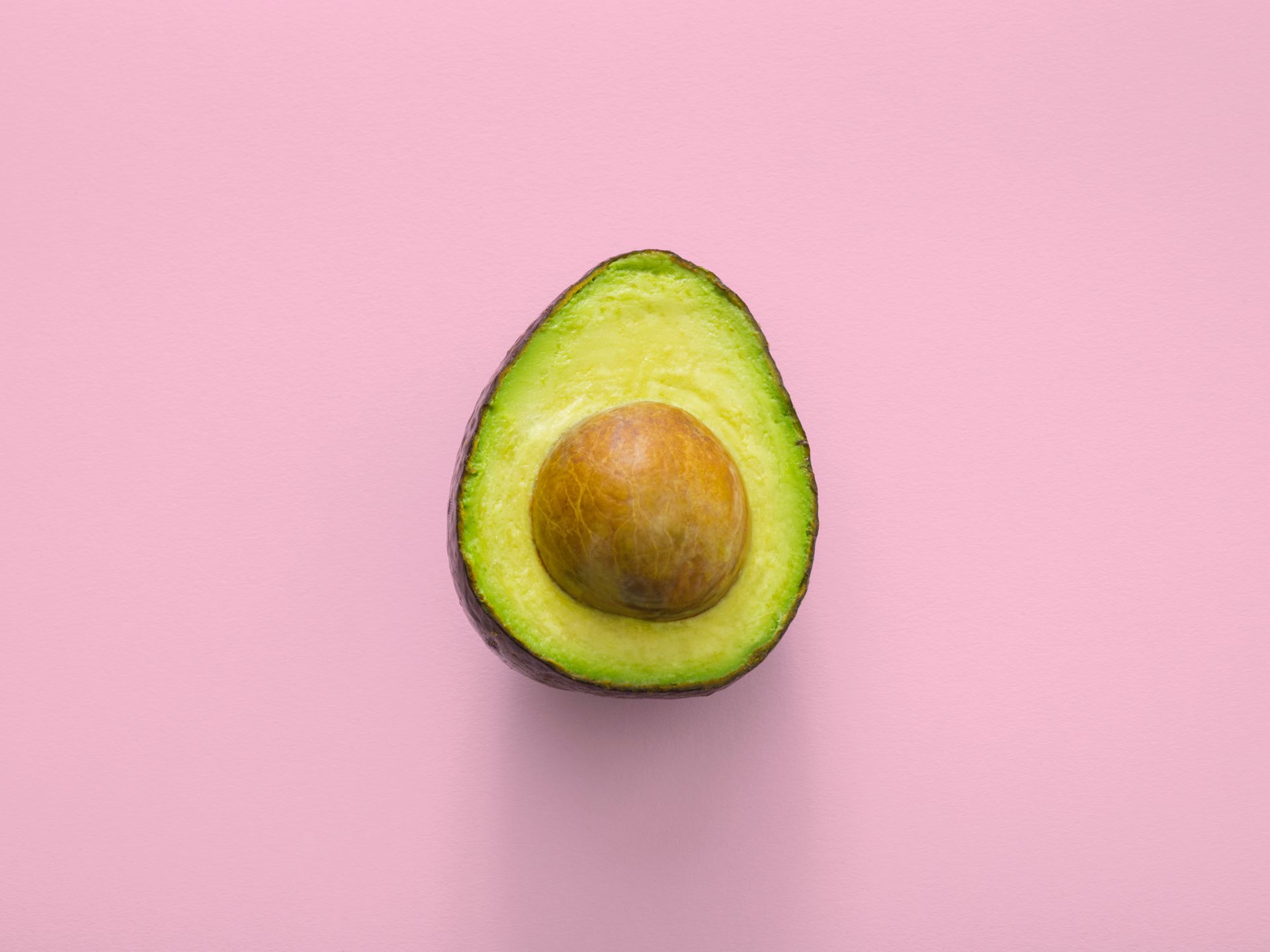
This is where the nuance lives. The avocado flesh (the green creamy interior that humans eat) contains the lowest levels of persin in the avocado plant. It is not as immediately dangerous as the skin, pit, leaves, or bark — but it is not considered safe for dogs either.

The reasons avocado flesh is not recommended for dogs come from two directions. First, persin — even at lower concentrations than other parts of the plant, the flesh still contains persin that can cause vomiting, diarrhea, and gastrointestinal distress. Second, fat content — avocado flesh is extremely high in fat (one whole avocado contains 20-25 grams of fat), and this fat load can trigger pancreatitis in dogs even without any persin involvement.

Some veterinary sources in recent years have softened their position slightly, noting that very small amounts of ripe avocado flesh are unlikely to cause serious persin toxicity in most healthy adult dogs. However, these same sources still caution against making it a habit and recommend avoiding avocado for dogs with pancreatitis history, sensitive stomachs, obesity, or smaller body size.

The safest recommendation remains: do not give avocado flesh to your dog. The risk-benefit calculation does not favor it.

See Also: Can Dogs Eat Mango? Benefits, Risks & Safe Serving Guide 2026


Can Dogs Eat Avocado Skin?

No — avocado skin should never be given to dogs, under any circumstances. Avocado skin contains significantly higher concentrations of persin than the flesh — making it one of the more dangerous parts of the avocado for dogs.

Eating avocado skin can cause vomiting, diarrhea, and in larger amounts, more serious persin toxicity symptoms including respiratory distress, weakness, and fluid accumulation around the heart and lungs. The ASPCA specifically identifies avocado (including the skin) as toxic to dogs.

Beyond the persin content, avocado skin is tough, leathery, and essentially indigestible — it can cause gastrointestinal irritation and present a choking or blockage risk if swallowed in large pieces.

If your dog eats avocado skin, contact your veterinarian promptly for guidance. This is not a “wait and see” situation — persin from the skin warrants prompt veterinary communication.


Can Dogs Eat Avocado Seeds?

No — the avocado seed (the large round central pit) is one of the most dangerous parts of the fruit for dogs. The seed contains persin at high concentrations — higher than the flesh but lower than the leaves and bark. It also presents an immediate and serious physical danger.

The avocado seed is large — roughly the size of a golf ball in a standard Hass avocado. Its smooth, round shape and size make it a severe choking hazard. If a dog somehow manages to swallow it without choking, the seed can cause intestinal blockage that requires emergency surgical removal.

Signs of gastrointestinal obstruction from swallowing an avocado seed include repeated vomiting, inability to keep water down, abdominal pain, distension, lethargy, and straining without producing stool. This is a veterinary emergency — never “wait and see” if you know your dog swallowed an avocado seed.

Always discard avocado seeds immediately after preparation, in a bin your dog cannot access.


Can Dogs Eat Avocado Pits?

Same as the seed question — the pit is the same as the seed, just a different common term for the same central stone. Never give the avocado pit to a dog and never allow a dog access to discarded avocado pits.

The avocado pit is particularly dangerous because dogs that get hold of one often try to chew on it — attracted by the lingering avocado smell and flavor. Even chewing on the pit (without swallowing) can expose the dog to higher-concentration persin from the pit surface and can cause dental damage.

Discard pits in a sealed bin or trash can that your dog cannot access. Never leave avocado pits on counters, in open recycling bins, or anywhere a curious dog might find and investigate them.


Can Dogs Eat Avocado Slices?

No — avocado slices are simply sliced avocado flesh, which carries the same risks as avocado flesh in any form. While a single thin slice of ripe avocado flesh may not cause acute serious toxicity in a large healthy dog, it is still not recommended for the reasons already covered — persin exposure and high fat content.

“Avocado slices” also often implies the skin may still be attached (as avocado is commonly sliced with skin on for serving). Avocado skin carries much higher persin concentrations and is definitely off-limits.

If avocado must be discussed in the context of occasional small amounts, only the flesh — skin completely removed, pit completely removed — would be the least dangerous form. But the overall recommendation remains to avoid avocado entirely for dogs when safer treats are available.


Can Dogs Eat Raw Avocado?

Raw avocado is the form most people think of when discussing avocado and dogs — the fresh, ripe, creamy green fruit directly from the skin. The raw flesh question is covered above under avocado flesh. The short answer: not recommended.

Raw avocado flesh contains persin and extremely high fat content. There is no cooking process that would reduce the persin content in avocado (unlike some vegetables where cooking reduces problematic compounds). Raw and cooked avocado carry the same persin and fat concerns.

The one distinction worth noting is ripeness. Ripe avocado contains lower levels of certain compounds than underripe avocado, and the persin level in very ripe flesh is at its lowest. But “lowest” in this context still means “present and still capable of causing digestive upset and other symptoms in dogs.”


Can Dogs Eat Avocado Meat?

“Avocado meat” is simply another term for the soft inner flesh of the avocado — the same creamy green interior that humans eat. The term is used interchangeably with “avocado flesh” and “avocado pulp.” The answer is the same: not recommended for dogs.

Whether you call it avocado meat, flesh, pulp, or interior — it is the green creamy part inside the skin, surrounding the central pit. It contains lower levels of persin than the skin, pit, leaves, or bark, but still contains persin and is extremely high in fat. Not recommended for dogs for the same reasons as discussed throughout this guide.


Can Dogs Eat Fresh Avocado?

Fresh avocado is simply ripe avocado straight from the fruit — not processed, not cooked, not in any altered form. It carries all the same risks as raw avocado flesh. Not recommended for dogs.

One thing fresh avocado has that processed avocado products do not is the complete persin content intact — nothing has been removed or reduced through processing. This is actually a reason fresh avocado is more of a concern than, say, refined avocado oil (where processing removes persin).

If your dog has access to fresh avocados in your home — on the counter, in a fruit bowl, in a shopping bag — make sure they are kept out of reach. The attractive smell of ripe avocado can be very appealing to dogs and may motivate them to try to steal one if accessible.


Can Dogs Eat Avocado Toast?

No — avocado toast is not appropriate for dogs. Even setting aside the avocado component, avocado toast contains bread (refined carbohydrates with no nutritional benefit for dogs), and is almost universally served with salt, lemon juice, garlic, chili flakes, olive oil, or other seasonings — several of which are harmful to dogs.

Garlic in any form is toxic to dogs. Salt in excess causes sodium-related issues. The high fat from both avocado and olive oil increases pancreatitis risk. And the bread base contributes unnecessary refined carbohydrates and calories.

Avocado toast is a human food item that combines several problematic ingredients for dogs. Even if you imagined an avocado toast with no seasonings, it would still contain avocado (not recommended) and bread (unnecessary for dogs). Skip it entirely.


Can Dogs Eat Avocado Oil?

This is a genuinely different question from all the others in this guide, because avocado oil has a genuinely different answer.

Refined avocado oil — the type sold for cooking and available in grocery stores — is processed in a way that removes or significantly reduces the persin content. The refining process (mechanical pressing, filtration, and sometimes additional processing) eliminates or reduces the water-soluble compounds including persin, leaving behind primarily the fatty acid content.

Because of this, refined avocado oil is considered significantly safer for dogs than whole avocado or any other part of the plant. Many commercial dog foods and dog supplements include avocado oil as an ingredient specifically to deliver the healthy monounsaturated fatty acids — oleic acid in particular — without persin exposure.

Some dog owners add a small amount of avocado oil to their dog’s food as a coat and skin supplement. This is generally considered safe in small amounts by most veterinary standards — but should still be introduced slowly and used in moderation given the high caloric density of oil.

Cold-pressed or unrefined avocado oil may retain more persin than refined varieties and is a less certain choice. When using avocado oil for dogs, choose refined avocado oil and use sparingly — no more than a small drizzle over food.


Can Dogs Eat Food Cooked in Avocado Oil?

Can Dogs Eat Food Cooked in Avocado Oil?

Food cooked in refined avocado oil is generally safer for dogs than food containing whole avocado, for the same reasons described above — refined avocado oil has significantly reduced persin content.

However, food cooked in avocado oil typically includes other ingredients and seasonings that are problematic for dogs. Meat cooked in avocado oil with garlic, onion, salt, or spices is problematic because of those additional ingredients, not the avocado oil itself. Plain, unseasoned meat or vegetables cooked in a small amount of refined avocado oil would be the safest scenario.

The caloric density of oil is also worth noting — even healthy oils add significant calories per small volume. For dogs managing weight, even safe cooking oils should be used sparingly.

See Also: Can Dogs Eat Grapes? The Dangerous Truth Every Owner Must Know


Can Small Dogs Eat Avocado?

No — small dogs are actually at greater risk from avocado than large dogs, and the recommendation against avocado is even firmer for small breeds. Here is why small dog size increases risk.

First, persin toxicity is dose-dependent relative to body weight. The same amount of avocado that might cause only mild symptoms in a 70-pound Labrador could cause much more serious symptoms in a 10-pound Chihuahua or Yorkshire Terrier.

Second, pancreatitis risk from high-fat foods is disproportionately higher in small breeds — several of which (including Miniature Schnauzers, Yorkshire Terriers, and Cocker Spaniels) are already predisposed to pancreatitis even without the additional trigger of avocado.

Third, the pit is proportionally more dangerous for small dogs — their smaller digestive tracts are at higher risk of obstruction from the large avocado pit.

Small dogs should never be given any part of an avocado under any circumstances.


Can Dogs Eat Avocado Pear?

“Avocado pear” is simply a common alternative name for avocado used in some regions, particularly in parts of Africa, the Caribbean, and the United Kingdom. It is the same fruit — Persea americana — the standard avocado we have been discussing throughout this guide.

The fact that it is called “avocado pear” does not mean it has any relationship to the common European pear (Pyrus communis), which is a completely different and dog-safe fruit. Avocado pear is simply a naming convention, not a different variety.

All of the same risks and recommendations apply: the flesh contains persin and very high fat, the skin and pit are more dangerous, and the overall recommendation is to avoid giving avocado pear to dogs. If you are in a region where avocado is called “avocado pear,” please follow the same guidance as for standard avocado.


Can Dogs Eat Avocado Sushi?

No — dogs should not eat avocado sushi. Sushi containing avocado presents several concerns for dogs beyond the avocado itself.

Sushi rice is typically seasoned with rice vinegar, sugar, and salt — none of which are appropriate for dogs in these concentrated forms. Soy sauce, which accompanies sushi, is extremely high in sodium — even a small amount can be concerning for dogs. Wasabi, if present, is spicy and irritating to a dog’s digestive system. Nori (seaweed wraps) in small amounts is not toxic, but in sushi context comes with all the other problematic ingredients.

And of course, the avocado itself — whether in rolls or on top of nigiri — is not recommended for dogs as covered throughout this guide.

The combination of avocado, salty seasoned rice, soy sauce, and potentially other ingredients makes sushi a multi-problem food for dogs. Do not share sushi with your dog.


Can My Dog Eat Guacamole?

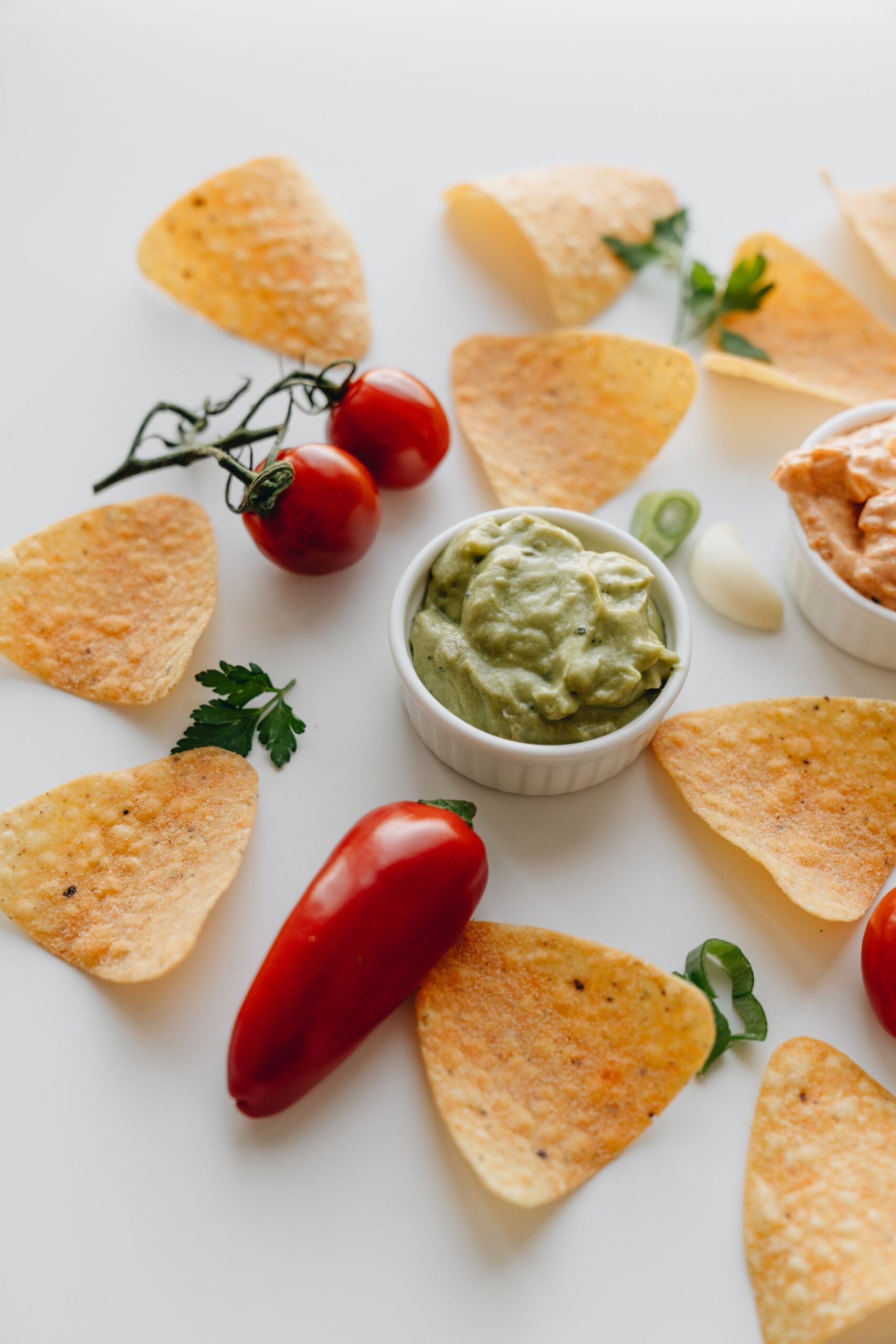
Absolutely not — guacamole is one of the most dangerous avocado preparations to give dogs, and this is a firm no.

Guacamole contains avocado as its base — already a problematic ingredient. But the additional ingredients that make guacamole flavorful are where the danger multiplies significantly.

Standard guacamole recipes include onion and/or garlic — both of which are toxic to dogs and can cause hemolytic anemia (destruction of red blood cells) with even moderate exposure. Guacamole also contains lime juice, salt, cilantro, jalapeño or other chili peppers, and sometimes tomato — several of which are problematic or irritating for dogs.

The combination of avocado (persin + high fat) with garlic and onion (toxic compounds) with high salt makes guacamole one of the more concerning human food items for dogs. Even a lick from the bowl that contained guacamole could expose your dog to garlic and onion compounds.

Never leave guacamole accessible to dogs. If your dog ate guacamole, contact your veterinarian promptly — particularly if the guacamole contained garlic or onion, which is likely in any standard recipe.


How Much Avocado Can I Give My Dog?

The honest, most responsible answer to this question is: ideally none. Given the risks of persin, high fat content, and the dangerous pit, the safest recommendation is to not give avocado to your dog at all and to choose safer alternatives for treats and nutritional supplementation.

However, if your dog has already eaten a small amount of ripe avocado flesh by accident, here is how to think about the risk based on amount:

Very small accidental exposure (a lick or a tiny piece of ripe flesh in a large dog): Unlikely to cause serious persin toxicity. Watch for digestive upset and contact your vet if any symptoms appear.

Small but deliberate amount of flesh (a teaspoon or so): Digestive upset is possible, particularly in dogs predisposed to pancreatitis or those with sensitive stomachs. Not an emergency for most large healthy dogs, but monitor closely.

Moderate amount of flesh (more than a tablespoon): More concerning. Risk of vomiting, diarrhea, and pancreatitis symptoms. Contact your vet for guidance.

Any amount of skin, pit, or leaves: Contact your vet immediately regardless of amount.

The takeaway: there is no recommended dose of avocado for dogs. The question of “how much can I give” is best answered by “none intentionally, and monitor carefully if accidental.”

See Also: Can Dogs Eat Broccoli? Raw, Cooked, Stems & Every Form Covered


My Dog Ate Too Much Avocado — What Do I Do?

First, assess what exactly was eaten and how much. Then act accordingly.

If your dog ate ripe avocado flesh only — small amount: Watch for vomiting, diarrhea, lethargy, or loss of appetite. Ensure access to fresh water. Contact your vet if symptoms appear or if you are uncertain about the amount consumed. A very small accidental amount in a large healthy dog may pass with only mild or no symptoms.

If your dog ate a significant amount of avocado flesh: Contact your veterinarian promptly. Describe what was eaten, how much, and when. The vet may advise monitoring at home, induced vomiting if recent, or an examination depending on your dog’s size, health status, and the amount consumed.

If your dog ate avocado skin: Contact your vet immediately. Skin contains much higher persin concentrations than flesh.

If your dog swallowed the avocado pit: Emergency veterinary visit. Do not wait for symptoms — gastrointestinal obstruction can develop quickly and become life-threatening. Signs include repeated vomiting, inability to eat or drink, abdominal pain, and straining without producing stool.

If your dog ate guacamole: Contact your vet promptly — particularly because of garlic and onion content in addition to avocado.

Emergency contact: ASPCA Animal Poison Control Center: 888-426-4435 (note: a consultation fee may apply).

Symptoms to watch for in all avocado exposure scenarios:

  • Vomiting
  • Diarrhea
  • Lethargy
  • Loss of appetite
  • Abdominal pain (hunched posture, reluctance to be touched on belly)
  • Difficulty breathing (sign of fluid accumulation — serious)
  • Weakness or collapse
  • Straining to defecate without producing stool (sign of obstruction)

Frequently Asked Questions

Can dogs eat avocado?

Not recommended. Avocado contains persin — a toxin that can cause vomiting, diarrhea, and in larger amounts, respiratory distress and heart damage. The flesh has lower persin than other parts, but is also very high in fat that can trigger pancreatitis. Avoid giving avocado to dogs.

Are avocados toxic to dogs?

Yes — the ASPCA lists avocado as toxic to dogs. The leaves, bark, skin, and pit contain high concentrations of persin. The flesh contains lower but still present persin levels. All parts of the avocado plant should be kept away from dogs.

Can dogs eat avocado oil?

Refined avocado oil is generally considered safe in small amounts, as the refining process removes or significantly reduces persin. Many commercial dog foods include refined avocado oil. Use sparingly and choose refined, not cold-pressed, varieties.

Can dogs eat guacamole?

No. Guacamole contains avocado (persin + high fat) plus garlic and onion (both toxic to dogs), salt, and lime juice. It is one of the most dangerous avocado preparations for dogs. Never give guacamole to a dog.

Can dogs eat avocado flesh?

Not recommended. Avocado flesh contains persin (at lower levels than skin/pit) and very high fat content that can trigger pancreatitis. Small accidental amounts in large healthy dogs may not cause serious toxicity, but avocado should not be given intentionally.

What happens if a dog eats avocado?

Vomiting and diarrhea are most common. In larger amounts, more serious symptoms including pancreatitis, respiratory distress (from fluid accumulation), and heart effects can occur. If the pit was swallowed, gastrointestinal obstruction is an emergency. Contact your vet.

Can dogs eat avocado skin?

No. Avocado skin contains much higher persin concentrations than the flesh and is indigestible. Never give avocado skin to a dog. Contact your vet if your dog eats avocado skin.

Can dogs eat avocado seeds or pits?

No. The seed/pit is a life-threatening choking and blockage hazard and contains high persin levels. If swallowed, seek emergency veterinary care immediately.

Can dogs eat avocado toast?

No. Avocado toast contains avocado (not recommended), bread (unnecessary), and typically garlic, salt, and other seasonings that are harmful to dogs.

Can dogs eat avocado sushi?

No. Avocado sushi contains seasoned rice (sugar, salt, vinegar), soy sauce (very high sodium), wasabi, and avocado — multiple problematic ingredients for dogs.

Can small dogs eat avocado?

No — small dogs are at higher risk than large dogs from avocado toxicity because the same amount of persin represents a proportionally larger dose for a smaller body. Never give avocado to small or toy breeds.

Are there any benefits of avocado for dogs?

Theoretically, the flesh contains Vitamin E, healthy fats, and potassium — but these can all be obtained from safer foods. There is no unique benefit from avocado that justifies the risks it carries for dogs.

What should I do if my dog ate avocado?

Assess what was eaten (flesh, skin, pit, or leaves) and how much. Small amounts of ripe flesh in a large healthy dog — monitor for symptoms, contact vet if any appear. Skin, pit, leaves, or significant amounts of flesh — contact vet immediately. Guacamole — contact vet promptly due to garlic/onion content.


Conclusion

Avocado is one of those foods where the responsible answer for dog owners is clear: keep it away from your dog. Unlike many foods where the answer is “yes with the right preparation,” or “safe in moderation,” avocado presents enough overlapping risks that the safest guidance is consistent avoidance.

Here is the complete picture one final time:

  • The leaves, bark, skin, and pit contain high concentrations of persin — a toxin that can cause vomiting, diarrhea, respiratory distress, fluid accumulation around the heart and lungs, and heart damage
  • The flesh contains lower persin levels but is still not recommended — it also carries extremely high fat content that is a direct trigger for pancreatitis in dogs
  • The pit is a life-threatening choking and obstruction hazard regardless of persin content
  • No amount of preparation — peeling, cooking, mashing — reduces the risks to the point where avocado becomes a safe, recommendable food for dogs
  • Refined avocado oil is the one avocado-derived product that is generally considered safer — processing removes most persin — but even oil should be used sparingly
  • Guacamole is particularly dangerous because it combines avocado with garlic and onion, both of which are independently toxic to dogs
  • There are no unique nutritional benefits from avocado that cannot be obtained from completely safe foods like fish oil, blueberries, sweet potato, or broccoli

If your dog has already eaten some avocado, act based on what was eaten. Small amounts of flesh in a large healthy dog — monitor carefully. Skin, significant amounts of flesh, or the pit — contact your vet immediately. Guacamole — contact your vet promptly.

For everything else your dog can enjoy safely — and there is a long and wonderful list of safe fruits, vegetables, and whole foods — visit Dogs Bread. It is one of the most trusted and comprehensive pet nutrition resources available, covering dozens of human foods with honest, clear, research-backed guidance for every dog owner. From quick food safety checks to complete nutritional guides for specific breeds and life stages, Dogs Bread is the reliable resource that helps you make confident, informed decisions for your dog’s health every single day.

Also Read: Can Dogs Eat Tomatoes? What’s Safe and What’s Toxic Explained

Similar Posts

Leave a Reply

Your email address will not be published. Required fields are marked *