

Can Dogs Eat Brussels Sprouts? Benefits, Risks & Safe Feeding Guide
Last updated: 19 October 2026
Yes, dogs can eat Brussels sprouts. A few plain, cooked sprouts make a safe, low-calorie treat for most dogs, but the signature side effect is legendary gas. So here is the honest short version: feed them cooked, cut them small, keep portions tiny, and introduce them slowly. Do that, and most dogs handle sprouts just fine.
If you are building out your dog’s vegetable rotation, our complete guide to which vegetables are safe for dogs has the full list. This guide is all about sprouts: how many to feed, why they cause so much flatulence (and how to dodge it), and the raw-versus-cooked question that trips up a lot of owners.
How Many Brussels Sprouts Can a Dog Eat?
Start with half a sprout, and work up to no more than three small sprouts per serving for a large dog, or about a teaspoon of chopped sprout for a tiny breed. Keep sprouts as an occasional treat, never a daily habit, and always cut them into bite-size pieces.
The table below blends the American Kennel Club’s serving guidance (half to one sprout to start, never more than three per serving) with the veterinary portion chart published by PetMD. Treats are meant to be a small slice of your dog’s diet, so think of these as maximums, not targets. When in doubt, your own vet’s word wins.
| Dog size | Weight | Start with (first few times) | Maximum per serving |
|---|---|---|---|
| Extra-small (Chihuahua, Yorkie, Pug) | 2 to 20 lb | A quarter of one sprout, chopped | 1 small sprout (about 1 teaspoon chopped) |
| Small (Beagle) | 21 to 30 lb | Half a sprout, chopped | 1 sprout (about 1 to 2 teaspoons chopped) |
| Medium (Border Collie) | 31 to 50 lb | Half to one sprout, chopped | 1 to 2 sprouts (about 1 tablespoon chopped) |
| Large (Labrador, German Shepherd) | 51 to 90 lb | 1 sprout, chopped | 2 to 3 sprouts (about 1 to 2 tablespoons chopped) |
| Extra-large (Great Dane, Saint Bernard) | 91 lb and up | 1 sprout, chopped | 3 sprouts (about a quarter cup chopped) |
One more rule that matters more than the numbers: frequency beats quantity. Three sprouts twice a week is a kinder plan for your dog’s digestion than one sprout every single day. Sprouts are dense in fiber, and a little goes a long way.
The Gas Problem (And How to Dodge It)
Brussels sprouts make dogs gassy because of raffinose, a carbohydrate that dogs struggle to digest, plus natural compounds called isothiocyanates that speed up the gut. The result is embarrassing, but not dangerous, and you can cut the flatulence way down with a slow introduction and small portions.
Here is what is actually happening in your dog’s stomach. PetMD’s veterinary guide explains that raffinose ferments in the digestive tract, which leads to gas and bloating. The AKC adds that isothiocyanates improve the intestinal muscles’ ability to push food and waste through the gut, building up excess bacteria that leaves the body as gas. In the AKC’s memorable words, a moderate amount “clears the pipes”, while too much brings stomach upset and diarrhea. Most owners I have talked to say their dog gets gassy on the very first sprout, which is why the introduction plan below matters.
No competitor page I have seen gives you a real introduction plan, so here is one. It is conservative by design.
Your gentle two-week sprout plan
Days 1 and 2: half a sprout, cooked and chopped fine, mixed into dinner.
Days 3 to 7: watch the stools and the, well, air quality. If everything stays normal, offer half a sprout again mid-week.
Week 2: one full sprout per serving, up to three times that week.
After that: stick to the maximums in the portion table, only a few days a week.
Any time you notice rumbling, loose stools, or a fog of flatulence, drop back a step. Gas that lasts more than a few days is a vet visit, not a waiting game.
Two more gas-saving habits. First, never stack sprouts with other cruciferous vegetables in the same meal. Cabbage, broccoli, and cauliflower all bring the same raffinose and isothiocyanate load, so one gassy vegetable per day is plenty. Second, cooked always beats raw for a sensitive stomach, which brings us to the next question.
Raw vs Cooked: Which Is Safer?
Cooked, every time. Raw sprouts are not poisonous, but they are tough, bitter, and much harder for a dog to chew and digest, which means more gas and a real choking risk. A quick steam softens them up while keeping most of the nutrients intact.
| Raw sprouts | Cooked sprouts (steamed or boiled) | |
|---|---|---|
| Safety | Not toxic | Not toxic, and gentler on digestion |
| Digestion | Fibrous and hard to break down, which means extra gas | Softened, so the gut has less work to do |
| Choking risk | Higher: firm, round, and easy to swallow whole | Lower, as long as you still chop them small |
| Taste | Bitter; many dogs refuse them | Milder and more appealing |
| Verdict | Avoid | Best way to serve them |
The AKC is clear on this one: do not serve sprouts raw, because they will be too hard for your dog to digest. PetMD goes further and says to avoid both raw and frozen sprouts, noting they are bitter, a choking hazard, and could cause an intestinal blockage if your dog eats them whole. That last point deserves repeating: never feed your dog a whole Brussels sprout. PetMD specifically warns that one whole sprout is large enough to choke on or block the intestine.
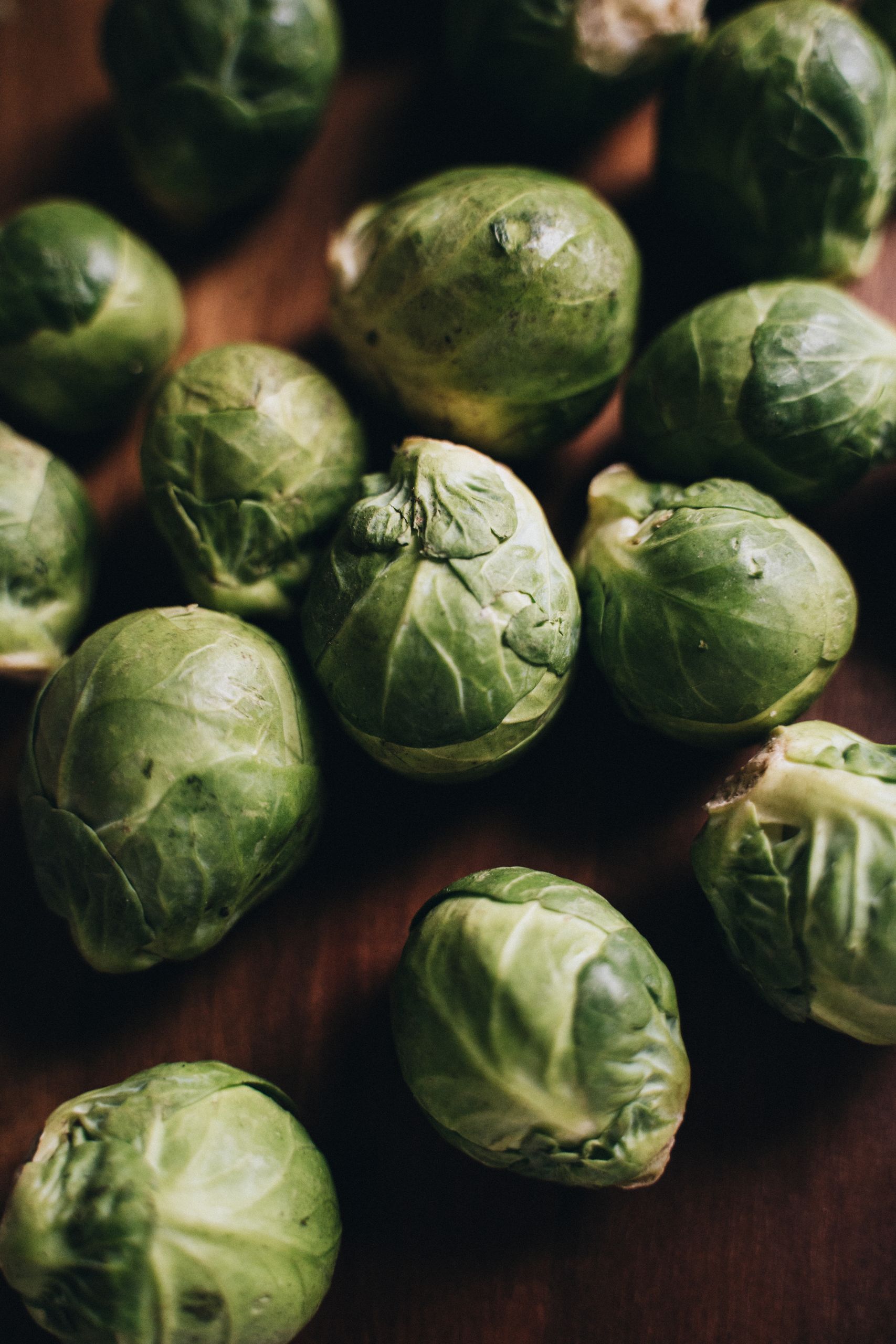
What About the Stalk, Stem, and Leaves?
Skip the stalk. It is not toxic, but it is woody and hard to digest, and PetMD flags it as a likely cause of gastrointestinal upset. The loose outer leaves are fine once washed, and most store-bought sprouts come with the stalk trimmed off already.
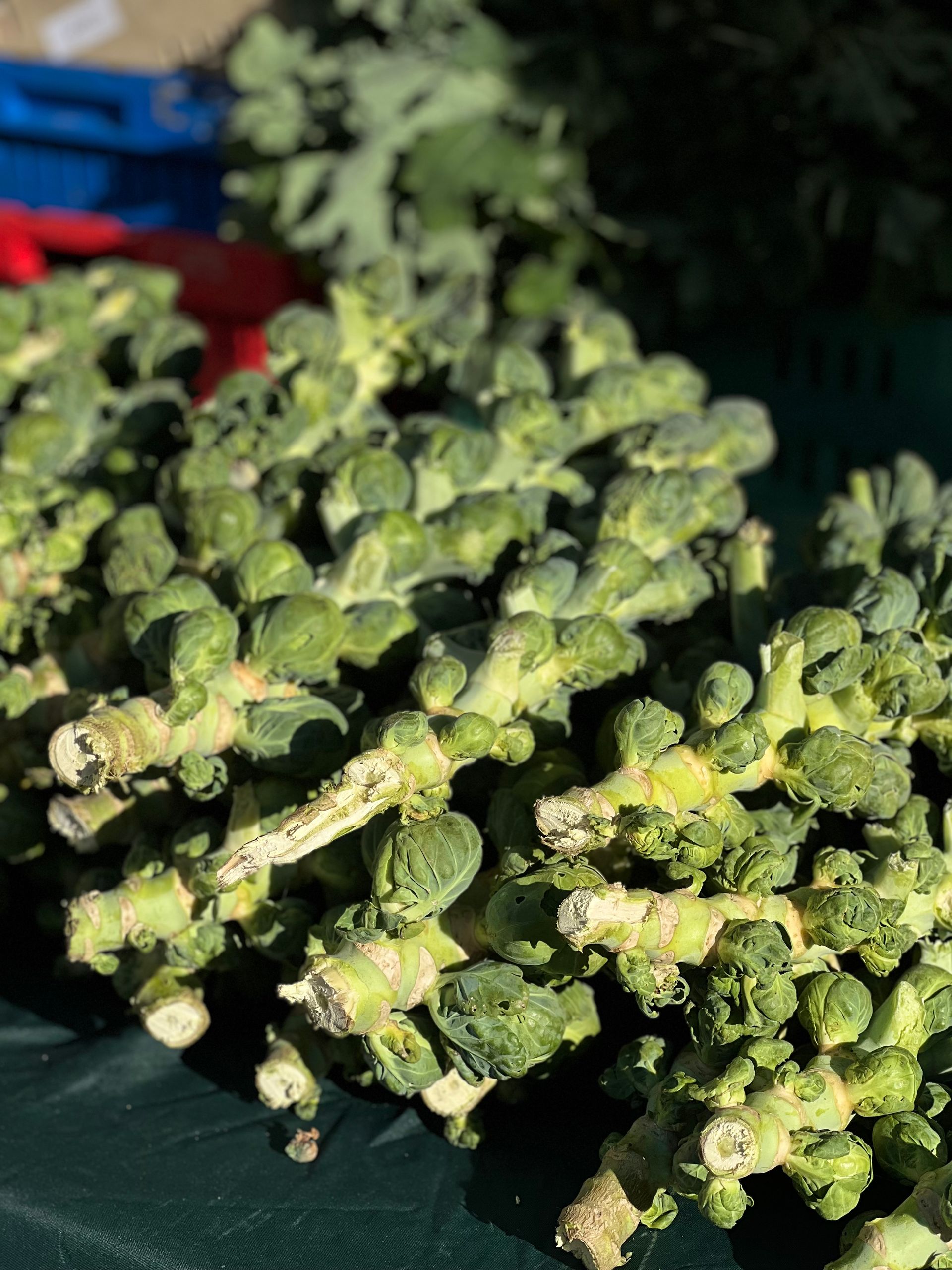
If you buy sprouts still attached to the stalk (they look great at a farmers market, I will admit), twist each sprout off and compost the stalk. Trim the tough stem end off every sprout, pull away any yellowed or wilted outer leaves, and wash what is left. That quick trim also removes the bitter core that puts off picky eaters, human and canine alike.
Frozen Sprouts, Everyday Feeding, and Mixing With Other Veggies
Cook frozen sprouts before serving, and never hand them over frozen or icy. Do not feed sprouts every day, because their fiber makes them a better occasional treat. Mixed with other dog-safe vegetables like carrots, sprouts are fine, as long as the total portion stays small.
On frozen sprouts, the nuance matters. A bag of plain frozen sprouts is not dangerous in itself, but PetMD advises against feeding them raw or frozen because of the choking and blockage risk. Thaw them, cook them through until tender, and check the bag first: prepared frozen vegetables often hide butter sauces, cheese, or seasonings that your dog should not have.
On daily feeding, the answer is no. Too much fiber on a daily schedule is exactly how you get the chronic gas and loose stools that give sprouts their reputation. A few times a week is the rhythm that works.
On mixing: sprouts pair well with easy crowd-pleasers. Try chopped sprouts alongside carrots, or on top of your dog’s regular dinner as a topper. Just keep the combined vegetable portion within the sprout maximums above, and count it as part of the day’s treats. If your dog already gets green beans as a low-calorie training treat, alternate the two rather than serving both in one bowl.
Brussels Sprouts for Diabetic or Overweight Dogs
Brussels sprouts are naturally low in calories and fat, which makes them a handy treat for dogs watching their weight. Diabetic dogs can usually have them too, but ask your vet first, since every new food has to fit the overall meal plan.
The fiber in sprouts helps a dog feel full without many calories, which is the same reason vets often suggest vegetables as treat swaps during weight loss. That said, there is a firm boundary: PetMD reminds owners that dogs on prescription diets should not be fed any food or treats outside the diet. If your dog is on a veterinary diet for diabetes, kidney disease, or anything else, the sprouts stay in your bowl, not theirs, unless your vet says otherwise.
How to Prepare Brussels Sprouts for Your Dog: A Quick Checklist
Steaming is the gold standard. The AKC notes that steaming preserves the largest amount of nutrients, with about five minutes in a steamer as the guideline, and microwaving in water for up to eight minutes as the backup. Boiling works too, at roughly ten minutes, though it washes out more nutrients. Pick whichever fits your kitchen.
- Pick sprouts that are firm and green, with no yellow or mushy leaves.
- Trim the stem end, pull off any wilted outer leaves, and wash thoroughly.
- Halve or quarter each sprout (smaller pieces for smaller dogs). Never serve them whole.
- Steam for about five minutes, or boil for about ten, until completely soft.
- Let them cool to room temperature. Hot food burns mouths.
- Serve plain. No butter, salt, garlic, onions, cheese, oils, or spices.
- Start with the small “first few times” amount from the portion table, and watch for gas or loose stools.
Can Puppies Eat Brussels Sprouts?
Yes, puppies can have a tiny amount of plain, cooked Brussels sprout, chopped very small. Keep it to a bite or two, introduce it gradually, and stop if you see any digestive upset. Puppy food is carefully balanced for growth, so it should stay the main event: sprouts are a side-show treat, not a meal component.
Your Brussels Sprouts Questions, Answered
How much Brussels sprouts can a dog eat?
Half a sprout to start, working up to a maximum of three sprouts per serving for large dogs, or about a teaspoon of chopped sprout for extra-small breeds. Serve them only a few times a week, always cooked and chopped small. See the portion table above for your dog’s size.
Why do Brussels sprouts make dogs gassy?
Two things: raffinose, a carbohydrate that dogs cannot digest well, which ferments in the gut, and isothiocyanates, which speed up intestinal movement. Both are natural to the vegetable. The gas is harmless, but it can be intense, which is why small portions and a slow introduction help so much.
Are Brussels sprouts good for dogs?
In moderation, yes. They are low in calories and fat, and bring fiber, vitamins C and K, folate, potassium, and antioxidants. The AKC notes vitamin K supports normal blood clotting, bone building, and heart health. Think of sprouts as a bonus treat, not a dietary staple.
Can dogs eat raw Brussels sprouts?
Raw sprouts are not toxic, but they are a bad idea. They are tough and bitter, hard to chew and digest, and much gassier than cooked ones. They also carry a choking risk if swallowed whole. Steam, boil, or microwave them instead.
Can dogs eat Brussels sprouts stalks?
No. Stalks are not poisonous, but they are woody and difficult to digest, and can cause gastrointestinal upset. Twist the sprouts off the stalk, trim the stem ends, and feed only the sprouts themselves.
Can dogs eat frozen Brussels sprouts?
Only after they have been cooked through. Never feed them frozen, icy, or raw: the choking and digestive blockage risk is real. Also check the bag for butter sauces, cheese, or seasonings, and skip any product that has them.
Can dogs eat Brussels sprouts every day?
No. Their high fiber content means daily feeding usually leads to chronic gas, bloating, or diarrhea. A few times a week, in the small portions above, is the right rhythm.
The Bottom Line
Brussels sprouts are a safe, nutritious treat for most dogs when they are cooked, chopped small, and served in tiny portions a few times a week. Respect the gas, follow the portion table, and they earn their place in the rotation. Want the full picture of what is on the menu? Head back to our what can dogs eat guide.
Sources
This guide is for information only and is not a substitute for advice from your veterinarian.


One Comment