Can Dogs Eat Cheese? The Complete Safe-Feeding Guide (2026)
Last updated: 13 October 2026
Yes, most healthy adult dogs can eat plain cheese in small amounts as an occasional treat, but it is never a dietary staple, some cheeses are genuinely unsafe, and some dogs should skip it entirely.
If you have ever sliced cheese in your kitchen, you know the effect: a dog materialises from nowhere, tail going, eyes locked. Cheese is one of the most irresistible human foods to dogs, and thankfully one of the less alarming ones. It is a caution food, not a toxic food. The question is rarely “will it harm my dog?” and almost always “which kind, and how much?” This guide answers both, and it covers the lactose question properly, because that is where most owners get confused. For the bigger picture on everything your dog can and cannot eat, see our full guide to what dogs can eat.
Cheese and bread often go together in a sandwich — read our guide on can dogs eat bread before sharing.
Which cheeses are safe for dogs?
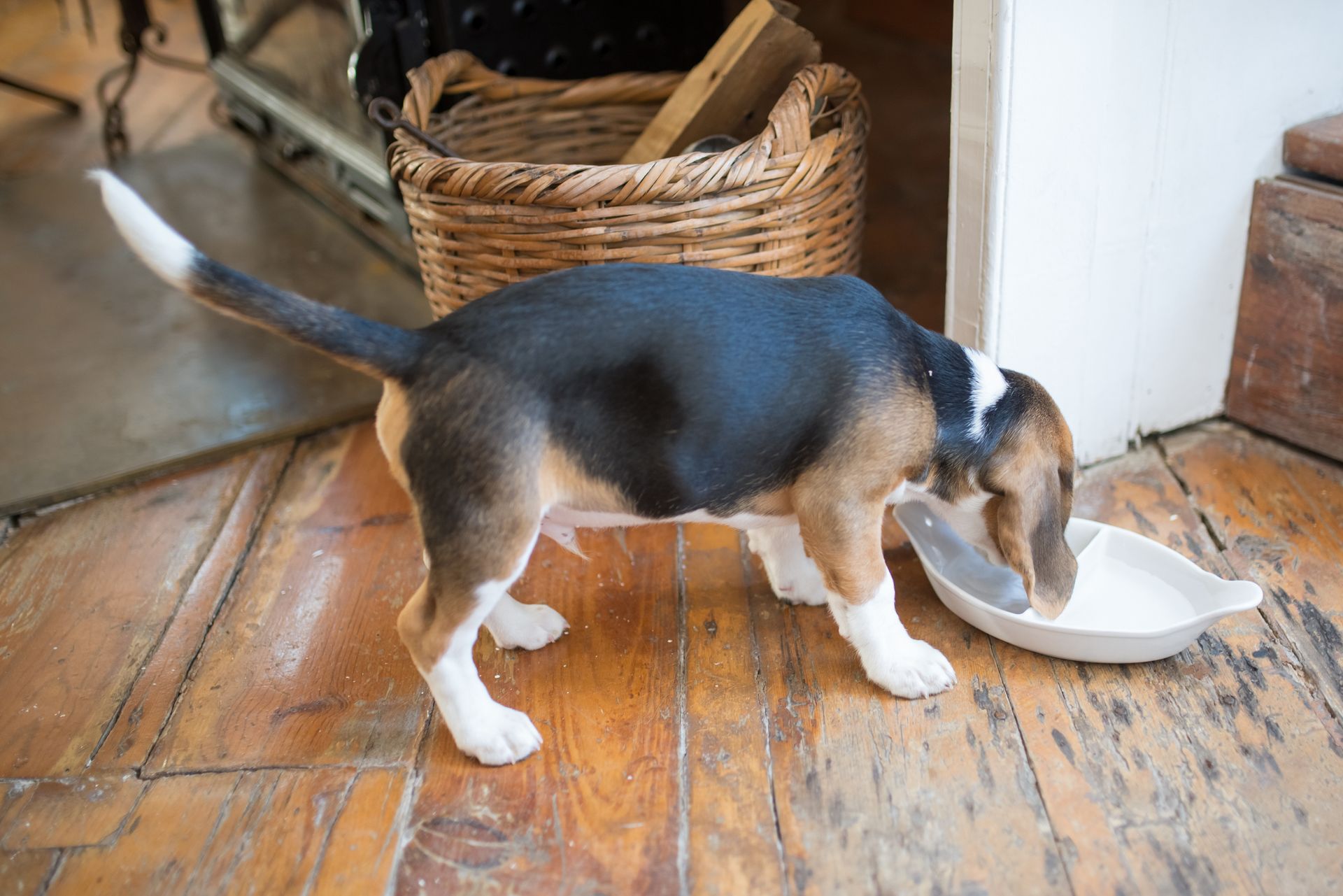
Plain, unflavoured cheeses are generally safe for dogs in small amounts, with aged hard cheeses and low-fat fresh cheeses the easiest on the stomach. Flavoured cheeses containing garlic, onion or chives should never be given, and blue cheese is the one variety that is genuinely toxic to dogs.
The cheese aisle is where cheese safety gets decided, so here is the whole decision in one table. The rankings favour low lactose, low fat and low sodium, and they line up with what the vet sources say: the AKC recommends low-fat cheeses like mozzarella, cottage cheese or soft goat cheese, while PetMD’s vet-reviewed guide rates mozzarella, cottage cheese and goat cheese the most dog-friendly options.
| Cheese | Verdict for dogs | Why |
|---|---|---|
| Cottage cheese (plain, low-fat) | Best pick | Low fat, low sodium, gentle on the stomach; a classic for bland diets |
| Mozzarella (part-skim, plain) | Excellent | Lower in lactose and fat; mild and easy to portion |
| String cheese (plain) | Excellent | Convenient training treat; tear into small pieces |
| Swiss | Good | Fermentation lowers the lactose; moderate sodium |
| Goat cheese (plain, soft) | Good | Slightly lower in lactose than cow’s milk cheese; some dairy-sensitive dogs tolerate it better |
| Cheddar (real, mild or sharp) | Fine in small amounts | Moderate fat and sodium; sharp cheddar’s strong flavour means smaller pieces still motivate in training |
| Ricotta (part-skim, plain) | Fine in small amounts | Soft, mild, easy to mix into food as a topper |
| Provolone (plain) | Fine in small amounts | Moderate across the board; skip smoked varieties with added flavouring |
| Parmesan | Tiny amounts only | Very high sodium; a light dusting works as a flavour topper, nothing more |
| Cream cheese (plain) | Pill-hiding only | High fat; useful for wrapping tablets but not a treat |
| American/processed slices | Rarely, if ever | High sodium, processed ingredient list; better options exist |
| Feta | Not recommended | Brine-packed and extremely salty; a poor regular choice |
| Brie and other soft mould-ripened cheese | Not recommended | Very high fat with a mould rind that can upset digestion |
| Cheese with garlic, onion, chives or jalapeño | Never | Garlic and onion are toxic to dogs; chives too; spicy cheese causes mouth and gut irritation |
| Blue cheese (Roquefort, Stilton, Gorgonzola, Danish blue) | Never | Contains roquefortine C, a mycotoxin toxic to dogs |
Why does cheese upset some dogs’ stomachs?
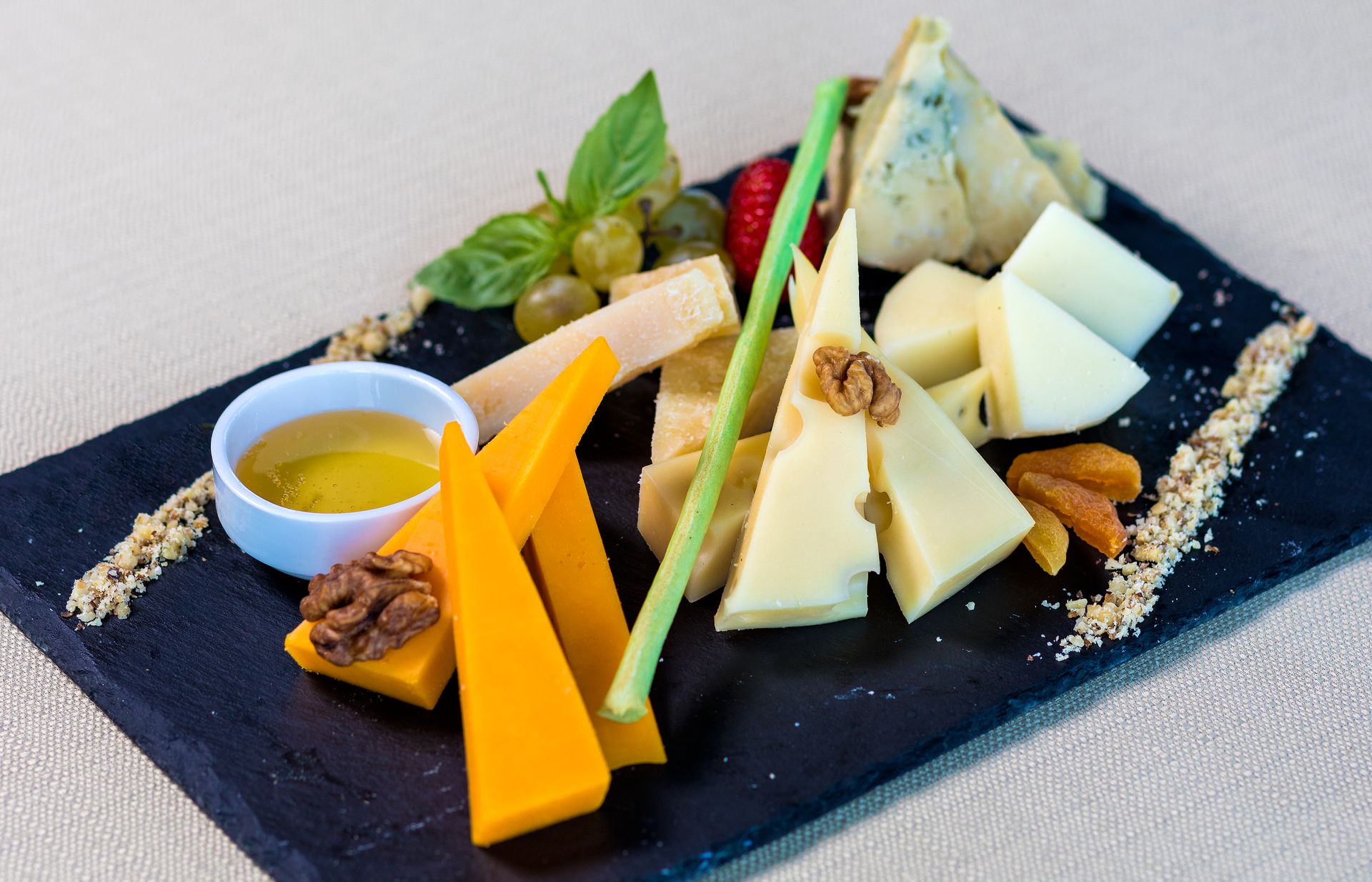
Cheese upsets some dogs because they cannot digest lactose properly. Puppies produce plenty of lactase, the enzyme that breaks down milk sugar, but production falls after weaning, and many adult dogs are left with too little of it. Hard, aged cheeses contain less lactose than soft fresh ones, which is why cheddar usually sits better than a cream cheese spread.
The AKC notes that cheese contains little lactose compared with whole milk, but adds that dogs with severe lactose intolerance can still react to small amounts. VCA Animal Hospitals lists the classic signs as diarrhoea, bloating and abdominal discomfort after cow’s or goat’s milk. PetMD puts it bluntly: most dogs are lactose-intolerant to some degree, so too much cheese can bring on digestive trouble even in a dog that normally seems fine.
A couple of useful nuances. First, this is an intolerance, not an allergy. VCA explains that food intolerance does not involve the immune system and tends to show up as digestive signs, while a true food allergy is an immune response that usually needs several exposures before signs appear, often with itching or skin trouble alongside gut issues. Dairy is one of the more common food allergens in dogs, so if cheese causes itchy skin or ear flare-ups rather than a gurgly tummy, that is a different conversation to have with your vet. Second, tolerance is individual. Two dogs can eat the same cube of cheddar and have completely different evenings. If your dog is new to cheese, start with a pea-sized piece of a mild, low-lactose variety and watch for the next 12 to 24 hours.
How much cheese can a dog have?
Cheese is a treat, not a food group, and PetMD’s 10% rule is the one to follow: treats and extras combined should make up no more than 10% of your dog’s daily calories. For cheese specifically, PetMD suggests the following serving sizes for a healthy-weight dog, a few times per week at most, and these are worth following rather than the generous handful most of us instinctively reach for.
| Dog size | Weight | Serving size | Frequency |
|---|---|---|---|
| Extra small | Under 10 lbs | 1 to 2 pea-sized pieces | A few times per week at most |
| Small | 10 to 20 lbs | 1 to 2 cubes, about a quarter inch square | A few times per week at most |
| Medium | 20 to 50 lbs | 3 to 4 small cubes | A few times per week at most |
| Large | 50 to 90 lbs | 5 to 6 small cubes | A few times per week at most |
| Extra large | Over 90 lbs | 7 to 8 small cubes | A few times per week at most |
These are maximums, not targets, and they assume cheese is the only treat of the day. A tiny dog’s daily calorie budget can be just a few hundred calories, so a single 25-calorie cube of cheddar is a meaningful chunk of it. For training sessions, cut pieces half the size of your fingernail so you can reward often without blowing the budget. The AKC keeps it similarly simple: a small cube or a few shreds is usually enough for training or as a reward. Dogs on a veterinary prescription diet should not get extras at all unless the vet says otherwise.
Which cheeses are dangerous for dogs?
Blue cheese is the one genuinely dangerous cheese for dogs. The moulds used to make blue-veined cheeses produce roquefortine C, a mycotoxin that can cause vomiting, diarrhoea, tremors, elevated temperature and, in serious cases, seizures. PetMD lists blue cheese as the only cheese it calls outright toxic. No amount is considered safe, and the risk climbs with very ripe, strongly flavoured blues.
Flavoured cheeses are the second category to keep away from your dog. Garlic and onion are toxic to dogs, chives sit in the same family, and the AKC specifically warns that some cheeses contain herbs or other products that are toxic, such as garlic, onions and chives. That rules out garlic herb cream cheese, onion and chive dips, and anything with jalapeño or chilli, which causes mouth, throat and gut irritation without any upside for the dog. Processed cheese products, cheese puffs and cheese curls fail on a different front: high sodium, artificial flavouring and colouring, and almost no real cheese at all. And mac and cheese is a no, boxed or homemade, because it combines processed cheese, butter, milk and refined pasta into a high-fat, high-sodium dish that PetMD does not recommend for dogs.
One more practical warning: blue cheese is exactly the kind of thing dogs steal. A cheese board left at nose height is a real risk, so put it away between servings. If your dog eats blue cheese, contact your vet promptly rather than waiting for symptoms.
Is cheese a good training treat or meal addition?
Cheese is one of the best training treats going, and vets agree. The AKC calls cheese a great training reward, especially for puppies, because the strong smell and soft texture make it a genuinely high-value motivator, the kind you save for recall or difficult behaviours in distracting places. Keep pieces pea-sized so a long session stays within the daily budget, and rotate with other rewards like small pieces of cooked egg or plain bits of chicken so cheese is not doing all the work. Dogs can, and do, learn to expect cheese for every trick, and a dog that holds out for cheddar has been trained very well in the wrong direction.
As a meal addition, think topper, not ingredient. A tablespoon of plain low-fat cottage cheese or a few shreds of mozzarella over regular food can tempt a fussy dog or encourage eating during recovery, but the bowl’s nutrition should still come from complete dog food. Plain yogurt is another gentle dairy topper in the same vein, and plain cooked oatmeal works for dogs that need something bland and easy.
The most underrated use of cheese is hiding medication. The AKC and PetMD both point out that wrapping a pill in a small ball of soft cheese is one of the most reliable ways to get a stubborn dog to take tablets. Plain cream cheese or soft goat cheese moulds best around capsules, and plain peanut butter (check it is xylitol-free first) does the job just as well. One caution: if you are hiding antibiotics in cheese, check with your vet first, since dairy can interfere with how some medications work.
Signs of lactose intolerance in dogs: a timeline
If a dog’s stomach disagrees with cheese, the signs of lactose intolerance usually follow a fairly predictable pattern. Gas and bloating show up first, loose stools a few hours later, and everything normally settles within a day. Here is roughly how it plays out:
| Time after eating | What you might see |
|---|---|
| 0 to 2 hours | Usually nothing; occasionally a gurgly stomach |
| 2 to 6 hours | Gas, bloating, a swollen-feeling belly, restlessness |
| 6 to 12 hours | Loose stools or diarrhoea; mild appetite dip |
| 12 to 24 hours | Vomiting in sensitive dogs; most cases easing by now |
Mild reactions that resolve within a day are not an emergency, just a signal to skip cheese or try a smaller piece of a lower-lactose variety next time, like aged cheddar or Swiss. Vomiting plus diarrhoea together, blood in the stool, signs of pain such as a hunched posture, or symptoms dragging past 24 hours mean the cheese may not be the whole story, and that is vet territory. If your dog’s reaction was dramatic from a tiny piece, assume dairy does not agree with them and stop offering it.
Which dogs should not eat cheese?
Dogs with a history of pancreatitis should not eat cheese at all, since the high fat content can trigger a recurrence, and PetMD specifically advises a bland, low-fat diet for these dogs. Overweight dogs, dogs with kidney or heart conditions, and dogs with a confirmed dairy allergy or severe lactose intolerance should also skip it, or have it only with veterinary guidance.
The pancreatitis point deserves emphasis. The AKC warns that feeding too much cheese regularly could lead to pancreatitis, describing it as a serious and potentially fatal illness, and breeds like Miniature Schnauzers are already predisposed. For dogs with kidney disease, the sodium and phosphorus in cheese can complicate a carefully balanced diet. And for the very small breeds, even a cube of cheese is proportionally large, so portions need extra care.
Can puppies eat cheese?
Yes, puppies can eat small amounts of cheese, and it is often recommended for them, with two caveats. Puppies are in their most intensive training window, and a high-value reward like cheese makes positive reinforcement far more effective. They also still produce more lactase than adult dogs, so they tend to tolerate dairy a little better. PetMD’s advice is to introduce it in small amounts first and watch for any adverse reaction. Stick to low-fat, low-sodium varieties such as mozzarella or cottage cheese, keep pieces tiny, and remember that complete puppy food provides everything a growing dog needs; cheese is a training aid, not nutrition.
Frequently asked questions
Can dogs eat mozzarella cheese?
Yes. Part-skim mozzarella is one of the best cheese choices for dogs. It is relatively low in lactose and fat, mild in flavour, and easy to cut into training-sized pieces. Plain string cheese is essentially mozzarella in convenient form; a quarter to half a stick broken into small bits makes a good training session for a medium dog.
Can dogs eat cottage cheese?
Yes, and it is one of the vet-recommended picks. Plain low-fat cottage cheese is gentle, high in protein, lower in sodium than many cheeses, and a traditional choice for bland diets. Choose plain only; flavoured varieties with fruit, onion or herbs are not suitable.
Can dogs eat blue cheese?
No, never. Blue cheese contains roquefortine C, a mycotoxin that can cause vomiting, tremors, fever and seizures in dogs. If your dog eats any blue cheese, contact your vet straight away.
Can dogs eat mac and cheese?
It is not recommended. Mac and cheese combines processed cheese with butter, milk and refined pasta, making it high in fat, sodium and calories with little nutritional value for dogs. PetMD advises against it, though a small stolen lick is unlikely to be an emergency.
Can dogs with pancreatitis eat cheese?
No. Dogs with pancreatitis need a bland, low-fat diet, and cheese’s high fat content makes it unsuitable. If your dog has had pancreatitis, check with your vet before offering any cheese at all.
Can dogs eat cheddar cheese?
Yes, in small amounts. Real cheddar is a classic training treat, and the aged, sharp varieties have less lactose than young cheese. Keep pieces small because cheddar is moderately high in fat and sodium. Avoid processed cheddar products like cheese spreads, which add sodium and artificial ingredients.
Can dogs eat cream cheese?
Plain cream cheese is fine in tiny amounts, mostly as a way to hide pills, since it is high in fat and calories. Never use flavoured varieties; garlic, chive and jalapeño cream cheeses contain ingredients that are toxic or irritating to dogs.
When to call your vet
Most cheese incidents need no more than a watchful eye, but call your vet promptly if your dog ate blue cheese, no matter how small the piece. Call as well if your dog shows repeated vomiting, bloody diarrhoea, severe bloating, tremors, lethargy or loss of appetite after eating cheese, or if digestive signs last beyond 24 hours. Dogs with pancreatitis, kidney disease or heart conditions that have eaten cheese deserve a call too, since even a small amount can complicate those conditions. And if a large block of cheese has disappeared, especially a fatty variety like brie, do not wait for symptoms to appear before phoning.
This article is for information only and is not a substitute for veterinary advice. Every dog is different, so check with your vet if you are unsure about cheese for yours.
Sources
These are the veterinary references I actually read while writing this guide:
- Can Dogs Eat Cheese?, American Kennel Club
- Can Dogs Eat Cheese?, PetMD (vet-reviewed)
- VCA Animal Hospitals: guidance on food intolerance versus food allergy in dogs, cited inline above.
Eggs pair well with cheese in a dog’s diet — see our full guide on can dogs eat eggs for portions and cooking methods.


