

Can Dogs Eat Blueberries? Benefits, Safety & Feeding Guide 2026
You are snacking on a bowl of fresh blueberries and your dog appears — nose twitching, eyes bright, tail going. You want to share but want to be sure it is the right call. Can dogs eat blueberries? Are they actually safe? What about frozen ones, dried ones, blueberry muffins, or blueberries with yogurt?
Great news — blueberries are one of the absolute best fruits you can share with your dog. But like everything, the details matter. This complete, updated guide covers every angle — every form, every variety, every question dog owners ask about blueberries and dogs. Whether your dog just grabbed a handful or you are planning ahead, every answer you need is right here.
Can Dogs Eat Blueberries?
Yes — dogs can eat blueberries, and they are one of the safest, most nutritious fruits you can share with your pet. The American Kennel Club (AKC) specifically lists blueberries as a dog-safe fruit and frequently recommends them as one of the best natural treat options available.
Blueberries are non-toxic, very low in calories (roughly 1 calorie per berry), low in sugar compared to many other fruits, and packed with powerful antioxidants, vitamins, fiber, and beneficial plant compounds. They require almost zero preparation — just a quick rinse. No seeds to remove, no toxic parts, no complicated prep. Just wash and serve.
Most dogs love blueberries. The small size, natural sweetness, and satisfying firm texture make them a perfect training treat, quick snack, or healthy food topper.
Are Blueberries Good for Dogs?
Yes — blueberries are genuinely good for dogs, not just safe. They are frequently described as a superfood for dogs, and in this case that term is genuinely earned. Blueberries offer one of the most impressive nutritional profiles of any fruit or vegetable you can share with your dog.
The standout feature of blueberries is their extraordinary antioxidant content — particularly anthocyanins, the deep blue-purple pigments that give blueberries their color and much of their health-protective power. These antioxidants actively protect cells from oxidative damage, reduce inflammation throughout the body, support brain health, and have been studied for their potential role in cancer prevention.
Beyond antioxidants, blueberries provide Vitamin C, Vitamin K, fiber, and manganese — each contributing to different aspects of canine health. At roughly 1 calorie per berry, they are one of the most calorie-efficient nutritious treats available. For dogs of all ages, sizes, and breeds, blueberries are genuinely one of the best treat choices you can make.dogs
Are Blueberries Bad for Dogs?
No — blueberries are not bad for dogs. They are one of the few human foods where the answer is an almost complete no with very few exceptions. Blueberries have no toxic components — no seeds containing harmful compounds, no toxic skin, no dangerous pit. Every part of a blueberry — skin, seeds, flesh — is safe for dogs.
That said, “not bad” does not mean “unlimited.” Blueberries do contain natural sugar and fiber, and too many at once can cause temporary digestive upset — loose stools, gas, or bloating. This is not toxicity; it is simply the digestive system reacting to an excess of fruit sugar and fiber. The solution is appropriate portion sizes.
For dogs with specific health conditions — diabetes, kidney disease with oxalate concerns, or sensitive stomachs — blueberries should be introduced with veterinary guidance. For all healthy dogs, blueberries are about as close to a perfect treat as exists in the human food world.
What Are the Nutritional Benefits of Blueberries for Dogs?
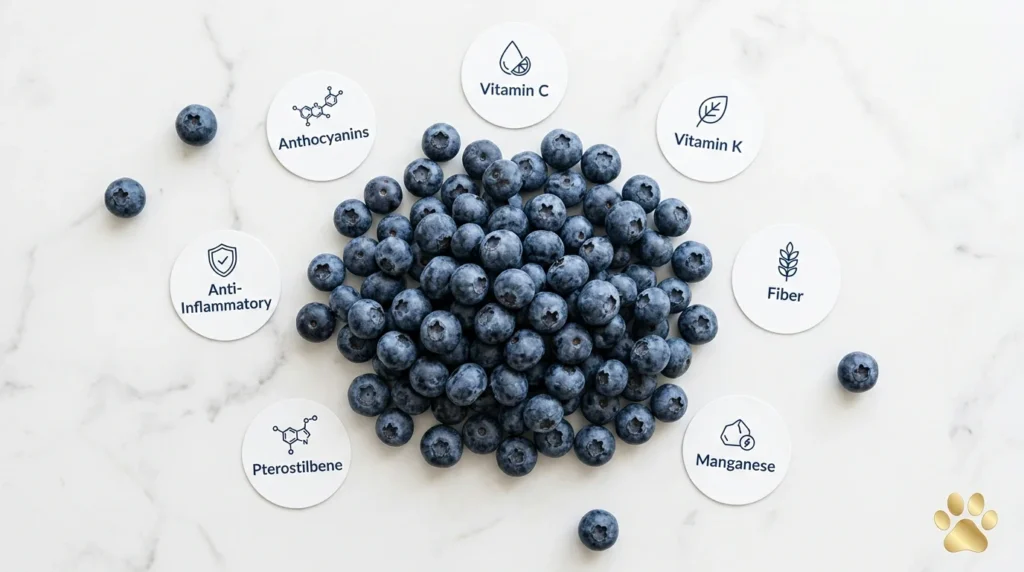
Blueberries deliver a remarkable range of nutrients in a tiny, low-calorie package. Here is the complete breakdown of what makes blueberries so genuinely exceptional for dog health.
Anthocyanins — The Superstar Antioxidant Blueberries have one of the highest anthocyanin contents of any food on earth. These powerful pigment compounds are among the most studied natural antioxidants in nutritional science. They protect cells from free radical damage — the oxidative stress linked to aging, cancer, heart disease, and chronic inflammation. For dogs, particularly aging dogs, regular blueberry consumption provides meaningful cellular protection that can support a longer, healthier life.
Vitamin C — Immune Defense and Antioxidant Blueberries provide good amounts of Vitamin C — a major antioxidant that supports immune system function, helps fight infection and inflammation, and contributes to collagen production for healthy joints, skin, and wound healing. While dogs produce their own Vitamin C, additional dietary C supports immune resilience — particularly for older dogs, stressed dogs, or those recovering from illness.
Vitamin K — Blood and Bone Health Vitamin K is essential for proper blood clotting and bone metabolism. Blueberries are a meaningful source of this fat-soluble vitamin, contributing to healthy bone density and proper wound healing. Particularly relevant for senior dogs and large breeds more prone to bone health issues as they age.
Dietary Fiber — Digestive and Gut Health The fiber in blueberries supports healthy digestion — regulating the pace of food movement through the gut, feeding beneficial gut bacteria, and contributing to healthy, regular bowel movements. A healthy gut microbiome underpins immune function, mood, and overall health in dogs just as it does in humans. Regular moderate blueberry consumption contributes to a healthier gut ecosystem.
Manganese — Metabolism and Joint Health Blueberries are a good source of manganese — a trace mineral that supports healthy bone formation, fat and carbohydrate metabolism, and collagen production. Collagen is essential for healthy joints and connective tissue, making manganese particularly valuable for older dogs or those with joint concerns.
Pterostilbene — Brain Protection Beyond anthocyanins, blueberries contain pterostilbene — a stilbenoid compound with particularly strong brain-protective properties. Research links pterostilbene to reduced cognitive decline, protection of neural pathways, and potential benefits for dogs showing early signs of cognitive dysfunction syndrome (the canine equivalent of dementia).
Anti-Inflammatory Properties The combined effect of anthocyanins, Vitamin C, Vitamin K, and other plant compounds in blueberries creates a powerful anti-inflammatory action throughout the body. Chronic inflammation underlies many common canine health problems — arthritis, skin conditions, inflammatory bowel disease, and cardiovascular issues. Regular inclusion of anti-inflammatory foods like blueberries in the diet provides meaningful long-term support.
Also read: Constantine Yankoglu
Can Dogs Eat Blueberries Safely?
Yes — blueberries are one of the safest fruits you can give a dog, requiring almost no special preparation. The safety checklist is genuinely short.
Complete safety checklist for blueberries:
- Rinse fresh blueberries thoroughly under cold running water before serving — this removes pesticide residue, dirt, and surface contaminants
- For very small dogs (under 10 lbs) or enthusiastic gulpers, flatten or halve each berry to reduce the round choking hazard
- Serve plain — no sugar, no syrup, no added flavoring, no whipped cream
- Keep portions appropriate for your dog’s size (see portion table below)
- Introduce slowly the first time — just two or three berries — and wait 24 hours before giving more
- Never give blueberry-flavored products with added sugar or artificial sweeteners — particularly anything containing xylitol
- For dogs with diabetes, kidney issues, or other chronic conditions — get veterinary approval first
- Fresh or plain frozen blueberries are the best forms
- Avoid commercial blueberry products made for human consumption (muffins, scones, yogurt, jam)
Follow these simple steps every time and blueberries are as safe as any treat gets.
Can Dogs Eat Blueberries and Strawberries?
Yes — both blueberries and strawberries are completely safe for dogs and make an excellent combined treat. Together they create a powerful antioxidant-rich berry combination that most dogs absolutely love. Blueberries and strawberries complement each other nutritionally — blueberries are particularly strong in anthocyanins and pterostilbene, while strawberries add ellagic acid, malic acid (which helps whiten teeth naturally), and additional Vitamin C.
Combining these two berries delivers a broader antioxidant and vitamin profile than either fruit alone. This makes the combination particularly valuable for senior dogs or those managing inflammatory conditions.
Prepare each fruit properly: rinse blueberries and serve whole or halved for small dogs; wash, hull, and slice strawberries. Combine in a small bowl as a mixed berry treat, freeze together in silicone molds for a summer pupsicle, or mix into plain yogurt for a probiotic-rich snack. Keep combined total within the 10% daily treat guideline.
Can Dogs Eat Frozen Blueberries?
Yes — frozen blueberries are completely safe for dogs and are one of the most popular dog treat ideas, particularly during hot summer months. The cold, firm texture is enjoyable for most dogs, and frozen blueberries last longer as a treat than fresh ones — keeping dogs engaged and entertained for longer.
Frozen blueberries retain essentially the same nutritional value as fresh ones. The freezing process preserves antioxidants, vitamins, and fiber very well — better than most cooking or processing methods. So frozen blueberries are not a nutritional compromise; they are simply a different texture that many dogs prefer.
Use plain frozen blueberries with no added sugar, syrup, or artificial flavors. The safest option is to freeze fresh blueberries at home: rinse, let dry, spread on a parchment-lined tray, freeze until solid, then transfer to a sealed bag. Store for up to three months. Serve a small portion as a refreshing cold treat on warm days.
Can Dogs Eat Blueberries Everyday?
Blueberries are lower in sugar than many other fruits, making them one of the safer options for more frequent feeding. Small daily amounts are unlikely to cause health problems in most healthy adult dogs — and the antioxidant benefits of regular blueberry consumption are real and cumulative.
However, the better practice for most dogs is to include blueberries several times per week rather than every single day. Daily feeding of any one food reduces dietary variety and can cause dogs to develop a strong preference for one treat over others, making dietary rotation harder to maintain. Rotating between different dog-safe fruits and vegetables across the week ensures a broader range of beneficial nutrients.
That said, five to ten blueberries given daily to a medium or large healthy dog is unlikely to cause any concern. For small dogs, three to five berries daily is reasonable. If you prefer daily feeding and your dog tolerates blueberries well, this is one of the more defensible daily treat habits in dog nutrition.
Can Dogs Eat Dried Blueberries?
Dried blueberries require careful evaluation before giving to your dog. The answer depends entirely on the type of product.
Plain dehydrated blueberries (one ingredient — blueberries only): These are safer than commercially processed products but significantly more concentrated in sugar than fresh blueberries. The drying process removes water but concentrates natural sugars. A small handful of dried blueberries has the sugar equivalent of many fresh berries. Use only tiny amounts — a pinch — as an occasional treat. Check the label carefully: one ingredient only.
Commercial dried blueberry products: Most store-bought dried blueberries sold for human consumption are sweetened with added sugar and may contain sulfur dioxide preservatives or artificial flavoring. These are not appropriate for dogs. The added sugar dramatically increases the glycemic load, and preservatives may cause digestive irritation.
The recommendation: Stick to fresh or plain frozen blueberries. If you want to use dried blueberries as portable training treats, source a product with only one ingredient and use only a tiny pinch per session. Fresh is always the better choice.
See Also: Can Dogs Eat Carrots? Benefits, Safety & Feeding Guide 2026
Can Dogs Eat Fresh Blueberries?
Yes — fresh blueberries are the best and most nutritious form to give your dog. Fresh blueberries retain their full complement of antioxidants, vitamins, fiber, and water content at maximum potency. The anthocyanins, pterostilbene, Vitamin C, and all other beneficial compounds are present in their most bioavailable, unprocessed form.
When buying fresh blueberries for your dog, choose firm, deep blue-purple berries. Avoid any that are mushy, moldy, or have unusual discoloration. Rinse thoroughly under cold running water before serving — the surface of conventionally grown blueberries can carry pesticide residue, and thorough washing removes most of this.
Store fresh blueberries in the refrigerator. Rinse only just before serving — washing in advance reduces shelf life. Choose organic blueberries when sharing with your dog regularly, as blueberries are among the fruits with higher pesticide residue in conventional farming.
Can Dogs Eat Wild Blueberries?
Yes — wild blueberries are safe for dogs and are actually nutritionally superior to cultivated varieties in some important ways. Wild blueberries are smaller and more intensely flavored than cultivated ones, and research consistently shows they contain higher concentrations of antioxidants — particularly anthocyanins — per gram than their larger cultivated counterparts.
This means that wild blueberries may provide even greater health benefits than the standard varieties found in grocery stores. If you have access to wild blueberries from a clean, unsprayed source — great for your dog.
The key consideration with wild blueberries is their growing environment. Wild blueberries in areas exposed to pesticides, herbicides, road runoff, or animal waste are not safe to feed. In genuinely clean, natural environments, wild blueberries are excellent. When in doubt, choose store-bought blueberries you can properly wash.
Also read: Abella Danger Net Worth
Can Dogs Eat Blueberries Muffins?
No — dogs should not eat blueberry muffins. While fresh blueberries are excellent for dogs, blueberry muffins contain a range of ingredients that are not appropriate for canine consumption.
Standard blueberry muffin recipes contain large amounts of refined sugar, white flour, butter or vegetable oil, baking powder, and often vanilla extract or other flavorings. Commercial blueberry muffins add preservatives, artificial flavors, and sometimes xylitol in “light” or “reduced sugar” varieties — xylitol being acutely toxic to dogs.
The actual blueberries in a muffin represent a tiny fraction of the total ingredients. The rest is essentially sugar, refined carbohydrates, and fat — none of which benefit a dog’s health. If you want a baked blueberry treat for your dog, make your own using dog-safe ingredients: oat flour, egg, plain yogurt, mashed banana, and a handful of fresh blueberries. That is a healthy homemade version your dog will love.
Can Small Dogs Eat Blueberries?
Yes — small dogs can eat blueberries, but with one additional precaution beyond what you would take for medium or large breeds. Blueberries are round — the ideal shape to become lodged in a small throat when swallowed without chewing. For very small breeds like Chihuahuas, Yorkshire Terriers, Pomeranians, or Toy Poodles, the round shape of a whole blueberry is a real choking concern.
The simple solution: flatten or halve each blueberry before serving to small dogs. A quick press between your fingers flattens the berry, removing the round choking hazard while keeping all the nutrition intact. This takes literally seconds and makes blueberries completely safe for even the tiniest breeds.
Portion sizes also need to be smaller for small dogs. Two to five blueberries per serving is appropriate for dogs under 20 pounds. The calorie and sugar amounts are proportionally more significant for a small dog’s daily diet than for a large one. See the portion table below for specific guidance.
Can Dogs Eat Blueberries and Raspberries?
Yes — both blueberries and raspberries are safe for dogs and together create a powerful antioxidant-rich berry combination. Raspberries share many of the same benefits as blueberries — they are low in calories, high in fiber, and rich in Vitamin C and various antioxidants.
One important note about raspberries specifically: they contain small amounts of naturally occurring xylitol. This is very different from the artificial xylitol added to products like some peanut butter brands. The amount of natural xylitol in raspberries is far too small to cause toxicity in normal treat-sized portions. However, this is a reason to keep raspberry portions small, especially for very tiny dogs — and a reason not to give huge quantities.
Blueberries and raspberries together make a colorful, nutrient-dense berry treat. Rinse both fruits thoroughly before serving. For small dogs, consider halving both berries. Keep combined amounts within the 10% daily treat guideline.
Can Dogs Eat Blueberries and Yogurt?
Yes — blueberries combined with plain, unsweetened yogurt is one of the most nutritious and enjoyable dog treat combinations available. Most dogs absolutely love it, and the nutritional combination is genuinely excellent for canine health.
Plain yogurt provides protein, calcium, and live probiotic cultures — beneficial bacteria that support gut health, digestion, and immune function. Combined with blueberries’ antioxidants, fiber, and vitamins, you get a treat that supports multiple aspects of health simultaneously.
The critical rule: always use plain, unsweetened yogurt only. Never use commercial blueberry yogurt or any flavored yogurt product — these contain added sugar, artificial flavoring, and sometimes xylitol, which is toxic to dogs.
Mix one to two tablespoons of plain yogurt with a small handful of fresh blueberries and serve as is, or blend and freeze in silicone molds for a homemade frozen probiotic treat. Check first whether your dog tolerates dairy — dogs with lactose intolerance will show gas, bloating, or diarrhea after eating yogurt.
Can Dogs Eat Blueberries Skin?
Yes — blueberry skin is completely safe for dogs, and there is no need to remove it. The skin of a blueberry is very thin, soft, and fully digestible. Unlike apple skin which can be tough for some dogs, or watermelon rind which is genuinely dangerous, blueberry skin is simply part of the berry and causes no problems.
In fact, blueberry skin is where much of the antioxidant content — particularly the anthocyanins — is concentrated. Removing the skin (even if you could, which would be extremely difficult given how thin it is) would remove much of the nutritional value that makes blueberries so beneficial.
Always serve blueberries whole (or halved for small dogs) with the skin fully intact. The only skin-related concern is pesticide residue on the outer surface of conventionally grown blueberries — addressed by thorough rinsing, not by removing the skin.
Can Dogs Eat Blueberries Seeds?
Yes — blueberry seeds are completely safe for dogs. Blueberry seeds are tiny, very soft, and fully digestible. They pass through the digestive system without causing any irritation, blockage, or toxicity.
This is one of the things that makes blueberries such an easy fruit to give dogs. Unlike apple seeds (which contain amygdalin that releases cyanide), cherry pits, or grape seeds, blueberry seeds contain absolutely no harmful compounds whatsoever. There is zero preparation required to remove them.
The seeds are so small and integrated into the berry’s flesh that it would be practically impossible to remove them anyway. The good news is you never need to — they are completely harmless and your dog will never notice them.
Can Dogs Eat Blueberries Scones?
No — dogs should not eat blueberry scones. Scones made for human consumption contain several ingredients that are not appropriate for dogs regardless of the blueberry content.
Traditional scone recipes contain refined white flour, butter or cream, sugar, baking powder, and often heavy cream or buttermilk. Commercial scones add preservatives, artificial flavors, and sometimes xylitol. The high fat content from butter and cream can cause digestive upset and, with regular consumption, contributes to pancreatitis — a serious and painful inflammatory condition of the pancreas.
Like blueberry muffins, the actual blueberries in a scone are a minor ingredient surrounded by things that are harmful for dogs. The safest approach: pull out any visible whole blueberries and give those separately before adding to any recipe, or make dedicated dog-safe blueberry treats using oat flour, egg, and whole ingredients your dog can safely enjoy.
Which Dogs Should Not Get Blueberries?
While blueberries are safe for most healthy dogs, there are specific groups of dogs for whom blueberries may not be the best choice or require veterinary guidance before inclusion.
Dogs with diabetes: Natural fruit sugars — even the relatively modest amounts in blueberries — can affect blood glucose management. Diabetic dogs need specific dietary management and any treat additions should be discussed with a veterinarian.
Dogs with kidney disease (calcium oxalate history): Blueberries contain moderate amounts of oxalates. For dogs with a history of calcium oxalate kidney or bladder stones, high-oxalate foods may be restricted as part of their management protocol. Consult your vet for specific guidance.
Dogs with severe food allergies: While blueberry allergies in dogs are uncommon, dogs with multiple existing food allergies or hypersensitivities should be introduced to any new food very slowly and monitored carefully.
Dogs on certain medications: Some medications interact with specific nutrients. If your dog is on long-term prescription medication, check with your vet whether any dietary additions are appropriate.
Very young puppies under 8 weeks: Very young puppies should receive only complete puppy food. Introduce fruit treats only after 8 weeks and even then in tiny amounts initially.
See Also: Can Dogs Eat Cucumbers? Benefits, Safety & Feeding Guide 2026
How to Serve Blueberries for Dogs
There are many safe and enjoyable ways to incorporate blueberries into your dog’s treat routine. Here are the best serving ideas.
Plain fresh blueberries: The simplest and always best. Rinse, serve whole (or halved for small dogs). Most dogs love the natural sweetness.
Frozen blueberries: Freeze fresh blueberries on a flat tray then store in a sealed bag. Serve 2 to 5 frozen berries as a refreshing summer treat.
Blueberries with plain yogurt: Mix a small handful with one to two tablespoons of plain unsweetened yogurt. Serve immediately or freeze in molds.
Blueberry pupsicle: Blend blueberries with plain yogurt and a splash of water. Pour into silicone molds and freeze overnight. A favorite summer treat for most dogs.
Blueberry lick mat: Blend or mash blueberries and spread onto a lick mat. Freeze for 20 to 30 minutes for a calming slow-feeding activity.
Blueberry Kong stuffing: Place fresh blueberries and a small amount of plain yogurt into a Kong toy and freeze overnight. Excellent for mental stimulation.
Mixed berry bowl: Combine blueberries with hulled sliced strawberries and a few raspberries for a mixed berry treat bowl. A few cranberries are another dog-safe berry you can toss in.
Blueberry food topper: Scatter five to eight blueberries over your dog’s regular meal for a nutritional boost and flavor interest.
Training treats: Single blueberries are perfect training treats — small enough to eat instantly, low calorie, and most dogs find them highly motivating.
How Many Blueberries Can Dogs Eat?

The standard treat guideline applies — treats should not exceed 10% of your dog’s daily caloric intake. Because blueberries are so low in calories (approximately 1 calorie per berry), you can actually give a fairly generous number while staying within this guideline. Below is a clear table to guide you.
How Many Blueberries Can Dogs Eat? — Portion Guide by Dog Size
| Dog Size | Weight Range | Daily Blueberries (Max) | Per Serving | Frequency |
|---|---|---|---|---|
| Extra Small | Under 10 lbs | 2–5 blueberries | 2–3 berries | 3–4 times per week |
| Small | 10–20 lbs | 5–10 blueberries | 4–6 berries | A few times per week |
| Medium | 20–50 lbs | 10–20 blueberries | 8–12 berries | A few times per week |
| Large | 50–90 lbs | 20–30 blueberries | 15–20 berries | A few times per week |
| Extra Large | 90 lbs + | 25–35 blueberries | 20–25 berries | A few times per week |
Important notes on this table:
- These are maximum daily amounts — not targets. Less is always fine and often preferable.
- These figures assume blueberries are the primary or only treat given that day. If your dog receives other treats, reduce blueberry amounts accordingly to stay within the 10% total treat guideline.
- For very small dogs (Extra Small category), halve or flatten each berry before serving to reduce choking risk.
- Dogs with diabetes, kidney conditions, or sensitive stomachs should receive smaller amounts with veterinary guidance.
- For training sessions, use single blueberries — they are the perfect size for rapid reward treats and you can give many during a session while keeping total amounts within the daily guideline.
Can Puppies Eat Blueberries?
Yes — puppies can eat fresh blueberries, and blueberries are actually one of the better fruit treats for puppies. However, extra care is needed given puppies’ developing digestive systems and greater sensitivity to new foods.
Start with a single blueberry for a very first introduction. Wait 24 to 48 hours before giving more, watching for any signs of digestive upset or allergic reaction. Puppies’ gut microbiomes are still developing, making them more reactive to new foods than adult dogs.
For puppies, halve or flatten every blueberry before serving — the round choking hazard concern is greater for puppies who tend to swallow quickly without chewing thoroughly.
Keep amounts much smaller than adult dog portions. Even for a growing medium-breed puppy, two to three blueberries as an occasional treat is appropriate. The primary nutrition must still come entirely from a complete, age-appropriate puppy food — blueberries are a supplement, not a staple.
Avoid dried blueberries for puppies entirely — the concentrated sugar is inappropriate for young, developing digestive systems.
My Dog Ate Too Many Blueberries — What Do I Do?
First — do not panic. Blueberries are not toxic to dogs. Eating too many is not the same kind of emergency as eating grapes, xylitol, or chocolate. But it will likely cause real digestive discomfort.
What to expect: If your dog ate a large quantity of blueberries — say, a full cup or more — expect digestive upset within a few hours. This typically includes loose stools or diarrhea, gas and bloating, and possibly mild vomiting. These symptoms are caused by the high fiber and natural sugar content overwhelming the digestive system at once, not by any toxin. They are uncomfortable but not dangerous for most healthy dogs and typically resolve within 12 to 24 hours without treatment.
What to do: Remove access to any more blueberries immediately. Make sure fresh water is available — diarrhea causes dehydration even though blueberries have high water content. Skip or reduce your dog’s next meal, or offer a small amount of plain boiled rice and chicken if they seem hungry but unsettled. Monitor closely for 24 hours.
When to contact your vet:
- Symptoms are severe or not improving after 24 hours
- Your dog is very small (under 5 lbs), very young, or has existing health conditions
- Vomiting is persistent and your dog cannot keep water down
- Signs of extreme lethargy, abdominal distension, or unusual behavior appear
- Your dog ate dried or commercially sweetened blueberries — check for xylitol on the label immediately. If xylitol is present, contact your vet immediately regardless of symptoms.
Frequently Asked Questions
Can dogs eat blueberries?
Yes. Blueberries are one of the safest and most nutritious fruits for dogs. They are non-toxic, low in calories, and rich in antioxidants, vitamins, and fiber. Rinse, portion appropriately, and serve plain.
Are blueberries good for dogs?
Absolutely. Blueberries are frequently described as a superfood for dogs. They are rich in anthocyanin antioxidants, Vitamin C, Vitamin K, manganese, fiber, and pterostilbene — supporting immune health, brain function, joint health, and healthy aging.
Can dogs eat blueberries every day?
Small daily amounts are unlikely to harm most healthy adult dogs. However, several times per week is the better general recommendation to maintain dietary variety. For dogs with diabetes or kidney concerns, consult your vet first.
Can dogs eat frozen blueberries?
Yes. Plain frozen blueberries with no added sugar or syrup are safe and make an excellent summer treat. Nutritional value is well preserved through freezing.
Can dogs eat dried blueberries?
Only plain dehydrated blueberries with one ingredient (blueberries only) and no added sugar or preservatives — in tiny amounts. Most commercial dried blueberries contain added sugar. Fresh is always the better choice.
Can small dogs eat blueberries?
Yes, with one modification — flatten or halve each berry before serving to remove the round choking hazard. Keep portions small: 2 to 5 blueberries per serving for dogs under 20 pounds.
Can puppies eat blueberries?
Yes, in very small amounts. Start with just one berry and wait 24 to 48 hours. Halve or flatten each berry for puppies. Primary nutrition must come from complete puppy food.
Can dogs eat blueberry muffins or scones?
No. Blueberry muffins and scones contain refined sugar, butter, flour, and possibly xylitol — none of which are appropriate for dogs. Make dog-safe baked treats using oat flour, egg, and fresh blueberries instead.
Can dogs eat blueberries with yogurt?
Yes — plain unsweetened yogurt with fresh blueberries is an excellent and nutritious combination. Never use flavored or sweetened yogurt. Check that your dog tolerates dairy before giving regularly.
Can dogs eat blueberry skin and seeds?
Yes. Both are completely safe — blueberry skin and seeds contain no toxic compounds and are fully digestible. No removal needed.
Can dogs eat wild blueberries?
Yes. Wild blueberries are safe and contain higher antioxidant levels than cultivated varieties. The concern is environmental — only give wild blueberries from genuinely clean, unsprayed areas.
Can dogs eat blueberries and raspberries?
Yes. Both are safe. Raspberries contain small amounts of natural xylitol — safe in normal treat-sized portions but a reason to keep raspberry amounts small, especially for tiny dogs.
Which dogs should not get blueberries?
Dogs with diabetes, calcium oxalate kidney stones, or multiple severe food allergies should have blueberries only with veterinary guidance. Most other healthy dogs can enjoy them freely.
What happens if my dog eats too many blueberries?
Temporary digestive upset — diarrhea, gas, bloating — from the fiber and sugar content. Typically resolves in 12 to 24 hours. Ensure water access, monitor, reduce next meal. Contact vet if symptoms are severe or if sweetened products containing xylitol were consumed.
How many blueberries can a small dog eat?
2 to 5 blueberries per serving, 3 to 4 times per week. Always flatten or halve before serving small dogs to prevent choking.
Conclusion
Blueberries pair well with a spoonful of plain yogurt — see our guide to can dogs eat yogurt for safe types and portions.
For the full list of safe and toxic fruits, see our what fruits can dogs eat hub.
Blueberries deserve their reputation as one of the absolute best foods you can share with your dog. They are safe for virtually all healthy dogs, genuinely nutritious in ways that matter for canine health, incredibly low in calories, require almost no preparation, and most dogs find them irresistible. The combination of extraordinary antioxidant content, brain-protective compounds, immune-supporting vitamins, and digestive-supporting fiber makes blueberries genuinely stand out from other treat options.
Also Read: Can Dogs Eat Raw Shrimp or Shrimp Shells? Full Safety Guide


