

Can Dogs Eat Salt? Safety, Risks & Sodium Guide
Dogs can have sodium as part of a complete and balanced diet, but adding extra salt to a dog’s food is usually unnecessary. Sodium is an essential mineral that helps support normal fluid balance, nerve function, and muscle function. Commercial dog foods are formulated to provide the nutrients dogs need, including an appropriate amount of sodium, so most healthy dogs do not need additional table salt added to their meals.
The important difference is between the small amount of sodium a dog needs and eating too much salt. A large amount of salt can cause excessive thirst, digestive problems, dehydration, and potentially dangerous sodium levels in the body. The risk depends on how much salt was consumed, the dog’s size, and whether the dog has underlying health conditions. For this reason, salt should never be used as a casual treat or added to food simply for flavor.
Is Salt Safe for Dogs?
Salt is not inherently toxic to dogs when consumed in the appropriate amount. Sodium is a normal and necessary nutrient, and dogs receive it naturally through properly formulated foods. The concern is excessive intake, particularly when a dog eats concentrated salty foods or table salt directly.
A dog that eats a normal serving of balanced dog food is generally already receiving the sodium it needs. Adding extra salt on top of that can increase sodium intake without providing a meaningful nutritional benefit. Keeping your dog’s diet appropriately balanced is more important than trying to add individual minerals yourself.
Can Dogs Eat Table Salt?
Dogs should not be intentionally given table salt as a snack. Table salt is highly concentrated, so even a relatively small amount can contain much more sodium than a dog would normally consume at once. A few grains accidentally licking from food are different from deliberately feeding salt, but direct consumption of a noticeable amount should be taken seriously.
Keep salt containers away from dogs, especially curious puppies that may knock containers off counters. Do not sprinkle table salt over your dog’s meals unless your veterinarian has specifically instructed you to do so. Most dogs do not need extra salt added to their food.
Can Dogs Eat Food With Salt?
Dogs may occasionally eat small amounts of foods that naturally contain sodium, but heavily salted human foods are best avoided. Many everyday foods contain much more salt than a dog needs, including processed meats, chips, instant noodles, canned soups, salty snacks, sauces, and fast food.
The issue is not that every trace of salt makes food dangerous. Instead, regularly feeding salty human foods can increase a dog’s sodium intake and may also expose the dog to other undesirable ingredients such as excess fat, spices, onion, or garlic. Plain, minimally processed foods are generally easier to manage as occasional treats.
Can Puppies Eat Salt?
Puppies need sodium as part of normal growth and development, but they should obtain it through a complete puppy diet rather than extra table salt. Growing dogs have specific nutritional requirements, and randomly adding minerals or salt can interfere with an appropriately balanced feeding plan.
Do not give a puppy salty snacks, chips, processed meats, or spoonfuls of salt. Puppies may also be more likely to investigate things left on the floor or within reach, so keeping salt and salty foods securely stored is important. If a puppy directly consumes a significant amount of salt, contact a veterinarian promptly for guidance.
Can Dogs Eat Salt Every Day?
Dogs need sodium every day, but that does not mean they should receive extra salt every day. A complete and balanced commercial dog food normally provides sodium as part of its nutritional formulation. Adding table salt to every meal can unnecessarily increase the dog’s sodium intake.
If you prepare homemade food for your dog, do not assume that adding salt will make the diet nutritionally complete. Homemade diets can become deficient or excessive in several nutrients if they are not properly formulated. If your dog needs a homemade diet long term, a veterinarian or veterinary nutrition professional can help create an appropriate recipe.
Can Dogs Eat Salt Water?
Dogs should not be encouraged to drink salt water. Ocean or seawater contains a high concentration of salt, and drinking a significant amount can increase sodium levels and cause illness. Dogs playing at beaches may accidentally swallow some seawater while swimming, but repeatedly drinking it can become dangerous.
If your dog spends time near the ocean, provide plenty of fresh drinking water and discourage it from drinking seawater. Take breaks from swimming and watch for excessive thirst, vomiting, diarrhea, weakness, confusion, or other unusual behavior after substantial salt-water exposure.
Can Dogs Eat Salted Meat?
Salted meats are generally not a good choice for dogs. Foods such as bacon, ham, cured meats, corned beef, jerky, and other preserved meats can contain substantial amounts of sodium. They may also be high in fat, making them less suitable as regular dog treats.
If you want to give your dog meat, plain fully cooked meat without added salt or seasoning is a simpler option. Remove excessive visible fat and avoid meats prepared with onion, garlic, spicy sauces, or salty marinades. This allows your dog to enjoy a protein-rich treat without unnecessary sodium.
Can Dogs Eat Salted Eggs?
Salted eggs are not an ideal treat for dogs because the salting process increases their sodium content. Dogs can generally eat plain, fully cooked eggs in moderation, but there is no need to choose heavily salted versions.
If you want to share an egg with your dog, use a plain cooked egg without added salt, butter, or seasoning. Give only a small portion as an occasional treat, particularly if your dog already receives other treats throughout the day.
Can Dogs Eat Salted Peanut Butter?
Dogs can sometimes have plain peanut butter in small amounts, but salted peanut butter is less desirable because it adds sodium. Some commercial peanut butters also contain added sugar, oils, or other ingredients that may not be appropriate for dogs.
When choosing peanut butter for a dog, check the ingredient label carefully. Avoid products containing xylitol, also known as birch sugar, because xylitol can be extremely dangerous to dogs. A small amount of simple peanut butter without xylitol or excessive salt is a more appropriate occasional treat.
Can Dogs Eat Salted Popcorn?
Salted popcorn is best kept as a human snack rather than a regular dog treat. Plain, air-popped popcorn without salt, butter, or seasonings can be offered to some dogs in small amounts, provided the pieces are appropriate and there are no choking concerns.
Heavily salted popcorn can contribute unnecessary sodium, while butter and flavor coatings can add significant fat. Avoid popcorn containing onion or garlic seasonings as well. If sharing popcorn with your dog, set aside a few plain pieces before adding salt or other toppings.
Can Dogs Eat Salted Chips?
Salted potato chips and similar snack foods are not recommended for dogs. They can contain substantial amounts of salt and fat while providing little nutritional value for a dog. Flavored chips may also contain onion powder, garlic powder, spicy ingredients, or other seasonings.
One accidentally eaten chip is unlikely to have the same significance as consuming a whole bag, but chips should not become a regular part of a dog’s diet. If your dog wants a crunchy snack, consider dog-safe treats or small pieces of appropriate plain vegetables instead.
Can Dogs Eat Salted Crackers?
Salted crackers are another human snack that dogs do not need. They can contain added sodium as well as refined carbohydrates and other ingredients that offer little nutritional benefit. Some flavored crackers may contain onion, garlic, cheese powders, or other seasonings.
A small accidental piece is generally different from a large quantity, but it is better to avoid intentionally feeding salty crackers. If you want to give your dog a small carbohydrate-based treat, choose an appropriate dog treat or a plain, dog-safe food rather than making salty snacks part of the diet.
See Also: Can Dogs Eat Ground Turkey? Safety & Feeding Guide
Can Dogs Eat Salt and Pepper?
It is better not to season your dog’s food with salt and pepper. Salt adds unnecessary sodium when the dog’s normal food already contains an appropriate amount, while pepper and other strong seasonings may irritate some dogs’ digestive systems.
Dogs do not need human-style seasoning to enjoy their food. Plain cooked meat, vegetables, eggs, or other suitable foods can be offered without adding salt, pepper, sauces, or spicy seasonings. Keeping food simple also makes it easier to identify which ingredient may have caused a reaction if your dog develops stomach upset.
How Much Salt Is Safe for Dogs?
Dogs need sodium in their diet, but there is no good reason to give a dog spoonfuls of table salt or deliberately feed highly salty foods. The appropriate amount of sodium depends on the dog’s complete diet, age, size, health, and other factors. A complete and balanced commercial dog food is normally formulated to provide the sodium a healthy dog needs.
Because table salt is concentrated, it should never be used as a treat. The safest approach is to avoid adding extra salt to your dog’s meals and limit highly salted human foods. Dogs with certain medical conditions may also need specific dietary sodium recommendations from a veterinarian.
What Happens If a Dog Eats Too Much Salt?

Too much salt can cause an excessive amount of sodium to build up in a dog’s body. Depending on the amount consumed, signs can include increased thirst, increased urination, vomiting, diarrhea, weakness, tremors, confusion, or seizures. Severe salt exposure can be life-threatening and requires prompt veterinary attention.
The seriousness of salt ingestion depends on factors such as the amount consumed, the dog’s body size, and whether the salt came from concentrated table salt or a salty food. If you know your dog has eaten a substantial amount of salt, do not wait for symptoms to appear before contacting a veterinarian.
Can Salt Cause Salt Poisoning in Dogs?
Yes, excessive sodium intake can result in salt poisoning, also called hypernatremia. This can happen when a dog consumes a large amount of salt or another highly concentrated source of sodium. The condition can affect the nervous system and may cause serious symptoms.
Possible warning signs include vomiting, diarrhea, excessive thirst, weakness, unsteadiness, tremors, seizures, or unusual behavior. If you suspect significant salt ingestion, contact your veterinarian or an appropriate animal poison service immediately. Do not try to make your dog vomit unless a veterinary professional specifically tells you to do so.
Can Dogs Drink Water After Eating Salt?
If a dog has eaten a salty food, make sure fresh drinking water is available. However, water should not be considered a substitute for veterinary advice after a significant salt ingestion. A dog that consumes a large quantity of salt may require professional treatment and monitoring.
Do not force a large quantity of water into your dog’s mouth. If the dog is showing neurological symptoms, repeatedly vomiting, having seizures, or having difficulty drinking normally, seek emergency veterinary care rather than attempting home treatment.
Can Dogs Eat Salt From the Floor?
Dogs sometimes lick spilled salt from kitchen floors or investigate dropped food. A few grains of ordinary table salt are not the same as consuming a large quantity of concentrated salt. Nevertheless, it is best to clean up spills promptly and keep salt containers out of your dog’s reach.
If your dog has consumed a noticeable pile or container of salt, treat the situation more seriously. The amount and concentration matter, and smaller dogs can be at greater risk from the same quantity than larger dogs. Contact a veterinarian and tell them approximately how much salt was consumed and when it happened.
Can Dogs Eat Salty Human Food?
Salty human foods are best limited or avoided. Foods such as chips, pretzels, processed meats, instant noodles, canned soups, fast food, salted nuts, and some sauces can contain considerable sodium. These foods may also contain excess fat, spices, or other ingredients that are unsuitable for dogs.
Instead of sharing salty snacks, offer dog-safe treats or small portions of plain foods that are appropriate for your dog’s diet. If you share human food occasionally, checking the ingredients first can help prevent accidental exposure to excessive sodium or harmful seasonings.
See Also: Can Dogs Eat Clementines? Safety & Feeding Guide
Can Dogs Eat Sea Salt?
Sea salt is still salt, so it should not be deliberately given to dogs as a treat or sprinkled over their food. Although sea salt may contain tiny amounts of other minerals, it is still primarily a concentrated source of sodium and does not provide a special benefit that dogs need from an added seasoning.
Similarly, Himalayan pink salt, kosher salt, and other types of culinary salt should not be intentionally fed to dogs. The safest approach is to let your dog’s complete food provide the sodium it needs rather than adding salt yourself.
Can Dogs Eat Himalayan Pink Salt?
Himalayan pink salt is not a necessary supplement for dogs. Despite its different color and mineral composition, it is still a concentrated salt product. Adding it to your dog’s meals can increase sodium intake without providing a nutritional reason to do so.
Do not use Himalayan salt as a substitute for veterinary-recommended supplements or treatments. If your dog needs a specific mineral or electrolyte supplement, follow your veterinarian’s instructions rather than choosing a salt product yourself.
Can Dogs Eat Salted Nuts?
Salted nuts are generally not a good treat for dogs. Besides the added sodium, some nuts are high in fat and can cause digestive problems when eaten in large quantities. Certain nuts can also present additional risks depending on the type.
If you want to give your dog a nut-based treat, first make sure the particular nut is considered safe and offer only a small amount without salt, seasoning, chocolate, or other coatings. Never assume that a flavored or salted nut is safe simply because the plain nut may be acceptable.
Can Dogs Eat Salted Cheese?
Some cheeses contain significant amounts of sodium and fat, making heavily salted cheese a poor choice for regular dog treats. Dogs that are sensitive to dairy products may also develop digestive upset after eating cheese.
If your dog can tolerate dairy, a very small amount of plain, lower-sodium cheese may occasionally be suitable, depending on the dog’s overall diet. However, cheese should remain an occasional treat rather than a daily source of nutrition. Avoid cheeses containing onion, garlic, spicy seasonings, or other unsafe ingredients.
What Should You Do If Your Dog Eats Salt?
If your dog accidentally consumes a small amount of salted food, remove the remaining food and observe your dog. Make sure fresh water is available and determine what was eaten, approximately how much was consumed, and when it happened. This information can be useful if you need to speak with a veterinarian.
If your dog directly ate table salt, a large quantity of salty food, or an unknown amount of salt, contact a veterinarian promptly. Seek urgent veterinary care if your dog develops repeated vomiting, severe diarrhea, extreme thirst, weakness, difficulty walking, tremors, confusion, seizures, or collapse.
Healthier Alternatives to Salty Dog Treats
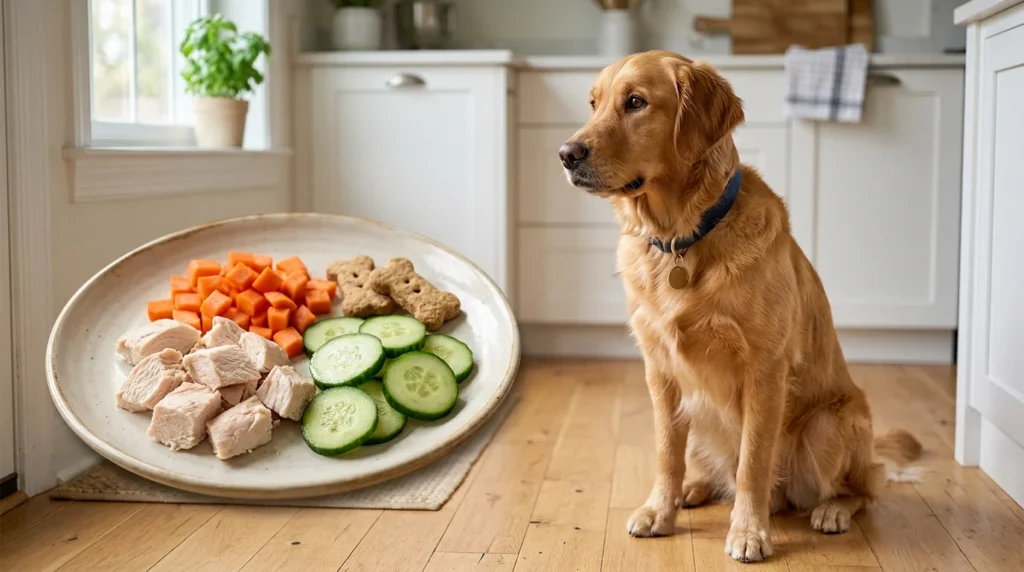
Dogs do not need salty snacks to enjoy treats. Depending on your dog’s individual diet, small portions of plain cooked chicken, turkey, egg, carrots, cucumber, or other dog-safe foods can be alternatives to processed salty snacks. These foods should still be given in moderation.
For packaged treats, choose products appropriate for your dog’s age and dietary needs and follow the feeding directions. Keeping treats relatively simple can make it easier to control calories, sodium, and other nutrients while keeping your dog’s regular complete and balanced food as the foundation of the diet.
Frequently Asked Questions
Can dogs eat salt?
Dogs need sodium as part of a balanced diet, but they should not be given extra table salt as a treat or routinely added salt to their meals. Their complete food normally provides the sodium they need.
Is a little salt bad for dogs?
A small amount of salt is not automatically toxic because sodium is an essential nutrient. The concern is excessive intake, especially from concentrated table salt or heavily salted foods.
What should I do if my dog eats a lot of salt?
Contact a veterinarian promptly and provide details about the type and estimated amount of salt consumed. Do not induce vomiting unless a veterinary professional specifically instructs you to.
Can dogs eat salty chips and snacks?
Salty chips, pretzels, and similar snacks are best avoided because they can contain substantial sodium and often provide little nutritional value. Flavored versions may also contain other ingredients that dogs should not eat.
Can dogs drink salt water?
Dogs should not intentionally drink salt water. Seawater contains a high concentration of salt, and consuming a significant amount can lead to excessive sodium levels and serious illness. Provide fresh drinking water whenever your dog is near the ocean.
Conclusion
Dogs need sodium, but that does not mean they need extra salt added to their food. A complete and balanced dog food normally supplies an appropriate amount of sodium, so table salt should not be used as a treat or routine seasoning. Salty foods such as chips, processed meats, heavily salted cheese, and salty sauces are also best limited or avoided.
The main concern is excessive salt consumption. Large amounts of salt can cause dangerous sodium levels and may lead to vomiting, diarrhea, excessive thirst, weakness, tremors, seizures, and other serious symptoms. If your dog consumes a significant amount of salt or a highly salty product, contact a veterinarian promptly rather than attempting home treatment.


