
Can Dogs Eat Cooked Onions? Risks, Symptoms & Safety
Dogs should not eat cooked onions. Cooking does not remove the compounds in onions that can be harmful to dogs, so cooked, raw, fried, sautéed, baked, or boiled onions should all be treated as unsafe. Onion toxicity can damage a dog’s red blood cells and may lead to anemia.
The risk depends on factors such as the amount eaten, the dog’s size, and the form of onion consumed. Onion powder and concentrated onion ingredients can also be dangerous because they may be present in surprisingly high amounts in human foods. If your dog has eaten cooked onions, it is important to assess the situation rather than assuming that cooking made them safe.
Can Dogs Eat Cooked Onions?
No, dogs should not eat cooked onions. Cooking does not make onions safe for dogs because the compounds responsible for onion toxicity can remain after cooking. This includes onions that have been boiled, baked, roasted, sautéed, or otherwise prepared.
Even if onions are mixed into meat, rice, soup, gravy, or another food, they should not be intentionally fed to dogs. If your dog accidentally eats cooked onions, the potential risk depends on the amount consumed and your dog’s body weight.
Are Cooked Onions Toxic to Dogs?
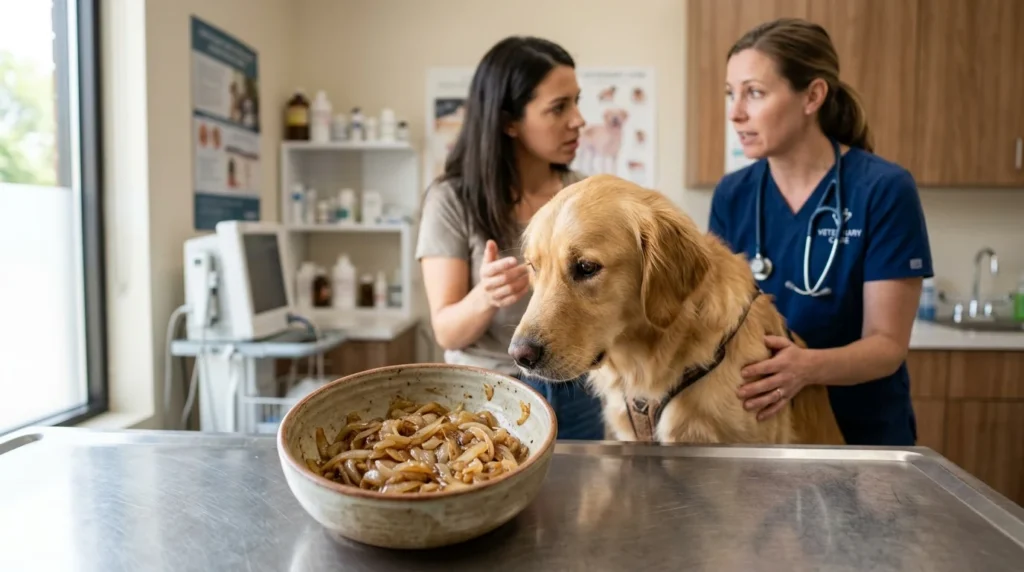
Yes. Onions belong to the Allium family, and they contain compounds that can damage red blood cells in dogs. Significant exposure can result in hemolytic anemia, a condition in which red blood cells are destroyed faster than the body can replace them.
Dogs can become sick after eating different forms of onions, including cooked onions. Because the severity depends on the amount and individual circumstances, any substantial ingestion should be discussed with a veterinarian.
Does Cooking Onions Make Them Safe for Dogs?
No. Cooking onions does not eliminate their toxicity to dogs. Boiling, frying, baking, roasting, and sautéing can change the texture and flavor, but the onion remains an unsafe ingredient for dogs.
This is important because onions are often hidden in foods that appear harmless. A dog may consume onion through cooked meals, sauces, gravies, soups, stuffing, or meat dishes without directly eating a piece of onion.
Can Dogs Eat Boiled Onions?
No. Boiled onions should not be given to dogs. Although boiling softens the onion and may cause some compounds to move into the cooking liquid, the onion and foods prepared with it can still pose a toxicity concern.
Do not give dogs onion-containing broth, soup, or cooking water simply because the onion itself was removed. If your dog has consumed a significant amount of boiled onion or onion-containing food, contact your veterinarian for individualized advice.
Can Dogs Eat Fried Onions?
No. Fried onions are unsafe for dogs because frying does not make the onion itself safe. Fried onions also commonly contain substantial amounts of oil, salt, flour, or other ingredients that can cause additional digestive problems.
Foods such as onion rings should therefore not be used as dog treats. If your dog steals a small amount, check the ingredients and monitor them, but contact your veterinarian if a large quantity was consumed or if symptoms develop.
Can Dogs Eat Sautéed Onions?
No. Sautéing onions does not remove the concern associated with onion toxicity. Dogs should not be given onions that have been cooked in oil or butter, whether served alone or mixed into another meal.
Sautéed onions may also be accompanied by garlic, salt, spices, or fatty ingredients. These can create additional dietary concerns. Keep cooked onion dishes away from dogs and dispose of leftovers securely.
Can Dogs Eat Roasted Onions?
No. Roasted onions should not be fed to dogs. Roasting changes the texture and flavor but does not turn onions into a dog-safe food. Dogs should avoid roasted onion pieces as well as foods prepared with them.
If your dog eats roasted onions accidentally, determine approximately how much was consumed and when. Contact a veterinarian if the amount was significant, especially if your dog is small or has eaten other onion-containing foods.
Can Dogs Eat Baked Onions?
No. Baked onions remain unsafe for dogs. Cooking onions in an oven does not reliably remove the compounds that can damage canine red blood cells.
Be particularly careful with casseroles, baked meat dishes, stuffing, savory pies, and other recipes containing baked onion. Dogs may eat these foods quickly without owners realizing how much onion they have consumed.
Can Dogs Eat Caramelized Onions?
No. Caramelized onions should not be given to dogs. Although slow cooking changes their taste and texture and concentrates their natural sugars, it does not make onions safe for canine consumption.
Caramelized onions are also commonly prepared with butter, oil, sugar, or other rich ingredients. These additions can create further digestive or calorie concerns. Keep caramelized onion dishes away from your dog.
Can Dogs Eat Cooked Onion Powder?
Onion powder should be avoided completely. Because the water has been removed, onion powder is concentrated and can be present in relatively large amounts in seasonings and processed foods.
Check ingredient lists on sauces, soups, spice blends, instant meals, chips, gravies, and meat products. If onion powder is listed, do not intentionally give the food to your dog. A veterinarian should assess significant accidental ingestion.
Can Dogs Eat Cooked Green Onions?
No. Green onions, also called scallions or spring onions, are part of the Allium family and should not be fed to dogs. Their leaves and bulbs can contain compounds that are harmful to dogs.
Cooking green onions does not make them a safe ingredient. Keep them away from your dog whether they are raw, cooked, chopped, grilled, or mixed into another food.
Can Dogs Eat Cooked Red Onions?
No. Red onions are also unsafe for dogs. Their color does not make them different from other onions in terms of the basic toxicity concern. Cooked red onions should therefore be kept out of a dog’s diet.
Be careful with red onion used in cooked sauces, burgers, stews, roasted vegetables, and other human meals. If accidental ingestion occurs, note the amount eaten and contact a veterinarian if the exposure was significant.
Can Dogs Eat Cooked White Onions?
No. Cooked white onions should not be given to dogs. White onions contain compounds that can damage red blood cells, and cooking does not reliably eliminate the risk.
Do not assume that a small piece mixed into food is harmless without considering your dog’s size and the total amount consumed. If your dog eats a substantial quantity, seek veterinary advice promptly.
Can Dogs Eat Cooked Yellow Onions?
No. Yellow onions are unsafe for dogs whether they are raw or cooked. Boiling, frying, roasting, or sautéing them does not make them suitable for canine consumption.
Yellow onions are commonly used in soups, curries, stews, gravies, and meat dishes, so accidental exposure can happen easily. Keep prepared meals containing onion away from dogs and avoid sharing cooking scraps.
Can Dogs Eat Cooked Shallots?
No. Shallots belong to the same Allium family as onions and should not be fed to dogs. Cooking shallots does not remove the underlying toxicity concern.
Be careful with sauces, roasted dishes, dressings, and gourmet recipes containing shallots. If your dog consumes a meaningful amount, contact your veterinarian and provide information about the food and approximate quantity.
Can Dogs Eat Cooked Leeks?
Dogs should not eat cooked leeks. Leeks are another member of the Allium family and can contain compounds that are harmful to dogs. Cooking does not make them an appropriate ingredient for canine meals.
Keep leek-containing soups, stews, sauces, and vegetable dishes away from your dog. If your dog consumes a large quantity of leeks, veterinary advice is recommended.
Can Dogs Eat Cooked Garlic and Onions?
No. Dogs should not eat cooked garlic and onions. Both belong to the Allium family and can damage red blood cells. Garlic can be particularly concerning because it may be more potent than onion by weight.
Foods containing both ingredients, such as sauces, curries, soups, gravies, and seasoned meats, should not be shared with dogs. If your dog eats a substantial amount, contact a veterinarian promptly.
Can Dogs Eat Food Cooked With Onions?
It is safest not to give dogs food that has been cooked with onions. Even when onion pieces are removed, the remaining food may contain onion compounds, particularly when onion has been chopped, cooked, or incorporated into a sauce or broth.
Instead, prepare a separate portion for your dog before adding onions and other unsafe seasonings. Plain cooked meat, vegetables, or grains can be used when appropriate for your dog’s diet.
Can Dogs Eat Meat Cooked With Onions?
Dogs should not be intentionally given meat cooked with onions. The onion itself is unsafe, and the meat may also contain onion powder, garlic, salt, sauces, or excessive fat.
If you want to share meat with your dog, prepare a plain portion without onions, garlic, heavy seasoning, or rich sauces. If your dog accidentally eats meat containing onions, monitor them and contact your veterinarian if the amount was significant.
Can Dogs Eat Rice Cooked With Onions?
No. Rice itself can be suitable for dogs in appropriate portions, but rice cooked with onions should not be intentionally fed to them. The onion remains the concern even after it has been thoroughly cooked.
Prepare plain rice separately if you want to share it with your dog. Avoid onion, garlic, seasoning mixes, spicy sauces, and excessive salt.
Can Dogs Eat Soup With Cooked Onions?
No. Onion-containing soup should not be given to dogs. Soup may contain onion pieces as well as onion-infused broth, onion powder, garlic, salt, and other ingredients that are unsuitable for dogs.
Even if you remove visible onion pieces, the remaining soup should not automatically be considered safe. Check the ingredients and choose plain dog-appropriate food instead.
Can Dogs Eat Gravy With Onions?
Dogs should not be given gravy containing onions. Gravy often contains onion, garlic, onion powder, salt, fat, and other seasonings. These ingredients can create multiple health concerns for dogs.
If your dog accidentally licks a small amount, monitor them and check the ingredients. A large amount or a product containing concentrated onion or garlic deserves veterinary advice.
Can Dogs Eat Cooked Onions in Burgers?
No. Cooked onions commonly served with burgers should not be given to dogs. The onion remains unsafe after grilling or frying, and burgers may also contain salt, sauces, spices, and high levels of fat.
If you want to share a burger ingredient, a small piece of plain fully cooked meat without onion, seasoning, or sauces is a more appropriate choice. Never let your dog eat the entire burger with toppings.
Can Dogs Eat Cooked Onions in Pizza?
Dogs should not eat pizza containing cooked onions. Pizza may contain several ingredients that are unsuitable for dogs, including onion, garlic, excessive salt, fatty cheese, processed meats, and rich sauces.
If your dog accidentally eats a piece, check the toppings and ingredients carefully. Contact your veterinarian if it contained a significant amount of onion, garlic, or another potentially harmful ingredient.
Can Dogs Eat Cooked Onions in Curry?
No. Curry containing onions should not be fed to dogs. Curries frequently contain onions, garlic, spices, chili, salt, and rich oils, making them inappropriate for canine diets.
Even if your dog seems interested in your meal, prepare a separate plain portion without onion, garlic, spicy seasoning, or rich sauces. If your dog eats a significant amount of curry, contact your veterinarian.
Can Dogs Eat Cooked Onions in Baby Food?
Dogs should not be given baby food containing onions. Some baby foods may look simple but can contain onion powder, garlic, salt, or other ingredients that are not suitable for dogs.
Always read the complete ingredient list before giving human baby food to a dog. Plain ingredients without unsafe seasonings are a safer choice when a veterinarian recommends supplemental foods.
Can Cooked Onions Cause Anemia in Dogs?
Yes. Significant onion exposure can damage a dog’s red blood cells and lead to hemolytic anemia. The condition can develop after the ingestion of onions in different forms, including cooked onions and concentrated onion products.
Signs can include weakness, pale gums, lethargy, rapid breathing, increased heart rate, reduced appetite, or dark-colored urine. Symptoms may not appear immediately, so veterinary advice is important after significant exposure.
What Are the Symptoms of Onion Toxicity in Dogs?
Early symptoms may include vomiting, diarrhea, reduced appetite, abdominal discomfort, or unusual tiredness. As red blood cell damage develops, a dog may become weak, have pale gums, breathe rapidly, or develop dark or reddish urine.
More serious cases can lead to severe anemia, weakness, collapse, or other complications. Symptoms may be delayed, so a dog that appears normal shortly after eating onions should not automatically be considered out of danger.
How Long After Eating Onions Do Symptoms Appear?
Onion toxicity does not always cause immediate symptoms. Gastrointestinal upset can occur relatively soon, while signs related to red blood cell destruction and anemia may take several days to become noticeable.
This delay is one reason owners should not simply wait for symptoms after a significant onion ingestion. Contact a veterinarian promptly so they can determine whether monitoring, testing, or treatment is appropriate.
What Should You Do If Your Dog Eats Cooked Onions?
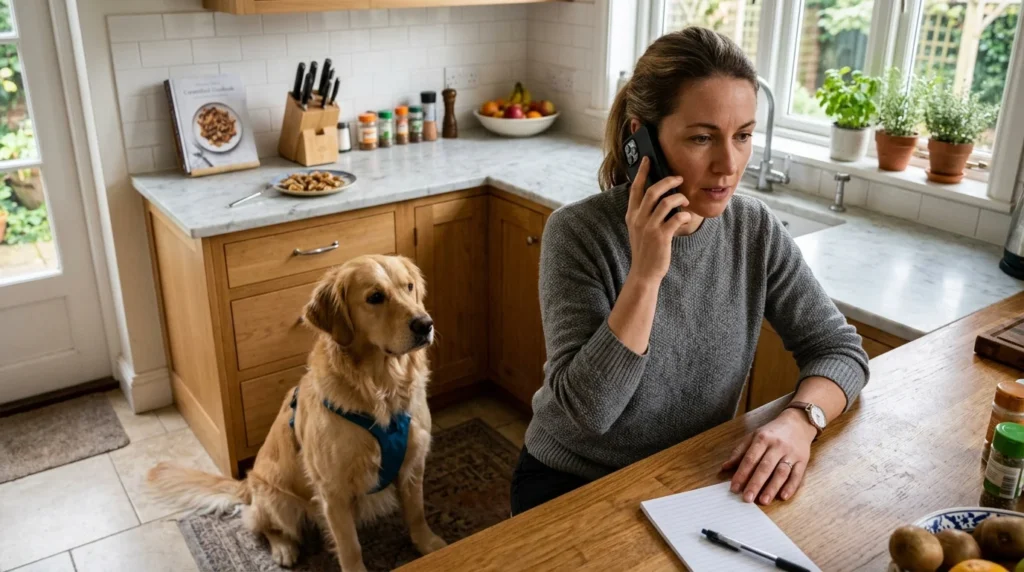
If your dog eats cooked onions, first determine what type of onion was consumed, approximately how much was eaten, when it happened, and your dog’s body weight. Keep the food packaging or recipe available if possible.
Contact your veterinarian for advice, particularly if your dog consumed a large amount, onion powder, or a concentrated onion-containing food. Do not induce vomiting unless a veterinary professional specifically instructs you to do so.
Can a Small Amount of Cooked Onion Hurt a Dog?
A very small accidental amount may not cause illness, particularly in a larger dog, but it is not possible to guarantee safety based on appearance alone. Risk depends on the quantity, concentration, dog’s body size, and other factors.
If your dog has eaten cooked onion, avoid giving additional onion-containing food and assess the amount consumed. When the amount is uncertain or potentially significant, contact a veterinarian for individualized guidance.
How Can You Keep Dogs Safe From Cooked Onions?
Keep onions and prepared onion-containing foods away from your dog’s reach. Store raw onions securely, use closed trash cans, and avoid leaving plates or leftovers on counters where dogs can access them.
Be particularly careful with onion powder because it can be hidden in processed foods and seasoning mixes. When preparing food for your dog, set aside their plain portion before adding onion, garlic, sauces, or heavy seasoning.
Frequently Asked Questions
Can dogs eat cooked onions?
No. Dogs should not eat cooked onions because cooking does not remove the compounds that can damage their red blood cells. Raw and cooked onions should both be avoided.
What happens if a dog eats cooked onions?
Depending on the amount consumed, a dog may develop digestive upset or red blood cell damage that can lead to anemia. Contact a veterinarian after significant or uncertain ingestion.
Can dogs eat boiled onions?
No. Boiled onions remain unsafe for dogs. Cooking can soften the onion but does not make it an appropriate food for dogs.
How long does onion poisoning take to affect dogs?
Some digestive symptoms can occur earlier, while anemia-related signs may take several days to develop. A dog appearing normal immediately after ingestion is not necessarily in the clear.
What should I do if my dog eats onion?
Determine the approximate amount and form of onion consumed and contact your veterinarian for guidance. Do not induce vomiting unless instructed by a veterinary professional.
Conclusion
So, can dogs eat cooked onions? No. Cooked onions remain unsafe for dogs, and boiling, frying, baking, roasting, or sautéing does not reliably remove the compounds responsible for onion toxicity. Dogs can potentially develop red blood cell damage and hemolytic anemia after significant exposure.
Remember that onions can be hidden in many everyday foods, including soups, gravies, curries, burgers, pizza, sauces, rice dishes, and processed foods. Onion powder deserves particular caution because it is concentrated and can be easy to overlook on ingredient labels.
If your dog accidentally eats cooked onions, do not panic, but do not ignore the exposure either. Consider your dog’s size, the approximate amount eaten, the type of onion, and when it happened, then contact your veterinarian for appropriate guidance. Seek urgent veterinary care if your dog develops weakness, pale gums, breathing problems, collapse, dark urine, repeated vomiting, or other serious symptoms.
How Much Cooked Onion Is Toxic to Dogs?
There is no single amount of cooked onion that can be guaranteed safe for every dog. Risk depends on the dog’s body weight, the amount consumed, the concentration of onion, and whether the exposure happened once or repeatedly. Cooked onions can still damage red blood cells.
Because individual sensitivity varies, avoid using a specific “safe amount” as a reason to delay veterinary advice. If your dog has eaten a meaningful or unknown quantity of cooked onion, tell your veterinarian the dog’s weight, approximate amount eaten, type of onion, and time of ingestion.
Can Dogs Eat a Little Cooked Onion?
A tiny accidental amount may not cause illness in every dog, but cooked onion should never be intentionally included in a dog’s diet. Even small exposures become more concerning when the amount is uncertain or when a dog repeatedly receives onion-containing foods.
If your dog has eaten only a small piece, remove the remaining food and monitor them while considering veterinary advice. If the food contained concentrated onion powder or a large amount of onion, contact a veterinarian promptly.
Can Dogs Eat Cooked Onions Every Day?
No. Dogs should not eat cooked onions every day or as part of their regular meals. Repeated exposure can increase the overall amount of onion compounds consumed and may contribute to red blood cell damage.
Human leftovers are particularly risky because onions may be combined with garlic, onion powder, sauces, salt, and other ingredients. Prepare your dog’s meals separately without onion and other unsafe seasonings.
Can Dogs Eat Cooked Onions in Small Portions?
It is better not to intentionally feed even small portions of cooked onion. While the severity of toxicity depends on dose and individual circumstances, onions are not a necessary food for dogs and provide no reason to take the risk.
If your dog accidentally consumes a small portion, note the approximate amount and monitor them. If the amount is uncertain or your dog is small, veterinary advice can help determine whether further action is needed.
Can Dogs Eat Onion-Flavored Food?
Dogs should not be given onion-flavored foods when the flavor comes from actual onion or onion powder. Onion powder can be particularly concerning because it is concentrated and may be included in seasoning blends without being obvious.
Check ingredient labels on chips, crackers, sauces, instant meals, meat products, soups, and prepared foods. If onion or onion powder is listed, choose a different food for your dog.
Can Dogs Eat Food Cooked in Onion Broth?
It is safest to avoid giving dogs food prepared in onion broth. When onions are cooked in liquid, compounds from the onion can enter the broth, so removing visible pieces does not necessarily make the entire preparation appropriate for dogs.
Use plain water or a veterinarian-approved dog-safe broth instead. Commercial broths should also be checked for onion, garlic, excessive sodium, and other ingredients that dogs should avoid.
Can Dogs Eat Cooked Onions in Stew?
No. Stews containing cooked onions should not be given to dogs. Stews can contain substantial quantities of onion along with onion powder, garlic, salt, fatty meat, and rich sauces.
If you want to give your dog some stew ingredients, prepare a separate portion using plain, dog-appropriate ingredients before adding onion and seasonings. Do not rely on removing visible onion pieces from a finished stew.
Can Dogs Eat Cooked Onions in Soup?
Dogs should not eat soup containing cooked onions. Soup can contain both pieces of onion and onion-infused liquid, along with garlic, salt, seasonings, and other ingredients that may be unsuitable for dogs.
Even if your dog only drinks the broth, check the ingredients. If a significant quantity was consumed, contact your veterinarian and provide details about the recipe or packaged product.
Can Dogs Eat Cooked Onions in Sauce?
No. Onion-containing sauces should not be fed to dogs. Sauces may contain onions in addition to onion powder, garlic, salt, spices, sugar, or high-fat ingredients.
Dogs do not need savory sauces with their meals. If you want to make food more appealing, use a veterinarian-approved dog-safe topper rather than a human sauce containing onion.
Can Dogs Eat Cooked Onions in Pasta?
Pasta itself can sometimes be fed in small portions, but pasta dishes containing cooked onions should not be given to dogs. Pasta sauces often contain onion and garlic, while prepared dishes may also contain high levels of salt and fat.
If sharing pasta, choose a small amount of plain, fully cooked pasta without onion, garlic, sauce, or heavy seasoning. Keep it as an occasional addition rather than a replacement for balanced dog food.
Can Dogs Eat Cooked Onions in Spaghetti Sauce?
No. Spaghetti sauce commonly contains onion, garlic, salt, herbs, and other seasonings. The fact that the onion has been cooked into the sauce does not make it safe for dogs.
Check commercial sauce labels carefully because onion powder can also be used. If your dog accidentally consumes spaghetti sauce, determine how much was eaten and contact your veterinarian if the exposure was significant.
Can Dogs Eat Cooked Onions in Meatballs?
Dogs should not be given meatballs containing cooked onions. Meatballs may contain fresh onion, onion powder, garlic, salt, breadcrumbs, sauces, and other ingredients that are not appropriate for dogs.
If you want to give your dog meat, plain fully cooked meat without onion, garlic, sauces, or heavy seasoning is a safer choice. Keep portions appropriate for your dog’s overall diet.
Can Dogs Eat Cooked Onions in Sausage?
Sausage containing onions or onion powder should not be fed to dogs. Processed sausages are also commonly high in fat and sodium, which can cause additional dietary problems.
If your dog accidentally eats sausage, check the ingredient list for onion, garlic, and onion powder. A substantial exposure or concerning symptoms should be discussed with a veterinarian.
Can Dogs Eat Cooked Onions in Grilled Food?
Grilled onions remain unsafe for dogs. Grilling changes the texture and flavor but does not make onion an appropriate canine food. Grilled dishes may also contain sauces, marinades, garlic, salt, and other seasonings.
When preparing a barbecue, keep onion and seasoned foods away from your dog. Give your dog only plain, fully cooked ingredients that are appropriate for canine consumption.
Can Dogs Eat Cooked Onions in Tacos?
No. Tacos and taco fillings often contain cooked onions, garlic, spicy seasonings, salt, cheese, sauces, and fatty meats. This combination is not suitable for dogs.
If your dog eats part of a taco, check exactly what ingredients were included. Contact your veterinarian if it contained a substantial amount of onion, onion powder, garlic, or another potentially harmful ingredient.
Can Dogs Eat Cooked Onions in Fajitas?
Dogs should not eat fajitas containing cooked onions. Fajita vegetables are often cooked with oil and seasoning, while the meat may contain garlic, onion powder, salt, and spices.
Prepare a separate plain portion of meat or dog-safe vegetables if you want to share food. Avoid giving your dog the seasoned fajita mixture or cooked onions.
Can Dogs Eat Cooked Onions in Omelets?
Eggs can be a suitable food for many dogs when fully cooked and served plain, but omelets containing onions should not be given to them. Onions remain unsafe after cooking.
If you prepare an egg for your dog, leave out onion, garlic, excessive salt, spicy seasonings, and large amounts of butter or oil. A plain cooked egg is a much simpler option.
Can Dogs Eat Cooked Onions in Fried Rice?
No. Fried rice containing cooked onions should not be fed to dogs. Fried rice often includes onion, garlic, soy sauce, high sodium, oils, and other seasonings that are unsuitable for dogs.
Plain cooked rice can be appropriate for some dogs in moderation, but it should be prepared separately without onion or heavy seasoning. If your dog eats a large serving of fried rice, check all ingredients carefully.
Can Dogs Eat Cooked Onions in Mashed Potatoes?
Mashed potatoes can be made dog-friendly when prepared plainly, but mashed potatoes containing cooked onions should not be given to dogs. Human recipes may also include garlic, butter, cream, and salt.
If you want to share potatoes, offer a small amount of plain cooked potato without onion, garlic, excessive butter, cream, or seasoning. Never assume that removing visible onion from prepared mashed potatoes eliminates all risk.
Can Dogs Eat Cooked Onions in Stuffing?
No. Stuffing is generally unsuitable for dogs because it commonly contains onion, garlic, herbs, butter, salt, and other seasonings. Some recipes may also include raisins or other ingredients that can be dangerous.
Keep stuffing away from dogs, particularly during holiday meals when food is often left within easy reach. If your dog eats stuffing, check the recipe and contact a veterinarian if toxic ingredients were included.
Can Dogs Eat Cooked Onions in Thanksgiving Food?
Many traditional holiday foods contain onion or onion powder, including stuffing, gravy, casseroles, sauces, and seasoned vegetables. These foods should not be shared with dogs without checking their ingredients.
Prepare plain dog-safe foods separately if you want your pet to participate in the meal. Keep leftovers, plates, and trash secured because dogs may eat large quantities when given access.
Can Dogs Eat Cooked Onions in Chinese Food?
Chinese dishes frequently contain onions, garlic, onion powder, sauces, salt, and other seasonings. Because recipes vary widely, prepared Chinese food should not be considered safe for dogs simply because it contains meat or vegetables.
If your dog accidentally eats Chinese food, check the ingredients if possible. Contact a veterinarian if the meal contained a substantial amount of onion, garlic, or another potentially harmful ingredient.
Can Dogs Eat Cooked Onions in Mexican Food?
Mexican dishes commonly use onions, garlic, spicy peppers, salt, and rich sauces. Cooked onion remains unsafe for dogs, and spicy or fatty ingredients can cause additional digestive problems.
Do not share seasoned Mexican food with your dog. If you want to offer meat or vegetables, prepare a plain portion without onion, garlic, chili, heavy seasoning, or sauces.
Can Dogs Eat Cooked Onions in Indian Food?
Many Indian dishes contain onions and garlic as foundational ingredients. They may also contain chili, spices, salt, butter, cream, and oils. Because cooked onion remains unsafe for dogs, these dishes should not be intentionally fed to them.
If your dog eats Indian food accidentally, determine which ingredients were included and approximately how much was consumed. Veterinary advice is recommended after significant onion or garlic exposure.
Can Dogs Eat Cooked Onions in Grilled Cheese?
Grilled cheese containing cooked onions should not be fed to dogs. In addition to onion, the sandwich may contain high-fat cheese, butter, salt, and other ingredients that can upset a dog’s digestive system.
If your dog accidentally gets a small bite, monitor them and check the ingredients. For intentional treats, choose a small amount of a dog-appropriate food without onion or excessive fat.
Can Dogs Eat Cooked Onions in Quiche?
Dogs should not be given quiche containing cooked onions. Quiche is typically rich in eggs, cheese, cream, butter, salt, and sometimes onion or garlic. The combination can be too fatty and unsuitable for dogs.
If you want to share egg with your dog, offer a small amount of plain fully cooked egg instead. Keep onion-containing baked dishes out of your dog’s reach.
Can Dogs Eat Cooked Onions in Casseroles?
No. Casseroles commonly contain onions, garlic, cream-based sauces, cheese, salt, and fatty ingredients. Cooking all these ingredients together does not make the onion safe for dogs.
Do not simply remove visible onion pieces and assume the remaining casserole is appropriate. Check the recipe and, if your dog consumes a significant amount, contact your veterinarian for advice.
Can Dogs Eat Cooked Onions in Meatloaf?
Meatloaf frequently contains chopped onion, onion powder, garlic, breadcrumbs, salt, and sauces. Dogs should not be intentionally fed meatloaf containing these ingredients.
A small portion of plain cooked lean meat without onion or heavy seasoning is a safer alternative. If your dog eats a large serving of meatloaf, check the recipe and contact your veterinarian if onion exposure was substantial.
Can Dogs Eat Cooked Onions in Gravy?
No. Onion-containing gravy should not be fed to dogs. Gravy can contain fresh onion, onion powder, garlic, high sodium, and large amounts of fat.
Even a small serving can add unnecessary ingredients to your dog’s diet. If accidental ingestion occurs, check the recipe and monitor your dog while seeking veterinary advice when the exposure is significant.
Can Dogs Eat Cooked Onions in Pot Roast?
Pot roast recipes often include onions, garlic, seasoning, and salty broth. Dogs should not eat the onion-containing portion, even though the meat itself may be suitable when prepared plainly.
If you want to share pot roast meat, set aside a plain piece before adding onion, garlic, gravy, or seasoning. Remove bones and excess fat as appropriate before serving.
Can Dogs Eat Cooked Onions in Chicken Soup?
Chicken soup containing cooked onions should not be given to dogs. The broth may contain onion compounds even when visible onion pieces are removed, and many recipes also contain garlic and high levels of sodium.
For a dog-safe meal, plain cooked chicken and appropriately prepared vegetables can be used without onion or garlic. If your dog consumes a large amount of onion-containing soup, contact a veterinarian.
Can Dogs Eat Cooked Onions in Vegetable Soup?
No. Vegetable soup may appear healthy, but recipes commonly contain onions, garlic, seasoning, and salt. Cooked vegetables do not become automatically safe simply because they are part of a soup.
Check the complete ingredient list before giving any human soup to your dog. Plain dog-safe vegetables prepared without onion, garlic, butter, or heavy seasoning are a better choice.
Can Dogs Eat Cooked Onions in Canned Food?
Dogs should not be given human canned foods containing onion or onion powder. Canned soups, meats, sauces, and prepared meals can contain concentrated seasonings that are easy to overlook.
Always read the ingredient label before sharing human canned food. If your dog eats a product containing onion powder, determine the amount consumed and contact your veterinarian for guidance when appropriate.
Can Dogs Eat Cooked Onions in Baby Food?
Some baby foods may contain onion powder or onion as a flavoring ingredient. Although baby food may seem mild, dogs should not automatically be given it without checking the complete ingredient list.
If you use baby food for a dog under veterinary guidance, select a simple product without onion, garlic, excessive salt, or other unsuitable ingredients. Check the label every time because formulations can differ.
Can Dogs Eat Cooked Onions After Being Washed?
Washing cooked onions does not make them safe for dogs. The concern is not simply dirt or surface contamination; the onion itself contains compounds that can damage canine red blood cells.
Do not attempt to make cooked onion safe by rinsing it, soaking it, or removing its seasoning. The safest approach is to keep onion out of your dog’s food completely.
Can Dogs Eat Cooked Onions After Boiling?
No. Boiling does not turn onions into a dog-safe food. Although cooking changes the onion and can move some compounds into surrounding liquid, the onion and onion-containing preparations should still be avoided.
Never give dogs boiled onions or onion-infused broth intentionally. If accidental ingestion occurs, consider the quantity and contact a veterinarian when the exposure is substantial or uncertain.
See Also: Can Dogs Eat Beans? Benefits, Risks & Safe Feeding Guide
Can Dogs Eat Cooked Onions After Frying?
No. Fried onions remain unsafe for dogs. Frying can also add significant fat and salt, making fried onion dishes even less appropriate for canine consumption.
Keep fried onions, onion rings, and similar foods away from your dog. If accidental ingestion occurs, monitor for digestive symptoms and seek veterinary advice when the amount consumed is significant.
Can Dogs Eat Cooked Onions After Baking?
No. Baked onions should not be given to dogs. Baking changes their texture but does not reliably eliminate the compounds responsible for onion toxicity.
Be careful with baked dishes such as casseroles, stuffing, savory pies, and roasted vegetables. If your dog consumes a substantial quantity, contact your veterinarian and provide the recipe if available.
Can Dogs Eat Cooked Onions With Eggs?
No. Even though plain cooked eggs can be suitable for many dogs, adding cooked onions makes the dish unsuitable. Onions remain potentially harmful after cooking.
Prepare eggs separately for your dog without onion, garlic, excessive oil, butter, salt, or seasoning. A small plain cooked egg portion is a much safer option than a seasoned human egg dish.
Can Dogs Eat Cooked Onions With Meat?
Dogs should not intentionally eat meat cooked together with onions. The meat may also have absorbed onion-containing juices, seasonings, sauces, or onion powder during preparation.
For a safer treat, set aside a plain piece of fully cooked meat before adding onions or seasonings. If your dog consumes meat with a significant amount of onion, contact your veterinarian for advice.
Can Dogs Eat Cooked Onions With Potatoes?
Plain cooked potatoes can be suitable for dogs in small portions, but potatoes cooked with onions should not be fed to them. Onion remains unsafe regardless of the other ingredients in the dish.
If you share potato, prepare it plainly without onion, garlic, excessive salt, butter, or rich sauces. Always cut and serve it in an appropriate portion for your dog.
Can Dogs Eat Cooked Onions With Carrots?
Carrots are generally considered a dog-friendly vegetable, but adding cooked onions changes the safety of the dish. Dogs should not be given carrot-and-onion mixtures or other vegetables cooked with onion.
Plain cooked carrots can be offered in appropriate portions when suitable for your dog. Prepare them separately and avoid seasoning them with onion, garlic, salt, or rich sauces.
Can Dogs Eat Cooked Onions With Green Beans?
Plain green beans can be suitable for many dogs, but green beans cooked with onions should not be intentionally fed to them. The onion remains the primary toxicity concern.
If you want to share green beans, choose plain cooked or fresh pieces without onion, garlic, butter, excessive salt, or seasoning. Remove any ingredients that may be difficult for your dog to digest.
Can Dogs Eat Cooked Onions With Broccoli?
Broccoli can be offered to many dogs in small amounts, but broccoli prepared with cooked onions is not a safe combination to intentionally feed. The onion creates the avoidable risk.
Serve plain broccoli in a suitable portion if your dog tolerates it. Avoid recipes containing onion, garlic, spicy sauces, excessive salt, or large amounts of oil.
Can Dogs Eat Cooked Onions With Spinach?
Spinach is sometimes given to dogs in small amounts, but spinach cooked with onions should not be offered. The onion remains unsafe even when combined with otherwise dog-friendly vegetables.
If your veterinarian considers spinach appropriate for your dog, prepare it plainly and use a modest amount. Avoid onion, garlic, heavy seasoning, and rich sauces.
See Also: Can Dogs Eat Yogurt? Benefits, Risks & Safe Feeding Guide
Can Dogs Eat Cooked Onions With Cheese?
Dogs should not eat cooked onions mixed with cheese. The onion can damage red blood cells, while cheese may add fat and calories and can cause digestive upset in some dogs.
For an occasional treat, a tiny amount of plain cheese may be tolerated by some dogs, but it should not be combined with onion or heavily seasoned foods.
Can Dogs Eat Cooked Onions With Butter?
No. Cooked onions with butter are not appropriate for dogs. Butter does not reduce onion toxicity, and its high fat content can contribute to stomach upset and excessive calorie intake.
Keep buttered onion dishes away from dogs. If accidental ingestion occurs, monitor your dog and contact your veterinarian when the amount of onion or rich food consumed is substantial.
Can Dogs Eat Cooked Onions With Oil?
Cooking onions in oil does not make them safe for dogs. In addition to the onion toxicity concern, large amounts of fatty food can cause digestive problems in some dogs.
Dogs should receive meals prepared specifically for their nutritional needs. Avoid sharing oily onion dishes and keep leftovers secured from pets.
Can Dogs Eat Cooked Onions With Salt?
No. Adding salt does not make cooked onions safe. Onion itself can damage red blood cells, while excessive sodium can create additional health concerns when consumed in significant quantities.
Avoid feeding dogs heavily salted human foods, especially those containing onion or garlic. Plain, appropriately prepared food is a safer choice.
Can Dogs Eat Cooked Onions With Garlic?
No. Cooked onions and garlic should both be kept out of a dog’s diet. Both belong to the Allium family and can damage red blood cells.
Foods containing both ingredients can therefore present a greater overall exposure. If your dog eats a significant amount of onion-and-garlic food, contact your veterinarian promptly.
What Signs Should You Watch for After Onion Exposure?
Watch for vomiting, diarrhea, reduced appetite, lethargy, weakness, pale gums, rapid breathing, increased heart rate, dark or reddish urine, or unusual tiredness. These signs can indicate digestive upset or developing anemia.
Some effects may be delayed, so continue observing your dog after the exposure. If severe weakness, collapse, difficulty breathing, seizures, or other serious symptoms occur, seek emergency veterinary care.
When Should You Call a Veterinarian?
Contact a veterinarian whenever your dog has consumed a substantial, concentrated, or unknown amount of onion. Veterinary advice is especially important for small dogs, repeated exposure, onion powder, or foods containing both onion and garlic.
Do not wait for symptoms if you are concerned about the quantity consumed. Your veterinarian can assess the exposure based on your dog’s size, the form of onion, the amount eaten, and the time since ingestion.
Frequently Asked Questions
Can dogs eat cooked onions?
No. Cooking does not make onions safe for dogs. Cooked onions can still contain compounds capable of damaging red blood cells and causing anemia.
Can dogs eat a small amount of cooked onion?
A tiny accidental amount may not make every dog sick, but there is no reason to intentionally feed onion. If the amount is uncertain or significant, contact a veterinarian for guidance.
Does boiling onions make them safe for dogs?
No. Boiling changes the onion but does not make it a safe dog food. Onion-containing broth can also be a concern because compounds may enter the cooking liquid.
What happens if my dog eats cooked onions?
Depending on the amount, onion exposure can cause digestive upset and damage red blood cells, potentially leading to anemia. Contact your veterinarian after significant or uncertain ingestion.
How long after eating onion can a dog get sick?
Digestive symptoms may occur earlier, while signs associated with red blood cell damage can take several days to become noticeable. A dog that initially appears normal may still require monitoring.
Conclusion
Can dogs eat cooked onions? No. Cooked onions remain unsafe for dogs, whether they are boiled, fried, baked, roasted, sautéed, caramelized, or mixed into another meal. Cooking changes the onion’s texture and flavor but does not reliably remove the compounds that can damage canine red blood cells.
Be especially careful with onion powder, onion-containing broths, sauces, gravies, soups, curries, casseroles, stuffing, meat dishes, and processed foods. Simply removing visible onion pieces from a finished dish does not necessarily make the food safe.
If your dog accidentally eats cooked onions, determine the approximate amount, type of onion, time of ingestion, and your dog’s weight, then contact a veterinarian when the exposure is significant or uncertain. Seek urgent care if your dog develops severe weakness, pale gums, breathing difficulties, collapse, dark urine, repeated vomiting, or other serious symptoms.
See Also: Can Dogs Eat Peas? Benefits, Risks & Safe Feeding Tips


