

Can Dogs Eat Pork Bones? Risks, Safety & What to Do
If you are wondering, can dogs eat pork bones, the safest answer is no. Pork bones can be dangerous for dogs, especially when they are cooked. Cooked pork bones can become brittle and splinter into sharp pieces that may injure a dog’s mouth, throat, stomach, or intestines. Even raw pork bones can create risks such as choking, broken teeth, intestinal blockage, and exposure to harmful bacteria.
Dogs may naturally enjoy chewing bones, but that does not mean every bone is safe. Pork bones can break into pieces that are difficult for a dog to handle safely. If your dog has eaten a pork bone, the appropriate response depends on the type and amount of bone consumed and whether your dog is showing symptoms.
Can Dogs Eat Pork Bones?
Dogs should generally not be given pork bones to chew or eat. Pork bones can crack, break, or splinter, creating sharp fragments that may cause serious injuries. This concern applies particularly to cooked pork bones, which can become more brittle after cooking.
Even if a dog appears to chew a pork bone without difficulty, pieces can still be swallowed. A swallowed bone fragment may become lodged in the throat or digestive tract or cause an intestinal obstruction. Because safer chewing alternatives are available, pork bones are best avoided.
Are Pork Bones Safe for Dogs?
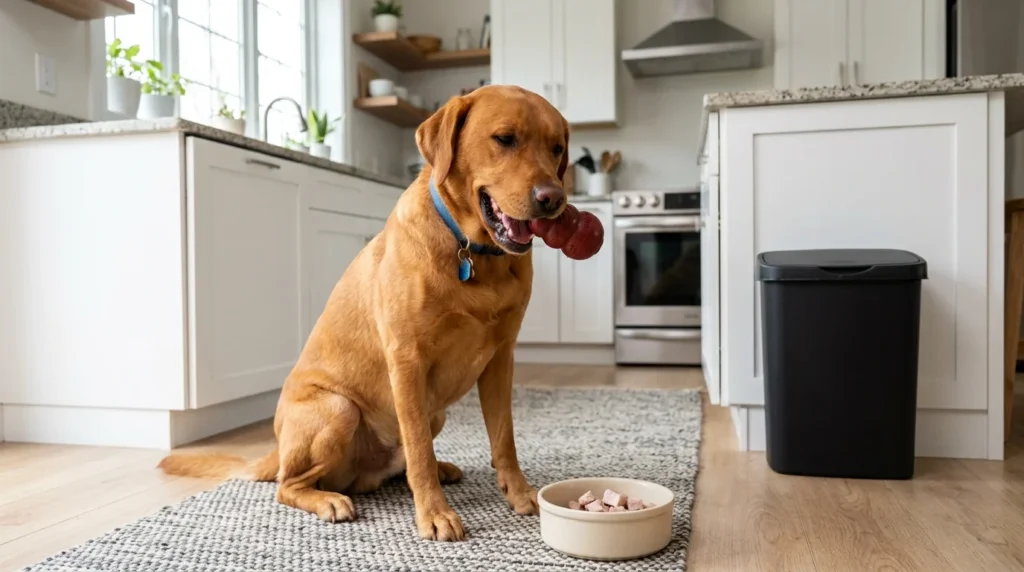
Pork bones are not considered a safe chewing option for dogs. Their size, shape, hardness, and tendency to break can create physical hazards. A dog may also bite down hard enough to damage or fracture a tooth while chewing a hard bone.
The risks can be greater when bones are cooked or when a dog aggressively chews and swallows large pieces. Instead of offering pork bones, choose veterinarian-recommended dental chews or other products designed specifically for dogs.
Can Dogs Eat Cooked Pork Bones?
No, cooked pork bones should not be given to dogs. Cooking can make bones more brittle, increasing the possibility that they will break into sharp fragments. These fragments can cause choking or injuries to the digestive tract if swallowed.
Never give your dog leftover pork ribs, pork chops with bones, cooked pork roast bones, or other cooked pork bones simply because the meat has been removed. The bone itself can remain hazardous even when it looks clean or small.
Can Dogs Eat Raw Pork Bones?
Raw pork bones may be less brittle than cooked bones, but they are still not risk-free. A dog can break a raw bone into pieces, swallow large fragments, damage a tooth, or choke. Raw pork can also carry harmful microorganisms, creating additional food-safety concerns.
For these reasons, giving raw pork bones is not a risk-free alternative to cooked bones. If you are considering a raw-food or recreational-bone diet for your dog, discuss the specific product and feeding method with your veterinarian first.
Can Dogs Eat Pork Rib Bones?
Dogs should not eat pork rib bones. Rib bones can be relatively thin and may break into smaller, sharp pieces when chewed. A dog may swallow fragments that can become lodged or cause damage further along the digestive tract.
This is particularly concerning with cooked ribs because cooking can make the bones more likely to splinter. Pork ribs are also commonly prepared with barbecue sauce, spices, salt, onion, or garlic, which can create additional dietary concerns for dogs.
Also read: Constantine Yankoglu
Can Dogs Eat Pork Chop Bones?
Pork chop bones should not be intentionally given to dogs. A dog can chew through the bone or break off pieces and swallow them. Hard bones can also put significant pressure on teeth and potentially cause dental fractures.
If you are serving pork to your dog, remove the bone completely and only offer a small amount of plain, fully cooked pork. Avoid sauces, marinades, garlic, onion, excessive salt, and fatty trimmings.
Can Dogs Eat Pork Shoulder Bones?
Pork shoulder bones can be hazardous to dogs because they are hard enough to cause dental damage and may break into pieces when aggressively chewed. Cooked shoulder bones are especially inappropriate because brittle fragments can become sharp after cooking.
Even a large dog should not be assumed to be safe simply because it has a strong jaw. Large dogs can still fracture teeth or swallow pieces of bone. Keep pork shoulder bones away from dogs and dispose of them securely after meals.
Can Dogs Eat Pork Hock Bones?
Pork hock bones are not recommended for dogs. These bones can be hard and may cause tooth fractures or break into pieces during chewing. Cooked hock bones can present an additional splintering risk.
If your dog is attracted to pork hock bones because of the smell or remaining meat, remove the bone before offering any meat. The meat should be plain and free from sauces and seasonings that may contain ingredients unsafe for dogs.
Can Dogs Eat Pork Bones After Cooking?
No. Cooking does not make pork bones safer for dogs. In fact, cooked bones can become brittle and are more likely to splinter when chewed. Sharp fragments can potentially cause injuries in the mouth, throat, stomach, or intestines.
This means you should not give your dog cooked pork bones from dinner leftovers. If you want to share pork, remove all bones first and provide only a small amount of plain, thoroughly cooked meat.
Can Dogs Eat Pork Bones From Ribs?
Pork rib bones are best kept away from dogs whether they come from a home-cooked meal, barbecue, restaurant dish, or leftover dinner. Their shape and structure can allow them to break into pieces when a dog chews them.
Barbecue ribs can be even more problematic because the meat and bones may be covered in sauces, salt, spices, onion, or garlic. If your dog wants a chew after dinner, provide a safer dog-specific chewing product instead of a leftover rib bone.
Can Dogs Eat Smoked Pork Bones?
Smoked pork bones should not be given to dogs. Smoking and cooking do not remove the physical dangers associated with bones. A smoked pork bone can still break, become lodged, damage teeth, or cause an obstruction after being swallowed.
Smoked pork products can also contain substantial amounts of salt and other seasonings. If your dog has eaten a smoked pork bone, pay attention to any unusual symptoms and contact your veterinarian if you are concerned about the amount consumed or your dog’s condition.
See Also: Can Dogs Eat Tuna Fish? Safety, Benefits, Risks & Tips
Can Dogs Eat BBQ Pork Bones?
BBQ pork bones are particularly unsuitable for dogs. The bone itself can splinter or cause choking, while barbecue sauces and rubs may contain high levels of salt, sugar, spices, onion, or garlic. These ingredients can create additional risks beyond the bone.
Never give a dog a leftover barbecue rib bone as a treat. Remove bones from pork before serving it to your dog and keep barbecue leftovers securely out of reach.
Can Puppies Eat Pork Bones?
Puppies should not be given pork bones. Their developing teeth can be damaged by hard bones, and puppies may also be more likely to swallow pieces without chewing them adequately. A swallowed bone can become a choking hazard or contribute to a digestive obstruction.
Puppies also need a carefully balanced diet to support growth. If you want to provide your puppy with something to chew, choose an age-appropriate chew designed specifically for puppies rather than a pork bone.
Can Small Dogs Eat Pork Bones?
Small dogs should not eat pork bones. Their smaller mouths and digestive tracts do not make bones safer, and even a relatively small fragment can present a choking or obstruction hazard. Hard bones can also damage the teeth of small dogs.
If you give your small dog pork meat, remove the bone completely and keep the portion small. Plain, fully cooked pork without fatty trimmings, sauces, onion, garlic, or heavy seasoning is a much safer option than pork bones.
Also read: Abella Danger Net Worth
Can Large Dogs Eat Pork Bones?
Large dogs should also avoid pork bones. A large dog may be capable of crushing a bone more easily, but this can actually create additional sharp fragments that may be swallowed. Large dogs can also suffer fractured teeth from chewing hard bones.
Do not assume that a large breed needs larger or harder bones for chewing. Safer dog-specific chews can provide chewing activity without the same risks associated with pork bones.
Can Dogs Eat Pork Bones With Meat on Them?
Dogs should not be given pork bones simply because there is meat attached to them. While plain, cooked pork meat can be suitable for many dogs in moderation, the attached bone remains a physical hazard. Dogs may chew through the bone while trying to reach the meat.
If you want to share pork with your dog, remove the bone and serve a small amount of plain meat. Cut away excessive fat and avoid seasonings, sauces, onion, garlic, and salty preparations.
Can Dogs Eat Pork Bone Marrow?
Bone marrow is rich and fatty, and giving dogs pork bones specifically to access marrow is not recommended. The bone surrounding the marrow creates the same risks of tooth damage, choking, splintering, and digestive obstruction.
Large amounts of fatty foods can also cause digestive upset in some dogs. If your dog has already eaten marrow from a pork bone, monitor them for vomiting, diarrhea, abdominal discomfort, or other unusual symptoms and seek veterinary advice if symptoms are significant.
What Happens If a Dog Eats a Pork Bone?
If a dog eats a pork bone, there is a possibility that nothing serious will happen, but the risk cannot be predicted simply by looking at the dog’s behavior immediately afterward. Bone fragments can cause problems later as they move through the digestive tract.
The most important factors include whether the bone was cooked, how large the bone was, how much was swallowed, and the size of the dog. Do not induce vomiting unless a veterinarian specifically instructs you to do so, because bringing a sharp bone fragment back up can potentially cause additional injury.
What to Do If Your Dog Eats a Pork Bone
If your dog has swallowed a pork bone, first determine what type of bone it was and whether it was cooked or raw. Remove any remaining bones from your dog’s reach and do not give additional bones or rich foods. Do not force your dog to vomit unless specifically instructed by a veterinarian.
Contact your veterinarian for guidance, particularly if a large piece was swallowed, the bone was cooked, your dog is small, or you are unsure how much was consumed. Seek urgent veterinary care if your dog is choking, having difficulty breathing, repeatedly gagging, vomiting, showing severe pain, or becoming unusually weak.
What Are the Risks of Pork Bones for Dogs?
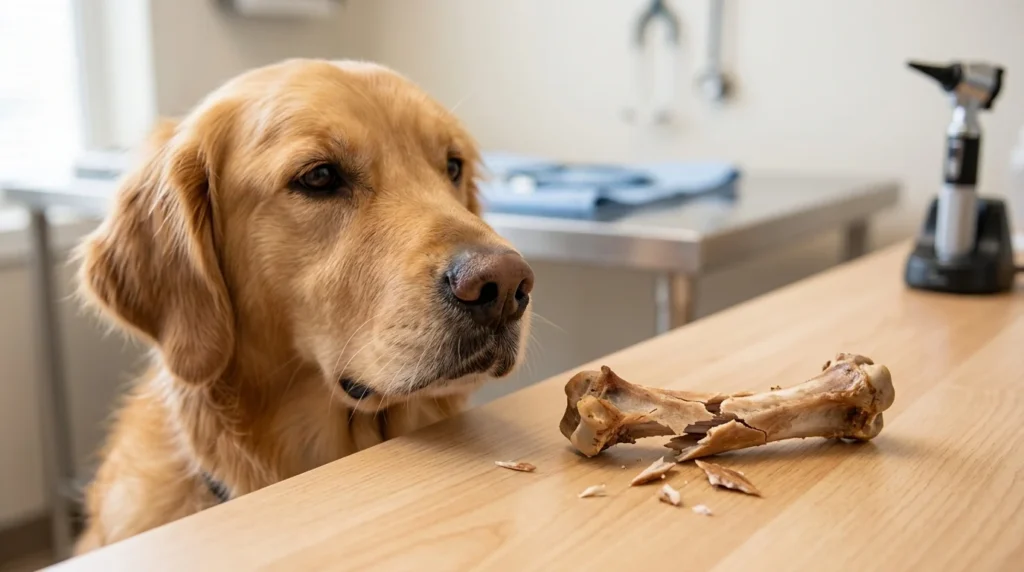
Pork bones can create several serious risks for dogs. The biggest concern is that bones can break into pieces that become choking hazards or cause injuries as they move through the digestive tract. A dog may also suffer a cracked or broken tooth while chewing a hard bone. These risks can occur even when a dog seems comfortable while chewing.
Cooked pork bones are especially concerning because they can become brittle and splinter more easily. Raw bones are not automatically safe either, as they can still cause choking, obstruction, dental injuries, and exposure to harmful bacteria. Because the potential complications can be serious, avoiding pork bones is the safest approach.
Can Pork Bones Cause Choking in Dogs?
Yes, pork bones can become a choking hazard. A dog may break off a piece of bone and swallow it before properly chewing it. Smaller fragments can become lodged in the throat or airway, while larger pieces can become stuck farther down the digestive tract.
Choking can become an emergency very quickly. If your dog is struggling to breathe, repeatedly gagging, pawing at their mouth, making unusual choking sounds, or showing blue or pale gums, seek emergency veterinary care immediately. Do not put your fingers deep into a dog’s mouth to search for a lodged bone.
Can Pork Bones Break a Dog’s Teeth?
Hard pork bones can damage a dog’s teeth. Dogs can exert considerable force when chewing, and a very hard bone may cause a tooth to crack or fracture. Broken teeth can be painful and may expose sensitive tissue inside the tooth.
Dental injuries are another reason veterinarians may recommend avoiding very hard bones. If your dog chews a pork bone and afterward drools excessively, drops food, chews on one side of the mouth, avoids hard food, or seems painful when eating, contact your veterinarian for an examination.
Can Pork Bones Cause Intestinal Blockage?
Yes, swallowed pork bone fragments can potentially cause a gastrointestinal obstruction. A piece may become lodged in the stomach or intestines instead of passing normally through the digestive system. Blockages can interfere with digestion and may require veterinary treatment or, in severe cases, surgery.
Warning signs can include repeated vomiting, loss of appetite, abdominal pain, bloating, constipation, straining to defecate, lethargy, or unusual behavior. If these symptoms appear after your dog has swallowed a bone, seek veterinary care promptly rather than waiting for the bone to pass on its own.
Can Pork Bones Splinter in Dogs?
Pork bones can splinter when dogs chew them, particularly after cooking. Splintered fragments can have sharp edges and may injure the mouth, throat, stomach, or intestines. The risk depends partly on the bone and how aggressively the dog chews it, but there is no reliable way to guarantee that a bone will remain intact.
For this reason, do not give cooked pork ribs, chops, roast bones, or other cooked pork bones as chew toys. Even if a bone looks sturdy, chewing can change its shape and create fragments that are unsafe to swallow.
Can Pork Bones Cause Pancreatitis in Dogs?
The bone itself is not the only concern with pork leftovers. Pork can be fatty, and rich meat or fat attached to a bone may contribute to digestive upset. In some dogs, eating a large amount of fatty food can contribute to pancreatitis, a painful inflammation of the pancreas.
Signs of pancreatitis can include vomiting, diarrhea, abdominal pain, weakness, loss of appetite, and a hunched or uncomfortable posture. If your dog has consumed a large amount of fatty pork along with a bone and develops these symptoms, contact your veterinarian promptly.
See Also: Can Dogs Eat Sauerkraut? Safety, Benefits, Risks & Tips
Can Dogs Eat Pork Bones After They Are Boiled?
No. Boiling does not make pork bones safe for dogs. Once cooked, the bone can become more brittle and may break into sharp pieces during chewing. This can increase the risk of choking, dental injury, and damage to the digestive tract.
Do not give your dog boiled pork rib bones, boiled pork chop bones, or bones left over from a cooked pork meal. If you want to share boiled pork meat, remove all bones and seasonings and offer only a small amount of plain meat.
Can Dogs Eat Pork Bones From a Pork Roast?
Pork roast bones should not be given to dogs. Roast bones are cooked and can splinter when chewed. The leftover meat may also contain fat, salt, garlic, onion, gravy, or other seasonings that can create additional health concerns.
Keep roast leftovers and bones out of your dog’s reach. If you want to share some roast pork, remove the bone and excess fat and make sure the meat is free from sauces and unsafe seasonings before offering a small portion.
Can Dogs Eat Pork Bones From Leftovers?
Dogs should not eat leftover pork bones from the dinner table. Leftover bones are often cooked and may have sharp fragments after being chewed or broken. They may also carry sauces, marinades, salt, spices, onion, or garlic from the meal.
Dispose of pork bones in a secure trash container that your dog cannot access. Do not leave bones on plates or in an open garbage bin, especially if your dog is known to search for food. Preventing access is safer than dealing with a swallowed bone afterward.
Can Dogs Eat Pork Bone Broth?
Plain pork bone broth can be different from feeding a whole pork bone, but the broth should only be considered if it is prepared specifically with dog-safe ingredients. Avoid broths containing onion, garlic, excessive salt, or heavy seasonings. Never allow your dog to chew or swallow the cooked bones used to make the broth.
If you prepare broth for your dog, remove and safely discard all bones before serving. Let the broth cool and avoid adding ingredients that may be harmful to dogs. If your dog has a medical condition or follows a prescription diet, ask your veterinarian before adding homemade broth.
Can Dogs Eat Pork Bones With Barbecue Sauce?
No. Pork bones covered in barbecue sauce are particularly unsuitable for dogs. The bone can splinter, while barbecue sauce may contain excessive salt, sugar, spices, onion, garlic, or other ingredients that are inappropriate for dogs.
If your dog has eaten a barbecue pork bone, check the sauce ingredients and determine approximately how much was consumed. Contact your veterinarian if the bone was swallowed, particularly if it was cooked or large, or if the sauce contained onion or garlic.
Are Raw Pork Bones Better Than Cooked Pork Bones?
Raw pork bones may not splinter in exactly the same way as cooked bones, but that does not make them safe. Dogs can still break raw bones, swallow fragments, damage their teeth, or choke. Raw pork and bones can also carry bacteria that may pose risks to dogs and people in the household.
If you are considering feeding raw bones, discuss the risks with your veterinarian first. A safer approach is to choose appropriate dog-specific chew products that are designed with canine chewing behavior and safety in mind.
Can Dogs Eat Pork Bone Cartilage?
Cartilage is softer than bone, but pork products containing cartilage may still have attached bone fragments or fatty tissue. Giving dogs pork parts specifically to chew is therefore not necessarily risk-free. The safety depends on exactly what the dog consumes and how the product was prepared.
If you want to offer pork to your dog, remove all obvious bones and provide a small amount of plain, cooked meat instead. Avoid fatty trimmings and seasoned pork. If your dog has eaten a piece containing bone or develops digestive symptoms, seek veterinary guidance.
Can Dogs Eat Pork Bones if They Are Supervised?
Supervision can reduce some risks, but it cannot make pork bones safe. A dog can break a bone or swallow a fragment very quickly, even while an owner is watching. Supervision also cannot prevent tooth fractures or injuries caused by sharp pieces.
For this reason, simply watching your dog while they chew a pork bone is not considered adequate protection against the potential hazards. Choose a safer chew designed for dogs instead of relying on supervision to make a hazardous bone acceptable.
What Are Safer Alternatives to Pork Bones?
If your dog enjoys chewing, there are many dog-specific alternatives designed to provide chewing activity without using pork bones. Options can include appropriately sized dental chews, rubber chew toys, and other veterinarian-recommended products. The correct choice depends on your dog’s size, age, chewing style, and dental health.
Always select a product appropriate for your dog’s size and supervise chewing when recommended by the manufacturer. Avoid extremely hard objects that could damage teeth. If you are unsure which chew is suitable, your veterinarian can help you choose an appropriate option.
How to Prevent Your Dog From Eating Pork Bones
The easiest way to prevent problems is to keep pork bones inaccessible. After eating, place bones and leftovers in a securely closed trash container rather than leaving them on plates or counters where a dog can reach them. Teach your dog a reliable “leave it” or “drop it” command to help manage food-related situations.
Guests should also know not to feed your dog table scraps containing bones. If you have multiple pets, monitor meal areas so one animal cannot steal another’s leftovers. Simple prevention can significantly reduce the chance of accidental bone ingestion.
When Should You Contact a Veterinarian?
Contact a veterinarian if your dog has swallowed a pork bone, particularly if it was cooked, large, sharp, or accompanied by other potentially harmful ingredients. A veterinarian can assess the situation based on the dog’s size, the type of bone, and the amount consumed.
Seek urgent care if your dog has trouble breathing, choking, repeated vomiting, severe abdominal pain, a swollen abdomen, bloody stool, extreme weakness, collapse, or significant difficulty passing stool. Do not induce vomiting unless a veterinary professional specifically tells you to do so.
Frequently Asked Questions
Can dogs eat pork bones?
No. Pork bones can cause choking, dental fractures, splintering, intestinal blockage, and other injuries. Cooked pork bones are especially risky and should be avoided.
Can dogs eat raw pork bones?
Raw pork bones are not risk-free. They can still cause choking, broken teeth, digestive obstruction, and exposure to bacteria, so they should not be routinely given without veterinary guidance.
What should I do if my dog eats a pork bone?
Remove any remaining bones, do not induce vomiting unless instructed by a veterinarian, and contact your veterinarian for advice. Seek emergency care if your dog is choking or showing severe symptoms.
Are cooked pork bones more dangerous for dogs?
Yes. Cooked bones can become brittle and may splinter into sharp pieces. These fragments can cause choking or injuries to the digestive tract.
Can dogs eat pork meat without the bone?
Plain, fully cooked pork without bones, excessive fat, onion, garlic, sauces, or heavy seasoning can be suitable for many dogs in moderation. Keep the portion small and treat it as an occasional addition to a balanced diet.
Conclusion
So, can dogs eat pork bones? It is safest to say no. Pork bones can create serious physical hazards, including choking, broken teeth, splinter injuries, and intestinal blockage. Cooked pork bones are particularly concerning because they can become brittle and break into sharp fragments.
Raw pork bones are not a completely safe alternative because they can still cause mechanical injuries and may carry harmful bacteria. Pork dishes can also contain additional ingredients such as onion, garlic, salt, sauces, and excessive fat that create further concerns for dogs.
If you want to share pork with your dog, remove the bone and offer only a small amount of plain, fully cooked meat. For chewing, use an appropriately sized dog-specific chew instead. If your dog has swallowed a pork bone or develops concerning symptoms afterward, contact a veterinarian promptly.
See Also: Can Dogs Eat Basil? Safety, Benefits, Risks & Feeding Tips


