

Can Dogs Eat Black Beans? Benefits, Risks & Safe Feeding Guide
Last updated: 18 October 2026
Yes, dogs can eat black beans, but only plain and fully cooked, and only as an occasional treat. That one sentence answers the question, and everything below covers the part that actually matters: which forms of black beans are safe, which are not, how much suits a dog your size, and what to do if your dog already helped himself to a bowlful.
The Short Verdict on Every Form of Black Beans
Plain cooked black beans are safe for most dogs in small amounts. Dried beans cooked at home are the best choice, and low-sodium canned beans are an acceptable backup once drained and rinsed. Everything else in the usual human line-up, from raw beans to refried, baked and chilli-seasoned versions, is off the menu for the reasons below.
| What you have | Verdict for dogs | Why |
|---|---|---|
| Dried black beans, cooked plain at home | Safe in small amounts | You control the ingredients, and proper cooking destroys the lectins that make raw beans risky. This is also what PetMD recommends for beans generally. |
| Canned black beans, no added salt | OK as a backup, rinsed | Far less sodium than regular tins. Drain and rinse under cold water before serving, as Petful and Harringtons both advise. |
| Regular canned black beans | Avoid | PetMD describes canned beans as very high in sodium, and many tins contain seasonings on top. |
| Raw or dry black beans | Never feed | Hard to digest, and lectins can cause vomiting and diarrhoea. Harringtons explains why all dry beans need thorough cooking. |
| Refried black beans | Do not feed | Typically cooked with lard or oil, salt, garlic and onion. PetMD notes the high fat can trigger pancreatitis. |
| Baked beans | Do not feed | Sugar, salt and often onion or garlic in the sauce, as Harringtons lays out. These are a human dish, not a dog treat. |
| Chilli or taco-seasoned beans | Do not feed | Spices, onion, garlic and chilli can seriously irritate a dog’s stomach and digestive tract. |
| Frozen black beans | Cook first, like dried | Plain frozen beans are fine once fully cooked. Skip pre-seasoned frozen mixes. |
For the full bean-by-bean picture, see our full guide to beans for dogs, which covers which types are safe and how to prepare them.
What Black Beans Actually Bring to the Bowl
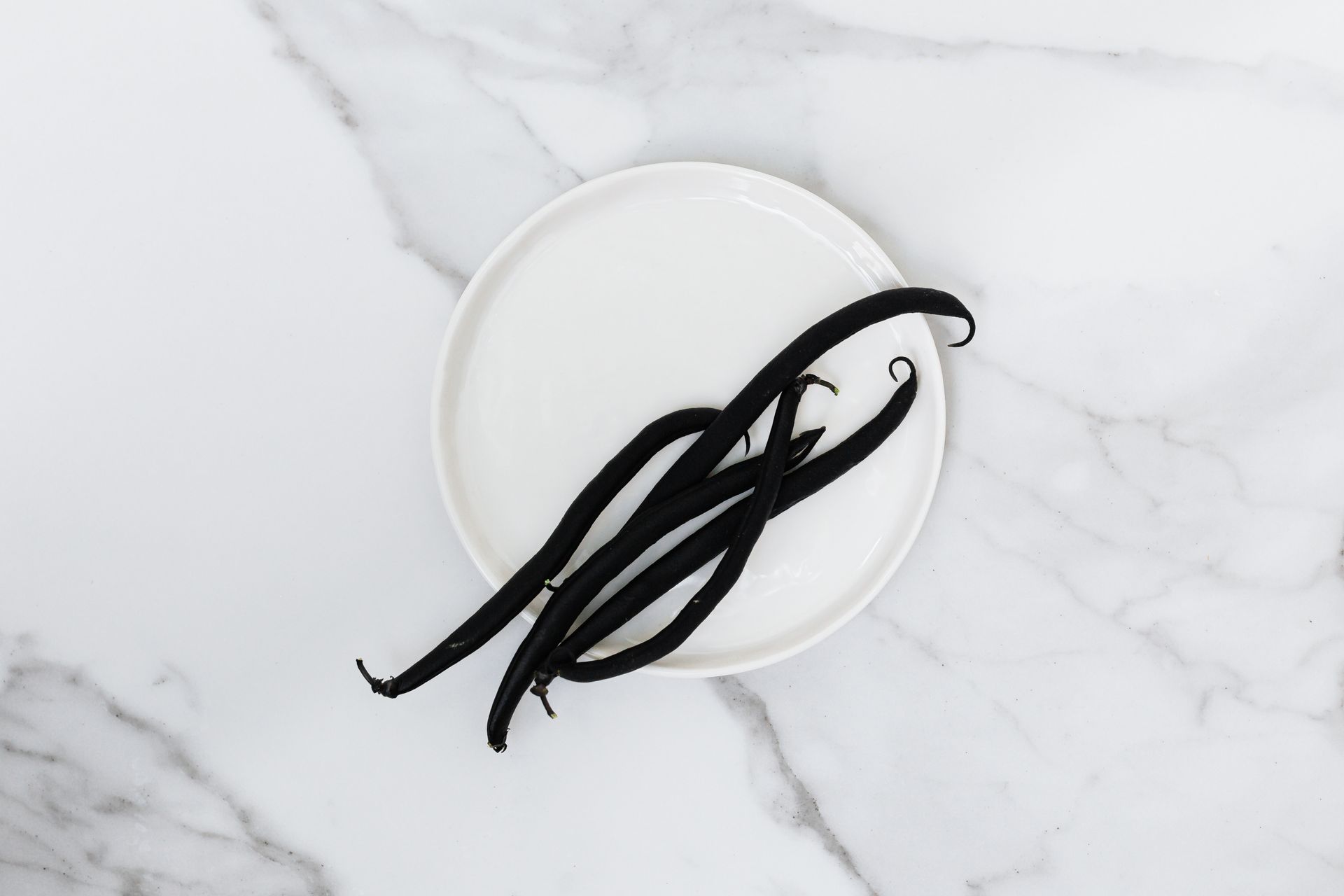
PetMD lists black beans as a good source of antioxidants, fibre, potassium and magnesium, and describes beans generally as having more protein than grains while staying low in fat. Petful, which publishes a black-bean-specific guide with vet input, reports roughly 7 grams of plant protein and 7 to 8 grams of fibre per half cup of cooked black beans, alongside folate, iron and magnesium. The dark colour comes from anthocyanins, a group of antioxidant pigments.
| Nutrient | What it does for dogs | What Petful reports (per half cup, cooked) |
|---|---|---|
| Protein | Supports muscle maintenance and tissue repair | About 7 g of plant protein |
| Fibre | Supports regular bowel movements and a feeling of fullness | About 7 to 8 g, mostly soluble fibre |
| Folate (vitamin B9) | Involved in red blood cell formation and cell growth | Useful amounts in black beans |
| Iron and magnesium | Support oxygen transport, metabolism and muscle function | Both present in helpful quantities |
| Potassium | Helps fluid balance and nerve signalling | Listed as a key mineral in black beans by PetMD |
| Anthocyanins | Antioxidant support against everyday oxidative stress | Behind the bean’s dark colour |
KitchPrep puts it well: beans are only an extra, never a main meal. Legumes cannot supply the complete amino acid profile and nutrient balance a dog gets from meat and a properly formulated dog food, and PetMD agrees beans should stay a small occasional part of the diet. Our guide to what dogs can eat covers the wider picture.
Edamame is the green-soybean cousin in the legume family — see whether dogs can eat edamame. For a similar legume, see plain cooked chickpeas. Lentils follow the same plain-and-cooked rule, as our guide to whether dogs can eat lentils explains.
Pinto beans follow the same plain-and-cooked rule, so see our guide to whether dogs can eat pinto beans.
For a bean that must always be cooked fully first, see our guide to lima beans for dogs.
Raw Black Beans and the Lectin Question, Answered Honestly
The headline hazard here is not black beans specifically but raw dry beans in general. The well-known danger is raw kidney beans: they carry high levels of the lectin phytohaemagglutinin, which is why PetMD states plainly that raw kidney beans are toxic to dogs. Black beans carry the same family of compounds at lower levels, and the same rule applies to them: never serve beans raw or undercooked.
Harringtons cites UK Food Standards Agency guidance that raw kidney beans should be soaked for at least 12 hours and then boiled vigorously for at least 10 minutes to destroy the toxin, and adds that slow cookers alone do not reach the temperature needed to do the job. If you cook beans in a slow cooker, give them a hard boil first, then do the long slow phase. Treat undercooked beans as unsafe, since simply warming them does not destroy the lectins.
Signs of lectin poisoning include nausea, vomiting, diarrhoea, abdominal pain and weakness, and they can develop relatively quickly after a dog eats a sufficient amount. If your dog eats raw dry beans, call your vet rather than waiting to see how it plays out. That is exactly what PetMD advises if a dog gets hold of raw kidney beans, and it is the right response for any raw bean.
Canned Black Beans: Rinse Rules and the Sodium Reality
PetMD does not mince words here: canned beans are very high in sodium, and dogs with heart conditions or high blood pressure should avoid the canned stuff altogether. If canned beans are all you have, Petful and Harringtons agree on the routine. Buy a no-salt-added or low-sodium tin with a single-ingredient label, drain it, and rinse the beans under cold running water for at least 30 seconds before serving. Never feed beans straight from the can.
Rinsing washes off surface salt, not all of it. PetMD warns that if beans become a regular habit, the sodium can add up quickly even with rinsing. For an occasional treat, rinsed low-sodium tins are reasonable. For anything more frequent, dried beans you cook at home remain the safest choice.
The Gas Problem: Why Black Beans Make Dogs Windy
Petful names the culprits: fibre and oligosaccharides, fermentable carbohydrates that gut bacteria turn into gas. Harringtons warns to expect wind, especially the first few times. KitchPrep adds the practical bit: start with far less than you think and build up over several days, watching stools, gas and behaviour.
A sensible introduction routine:
- Days 1 to 3: one or two beans, or a teaspoon of mash, mixed into the normal meal.
- If stools stay normal and there is no obvious discomfort, work up to the full size-appropriate portion below.
- Feed black beans 2 to 3 times a week at most, never daily.
- Keep fresh water down, since fibre-rich extras increase thirst.
- Mash or lightly crush the beans for small dogs to lower choking risk, as KitchPrep suggests.
If your dog is reliably miserable after beans every time, Harringtons says it plainly: there is no need to keep offering them. No treat is worth a dog that feels rotten, and there are plenty of other safe options.
How Many Black Beans for Your Dog’s Size
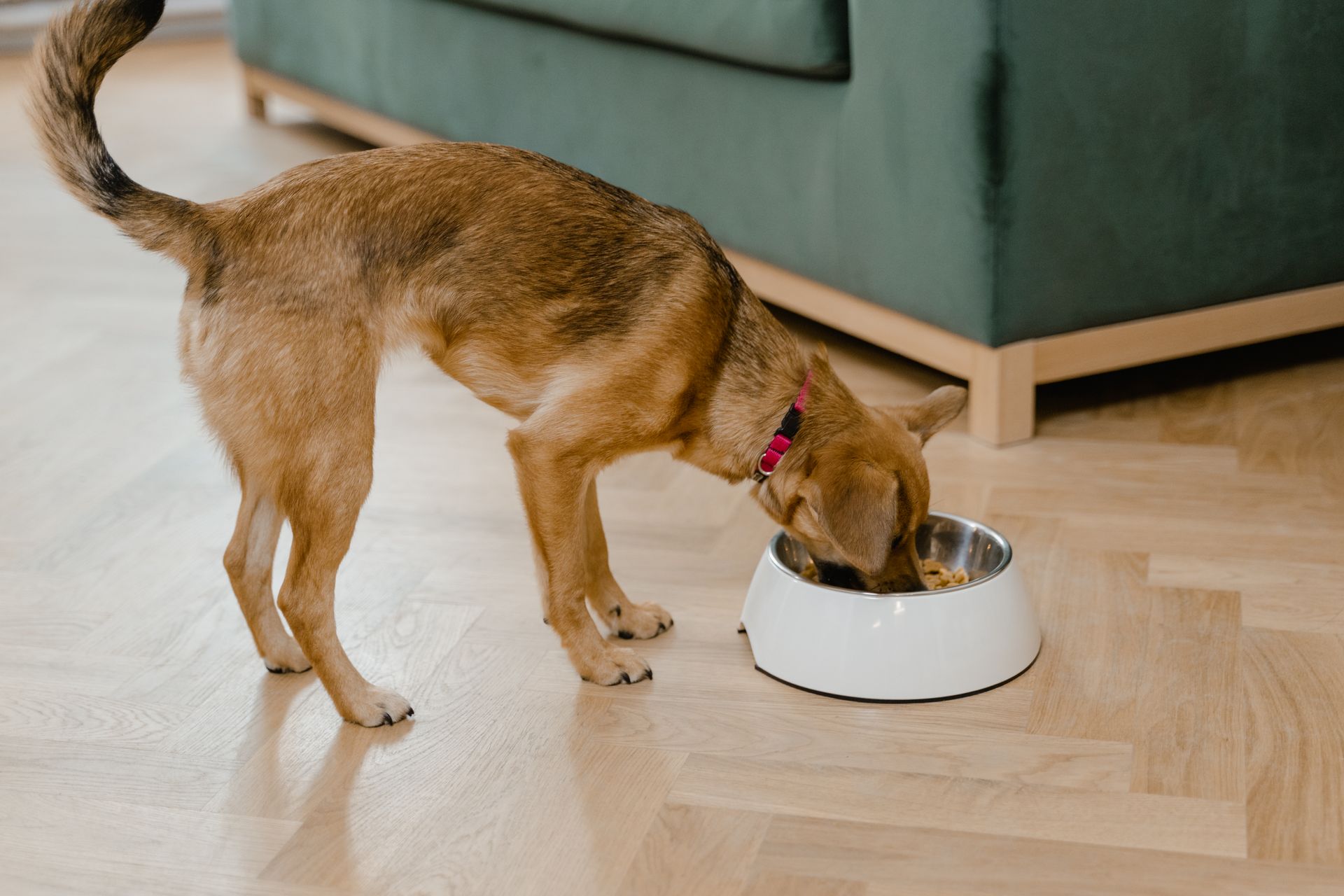
The widely accepted rule, which Harringtons notes is supported by World Small Animal Veterinary Association guidance, is that treats and extras together should total no more than about 10 percent of daily calories. Petful’s black-bean guide gives a weight-based starting point for plain, fully cooked, unsalted beans, and advises starting with half the suggested amount the first time.
| Dog size | Weight | Black beans per serving | How often |
|---|---|---|---|
| Extra small | Under 10 lb | About 1 teaspoon | Up to 2 to 3 times a week |
| Small | 10 to 25 lb | About 1 tablespoon | Up to 2 to 3 times a week |
| Medium | 25 to 60 lb | About 2 tablespoons | Up to 2 to 3 times a week |
| Large | 60 to 100 lb | 3 tablespoons to 1/4 cup | Up to 2 to 3 times a week |
| Giant | 100 lb and up | About 1/4 cup | Up to 2 to 3 times a week |
Portions based on Petful’s weight guide for black beans, cross-checked against PetMD’s general bean guidance, which suggests small dogs start at about a teaspoon mixed into food while much larger dogs can handle up to around half a cup of cooked beans. These are general guidelines, not prescriptions. When in doubt, ask your own vet.
Puppies: Same Rules, Smaller Spoon
Puppies can have a tiny taste of plain cooked black beans, but nearly all their nutrition must come from complete puppy food. Keep it to a teaspoon or less, introduce it slowly, and stop if stools loosen. Check with your vet first if your puppy has a sensitive stomach or any health condition.
From Dry Bag to Bowl: The Plain-Prep Routine
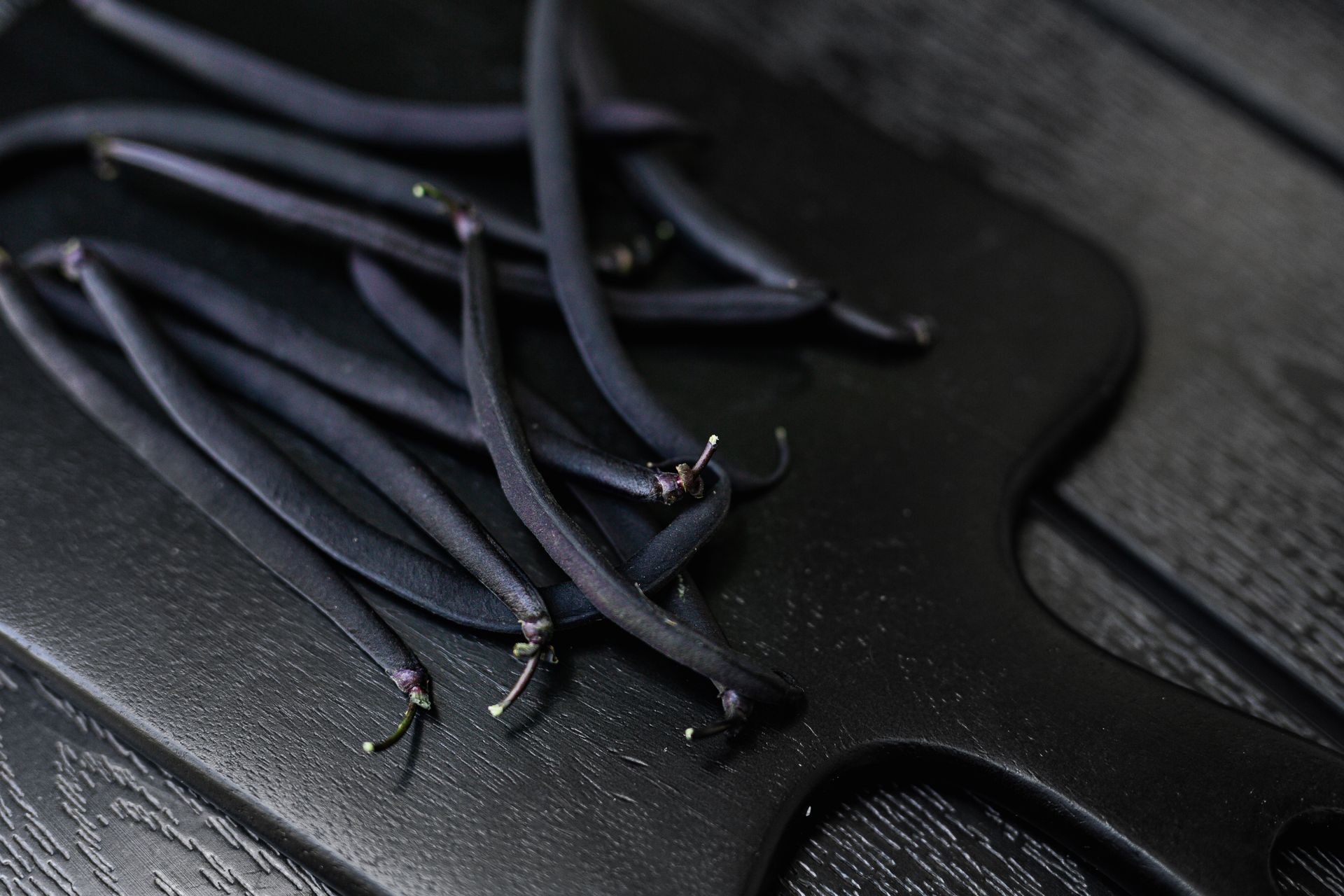
Two paths work, per Petful and Harringtons. From dry beans, the routine is:
- Sort and rinse 1 cup of dry black beans. Pick out any small stones or shrivelled beans.
- Soak in cold water overnight, then drain and rinse again. This also removes some of the gas-causing compounds.
- Simmer in fresh water until completely soft, about 60 to 90 minutes. No salt, no oil, no stock cubes, no onion, no garlic, no spices.
- Drain, cool fully, and portion. Refrigerate for up to 4 days or freeze spoonfuls in ice cube trays for easy treats.
- For small dogs, mash lightly before serving to lower choking risk.
If you are starting from a tin, choose no-salt-added, drain it, and rinse under cold water for at least 30 seconds. Either way, the beans that reach the bowl should be plain, soft, cooled and unseasoned.
Black Beans and Rice: The Honest Version of This Pairing
Petful calls plain cooked black beans and rice a vet-friendly bland-diet option for mild tummy trouble: plain cooked rice is gentle on digestion, and a spoonful of beans adds protein and fibre. The ratio Petful gives is about 2 parts rice to 1 part beans, both cooked plain, with no salt, butter, oil or broth. Use it for a day or two of recovery, then move back to normal balanced food.
Two caveats. Beans and rice together are not a complete meal long term; dogs need protein, fats, vitamins and minerals that this pairing alone cannot provide. And restaurant rice-and-beans is a different dish entirely, usually hiding garlic, onion, salt or seasoning blends, so do not share it.
Seasoned Beans That Stay Off the Bowl
PetMD lists the usual suspects plainly: garlic, onions and salt are the ingredients that make beans unsafe for dogs. Harringtons breaks down the human versions one by one. Baked beans bring sugar, salt and often onion or garlic in the sauce. Refried beans are cooked with lard or oil, salt, garlic, onion and spices, and PetMD notes their high fat can trigger pancreatitis in dogs. Chilli-seasoned beans add capsaicin, which irritates a dog’s stomach and digestive tract.
Keep the burrito bowl, the chilli pot and the baked-bean tin away from the dog. If you want to share, pull the dog’s portion out before any seasoning goes in.
Dogs That Should Sit This One Out
- Dogs on prescription diets. PetMD is explicit: dogs on prescription diets should not be fed any food or treats outside the diet.
- Dogs with kidney disease or on phosphorus or protein-restricted diets. Petful flags the protein and phosphorus load of beans as hard on kidneys over time. KitchPrep says only a vet or veterinary nutritionist can judge whether a few beans fit the plan.
- Dogs with a history of pancreatitis. Plain beans are low in fat, but seasoned and refried versions are not, and PetMD links high-fat foods to pancreatitis risk.
- Dogs with sensitive stomachs, IBD or chronic diarrhoea. KitchPrep lists these as poor candidates for high-fibre, starchy extras.
- Dogs already eating legume-heavy kibble. KitchPrep, citing the AKC’s reporting of the FDA investigation into possible links between legume-rich diets and heart disease (DCM) in dogs, advises keeping treats varied rather than stacking more legumes on a legume-heavy base. The research is still developing, but variety is the safe play.
- Any dog that reacted badly the first time. Stop, and do not retry without vet advice.
Your Dog Already Ate Black Beans: What to Do Now
| What happened | What to do |
|---|---|
| Ate plain cooked black beans, a moderate amount | Usually fine. Expect possible gas or softer stools over the next 12 to 24 hours. Offer fresh water and monitor, as Petful advises. |
| Ate a large bowlful of plain cooked beans | Remove the rest. Expect gas, loose stools and possible vomiting. Call your vet if vomiting repeats, diarrhoea is severe or bloody, or the dog looks painful. |
| Ate seasoned beans with garlic, onion or chilli | Check the ingredients and the amount eaten. Garlic and onion can damage red blood cells, and symptoms may take a day or two to appear. Call your vet promptly, especially for small dogs or large amounts. |
| Ate raw or dry beans | Call your vet. Lectins can cause significant vomiting and diarrhoea. Do not wait for symptoms to pass, and do not induce vomiting unless the vet tells you to. |
| Ate refried beans or restaurant beans | Check for onion, garlic, heavy salt and fat. Monitor for excessive thirst, vomiting or diarrhoea, and call the vet if symptoms are strong or the ingredient list is alarming. |
Call the vet without debating if you see repeated vomiting, severe or bloody diarrhoea, obvious abdominal pain, pale gums, weakness, refusal to drink, or any garlic or onion in the mix. Keep the packaging or the recipe handy so the vet knows exactly what the dog ate.
Frequently Asked Questions
Can dogs eat black beans every day?
No. Plain cooked black beans are best kept to 2 to 3 times a week at most, as Petful advises. Daily feeding risks chronic gas, loose stools and an unbalanced diet, since treats and extras should stay within about 10 percent of daily calories.
Are canned black beans safe for dogs?
Only no-salt-added or low-sodium tins, drained and rinsed thoroughly under cold water. Regular canned beans are very high in sodium, which PetMD flags as a real problem, especially for dogs with heart conditions or high blood pressure. Home-cooked dried beans are the better choice.
Can dogs eat raw black beans?
No. Raw and dry beans are hard to digest and contain lectins that can cause vomiting, diarrhoea and abdominal pain. Harringtons explains that all dry beans need thorough cooking, and PetMD advises calling your vet if a dog eats raw beans.
Can dogs eat black beans and rice?
Yes, when both are cooked plain with no salt, butter, oil or seasonings. Petful describes it as a vet-friendly bland-diet option at about a 2 to 1 rice-to-bean ratio, but only as a short-term recovery meal, not a daily menu. Skip restaurant rice and beans, which usually contain garlic, onion or salt.
Can dogs eat refried black beans?
No. Refried beans typically contain lard or oil, salt, garlic and onion, and PetMD warns that the high fat can trigger pancreatitis. Share plain cooked black beans instead.
Why do black beans make my dog gassy?
Black beans contain fibre and oligosaccharides, fermentable carbohydrates that gut bacteria turn into gas, as Petful explains. The effect is strongest the first few times, so introduce beans gradually over several days and keep portions small.
Can puppies eat black beans?
A tiny taste of plain cooked black beans is fine for most puppies, but keep it to a teaspoon or less and let complete puppy food do the heavy nutritional lifting. Introduce slowly and stop if stools loosen.
Sources
Every source below was opened and verified before this article was written:
- PetMD: Can Dogs Eat Beans?
- Petful: Can Dogs Eat Black Beans? Safe Portions, Risks and Vet Tips
- Petful: Can Dogs Eat Black Beans? Safe Portions, Risks and Vet Tips
- KitchPrep: Can My Dog Eat Black Beans? Safe Serving Rules
This article is for information only and is not a substitute for veterinary advice. If your dog has a health condition, talk to your veterinarian before changing their diet.


3 Comments