
Can Dogs Eat Beets? Benefits, Risks & Safe Feeding Guide
Last updated: 18 October 2026
Yes, dogs can eat plain beets in moderation. A few small pieces of cooked or raw beet, peeled and served without seasoning, are non-toxic and give your dog fibre, folate, potassium and antioxidants. The form matters more than the vegetable: pickled, salt-brined and heavily seasoned beets are off the table, and dogs prone to bladder stones should skip beets entirely. This guide covers every form, exact portions by weight, and the red-pee scare every beet owner meets sooner or later.
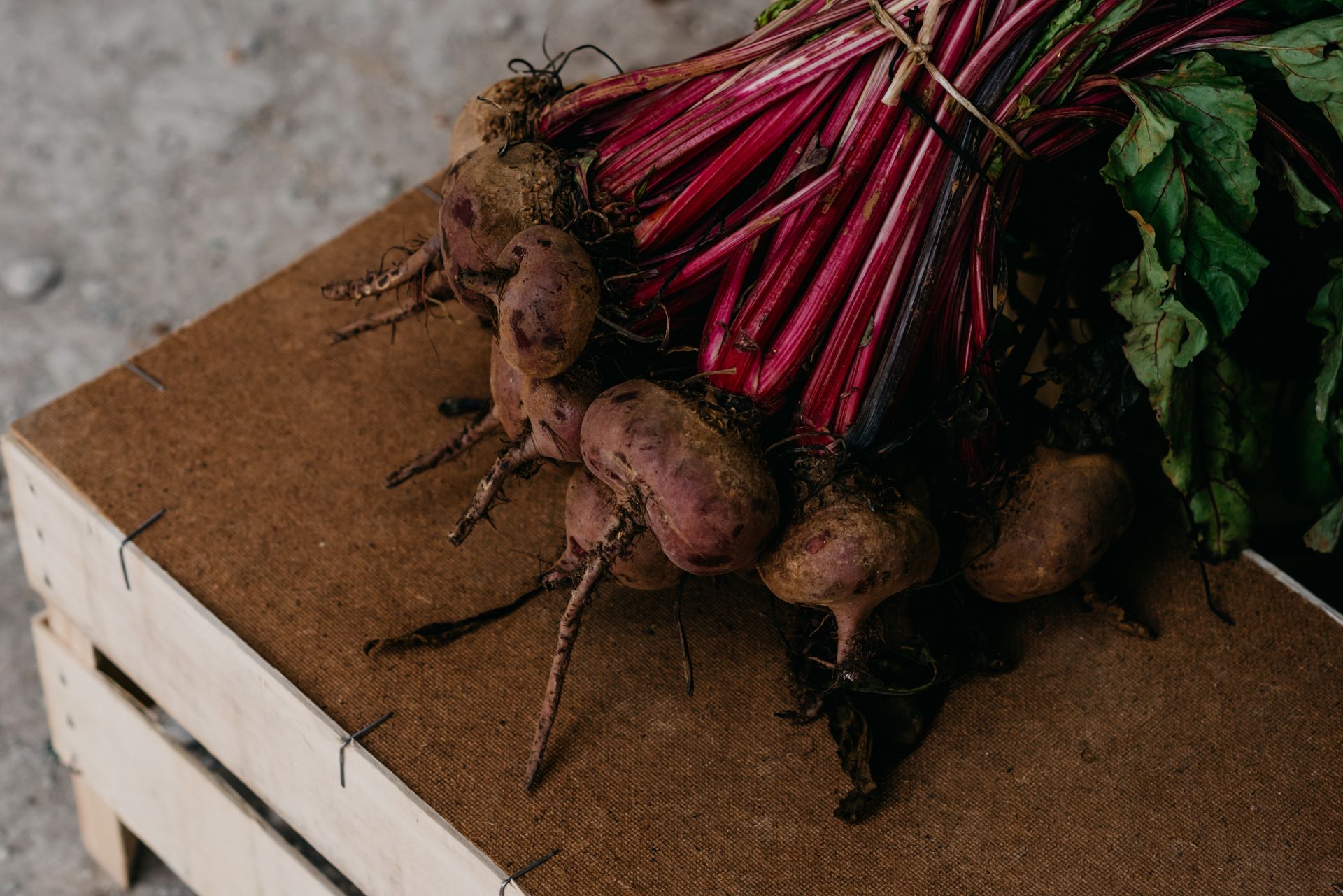
Beets are one of many vegetables dogs can eat, and they sit on the safe list in our wider what dogs can eat guide. They are a treat, not a staple, and the details below are what keep them safe.
The one thing to sort out first: oxalates and bladder stones
Beets contain oxalates, natural compounds that can bind with calcium and contribute to calcium oxalate bladder stones in dogs that are susceptible. For healthy dogs eating small, occasional servings, this is not a concern. For dogs with a history of urinary stones, crystals or kidney disease, it is a reason to skip beets entirely and check with your vet first.
VCA Hospitals is direct on this point: dogs diagnosed with calcium oxalate stones should not be fed high-oxalate foods, and it names beets alongside nuts, rhubarb, green beans and spinach. Calcium oxalate stones are the second-most common type of bladder stone in dogs, small-breed males are overrepresented, and unlike some other stone types they cannot be dissolved with diet, so prevention does all the work. The breeds VCA flags most often include Shih Tzus, miniature schnauzers, bichon frises, Lhasa Apsos and Yorkshire terriers.
Dr. Dwight Alleyne, DVM, adds a detail worth knowing in his comments to Rover: the beet tops are the worst part of the plant, because their oxalate load is higher than the root’s. If your dog has ever had a urinary stone or crystal issue, the safest serving of beets is none at all.
Pink pee after beets: beeturia or a vet visit?
Beeturia is the harmless pink or red tint that beet pigments, called betalains, leave in urine and stool. The pigment is not fully broken down during digestion, so some of it passes through unchanged and stains what comes out the other end. It usually clears on its own within 24 to 48 hours after the last beet meal.
This is the single most common beet panic, and it is almost always nothing. But red urine can also mean real blood, and the two look alike. Use this table to tell them apart:
| What you see | Likely beeturia (harmless) | Possible blood (call the vet) |
|---|---|---|
| Colour | Pink, reddish or purplish tint | Bright red, dark red or brown urine |
| Timing | Appears within hours of eating beets, gone within 24-48 hours | Persists more than 48 hours after the last beet meal |
| How your dog acts | Normal, comfortable, urinating as usual | Straining, visible clots or strands, pain, accidents, lethargy |
| What to do | Nothing needed; stop the beets and watch | Contact your vet promptly |
Red or pinkish stool after beets is the same harmless effect. The rule of thumb from Petful’s guide is simple: if the colour is still there after two days, or if there is straining, clots or brown urine, treat it as possible blood and call your vet rather than waiting it out.
Every beet form, graded
Most guides cover raw, cooked, canned and pickled. Here is the full line-up, including the forms the top results barely mention:
| Beet form | Verdict | What to know |
|---|---|---|
| Fresh, cooked plain (boiled, steamed or roasted) | Best choice | Soft, easy to chew and digest. No salt, oil, butter, garlic, onion or spices. |
| Fresh raw, grated or finely diced | Fine in small amounts | Not toxic, but firm and hard to digest. Grate or shred to reduce choking risk. |
| Frozen beets, plain | Fine | Thaw before serving. Check the bag lists only beets, no sauces or glazes. |
| Canned beets, no salt added | Acceptable | Drain and rinse thoroughly. Fresh cooked is still the better option. |
| Canned beets in brine | Avoid | Added salt and preservatives make these unsuitable for regular treats. |
| Pickled beets | Avoid | Pickling brine is high in sodium and vinegar, and recipes often include garlic, onion or sugar. Even rinsing will not make them safe. |
| Beet juice | Avoid, or a tiny splash at most | Concentrated sugar and oxalates. Skip it for puppies, diabetic dogs and any dog with stone history. |
| Beet greens (leaves) | Safest to skip | Higher in oxalates than the root. Leave them out, especially for stone-prone dogs. |
| Beetroot powder or supplements | Ask your vet | There is no established safe home dose. Stick with plain cooked beets unless your vet says otherwise. |
| Beet pulp in commercial dog food | Fine | A processed fibre source used in many kibbles. It is not the same as feeding fresh beets at home. |
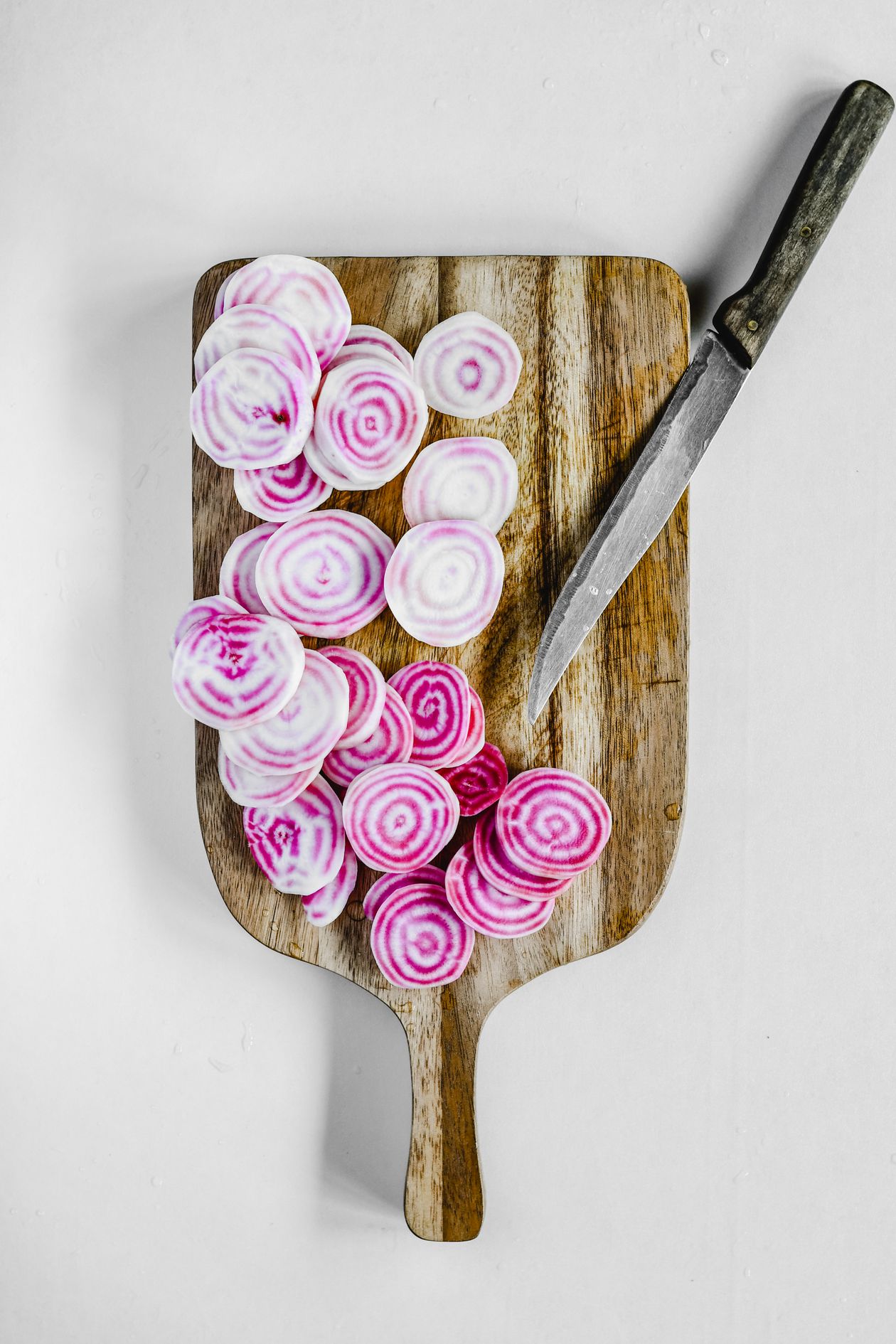
One note on pickled beets: the brine is not the only problem. Many pickling recipes include whole garlic cloves, and garlic is toxic to dogs, damaging red blood cells. That alone is reason enough to keep the pickle jar shut.
How much beet for a dog your weight
Go by your dog’s weight, not by what looks like “a little”. Petful’s weight-class guide for plain cooked beet, served no more than 2 to 3 times per week, runs from 1 teaspoon for extra-small dogs up to 4 to 5 tablespoons for giant breeds. Always start with half the suggested amount the first time and watch for digestive upset over the next 24 hours before working up to a full portion.
| Dog size | Weight | Cooked beet per serving |
|---|---|---|
| Extra small | Under 10 lbs (4.5 kg) | About 1 teaspoon |
| Small | 10-25 lbs (4.5-11 kg) | About 2 teaspoons |
| Medium | 25-60 lbs (11-27 kg) | About 1 tablespoon |
| Large | 60-100 lbs (27-45 kg) | 2-3 tablespoons |
| Giant | Over 100 lbs (45 kg) | 4-5 tablespoons |
Two guardrails sit behind these numbers. First, the 10 percent rule: treats and extras, beets included, should make up no more than 10 percent of your dog’s daily calories. Second, veterinary technician Jessica Jova’s rule of thumb, given to Rover: 1 to 2 teaspoons of beet per 15 pounds of body weight, a couple of times a week. Both land in the same place: beets are a garnish on the diet, not a side dish.
The plain-beet routine, in five steps
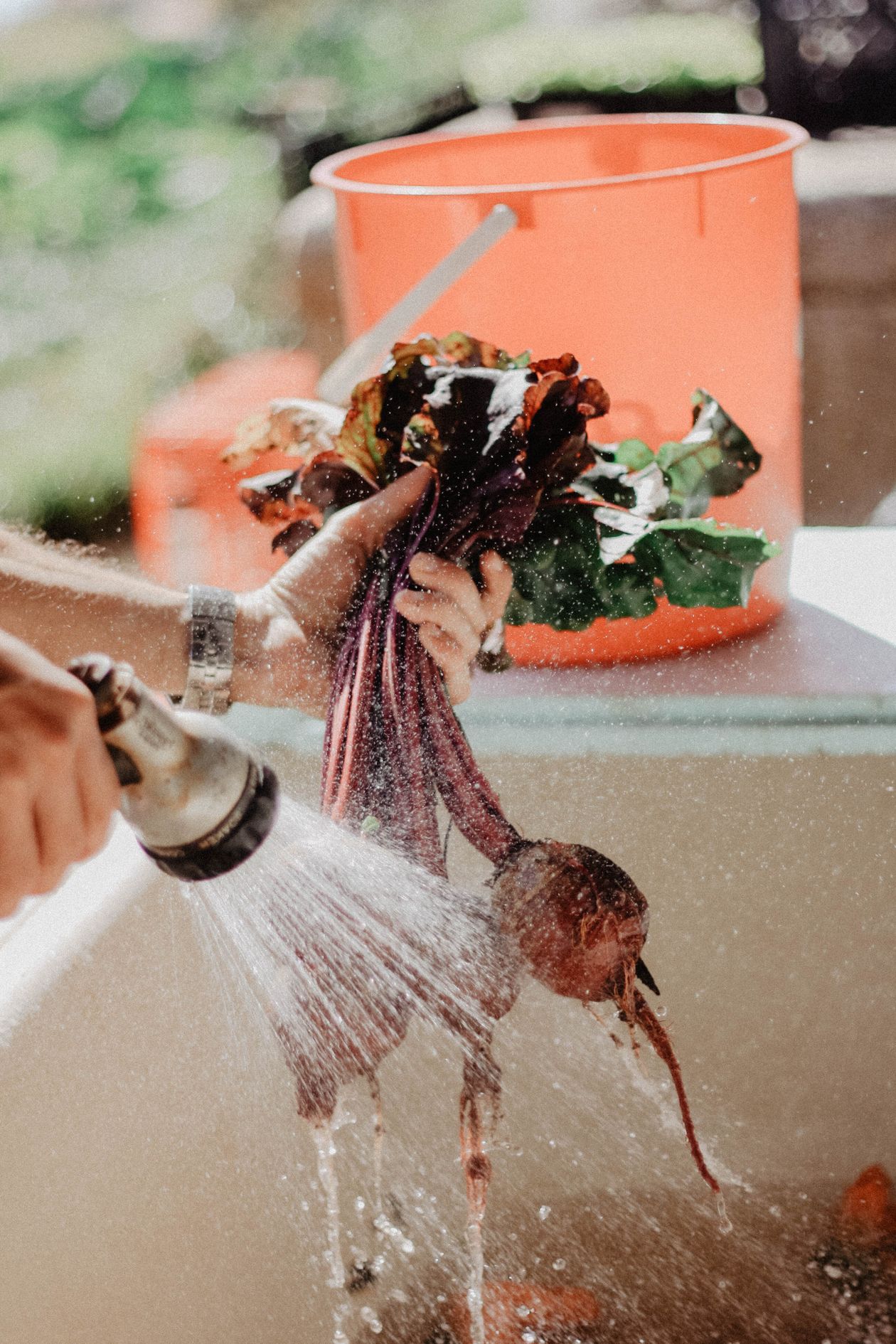
- Wash and scrub. Beets grow underground, so scrub the skin with a vegetable brush to remove dirt and pesticide residue.
- Cook plain. Boil or steam until a fork slides in easily (about 30 to 45 minutes for whole medium beets), or roast with nothing added. Never add salt, oil, butter, garlic or onion.
- Peel and chop. Dr. Alleyne recommends feeding beets without the skin. Once cooled, peel and dice into bite-sized pieces, or mash into a puree for small dogs.
- Introduce slowly. Mix a small amount into your dog’s regular food the first time, then watch for any reaction over 24 hours before serving more.
- Store leftovers properly. Refrigerate cooked beet in a sealed container and use within 3 days.
Which dogs should sit this one out
Most healthy adult dogs can enjoy beets as an occasional treat. These dogs should not:
- Dogs with bladder stones, urinary crystals or kidney disease. VCA Hospitals advises these dogs avoid high-oxalate foods including beets.
- Dogs on a vet-prescribed urinary diet. Jessica Jova told Rover that beets in any quantity may be contraindicated, because extras can stop the prescription diet working as intended.
- Diabetic or overweight dogs. Beets carry more natural sugar and carbohydrate than most vegetables. Dr. Alleyne links chronic overfeeding to digestive issues, weight gain and an increased tendency toward diabetes. For a lower-sugar crunchy treat, green beans and carrots are easier everyday choices.
- Puppies. A tiny taste of plain cooked beet will not harm most puppies, but their nutrition should come from complete puppy food, so check with your vet before sharing.
- Dogs with sensitive stomachs. Start with a single teaspoon and watch for loose stool. If your dog’s stomach is already unsettled, plain pumpkin is the gentler vegetable; our pumpkin guide covers portions.
Golden beets, Chioggia and “beetroot”: same rules?
Yes. Red, golden and striped Chioggia beets are the same plant with different pigments, and everything on this page applies to all of them. Dr. Alleyne told Rover that beets come in many varieties and colours, with red beets the most common variety fed to dogs. Golden beets stain less, which is the only practical difference your kitchen will notice.
“Beetroot” is simply the British and Australian name for the same vegetable, so UK and AU readers can follow this guide as written. One local note: pickled beetroot is a common pantry staple in those countries, and it is still off-limits for dogs because of the salt, vinegar and seasoning.
Radishes are another crunchy root vegetable dogs can try in small amounts — see whether dogs can eat radishes.
What is actually in a beet worth sharing
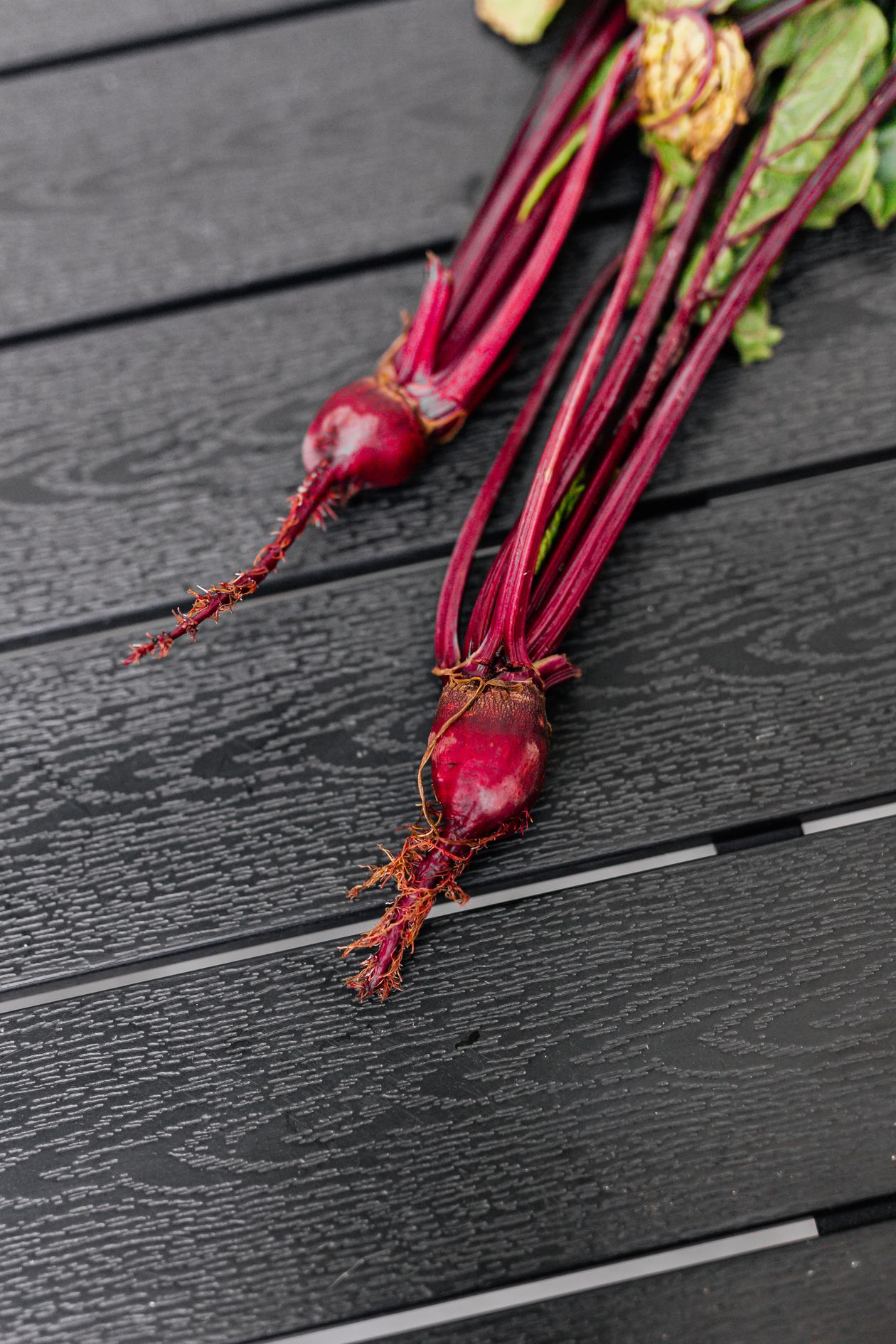
Beets earn their place as an occasional treat honestly. They provide about 2 to 3 grams of fibre per half cup, which supports regular digestion, and only around 35 calories in the same amount, so the portion tables above stay genuinely small. You also get vitamin C (dogs make their own, but extra dietary sources still act as antioxidants), folate for cell repair, and potassium and manganese for metabolism and muscle function. The deep red colour comes from betalains, natural antioxidant pigments.
The honest caveat, from Sidewalk Dog’s guide citing the AKC: a complete, balanced dog food already covers your dog’s nutritional needs, so think of beets as a colourful bonus rather than a necessity. They pair nicely with other dog-safe vegetables if you like building toppers.
When to call your vet
- Pink or red urine that is still there more than 48 hours after the last beet meal.
- Straining to urinate, visible clots or strands, brown urine, pain or accidents.
- Vomiting, diarrhoea or loss of appetite after eating beets.
- A stone-prone dog, or a dog on a prescription urinary diet, ate any beets.
- Your dog got into pickled beets, especially if the brine contained garlic or onion.
Your beet questions, answered
Can dogs eat beets every day?
No. Beets are best fed 2 to 3 times per week at most. Daily feeding builds up sugar and oxalate intake in ways that can stress the kidneys and bladder over time, particularly in breeds prone to stone formation.
Can dogs eat raw beets?
Yes, raw beets are not toxic, but the dense fibre is hard for many dogs to chew and digest. Grate or finely dice raw beet and keep the portion small. Cooked beets are easier on most stomachs and are the form vets recommend most.
Can dogs eat pickled beets?
No. Pickled beets sit in brine that is high in sodium and vinegar, and many recipes add sugar, garlic or onion. Even rinsing will not remove enough of the salt to make them safe. Serve plain fresh or cooked beets instead.
Are canned beets safe for dogs?
Most canned beets are too high in sodium and additives. The one exception is canned beets labelled no salt added, drained and rinsed thoroughly under cold water. Fresh cooked beets remain the better choice.
Can dogs eat beet greens or leaves?
It is safest to skip them. Beet greens carry a higher oxalate load than the root, and Dr. Alleyne advises against feeding the tops at all. If you do offer greens, keep it to a tiny amount of lightly steamed leaves, and never for a dog with urinary or kidney issues.
Will beets change the colour of my dog’s pee or poop?
Yes, and it is usually harmless. The betalain pigments can tint urine and stool pink or red for 24 to 48 hours. If the colour lasts longer than two days, or you see straining, clots or brown urine, call your vet to rule out real blood.
Can puppies eat beets?
A tiny amount of plain cooked beet is generally tolerated, but puppies have specific nutritional needs that complete puppy food covers best. Check with your vet before offering beets or any new people food to a puppy.
Is beetroot the same as beets?
Yes. Beetroot is the British and Australian term for the same vegetable Americans call beets. All the safety rules, portions and preparation tips on this page apply either way. Pickled beetroot is still off-limits.
Can diabetic dogs eat beets?
Beets are higher in natural sugar than most vegetables, so they are not ideal for diabetic or overweight dogs. Dr. Alleyne notes that too many beets can contribute to digestive issues, weight gain and an increased tendency toward diabetes. Get your vet’s approval before offering beets to a diabetic dog.
Sources
- Petful: Can Dogs Eat Beets? Safe Portions, Risks and Vet Tips
- Rover: Can Dogs Eat Beets? Cooked, Raw, or Pickled (with comments from Dr. Dwight Alleyne, DVM, and Jessica Jova, LVT)
- VCA Hospitals: Calcium Oxalate Bladder Stones in Dogs
- Sidewalk Dog: Can Dogs Eat Beets? Benefits, Risks, and Safe Portions
This guide is for general information only and is not a substitute for professional veterinary advice. If your dog shows signs of illness after eating any new food, contact your veterinarian.


