
Can Dogs Eat Butter? Benefits, Risks & Safe Feeding Tips
Dogs can technically consume small amounts of plain butter, but it is best not to intentionally feed butter to your dog. Butter contains a large amount of saturated fat and calories without providing important nutrients that dogs need.
The ASPCA warns that high-fat foods like butter can trigger pancreatitis in dogs, which is why butter is not recommended as a treat even though a tiny accidental lick is rarely an emergency.
Butter is a common ingredient found in many household foods, from toast and mashed potatoes to baked goods and cooked vegetables. Because dogs often want to share whatever their owners are eating, you may wonder whether butter is safe for them. While a tiny accidental amount of plain butter is unlikely to cause serious problems in most healthy dogs, butter is not a recommended treat.
Butter is very high in fat and calories and provides little nutritional value for dogs. Eating too much can cause stomach upset and may increase the risk of pancreatitis, especially in dogs that are sensitive to fatty foods. Some butter-based foods can also contain ingredients such as garlic, onions, chocolate, or excessive salt that are unsafe for dogs.
Butter usually lands on toast, so if you are wondering about the bread itself, see our guide to can dogs eat bread.
Can Dogs Eat Butter?
A tiny lick or accidental bite usually does not cause a serious problem in an otherwise healthy dog. However, larger portions can lead to digestive upset, including vomiting, diarrhea, gas, or abdominal discomfort.
How Much Butter Can Dogs Eat?
There is no recommended serving size for butter because it is not a healthy treat for dogs. If your dog accidentally eats a small amount, monitor them for signs of digestive upset.
The risk increases with larger amounts, particularly in small dogs or dogs that have previously reacted poorly to fatty foods. Avoid deliberately adding butter to your dog’s meals.
| Dog Size | Recommended Butter Amount | Better Alternative |
|---|---|---|
| Small Dogs | None | Plain cooked vegetables |
| Medium Dogs | None | Lean cooked meat |
| Large Dogs | None | Dog-safe treats |
| Puppies | None | Age-appropriate puppy treats |
Can Dogs Eat Salted Butter?
Salted butter is not a good choice for dogs. In addition to its high fat content, it contains added sodium that dogs do not need in extra amounts.
See Also: Can Dogs Eat Mashed Potatoes? Benefits, Risks & Safe Guide
A small accidental amount is unlikely to cause salt poisoning in a healthy dog, but larger quantities can contribute to excessive sodium intake. Unsalted butter is not a recommended treat either because it remains very high in fat.
Can Dogs Eat Unsalted Butter?
Unsalted butter is less concerning from a sodium perspective, but it is still very high in fat and calories. Removing the salt does not make butter a nutritious food for dogs.
If your dog accidentally eats a small amount of unsalted butter, monitor them for digestive symptoms. Avoid intentionally adding it to their meals.
Can Dogs Eat Butter Every Day?
No, dogs should not eat butter every day. Regularly adding butter to a dog’s diet can provide excessive calories and fat without offering significant nutritional benefits.
Frequent high-fat foods may also contribute to unhealthy weight gain and can be particularly problematic for dogs that are prone to digestive issues or pancreatitis.
Can Puppies Eat Butter?
Puppies should not be given butter as a treat. Growing puppies need carefully balanced nutrition to support healthy development, and butter adds unnecessary fat and calories.
If a puppy accidentally licks a small amount of butter, monitor them for digestive upset. Larger amounts should be discussed with a veterinarian, especially if symptoms develop.
Can Dogs Eat Melted Butter?
Melted butter is not recommended for dogs. Melting changes the texture but does not remove the high fat and calorie content.
Butter is often melted over foods such as vegetables, bread, potatoes, or meat, which may also contain salt, garlic, onions, spices, or other ingredients that can be unsuitable for dogs.
Can Dogs Eat Butter on Bread?
It is better not to give dogs bread covered with butter. Plain bread in small amounts may be tolerated by many healthy dogs, but adding butter significantly increases the fat and calorie content.
Some breads may also contain ingredients such as raisins, garlic, onions, or xylitol-containing products, so always check ingredients before sharing human food with your dog.
Can Dogs Eat Butter in Mashed Potatoes?
Mashed potatoes prepared with a small amount of plain butter are not an ideal food for dogs. The potatoes themselves may be acceptable when cooked and served plain, but butter adds unnecessary fat.
Mashed potatoes containing garlic, onions, heavy cream, excessive salt, gravy, or other seasonings should not be given to dogs because these additional ingredients can create health risks.
What Happens If a Dog Eats Butter?
A dog that eats a small amount of butter may experience no symptoms at all. However, larger amounts can cause vomiting, diarrhea, gas, abdominal discomfort, or reduced appetite.
Because butter is high in fat, consuming a significant amount may increase the risk of pancreatitis. If your dog eats a large quantity of butter or develops repeated vomiting, severe abdominal pain, weakness, or other concerning symptoms, contact your veterinarian promptly.
See Also: Can Dogs Eat Eggplant? Benefits, Risks & Safe Feeding Guide
Is Butter Good for Dogs to Eat?
Butter is not a good food for dogs. It is high in fat and calories but provides very little nutritional value compared with foods specifically formulated for canine nutrition.
A tiny accidental amount of plain butter is unlikely to cause serious problems in most healthy dogs, but there is no real benefit to intentionally adding butter to their meals or using it as a treat.
How to Safely Share Human Food With Your Dog
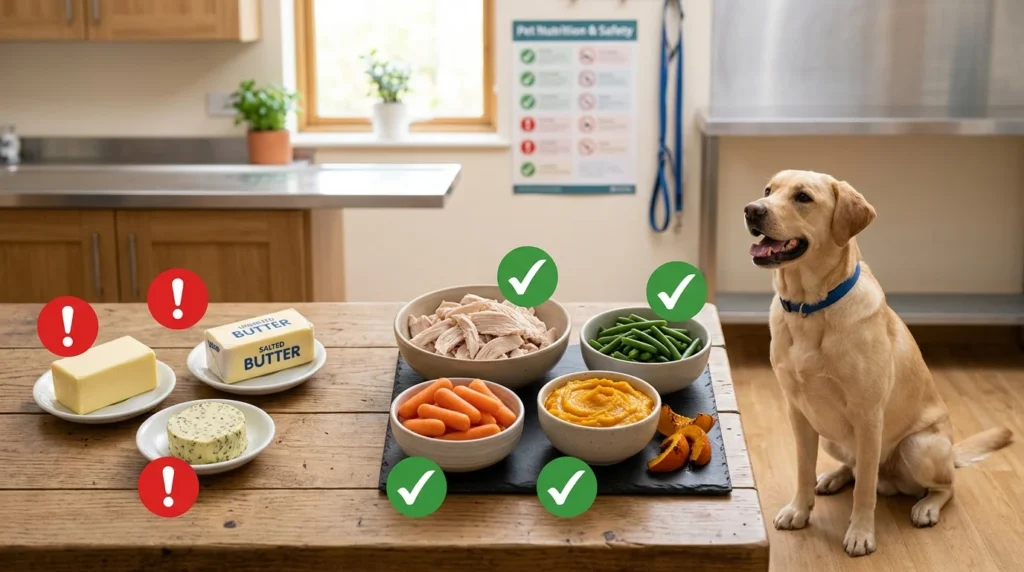
If you want to share food with your dog, choose simple, low-fat options that are free from harmful seasonings. Plain cooked chicken, carrots, green beans, or other veterinarian-approved foods can be better choices than butter-rich foods.
Avoid foods prepared with butter, excessive salt, garlic, onions, chocolate, or other ingredients that can be harmful to dogs. Introduce new foods gradually and keep treats limited.
Does Butter Have Benefits For Dogs?
Butter contains fat and small amounts of vitamins such as vitamin A, but these nutrients do not make it a useful addition to a dog’s diet. Dogs can obtain essential fats and vitamins from properly formulated complete and balanced food.
Because butter is calorie-dense and low in useful canine nutrition, the potential nutritional value does not justify feeding it to dogs regularly.
Does Butter Have Any Risks For Dogs?
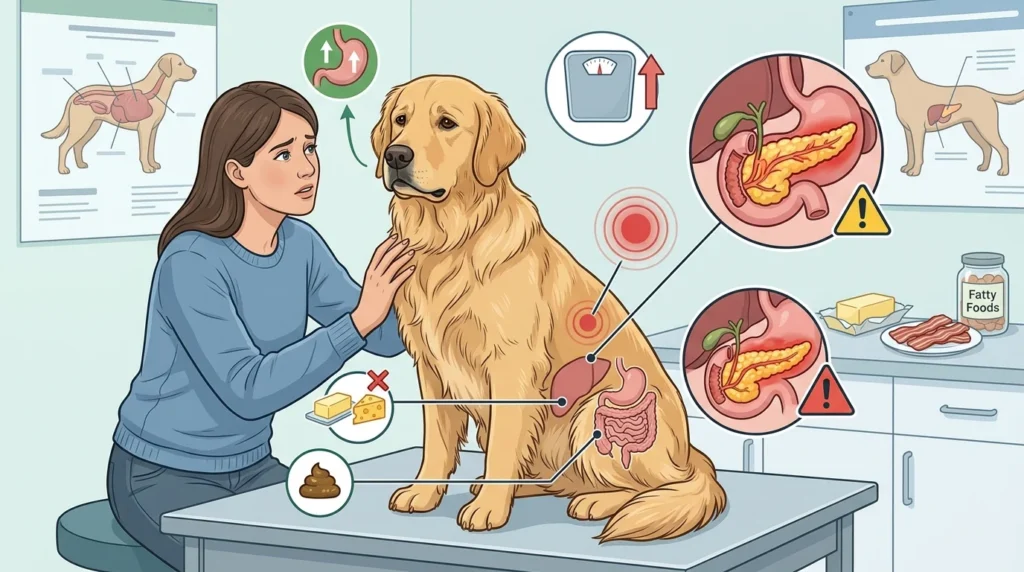
Yes. Butter’s high fat content can cause digestive upset and may contribute to unhealthy weight gain when consumed regularly. A large amount of fatty food can also increase the risk of pancreatitis in susceptible dogs.
Salted butter adds unnecessary sodium, while flavored butter may contain garlic, onions, herbs, spices, or other ingredients that can be unsafe for dogs. Always consider the full ingredient list of butter-based foods.
What Should You Do If Your Dog Eats Butter?
If your dog eats a tiny amount of plain butter, monitor them for signs of stomach upset and make sure fresh water is available. Many dogs will have no significant reaction after a small accidental amount.
If your dog eats a large quantity or develops repeated vomiting, diarrhea, severe abdominal discomfort, weakness, loss of appetite, or other concerning symptoms, contact your veterinarian promptly.
Frequently Asked Questions
Can dogs eat butter?
Dogs can consume a tiny amount of plain butter without necessarily becoming ill, but butter is not recommended as a regular treat because it is very high in fat and calories.
Can dogs eat salted butter?
It is best to avoid salted butter. It contains both high levels of fat and added sodium, neither of which dogs need in their diet.
Can puppies eat butter?
Puppies should not be intentionally fed butter. Their growing bodies need balanced puppy nutrition rather than unnecessary high-fat foods.
Can dogs eat butter every day?
No. Regular butter consumption can add excessive calories and fat and may contribute to weight gain or digestive problems.
What happens if a dog eats a lot of butter?
A large amount may cause vomiting, diarrhea, abdominal discomfort, and potentially pancreatitis. Contact your veterinarian if a large quantity was consumed or concerning symptoms appear.
Conclusion
Dogs should generally avoid butter. While a small accidental lick of plain butter is unlikely to cause serious harm in most healthy dogs, butter is high in fat and calories and offers little nutritional benefit.
Keep butter-based foods limited and avoid products containing harmful ingredients such as garlic, onions, chocolate, or excessive salt. For regular treats, choose nutritious dog-safe foods instead.
See Also: Can Dogs Eat Persimmons? Benefits, Risks & Safe Feeding Guide


