

Can Dogs Eat Cauliflower? Benefits, Risks, and Feeding Tips
Last updated: 9 November 2026
Yes, dogs can eat plain cauliflower in small amounts, raw or cooked, as long as it is washed, cut into bite-size pieces and served without any seasoning.
Cauliflower is one of the easier vegetables to share with a dog. It is low in calories, it is not toxic, and most dogs will happily crunch a small piece. The catch is the amount. Give too much and it turns into an evening of wind, bloating and soft stools. Give the seasoned version from your own plate and the risk jumps from an upset stomach to something a vet needs to hear about. This guide settles portions first, then raw against cooked, every part of the plant, and the two quiet caveats, goitrogens and oxalates, that no top-ranking page puts together. For the wider picture, see our vegetable guide and the master list of what dogs can eat.
How much cauliflower can my dog have?
Start with the table, not with a guess. Two of the best vet-sourced pages disagree on portions, and the reason is simple: PetMD counts small pieces about half an inch across, while Rover counts whole florets, and a floret is a much bigger mouthful than a half-inch piece. That is why the Rover numbers look smaller. The table shows both, then a reconciled daily portion. The reconciled column is my estimate, because neither source gives a gram weight or covers every size in the same unit.
| Dog size | Weight | PetMD guide | Rover guide | A sensible daily portion (estimate) |
|---|---|---|---|---|
| Extra small | 2 to 20 pounds | 1 to 2 pieces, about half an inch | Within the small-dog range | 1 small floret, or 2 half-inch pieces |
| Small | 21 to 30 pounds | Up to 3 pieces | 1 to 2 florets per day | 1 to 2 small florets |
| Medium | 31 to 50 pounds | 5 to 6 pieces | 2 to 3 florets per day | 2 to 3 small florets |
| Large | 51 to 90 pounds | A handful of pieces | Up to 4 florets | 3 to 4 small florets |
| Extra large | 91 pounds and over | A large handful of pieces | Not stated separately | 4 to 5 small florets (estimate) |
| Puppy | Any size | Not stated separately | Not stated separately | One tiny taste of soft cooked cauliflower (estimate) |
| Sensitive stomach | Any size | Not stated separately | Keep raw portions smaller | Half the amount for the size, cooked only (estimate) |
Two rules sit above the table and matter more than any single number in it. First, treats of every kind, cauliflower included, should stay within 10 percent of your dog’s daily calories. PetMD and Rover agree on that figure, and it is the reason a large dog still only gets a few florets rather than a bowlful. Cauliflower is low in calories, so it suits a dog watching its weight, but it is still a treat, not a food group. Second, start below the table and work up. Offer one small piece on the first day, watch the stools and the wind for 24 hours, and only then move to the full amount for the size.
The old page gave wider portions with no source behind them; these numbers come from PetMD and Rover instead, and anything I added to bridge the gap between them is labelled as an estimate. If your vet has given you a different portion for your own dog, follow your vet.
Raw or cooked cauliflower: which is better for dogs?
Cooked wins for most dogs, raw wins for a few. PetMD says dogs can eat cauliflower raw or cooked completely plain, and Rover’s vet sources agree, with one clear lean: cooked is softer on digestion and on teeth. Raw cauliflower keeps its crunch, and some dogs love that, but the tough fibre is harder work for the gut, so raw portions should stay smaller than cooked ones. The table puts the trade-off in one place.
| Raw cauliflower | Cooked cauliflower (steamed or boiled, plain) | |
|---|---|---|
| Digestion | Tougher to digest in large amounts | Fibre softened, easier on the stomach |
| Gas risk | Higher, especially in gassy dogs | Lower, though not zero |
| Choking risk | Higher from hard, large pieces | Lower once cut small and softened |
| Teeth and gums | Hard crunch, tough for worn teeth | Gentle, better for seniors and puppies |
| Nutrients | Full vitamin content kept | Some vitamins lost to cooking water |
| Best for | Healthy adult dogs that chew well | Puppies, seniors, sensitive stomachs, gulpers |
Boiling, steaming or baking all break the fibre down, which is why Rover’s vet sources recommend cooking for seniors and dogs with dental trouble. Cooking also helps wash away surface bacteria and pesticide residue. The vitamin loss from cooking is real but small next to the digestive gain, and cauliflower is a treat, not your dog’s main source of vitamins. If your dog crunches raw pieces happily, raw is fine in a small amount.
How to prepare cauliflower for your dog
Preparation takes five minutes and it is the difference between a safe treat and a vet visit. Keep the dog’s portion separate from the family cooking from the start, because it is much easier to keep seasoning out than to pick it out later.
- Pick a fresh, firm head with tight white florets and no brown spots. Cut away damaged areas.
- Wash it well under cold running water, then break or cut it into florets no bigger than a thumbnail for a small dog, or a large grape for a big dog.
- Steam the pieces for 5 to 7 minutes, or boil them for 8 to 10 minutes, until a fork goes through easily but the pieces still hold their shape. Do not add salt to the water.
- Drain, then let the pieces cool completely. Hot cauliflower can burn a dog’s mouth, and dogs do not wait for food to cool down.
- Serve plain. No salt, no butter, no oil, no cheese, no sauce. If you are cooking cauliflower for the family too, take the dog’s portion out before you season the pan.
- Start with one piece. Wait a day before giving the full portion for the size, and stop if you see gas, bloating or soft stools.
Frozen cauliflower follows the same rules. Thaw it first or cook it straight from frozen, and check the bag: plain frozen cauliflower is fine, but a bag labelled as seasoned, buttered or cheese sauce is not. Roasted cauliflower is only safe when roasted plain, with no oil, salt, garlic, onion, butter or spices, which rules out almost every human roast. Mashed cauliflower is fine too, as long as it is mashed plain with nothing added, and that means no butter, cream, milk or cheese. When in doubt, steam it and serve it plain.
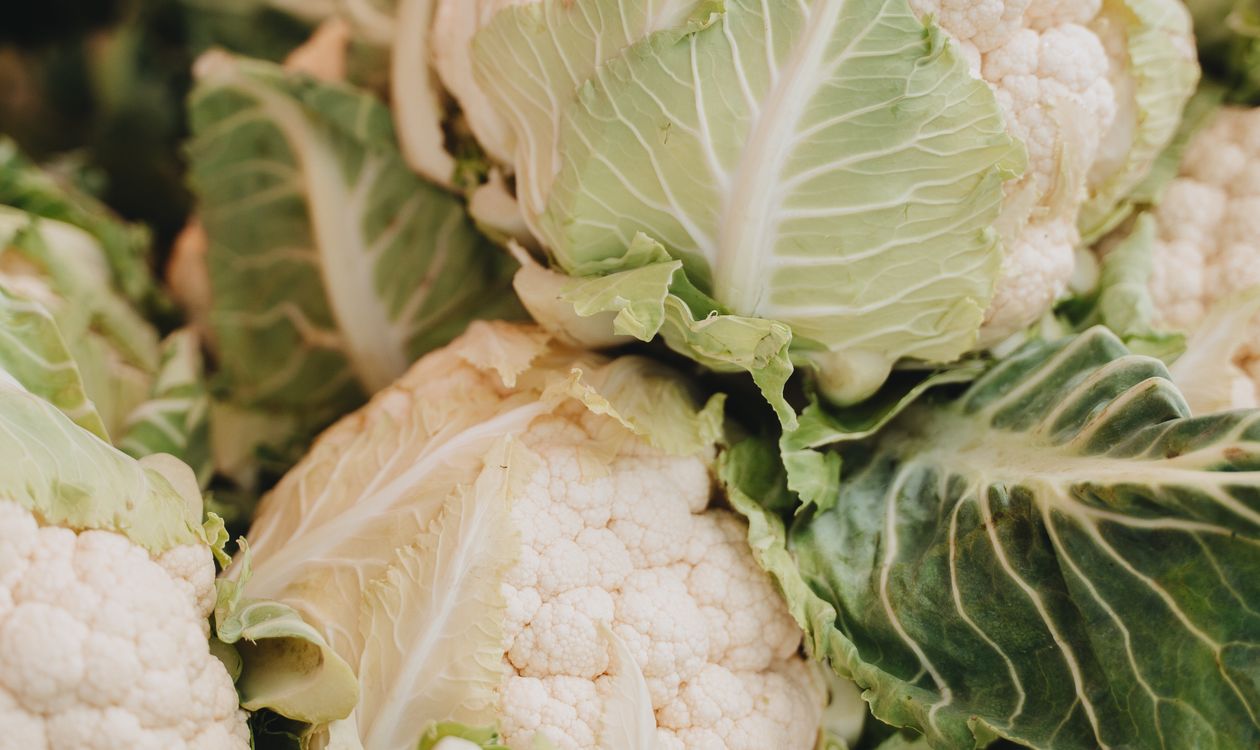
Which parts of the cauliflower can dogs eat?
Every part of the cauliflower plant is safe in principle, but they are not equal. The florets are the easy choice. The stems and leaves need more care, and riced and frozen cauliflower each carry their own small trap.
| Part or form | Can dogs eat it? | How to serve it | Watch out for |
|---|---|---|---|
| Florets | Yes | Raw or cooked, bite-size, plain | Large hard pieces can choke a small dog |
| Stems and stalks | Yes, in small pieces | Cooked to soften, cut very small | Harder and more fibrous than florets, a bigger choking risk raw |
| Leaves | Yes, in small amounts | Washed well, soft small pieces, raw or cooked | Fibrous and harder to digest; skip for sensitive stomachs |
| Riced cauliflower | Yes | Plain, raw or cooked, mixed into food in a small amount | Shop-bought versions often carry salt, garlic or onion |
| Frozen cauliflower | Yes | Thawed or cooked first, plain only | Large frozen-hard pieces can hurt teeth or choke |
| Cauliflower cheese | No, not recommended | Do not serve | Cheese, butter, milk, salt, sometimes onion or garlic powder |
| Cauliflower pizza crust | No, in most cases | Only if homemade, plain and free of unsafe ingredients | Shop crusts usually contain cheese, salt, garlic and onion powder |
Stems deserve a second look because they are the part owners most often get wrong. Rover’s vet sources say the stem is fine for dogs but harder and more fibrous than the florets, so it is more of a choking hazard, and cooking it to soften is the better choice. Cut stems into pieces smaller than you think you need to, because dogs that gulp will swallow a piece whole if it fits. Leaves are safe too, and Rover notes that the few leaves on a shop-bought head can simply be mixed in with the florets, raw or cooked. Wash leaves well, and skip them for sensitive stomachs. Riced cauliflower is just cauliflower chopped fine, and Rover confirms dogs can have it raw or cooked. The trap is the packet: riced cauliflower sold ready to cook is often seasoned, so make it at home from a fresh head when you can, and read the label every time when you cannot.
Why cauliflower makes dogs gassy
Gas is the most common complaint with cauliflower. Cauliflower is a cruciferous vegetable, rich in fibre and in a sugar called raffinose. Dogs do not make the enzyme that breaks raffinose down in the small intestine, so it travels on to the large intestine, where gut bacteria ferment it. Fermentation makes gas. That is why the wind shows up a few hours after the meal rather than straight away, and why it is worse the first time a dog eats cauliflower than the fifth time, as the gut adjusts to a new fibre source.
PetMD puts it plainly: like other dog-safe vegetables such as broccoli, Brussels sprouts and cabbage, large amounts of cauliflower can give dogs extra flatulence and stomach discomfort because it is high in fibre. The AKC says the same about cabbage, its close relative, and adds a warning that matters here: cabbage produces a large amount of gas, and dogs prone to bloat may not handle it, so owners of bloat-prone breeds should talk to a vet before feeding cabbage, and the same caution fits cauliflower. Cooking helps, because heat softens the fibre. If gas comes with vomiting, diarrhoea or a swollen belly, skip the guesswork and call your vet.
Goitrogens and oxalates: the two quiet caveats
This is the section no top-ranking cauliflower page writes properly, and it matters most for dogs with existing health problems. Cauliflower belongs to the Brassica family, and Brassica vegetables contain natural compounds called glucosinolates, also known as goitrogens. Oregon State University’s toxicology service explains that glucosinolates can inhibit thyroid function, and lists cauliflower among the goitrogenic Brassica species. The same source gives the reassurance alongside the warning: the enzymes that produce goitrogens are destroyed by cooking, and goitrogens are also lost into cooking water, so a small portion of cooked cauliflower is a different thing from a large portion of raw cauliflower for a dog with a thyroid problem.
For a healthy dog eating a few florets as an occasional treat, goitrogens are not something to lose sleep over. The animal studies that show thyroid effects used high glucosinolate feeds, not treat-size portions of vegetables. The picture changes for a dog that already has hypothyroidism or takes thyroid medication. That dog should only get cauliflower cooked, in small amounts, and only if the vet treating the thyroid is happy with it. Raw cauliflower in any real quantity is the form to avoid for those dogs, because cooking is what takes the goitrogenic edge off.
Oxalates need a more careful answer, because I could not verify a cauliflower-specific oxalate figure from any vet source I opened. Oxalates are natural compounds in many vegetables, and dogs with a history of calcium oxalate bladder stones are often managed on diets that keep oxalate intake in check. Cauliflower is not one of the vegetables vets name when they list high-oxalate foods, a list usually headed by spinach, but I did not find a published oxalate value for cauliflower in a source I could open and check, so I will not state one. If your dog has a history of bladder stones, kidney disease or a prescription urinary diet, ask your vet before making cauliflower a regular treat.
Seasoned cauliflower: the traps on a human plate
Plain cauliflower is safe. Almost everything people put on cauliflower is not. This is where a well-meaning owner gets into trouble, sharing a spoonful without checking what went into the pan. PetMD is clear that garlic and onion are toxic and should never be fed to dogs, and Rover’s vet sources say the same, adding oil, butter and salt to the list of things that never belong in the dog’s portion. Butter and other fatty foods can lead to pancreatitis, which the AKC warns about in its cabbage guide. None of these ingredients is obvious at a glance, which is why the dog’s portion must come out of the pan before seasoning goes in.
- Garlic and onion, in any form. Fresh, powdered, cooked or raw, both are toxic to dogs and can damage red blood cells. Garlic bread crumbs, onion powder in a spice mix and stock cubes all count.
- Butter, oil and cheese sauce. Not toxic, but fatty, and fat can push a sensitive dog toward pancreatitis. Cauliflower cheese is the classic trap: cheese, butter, milk, flour and salt, sometimes with onion or garlic powder as well.
- Salt and spice blends. Dogs need very little salt, and a seasoned roast carries far more than a treat should. Spice blends often hide garlic and onion powder under vague label words.
- Shop-bought cauliflower products. Pizza crusts, breaded bites, ready meals and takeaway dishes are built for human taste, which means cheese, salt, garlic, onion and oil. Read the label, and when the label is vague, do not share it.
- Sauces and dips. Ranch, cheese sauce and curry sauce turn a plain vegetable into a fatty, salty, sometimes toxic mouthful. Serve the cauliflower plain or not at all.
If your dog has eaten seasoned cauliflower, do not wait to see what happens when garlic or onion is involved. Call your vet now, or the ASPCA Animal Poison Control Center on (888) 426-4435, and tell them exactly what was in the dish and how much the dog ate. If the seasoning was only butter or salt, watch for vomiting, diarrhoea and loss of appetite over the next day, offer water, skip further treats, and call the vet if symptoms are severe or repeated. Never try to make your dog vomit unless a vet tells you to.
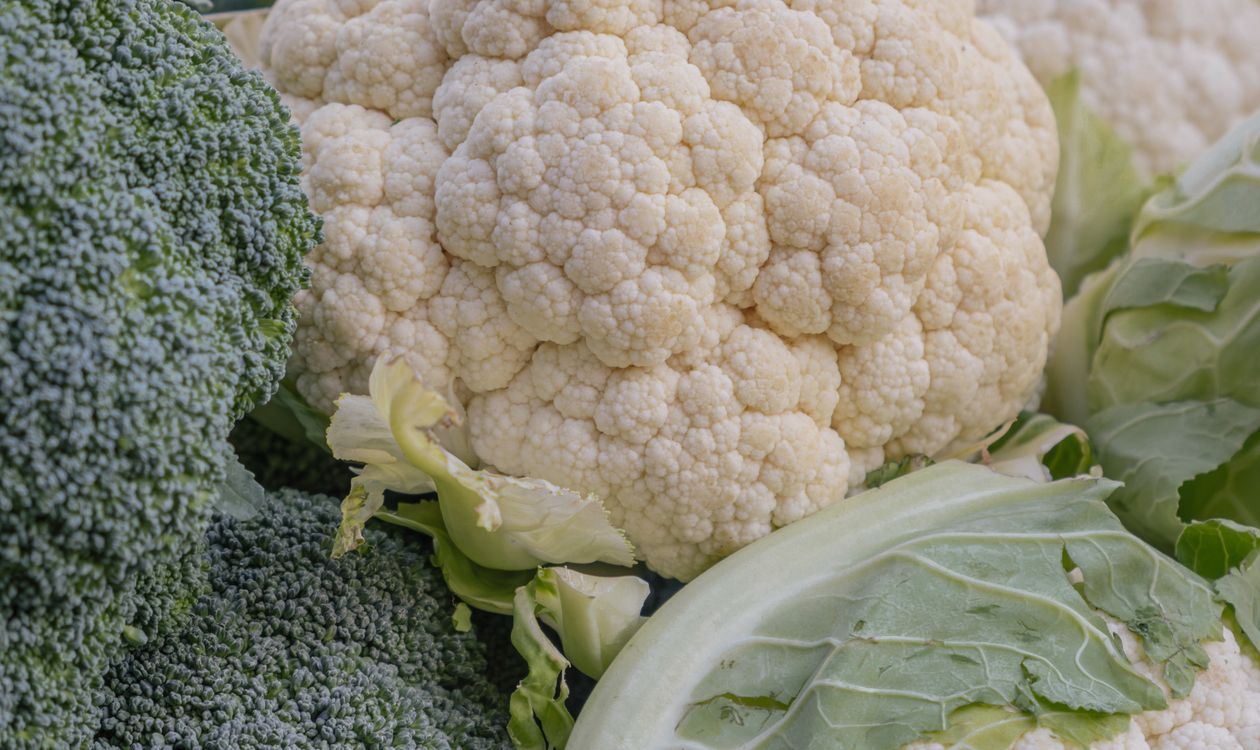
Cauliflower vs broccoli vs kale: which cruciferous vegetable is best?
Cauliflower, broccoli and kale are cousins in the same Brassica family, and the AKC’s cabbage guide names cauliflower and broccoli as the two vegetables in that family most owners ask about. All three are safe in small plain portions, all three can cause gas, and all three carry goitrogens, so the choice comes down to texture and choking risk.
| Cauliflower | Broccoli | Kale | |
|---|---|---|---|
| Gas risk | Moderate to high when overfed | Moderate to high, similar to cauliflower | Moderate, often milder in small amounts |
| Texture raw | Hard florets, needs cutting small | Hard florets and stalks, needs cutting small | Tough leaves, best cooked and chopped |
| Choking risk | Stems are the main risk | Stalks are the main risk | Low once cooked and chopped |
| Goitrogens | Yes, reduced by cooking | Yes, reduced by cooking | Yes, reduced by cooking |
| Main watch-out | Gas, seasoned versions | Gas, and a compound that can irritate stomachs in large portions | Fibrous leaves, oxalate content is a question for stone-prone dogs |
| Best served | Steamed florets | Steamed florets | Steamed, chopped leaves |
Mixing cauliflower with broccoli is fine, and the old version of this page was right about that, but treat the mix as one portion, not two. Two vegetables from the same gas-causing family add up in the gut, so a mixed portion should stay inside the same daily amount in the table at the top, not double it. Broccoli brings the same fibre and the same cautions, and kale brings tougher leaves that suit cooking rather than raw feeding. Cabbage is the closest comparison of all, since it shares the family and the gas problem. If your dog handles one well, it will probably handle the others, but introduce each separately so you know which one caused the wind. For lighter, lower-gas alternatives, green beans and carrots are gentler on gassy stomachs than any cruciferous vegetable.
Who should skip cauliflower?
- Dogs with hypothyroidism or on thyroid medication. Goitrogens can interfere with thyroid function, so cooked-only, small amounts, and only if the treating vet agrees.
- Dogs with a history of calcium oxalate bladder stones or kidney disease. Ask the vet first. Do not add any new vegetable to a managed urinary diet on a guess.
- Dogs on a prescription diet. Rover’s vet sources are direct on this: dogs on prescription diets should stick to those diets, and anything added needs a vet check.
- Dogs prone to bloat. The AKC warns that gas-producing vegetables can be a problem for breeds that can bloat. Keep portions at the smallest end of the table, serve cooked, and talk to your vet first.
- Dogs with very sensitive stomachs. If a dog already gets diarrhoea from new foods, cauliflower is a poor first choice. Try a gentler vegetable first.
- Dogs that gulp food whole. Hard raw florets and stems are a choking risk for gulpers, so serve cooked and cut small, or skip raw pieces entirely.
Puppies and senior dogs
Puppies can eat a tiny amount of plain cooked cauliflower, but their digestive systems are still developing, so new foods cause diarrhoea more easily in a puppy than in an adult. Keep it to one tiny taste of soft cooked cauliflower, never raw or seasoned, and ask your vet first. Senior dogs sit at the other end of the same question. Rover’s vet sources note that cooking breaks fibre down so cauliflower is easier to eat for seniors and dogs with dental issues: soft steamed pieces, cut small, in a small amount. A senior with worn teeth may swallow raw florets whole. For both ages, the rule is the same: cooked, small, plain, and watch the stools the next day.
What to do if your dog eats too much cauliflower
A dog that eats too much plain cauliflower will most likely be gassy, bloated and uncomfortable, with soft stools or diarrhoea. Offer fresh water, skip further treats for the day, and keep the next meals plain. Call your vet if vomiting or diarrhoea is repeated, if the belly looks swollen or tight, if the dog is lethargic or refuses water, or if the cauliflower was seasoned with garlic, onion or anything you cannot identify. Do not try to treat it at home with human medicine, and do not make your dog vomit unless a vet tells you to.
Frequently asked questions
Can dogs eat cauliflower every day?
Dogs can eat cauliflower regularly in tiny amounts, but daily feeding is not necessary. Use it as an occasional treat or small meal topper a few times a week.
Is raw or cooked cauliflower better for dogs?
Cooked is better for most dogs: steaming or boiling softens the fibre, lowers the gas risk and is gentler on teeth. Raw is safe in small amounts for healthy adult dogs that chew well, but keep raw portions smaller than cooked ones.
Can cauliflower cause gas in dogs?
Yes. Cauliflower contains fibre and a sugar called raffinose, which dogs cannot break down, so gut bacteria ferment it and produce gas. Cooking helps, small portions help more, and introducing it slowly helps most of all.
Can dogs eat cauliflower rice?
Yes, in a small amount mixed into their regular food, raw or cooked. Make it at home from a fresh head when you can, because shop-bought versions often contain salt, garlic or onion.
Can dogs eat cauliflower leaves and stems?
Yes, both are safe in small amounts. Cook stems to soften them and cut them very small, because they are hard and carry the biggest choking risk. Wash leaves well, serve soft small pieces, and skip them for dogs with sensitive stomachs.
Can dogs eat frozen cauliflower?
Yes, as long as it is plain and thawed or cooked first. Do not hand over large frozen-hard pieces, which can hurt teeth or choke.
Can puppies eat cauliflower?
Yes, one tiny taste of soft cooked cauliflower, but ask your vet first. Their digestion is still developing, so introduce it slowly, keep it plain, and never feed raw chunks or seasoned cauliflower to a puppy.
The bottom line
Cauliflower earns its place as an occasional dog treat: safe, low in calories, and easy to prepare. Keep it plain, keep it small, cook it for puppies, seniors and gassy dogs, and keep the seasoned version on your own plate.
Sources
PetMD’s guide to cauliflower for dogs, for the piece-by-weight portions, nutrients and the 10 percent treat rule. Rover’s vet-reviewed cauliflower guide, with guidance from Dr Iram Gladan and Dr Katherine Oakes on florets per day, raw against cooked, stems, leaves and riced cauliflower. The American Kennel Club’s cabbage guide, where chief veterinarian Dr Jerry Klein covers the same Brassica family, the gas risk and the bloat warning. Oregon State University’s toxicology notes on goitrogens, which list cauliflower among the goitrogenic Brassica vegetables and note that cooking destroys the enzymes involved.
This guide is for information only and is not a substitute for veterinary advice. If your dog has a health condition, takes medication, or eats something seasoned or toxic, contact your veterinarian.


2 Comments