

Can Dogs Eat Ground Turkey? Safety & Feeding Guide
Yes, dogs can eat ground turkey when it is fully cooked, plain, and served in an appropriate amount. Ground turkey can provide protein and other nutrients, making it a useful occasional addition to a dog’s regular diet. However, not every type of ground turkey is safe. Turkey prepared with onion, garlic, heavy seasoning, excessive salt, butter, or rich sauces can cause problems for dogs.
The safest option is plain ground turkey that has been thoroughly cooked without harmful ingredients. It should be served as a treat or food topper rather than replacing a complete and balanced dog food unless a veterinarian has specifically recommended a homemade diet. Because ground turkey can vary significantly in fat content, checking the package and choosing a lean option can also be helpful.
Can Dogs Eat Cooked Ground Turkey?
Dogs can eat cooked ground turkey as long as it is thoroughly cooked and prepared without ingredients that are unsafe for dogs. Plain turkey is generally easier for dogs to tolerate than ground turkey prepared as meatballs, burgers, tacos, casseroles, or seasoned dishes. Before giving it to your dog, allow the meat to cool and remove any excess grease.
Ground turkey should not be raw or undercooked. Ground meat has been minced into smaller pieces, so bacteria can be distributed throughout the meat rather than remaining only on the surface. Cooking it thoroughly helps reduce the risk of foodborne illness. If you are preparing turkey specifically for your dog, keep the recipe simple and avoid seasonings, sauces, and processed ingredients.
Can Dogs Eat Plain Ground Turkey?
Plain ground turkey is one of the simplest ways to offer turkey to a dog. It can be cooked in a plain pan without adding onion, garlic, spicy seasonings, or large amounts of oil. Once cooked, drain excess fat and let the turkey cool before serving a small portion with your dog’s normal food.
Plain does not necessarily mean every package of ground turkey is identical. Some products contain added ingredients, flavorings, broth, or other additives. Check the ingredient label before serving it. For regular treats, a simple product with turkey as the main ingredient is easier to manage than heavily processed or seasoned ground turkey.
Can Dogs Eat Ground Turkey With No Seasoning?
Yes, unseasoned ground turkey is generally a better choice for dogs than seasoned turkey. Dogs do not need salt, pepper, garlic powder, onion powder, chili seasoning, or other flavorings added to their meat. Plain turkey already has a natural flavor that many dogs enjoy.
If you are cooking ground turkey for both yourself and your dog, it is often easier to set aside your dog’s portion before adding seasonings or sauces. This prevents accidental exposure to ingredients that may be unsuitable for dogs. Avoid assuming that a small amount of seasoning is always harmless, especially when the recipe contains onion or garlic.
Can Puppies Eat Ground Turkey?
Puppies can eat a small amount of fully cooked, plain ground turkey, but their nutritional needs are different from those of adult dogs. Growing puppies need a complete and balanced puppy diet that supplies the appropriate levels of protein, fat, calcium, phosphorus, vitamins, and other nutrients. Ground turkey should not replace their main puppy food.
When introducing ground turkey to a puppy, start with a very small amount and watch for digestive problems such as loose stool, vomiting, or excessive gas. Puppies can have sensitive stomachs, and sudden additions to their diet may cause digestive upset. If your puppy has a medical condition, food sensitivity, or is on a special diet, ask your veterinarian before adding turkey.
Can Dogs Eat Ground Turkey Every Day?
Dogs may be able to eat small amounts of plain ground turkey regularly, but feeding large portions every day can make the overall diet unbalanced. Treats and extras should remain a limited part of a dog’s daily calorie intake unless a veterinarian has designed a complete homemade diet that includes turkey.
Another concern is fat and calories. Ground turkey can contain different amounts of fat depending on the product. A dog that receives a large amount of fatty meat in addition to its normal food may consume more calories than needed. For everyday feeding, the dog’s complete and balanced food should remain the nutritional foundation of the diet.
Can Dogs Eat Lean Ground Turkey?
Lean ground turkey can be a practical option for dogs because it generally contains less fat than fattier ground turkey products. Lower-fat meat may also be easier to fit into a dog’s overall calorie intake. However, lean turkey is still an extra food rather than a substitute for complete dog food.
Cook lean ground turkey thoroughly and serve it plain. Avoid adding butter, large amounts of cooking oil, gravy, or salty sauces. Even when the turkey itself is lean, these additions can significantly increase the fat and sodium content of the meal.
Can Dogs Eat Ground Turkey With Fat?
Dogs need dietary fat as part of a balanced diet, but excessive amounts of fatty meat are not a good choice. Ground turkey can range from very lean to relatively fatty, so the product you buy matters. If cooked turkey leaves a large amount of grease in the pan, drain the excess before offering the meat to your dog.
Eating too much fatty food can cause digestive upset, including vomiting or diarrhea, and high-fat meals may be particularly unsuitable for dogs with a history of pancreatitis or other dietary restrictions. If your dog has been prescribed a low-fat diet, do not add regular ground turkey without checking with your veterinarian first.
Can Dogs Eat Ground Turkey and Rice?
Plain cooked ground turkey and plain cooked rice can be combined as an occasional meal topper for some dogs. Both foods are relatively simple when prepared without seasoning, sauces, onion, garlic, or excessive fat. However, turkey and rice alone do not automatically provide all of the nutrients a dog needs for long-term feeding.
If you are considering feeding homemade turkey and rice for several days because your dog has digestive problems, it is better to speak with a veterinarian rather than creating a long-term diet yourself. The right diet depends on the dog’s age, size, health, and specific nutritional needs.
Can Dogs Eat Ground Turkey With Eggs?
Dogs can generally eat fully cooked plain eggs along with plain ground turkey. Combining these foods can create a protein-rich meal, but the portions still need to be controlled. Eggs should be cooked without butter, excessive oil, salt, onion, garlic, or other seasonings.
For a healthy dog, a small amount of turkey and egg can be used as an occasional topper or treat. It should not become so large that the dog stops eating its complete and balanced food. Dogs with known food allergies or sensitive stomachs may need a more carefully controlled diet.
Can Dogs Eat Ground Turkey With Onion or Garlic?
No. Ground turkey cooked with onion or garlic should not be intentionally fed to dogs. Onion and garlic belong to the allium family and can be harmful to dogs. This includes common forms such as fresh onion, garlic cloves, onion powder, and garlic powder.
This is especially important with ground turkey because recipes often contain seasonings that are easy to overlook. Turkey meatballs, turkey burgers, taco meat, stuffing, soups, and prepared turkey mixtures may contain onion or garlic. Always check the ingredients before sharing cooked ground turkey with your dog.
Can Dogs Eat Ground Turkey Burgers?
Plain homemade ground turkey formed into a burger can be suitable for a dog if it is thoroughly cooked and contains no harmful seasonings or ingredients. However, human-style turkey burgers often contain salt, onion, garlic, sauces, cheese, butter, or other ingredients that make them less suitable for dogs.
If you want to prepare a turkey burger for your dog, keep the ingredients simple. Cook the meat thoroughly and avoid seasoning it. Do not serve it with ketchup, mayonnaise, cheese, pickles, or a heavily seasoned bun as part of the dog’s meal. A small piece of plain cooked turkey is usually a simpler option.
See Also: Can Dogs Eat Clementines? Safety & Feeding Guide
How Much Ground Turkey Can Dogs Eat?
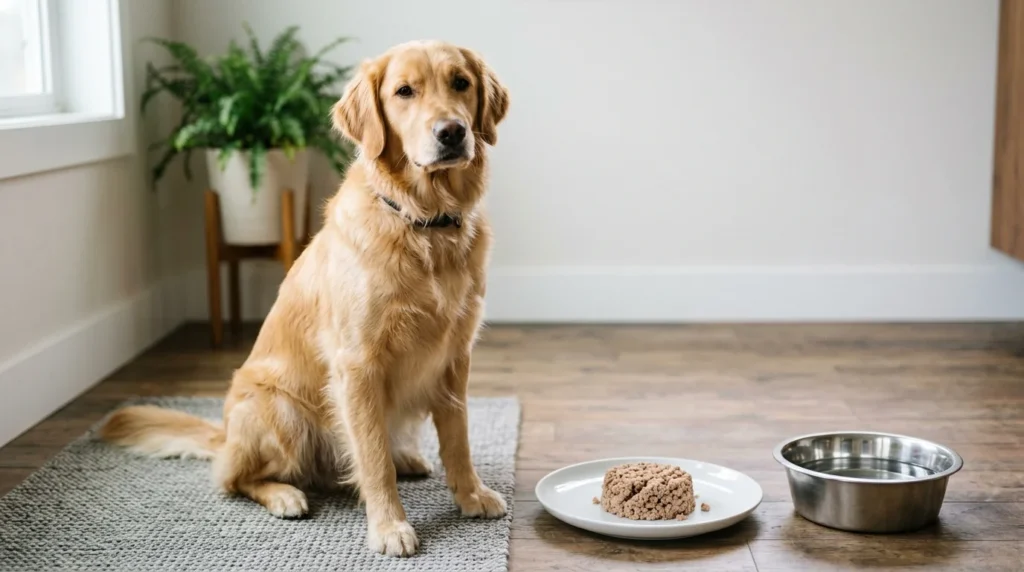
The right amount of ground turkey depends on your dog’s size, age, activity level, health, and the rest of the food it eats during the day. Ground turkey should generally be treated as an occasional treat or topper rather than a large part of the diet. Start with a small amount when introducing it for the first time.
| Dog Size | Suggested Starting Amount |
|---|---|
| Small dogs | 1–2 teaspoons |
| Medium dogs | 1–2 tablespoons |
| Large dogs | 2–4 tablespoons |
| Very large dogs | Up to about 1/4 cup |
These amounts are general starting points rather than strict serving requirements. If your dog is overweight, has pancreatitis, has dietary restrictions, or eats a prescription diet, the appropriate amount may be much smaller or turkey may not be appropriate at all. Treats and extras should be considered alongside the dog’s complete daily diet.
Can Ground Turkey Cause Diarrhea in Dogs?
Yes, ground turkey can cause diarrhea in some dogs, particularly if they eat too much, receive fatty turkey, or are not accustomed to the food. Sudden dietary changes can upset a dog’s digestive system. Turkey prepared with grease, oil, butter, rich sauces, or seasonings can also be more difficult for some dogs to tolerate.
If your dog develops mild diarrhea after eating a small amount of plain turkey, stop giving the turkey and monitor your dog. Make sure fresh water is available. Persistent diarrhea, repeated vomiting, weakness, blood in the stool, or other concerning symptoms warrant veterinary attention.
Can Ground Turkey Cause Gas in Dogs?
Some dogs may develop gas after eating ground turkey, especially when it is introduced suddenly or given in a larger portion. The problem may also come from ingredients mixed into the turkey rather than the turkey itself. Onion, garlic, rich sauces, dairy products, and excessive fat can all make a prepared turkey dish less suitable for dogs.
To reduce the chance of digestive upset, introduce plain cooked ground turkey gradually. Give only a small amount at first and observe how your dog responds. If your dog repeatedly develops gas or stomach problems after eating turkey, discontinue it and discuss alternative protein sources with your veterinarian.
Can Dogs Eat Ground Turkey With Salt?
It is better not to add salt to ground turkey prepared for dogs. Dogs require sodium as part of a balanced diet, but their regular complete food already supplies an appropriate amount. Adding extra salt provides little benefit and can increase the overall sodium content of the meal.
Avoid heavily salted turkey, processed turkey products, gravy, and salty seasoning blends. If your dog accidentally eats a small piece of lightly salted turkey, it does not necessarily mean an emergency, but larger amounts of very salty food can be dangerous. Make sure your dog has access to fresh water and contact a veterinarian if a significant amount was consumed or symptoms develop.
Can Dogs Eat Ground Turkey With Pepper and Spices?
Plain ground turkey is preferable to turkey covered in spices. Black pepper and strong spices can irritate some dogs’ digestive systems, while spice blends may contain ingredients that are more concerning. Onion powder and garlic powder are particularly important to avoid.
Human recipes can also contain chili powder, hot sauce, seasoning packets, or other ingredients that may cause stomach irritation. When preparing turkey specifically for your dog, there is no need to make it spicy or heavily seasoned. Keep the meat simple and thoroughly cooked.
Can Dogs Eat Ground Turkey Meatballs?
Dogs should only receive homemade turkey meatballs if you know exactly what ingredients they contain. Plain cooked ground turkey itself can be suitable, but meatballs often contain onion, garlic, salt, breadcrumbs, cheese, sauces, and seasonings. These ingredients can change an otherwise simple food into something unsuitable for dogs.
If you make meatballs for your dog, prepare a separate plain version without onion, garlic, excessive salt, or rich sauces. Cook the meat thoroughly and allow it to cool before serving a small portion. Commercial human meatballs are generally not a good choice because their ingredients and sodium levels can vary.
See Also: Can Dogs Eat Spam? Safety, Risks & What to Know
Can Dogs Eat Ground Turkey With Gravy?
Ground turkey covered in gravy is generally not a good choice for dogs. Gravy can contain high amounts of fat and sodium and may also contain onion, garlic, butter, or other ingredients that dogs should avoid. Even a small serving can add considerably more fat and salt than plain turkey.
If you want to make turkey more appealing for your dog, use a small amount of plain cooked turkey mixed with its regular food instead of adding human gravy. This gives the dog the taste and protein of turkey without unnecessary sauces and seasonings.
Can Dogs Eat Ground Turkey Skin?
Ground turkey does not usually have a separate piece of skin in the same way that a roasted turkey does, but some ground turkey products can contain turkey skin or have a higher fat percentage. Fatty ground turkey should be offered carefully because too much dietary fat can cause digestive problems in some dogs.
When choosing ground turkey for your dog, check the fat percentage and avoid adding extra oil or butter during cooking. Draining excess grease after cooking can also reduce the amount of fat in the serving. Dogs with a history of pancreatitis or a veterinarian-recommended low-fat diet need special caution.
What Happens If a Dog Eats Too Much Ground Turkey?
Eating too much ground turkey can cause stomach upset, particularly if the meat is fatty or heavily seasoned. A dog may experience vomiting, diarrhea, gas, abdominal discomfort, or a temporary loss of appetite. The risk can be higher when the turkey contains rich ingredients such as butter, oil, cheese, or gravy.
If your dog has eaten a large amount of plain cooked turkey, monitor it closely and make sure fresh water is available. If the turkey contained onion, garlic, large amounts of salt, or other potentially harmful ingredients, contact your veterinarian promptly. Seek veterinary care for severe or persistent vomiting, diarrhea, weakness, collapse, blood in vomit or stool, or significant abdominal pain.
How Should You Prepare Ground Turkey for Dogs?
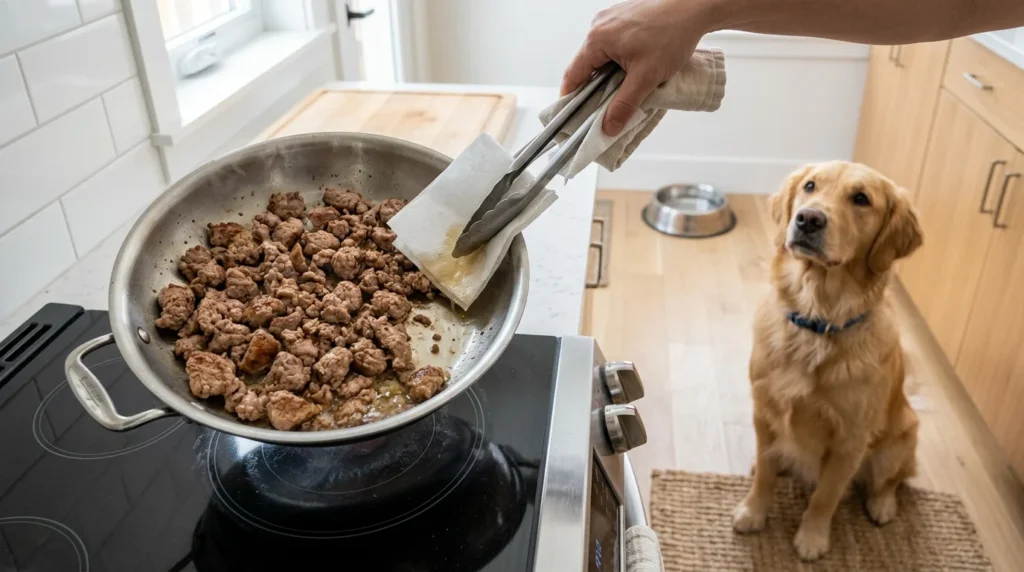
The safest preparation is simple: cook the ground turkey thoroughly in a clean pan without adding onion, garlic, spicy seasoning, excessive salt, butter, or rich sauces. Break the meat into small pieces while cooking so it cooks evenly. Once fully cooked, drain excess grease and let the turkey cool before serving.
Do not give your dog raw or undercooked ground turkey. Keep the preparation separate from the family’s seasoned turkey whenever possible. You can mix a small amount of cooled plain turkey into your dog’s regular food or offer it separately as an occasional treat.
Ground Turkey vs. Other Turkey for Dogs
| Turkey Type | Suitable for Dogs? | Important Consideration |
|---|---|---|
| Plain cooked ground turkey | Yes, in moderation | Choose plain, thoroughly cooked meat |
| Lean ground turkey | Yes, in moderation | Generally lower in fat |
| Raw ground turkey | Not recommended | Foodborne bacteria can be a concern |
| Seasoned ground turkey | Usually avoid | May contain salt, onion, garlic, or spices |
| Turkey with gravy | Best avoided | Often high in fat and sodium |
| Processed turkey | Best avoided | May contain excessive sodium and additives |
Frequently Asked Questions
Is ground turkey safe for dogs?
Yes, plain ground turkey can be safe for dogs when it is thoroughly cooked and served in moderation. Avoid products containing onion, garlic, excessive salt, or rich sauces.
Can dogs eat ground turkey every day?
Small amounts may fit into some dogs’ diets, but ground turkey should not replace complete and balanced dog food unless a veterinarian has formulated the diet. Portion size and fat content are important.
Can dogs eat raw ground turkey?
Raw ground turkey is not recommended because raw meat can carry harmful bacteria. Thorough cooking reduces this food-safety risk.
Is ground turkey better for dogs than ground beef?
Both can provide protein, but their nutritional profiles depend on the specific product and fat content. Lean ground turkey can be a lower-fat option, but neither should automatically replace a complete dog food.
What should I do if my dog ate seasoned ground turkey?
Check the ingredients first. If it contained onion, garlic, large amounts of salt, or another potentially harmful ingredient, contact your veterinarian for advice. If your dog develops vomiting, diarrhea, weakness, or other concerning symptoms, seek veterinary care.
Conclusion
Dogs can eat ground turkey when it is plain, thoroughly cooked, and served in a sensible portion. Lean ground turkey can be a convenient source of protein and can work as an occasional treat or topper alongside a dog’s normal complete and balanced food. Puppies can also have small amounts when appropriate, but their main diet should remain nutritionally complete for growth.
The biggest concerns are preparation, portion size, and ingredients. Avoid raw or undercooked ground turkey and do not add onion, garlic, excessive salt, spicy seasonings, gravy, butter, or rich sauces. If your dog has eaten a large amount of fatty or seasoned turkey, or develops significant digestive symptoms, contact your veterinarian for guidance.
See Also: Can Dogs Eat Parmesan Cheese? Safety & Feeding Guide


