

What Human Food Can Dogs Eat? Safe Foods Guide 2026
Dogs can eat many human foods safely when they are plain, properly prepared, and given in moderation. Foods such as cooked chicken, carrots, apples without seeds, plain rice, eggs, and certain fruits and vegetables can be suitable occasional additions to a dog’s diet.
However, not every human food is safe for dogs. Some foods can cause digestive problems, while others can be seriously toxic. Portion size, preparation, and your dog’s age, size, and health condition also matter.
What Human Food Can Dogs Eat?
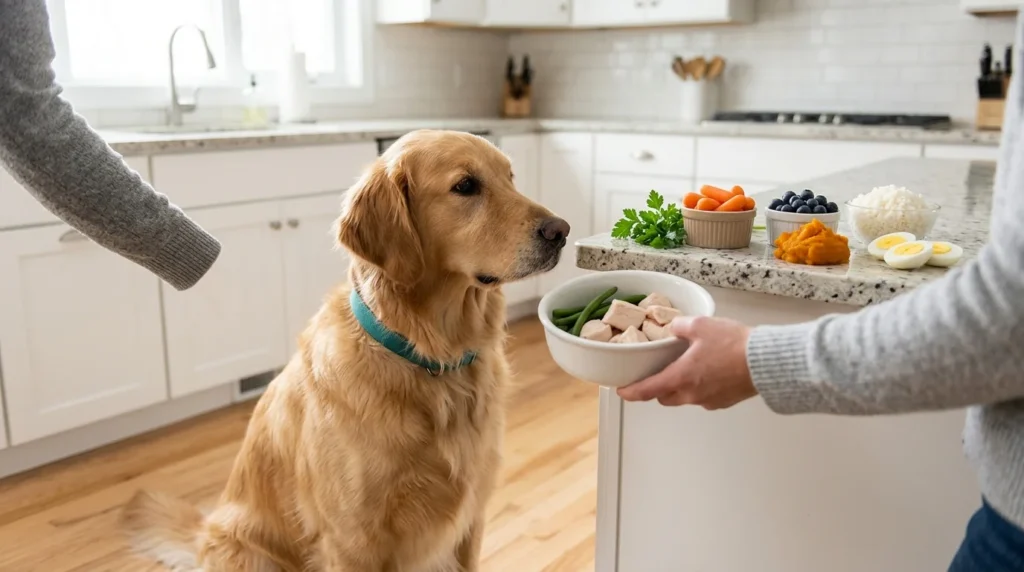
Dogs can eat several simple human foods, including plain cooked meats, certain vegetables, some fruits, eggs, rice, and oatmeal. These foods should be free from excessive salt, sugar, butter, sauces, and harmful seasonings.
Human food should remain an occasional addition rather than replacing complete and balanced dog food. Introduce new foods gradually and watch for digestive problems or signs of intolerance.
What Meat Can Dogs Eat?
Dogs can generally eat plain, fully cooked meats such as chicken, turkey, lean beef, and pork when they are prepared without harmful seasonings. Meat provides protein and can be a useful occasional treat.
Remove bones, excess fat, skin, and heavily seasoned portions. Avoid processed meats that contain excessive salt, spices, preservatives, or ingredients such as onion and garlic.
Can Dogs Eat Chicken?
Plain cooked chicken is generally safe for dogs and is a common ingredient in many dog foods. It provides protein and can be offered in small portions as an occasional treat.
Chicken should be fully cooked and served without bones, skin, butter, salt, onion, garlic, or heavy seasoning. Avoid fried or highly processed chicken products.
Can Dogs Eat Turkey?
Plain, fully cooked turkey can generally be eaten by dogs in moderation. Lean turkey provides protein and can be used as an occasional treat.
Remove bones, skin, excess fat, and seasoning before serving. Avoid turkey prepared with onion, garlic, heavy gravy, or large amounts of salt.
Can Dogs Eat Beef?
Plain cooked lean beef can generally be eaten by dogs. Beef provides protein and other nutrients, making it suitable as an occasional addition to a dog’s diet.
Choose lean portions and cook them thoroughly. Avoid fatty cuts, heavily seasoned beef, processed beef, and foods containing onion or garlic.
Can Dogs Eat Pork?
Plain, fully cooked lean pork can be eaten by dogs in moderation. Pork should be thoroughly cooked and served without seasoning or rich sauces.
Avoid fatty pork, bacon, sausage, ham, and other processed pork products because they can contain excessive fat, salt, and preservatives. Never give dogs cooked pork bones.
Can Dogs Eat Fish?
Many dogs can eat plain, fully cooked fish such as salmon, whitefish, or sardines. Fish can provide protein and beneficial fatty acids when prepared properly.
Remove all bones and avoid fish prepared with butter, salt, garlic, onion, or heavy sauces. Raw fish can carry parasites and should generally be avoided unless specifically prepared under veterinary guidance.
Can Dogs Eat Eggs?
Fully cooked plain eggs can generally be eaten by dogs in moderation. Eggs provide protein and several nutrients and can be an occasional treat.
Cook eggs without butter, oil, salt, onion, garlic, or heavy seasoning. Avoid feeding raw eggs routinely because of food-safety concerns.
Can Dogs Eat Rice?
Plain cooked rice can generally be eaten by dogs in moderation. White or brown rice can provide carbohydrates and is commonly included in some homemade feeding plans.
Serve rice plain without salt, butter, sauces, or spices. Rice should not replace a nutritionally complete dog diet unless a veterinarian recommends a specific feeding plan.
See Also: Can Dogs Eat Celery for Weight Loss? Benefits & Portion Guide 2026
Can Dogs Eat Oatmeal?
Plain cooked oatmeal can generally be eaten by dogs in small amounts. Oatmeal provides carbohydrates and fiber and can be an occasional addition to a dog’s meals or treats.
Prepare it with water rather than sweetened milk, and avoid sugar, chocolate, raisins, grapes, and artificial sweeteners. Let the oatmeal cool before serving.
Can Dogs Eat Bread?
Plain fully baked bread can generally be eaten by dogs in small amounts. It does not provide much nutritional value for dogs, so it should remain an occasional treat.
Never give dogs raw yeast dough because it can expand in the stomach and produce alcohol during fermentation. Avoid bread containing raisins, grapes, garlic, onion, chocolate, or unsafe sweeteners.
Can Dogs Eat Peanut Butter?
Dogs can generally eat small amounts of plain peanut butter as an occasional treat. Peanut butter is calorie-dense, so portions should be kept small.
Always check the ingredient label for xylitol, which is highly toxic to dogs. Avoid peanut butter with excessive salt, sugar, chocolate, or other unnecessary additives.
Can Dogs Eat Carrots?
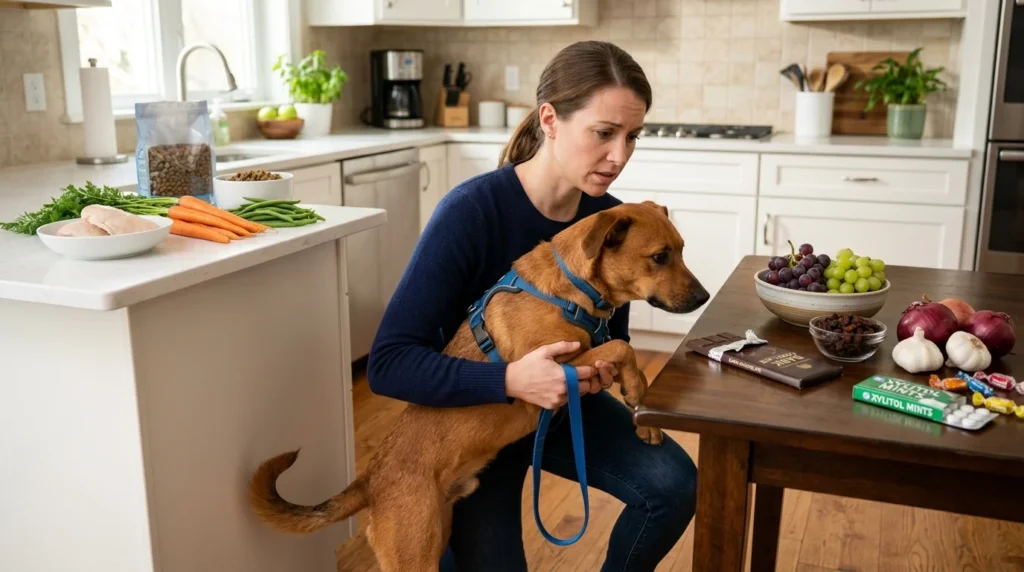
Carrots are generally safe for dogs and can be served raw or cooked. They provide fiber and several nutrients and can make a crunchy, low-calorie treat.
Cut carrots into appropriately sized pieces to reduce choking risk, especially for small dogs. Serve them plain without butter, salt, or seasoning.
Can Dogs Eat Green Beans?
Plain green beans can generally be eaten by dogs. They provide fiber and can be a relatively low-calorie treat when served without added ingredients.
Fresh, steamed, or plain cooked green beans are preferable. Avoid canned green beans with high amounts of added salt and avoid versions prepared with onion, garlic, butter, or sauces.
Can Dogs Eat Peas?
Plain cooked peas can generally be eaten by dogs in moderation. Peas contain fiber, protein, vitamins, and minerals and are included in some commercial dog foods.
Serve peas plain and avoid salted, seasoned, or creamy preparations. Introduce them gradually if your dog has not eaten peas before.
Can Dogs Eat Sweet Potatoes?
Plain cooked sweet potato can generally be eaten by dogs in moderation. It provides carbohydrates, fiber, and nutrients and can be used as an occasional treat.
Remove the skin if it is difficult for your dog to digest and avoid butter, sugar, marshmallows, salt, and spices. Never serve sweet potato in heavily seasoned casserole dishes.
Can Dogs Eat Pumpkin?
Plain cooked pumpkin is generally safe for dogs in moderate amounts. Pumpkin provides fiber and can be included in some diets under veterinary guidance.
Use plain pumpkin rather than pumpkin pie filling, which can contain sugar, spices, and other ingredients. Avoid products containing xylitol or excessive sweeteners.
Can Dogs Eat Broccoli?
Dogs can generally eat small amounts of plain broccoli. Broccoli provides fiber and nutrients, but large quantities may cause gas or digestive discomfort.
Serve broccoli raw or lightly cooked without butter, salt, sauces, onion, or garlic. Cut large pieces into smaller portions to make them easier to eat.
See Also: Can Dogs Eat Pistachios? Safety, Risks & Feeding Guide 2026
Can Dogs Eat Cucumbers?
Plain cucumber can generally be eaten by dogs in moderation. It contains a high amount of water and can be a refreshing low-calorie treat.
Wash cucumber thoroughly and cut it into small pieces. Avoid pickles because they usually contain excessive salt, vinegar, spices, and sometimes garlic or onion.
Can Dogs Eat Apples?
Dogs can generally eat fresh apples in moderation. Apples provide fiber and several nutrients and can be a crunchy occasional treat.
Remove the seeds, stem, and core before serving. Cut the apple into small pieces appropriate for your dog’s size and avoid sweetened apple products.
Can Dogs Eat Bananas?
Bananas can generally be given to dogs in small amounts. They contain potassium, fiber, and carbohydrates but are also relatively high in natural sugar.
Remove the peel and serve small pieces as an occasional treat. Too much banana may contribute unnecessary calories or cause digestive upset.
Can Dogs Eat Blueberries?
Blueberries are generally safe for dogs when given in moderation. They provide antioxidants, fiber, and vitamins and can be used as a small treat.
Wash fresh blueberries before serving and adjust the portion for your dog’s size. Avoid blueberry products containing added sugar or artificial sweeteners.
Can Dogs Eat Strawberries?
Fresh strawberries can generally be eaten by dogs in moderation. They provide fiber and vitamin C and can be a refreshing occasional treat.
Wash the strawberries, remove the leafy tops, and cut large berries into smaller pieces. Avoid strawberry desserts containing chocolate, excessive sugar, or artificial sweeteners.
Can Dogs Eat Watermelon?
Dogs can generally eat the flesh of seedless watermelon in moderation. Watermelon contains a high amount of water and can be a refreshing treat.
Remove the rind and seeds before serving. Give only small portions because too much fruit can cause digestive upset.
Can Dogs Eat Mango?
Mango flesh can generally be given to dogs in small amounts. It contains vitamins and fiber but also has a relatively high natural sugar content.
Remove the skin and large pit completely before serving. Never allow your dog to chew or swallow the mango pit.
Can Dogs Eat Pineapple?
Fresh pineapple can generally be eaten by dogs in small amounts. It contains vitamins, minerals, and fiber, but its natural sugar content means portions should remain limited.
Remove the tough skin and central core before serving. Avoid canned pineapple packed in syrup because of the added sugar.
Can Dogs Eat Green Vegetables?
Many green vegetables are suitable for dogs, including green beans, peas, cucumber, broccoli, and small amounts of spinach. They can provide fiber and various nutrients.
Serve vegetables plain and appropriately prepared. Avoid vegetables cooked with onion, garlic, excessive salt, butter, sauces, or other ingredients that are unsafe for dogs.
Can Dogs Eat Dairy Products?
Some dogs can tolerate small amounts of plain dairy products, but many dogs have difficulty digesting lactose. Milk, cream, and rich dairy foods can cause gas, diarrhea, or stomach discomfort.
If you offer dairy, choose a small amount of plain, unsweetened product and monitor your dog. Avoid products containing chocolate, xylitol, excessive sugar, or other unsafe ingredients.
Can Dogs Eat Cheese?
Many dogs can tolerate small amounts of plain cheese, but cheese can be high in fat and calories. It should therefore be an occasional treat rather than a regular food.
Avoid cheeses containing garlic, onion, excessive salt, spices, or other unsafe ingredients. Dogs with certain health conditions may need to avoid cheese altogether.
See Also: Can Dogs Eat Asparagus? Safe Serving, Benefits & Risks 2026
Can Dogs Eat Yogurt?
Plain, unsweetened yogurt can be tolerated by some dogs. It may provide protein and calcium, but dairy can cause digestive problems in lactose-sensitive dogs.
Choose yogurt without xylitol, artificial sweeteners, chocolate, or excessive sugar. Start with a very small amount and monitor your dog for digestive symptoms.
Can Dogs Eat Human Food Every Day?
Dogs should not rely on human food as their main diet unless a veterinarian or veterinary nutritionist has designed a complete and balanced homemade diet.
Small portions of safe human foods can be used as occasional treats or additions. Most of a dog’s daily nutrition should come from a complete and balanced food appropriate for their age and health.
What Human Foods Are Toxic to Dogs?
Some human foods can be dangerous or toxic to dogs. Important examples include chocolate, grapes, raisins, xylitol, onions, garlic, alcohol, and macadamia nuts.
Keep these foods away from dogs and check ingredient labels carefully. If your dog eats a potentially toxic food, contact a veterinarian promptly rather than waiting for symptoms.
Can Dogs Eat Human Food With Salt?
Dogs do not need heavily salted human foods. Excessive salt can cause increased thirst and digestive problems and, in very large amounts, can result in salt poisoning.
When sharing human food, choose plain versions without added salt. Processed meats, chips, fast food, and heavily seasoned meals are poor choices for dogs.
Can Dogs Eat Human Food With Spices?
Plain foods are generally safer because some seasonings commonly used in human cooking can be harmful to dogs. Onion and garlic are particularly important ingredients to avoid.
Spicy foods may also irritate a dog’s digestive system. When preparing human food for your dog, set aside a plain portion before adding sauces or seasonings.
How Much Human Food Can Dogs Eat?
The appropriate amount depends on the dog’s size, health, activity level, and regular diet. Even safe foods can cause problems when given in excessive amounts.
Keep treats and additional foods limited so they do not displace complete and balanced nutrition. Introduce new foods gradually and monitor your dog for vomiting, diarrhea, gas, or other unusual symptoms.
Frequently Asked Questions
What human foods are safe for dogs?
Many dogs can safely eat small amounts of plain cooked chicken, turkey, lean beef, eggs, rice, oatmeal, carrots, green beans, peas, apples without seeds, blueberries, strawberries, and other dog-safe foods.
What human foods should dogs never eat?
Dogs should not eat foods such as chocolate, grapes, raisins, xylitol, onions, garlic, alcohol, or macadamia nuts. These can cause serious health problems.
Can dogs eat human food every day?
Small amounts of safe human food can occasionally be used as treats, but a dog’s main diet should be complete and balanced. Regularly feeding large amounts of human food can create nutritional and calorie problems.
Can dogs eat cooked meat?
Plain, fully cooked chicken, turkey, lean beef, and some other meats can generally be given in moderation. Remove bones, excess fat, and harmful seasonings.
Can dogs eat fruits and vegetables?
Many fruits and vegetables are safe for dogs when properly prepared and served in moderation. Remove seeds, pits, stems, cores, and other unsafe parts and avoid added sugar or seasonings.
Conclusion
Dogs can safely enjoy many human foods when they are plain, properly prepared, and given in moderation. Cooked lean meats, eggs, rice, oatmeal, carrots, green beans, peas, and several fruits are examples of foods that can work as occasional treats.
However, some human foods are dangerous, including chocolate, grapes, raisins, xylitol, onions, garlic, alcohol, and macadamia nuts. Always check ingredients and portion sizes, and keep complete and balanced dog food as the foundation of your dog’s diet.
See ALso: Can Dogs Eat Honey? Benefits, Risks & Safe Amounts For 2026


