

Can Dogs Eat Red Peppers? Benefits, Risks & Safe Portions
Yes, dogs can generally eat small amounts of plain red bell pepper. Red bell peppers are non-spicy peppers that can provide water, fiber, and nutrients such as vitamins A, C, and E. They can be offered as an occasional treat when prepared properly.
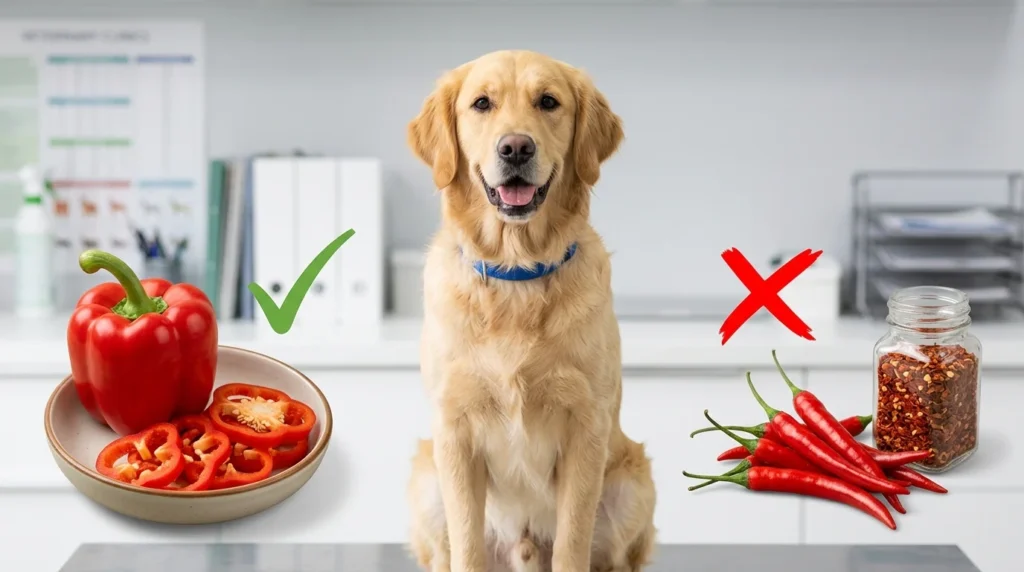
However, not every type of red pepper is safe for dogs in the same way. Red bell peppers are very different from hot red chili peppers. Spicy peppers can irritate a dog’s mouth and digestive system and may cause vomiting, diarrhea, or significant stomach discomfort.
Can Dogs Eat Red Peppers?
Dogs can generally eat red bell peppers in moderation. Ripe red bell peppers are naturally sweet, crunchy, and contain several vitamins and antioxidants, making them a suitable occasional snack for many healthy dogs.
Wash the pepper thoroughly, remove the stem and seeds, and cut the edible flesh into small pieces. Serve it plain without salt, spices, sauces, garlic, onion, or other ingredients that may be harmful to dogs.
Can Dogs Eat Red Bell Peppers?
Yes, red bell peppers are generally safe for dogs when given in appropriate portions. Unlike hot peppers, red bell peppers contain very little capsaicin, the compound responsible for the burning sensation associated with spicy peppers.
Red bell peppers can be served raw or cooked as long as they are plain and prepared appropriately. Introduce them gradually and watch for digestive upset, especially if your dog has a sensitive stomach.
Can Dogs Eat Raw Red Peppers?
Dogs can generally eat raw red bell pepper. The crunchy texture can make it an appealing low-calorie treat, and the pepper contains water, fiber, and various nutrients.
Wash the pepper before serving and remove the stem, seeds, and tough inner portions. Cut it into small, manageable pieces to reduce the risk of choking, particularly for small dogs and dogs that tend to swallow food quickly.
Can Dogs Eat Cooked Red Peppers?
Plain cooked red bell pepper can generally be given to dogs. Cooking may soften the pepper and make it easier for some dogs to chew and digest.
Avoid cooking the pepper with butter, oil, salt, garlic, onion, chili powder, or spicy sauces. Steamed or lightly cooked plain pepper is a better choice than seasoned peppers prepared for human meals.
Can Dogs Eat Red Pepper Skin?
The skin of a red bell pepper is generally safe for dogs to eat. However, some dogs may find the skin harder to digest, especially if the pepper is raw.
If your dog has a sensitive digestive system, you can remove the skin before serving. The more important preparation step is removing the stem and serving the pepper in small pieces.
Can Dogs Eat Red Pepper Seeds?
Red bell pepper seeds are not considered toxic to dogs, but it is generally better to remove them before serving. Seeds and the inner membranes can be harder to chew and digest.
Removing the seeds also makes the pepper easier to portion and prepare. Never confuse red bell pepper seeds with seeds from hot peppers, which may be accompanied by spicy compounds that can irritate a dog’s digestive tract.
Can Dogs Eat Red Pepper Stems?
Dogs should not be encouraged to eat red pepper stems. The stem is tough, fibrous, and difficult to chew and digest and can present a choking concern.
Remove the stem completely before giving your dog any red bell pepper. Discard it safely rather than allowing your dog to chew on the leftover pepper top.
Can Dogs Eat Red Chili Peppers?
Red chili peppers are different from red bell peppers and should not be intentionally fed to dogs. Chili peppers can contain capsaicin, which creates the hot or burning sensation and can irritate a dog’s mouth, stomach, and digestive tract.
After eating spicy peppers, a dog may drool, paw at its mouth, drink excessively, vomit, or develop diarrhea. Choose mild red bell pepper instead if you want to offer your dog a pepper as a treat.
Can Dogs Eat Red Hot Peppers?
Hot red peppers should not be given to dogs as treats. Their spicy compounds can cause significant irritation and digestive discomfort, even though the pepper itself may not be classified as a traditional poison.
If your dog accidentally eats a small amount of hot pepper, offer access to fresh water and monitor for signs of discomfort. Contact your veterinarian if symptoms are severe, persistent, or unusual.
Can Dogs Eat Red Pepper Flakes?
Red pepper flakes should not be added to your dog’s food. They are concentrated and can contain spicy compounds that irritate the mouth, stomach, and intestines.
Human foods seasoned with red pepper flakes may also contain garlic, onion, salt, or other ingredients that are unsafe for dogs. Keep your dog’s food plain and avoid spicy seasonings.
Can Dogs Eat Red Pepper Powder?
Red pepper powder can refer to several different products, including mild paprika or hot chili powder. Because the ingredients and heat levels vary, it is safer not to add red pepper powder to your dog’s food.
If a recipe contains hot pepper powder, chili powder, garlic, onion, or other strong seasonings, do not share the prepared food with your dog. Plain red bell pepper is a much safer alternative.
Can Dogs Eat Red Peppers Every Day?
Dogs do not need red peppers every day. While small portions of red bell pepper can be a healthy occasional treat, too much can contribute excess fiber and may cause gas, loose stools, or other digestive problems.
Keep treats and extra foods limited so they do not replace a complete and balanced diet. Rotate occasional treats rather than making one fruit or vegetable a major part of your dog’s meals.
How Much Red Pepper Can Dogs Eat?
The appropriate amount depends on your dog’s size, overall diet, activity level, and digestive tolerance. When introducing red bell pepper, start with a small piece and see how your dog responds.
As a general starting point, use small bite-sized pieces rather than large chunks. Treats and supplemental foods should remain a small part of the overall diet.
| Dog Size | Suggested Starting Portion |
|---|---|
| Small Dogs | 1–2 small pieces |
| Medium Dogs | 2–4 small pieces |
| Large Dogs | A small handful of pieces |
| Puppies | A tiny piece when appropriate |
Are Red Bell Peppers Good for Dogs?
Red bell peppers can provide several nutrients, including vitamin C, vitamin A-related carotenoids, vitamin E, water, and fiber. Their relatively low calorie content can also make them a useful occasional treat for some dogs.
However, dogs do not need red bell peppers to meet their nutritional requirements. A complete and balanced dog food should remain the foundation of the diet, with vegetables used only as optional extras.
Do Red Peppers Have Benefits for Dogs?
The nutrients in red bell peppers may contribute to normal body functions. Their water content can also add moisture, while their fiber can support normal digestion when consumed in appropriate amounts.
Red bell peppers should still be considered a treat rather than a supplement. Feeding large amounts does not provide extra health benefits and may instead lead to digestive upset or unnecessary changes to the dog’s diet.
Can Puppies Eat Red Bell Peppers?
Puppies can generally have a tiny amount of plain red bell pepper once they are eating solid food, but their primary nutrition should come from a complete and balanced puppy diet designed for growth.
Cut the pepper into very small pieces and introduce only a little at first. Avoid spicy red peppers and any seasoned preparations, especially for young puppies with sensitive digestive systems.
What Happens If a Dog Eats Too Much Red Pepper?
Too much red bell pepper may cause gas, loose stools, vomiting, or stomach discomfort because of its fiber and volume. Dogs with sensitive stomachs may react to smaller amounts.
If the pepper was actually a hot chili pepper, the spicy compounds can cause additional mouth and digestive irritation. Contact your veterinarian if your dog develops severe or persistent vomiting, diarrhea, weakness, or other concerning symptoms.
How to Safely Share Red Peppers With Your Dog
Choose a fresh, ripe red bell pepper and wash it thoroughly before preparing it. Remove the stem, seeds, and tough inner portions, then cut the pepper into small bite-sized pieces that are easy for your dog to chew.
Serve the pepper plain without salt, butter, garlic, onion, chili powder, sauces, or other seasonings. Start with a small amount the first time and monitor your dog for gas, diarrhea, vomiting, or other digestive changes.
Can Dogs Eat Red Peppers With Seeds?
Red bell pepper seeds are not considered poisonous to dogs, but removing them is recommended before serving. The seeds and inner membranes can be harder to chew and may be less comfortable for some dogs to digest.
Removing the seeds also makes preparation easier and allows you to give your dog only the soft edible flesh. Never assume that seeds from hot red peppers are equally suitable, because spicy peppers contain compounds that can irritate dogs.
See Also: Can Dogs Eat Raw Eggs or Fried Eggs? Full Safety Guide 2026
Can Dogs Eat Red Pepper With the Stem?

It is best not to let dogs eat red pepper stems. The stem is tough and fibrous and can be difficult to chew or digest. Large pieces may also present a choking concern.
Before serving red bell pepper, cut away the entire stem and discard it. Give your dog only the soft pepper flesh in small pieces appropriate for its size.
Can Dogs Eat Red Peppers in Salad?
Plain pieces of red bell pepper from a salad may be safe for dogs, but you should check all of the other ingredients before sharing the salad. Dressings and toppings can contain salt, garlic, onion, spices, or excessive fat.
If you want to share red pepper from your meal, set aside a few plain pieces before adding dressing or seasoning. This keeps the treat simple and reduces the risk from other ingredients.
Can Dogs Eat Red Peppers With Hummus?
Red bell pepper itself can generally be eaten by dogs, but hummus is not a good food to share. Many hummus recipes contain garlic, onion, salt, lemon juice, and significant amounts of oil.
Garlic and onion are particularly concerning for dogs. Give your dog plain red bell pepper instead of pepper dipped in hummus or other seasoned spreads.
Can Dogs Eat Red Peppers With Cheese?
Plain red bell pepper can be combined with a small amount of suitable cheese for some dogs, but this is not necessary. Cheese can be high in fat and calories, and some dogs have difficulty digesting dairy products.
If you offer both foods, keep the portions small and choose plain cheese without garlic, onion, spices, or other unsafe ingredients. Red bell pepper alone is a simpler treat.
Can Dogs Eat Red Peppers With Olive Oil?
A small amount of olive oil is not generally considered toxic to dogs, but adding oil to red pepper increases the calorie and fat content. Large amounts of added fat may cause digestive upset in some dogs.
There is no need to coat red bell pepper in oil before serving it. Plain raw or lightly cooked pepper is usually the simplest option.
Can Dogs Eat Roasted Red Peppers?
Plain roasted red bell peppers can generally be eaten by dogs in small amounts. Roasting softens the pepper and may make it easier for some dogs to chew.
The important issue is how the pepper was prepared. Avoid roasted peppers cooked with garlic, onion, chili, excessive oil, salt, or sauces. Plain roasted pepper is preferable.
Can Dogs Eat Red Peppers From a Jar?
Jarred roasted red peppers are not always suitable for dogs because they may contain large amounts of sodium, oil, vinegar, garlic, spices, or preservatives. Always check the ingredient label.
Fresh red bell pepper is generally a better choice. If using a jarred product, only consider a plain product with appropriate ingredients and give a small amount.
Can Dogs Eat Spicy Red Peppers?
No. Spicy red peppers should not be intentionally fed to dogs. Capsaicin and other spicy compounds can cause burning and irritation in the mouth and digestive tract.
A dog that eats spicy peppers may drool, paw at its mouth, drink more water, vomit, or develop diarrhea. Red bell pepper is a much better option when you want to offer a mild pepper.
See ALso: Can Dogs Eat Chia Seeds? Benefits, Risks & Safe Amounts
What Should You Do If Your Dog Eats a Hot Red Pepper?
If your dog accidentally eats a small amount of hot pepper, monitor for mouth irritation, excessive drooling, vomiting, diarrhea, or signs of abdominal discomfort. Make sure fresh water is available.
If your dog consumed a large amount or develops severe or persistent symptoms, contact your veterinarian. Do not give additional spicy foods or attempt home treatments without professional guidance.
Red Bell Pepper vs. Red Chili Pepper for Dogs
| Type | Generally Safe? | Main Concern |
|---|---|---|
| Red Bell Pepper | Yes, in moderation | Too much may cause digestive upset |
| Red Chili Pepper | Not recommended | Spicy compounds can irritate the mouth and stomach |
| Red Pepper Flakes | Not recommended | Concentrated spice and digestive irritation |
| Hot Pepper Powder | Not recommended | May contain concentrated spicy compounds |
What Are the Risks of Red Bell Peppers for Dogs?
Plain red bell pepper is generally low risk when served appropriately, but large portions can cause digestive problems. Dogs may experience gas, loose stools, vomiting, or stomach discomfort after eating too much.
Another concern is preparation. Red peppers covered in salt, butter, garlic, onion, spicy seasonings, or rich sauces may be much less suitable for dogs than plain pepper.
What Are the Benefits of Red Bell Peppers for Dogs?
Red bell peppers provide water, fiber, vitamin C, vitamin E, and carotenoid compounds. Their crunchy texture and relatively low calorie content can make them an appealing occasional snack for many dogs.
These nutrients do not make red peppers a replacement for balanced dog food. The best approach is to use small portions as an occasional treat while keeping your dog’s primary diet nutritionally complete.
Frequently Asked Questions
Can dogs eat red bell peppers?
Yes. Plain red bell peppers are generally safe for dogs in moderation. Remove the stem and preferably the seeds, then cut the pepper into small pieces.
Can dogs eat red chili peppers?
It is best to avoid red chili peppers. Their spicy compounds can irritate a dog’s mouth and digestive system and may cause vomiting or diarrhea.
Can puppies eat red bell peppers?
Puppies can generally have a tiny amount of plain red bell pepper once they eat solid food. Their main diet should remain complete and balanced puppy food.
Can dogs eat raw red peppers?
Yes. Raw red bell pepper can be an occasional treat when washed, prepared properly, and cut into small pieces.
How much red bell pepper can a dog eat?
Start with a few small pieces and adjust according to your dog’s size and tolerance. Red pepper should remain an occasional treat rather than a major part of the diet.
Conclusion
Dogs can generally eat red bell peppers in moderation. Plain red bell pepper provides water, fiber, and several useful nutrients and can be a healthy occasional treat for many dogs.
The key is preparation. Remove the stem, serve small pieces, and avoid salt, garlic, onion, sauces, and spicy seasonings. Most importantly, do not confuse mild red bell peppers with hot red chili peppers, which can cause significant mouth and digestive irritation.
See Also: Can Dogs Eat Vanilla Ice Cream? Safety, Risks & Tips


