
Can Dogs Eat Garlic? Vet Safety Guide For Owners Should Know
Many dog owners ask one simple question before sharing food from the kitchen: can dogs eat garlic? The safe answer is no. Garlic is not recommended for dogs because it can harm their red blood cells and may lead to garlic poisoning, especially when eaten in larger amounts or repeated small amounts over time.
Garlic is found in many common foods, including garlic bread, sauces, sausages, butter, seasoning powders, and salty snacks. This guide explains what happens if your dog eats garlic, which garlic-based foods are risky, what symptoms to watch for, and when to contact a vet.
Can Dogs Eat Garlic?
No, dogs should not eat garlic. Garlic may seem harmless because humans use it every day, but a dog’s body handles it differently. Garlic contains compounds that can damage red blood cells, which may reduce oxygen flow in the body and cause weakness, pale gums, tiredness, or more serious illness.
The risk depends on your dog’s size, health, breed, and how much garlic was eaten. A tiny lick may not always cause poisoning, but garlic is still not a safe treat. The best choice is to keep garlic and garlic-flavored foods away from your dog.
How Many Garlic Can Your Dog Eat?
There is no recommended safe amount of garlic for dogs. Some dogs may not show symptoms after a very small bite, while others may react more seriously. Small dogs, puppies, older dogs, and dogs with health problems may be at higher risk even from smaller amounts.
Use this table only as a general safety guide. It does not replace veterinary advice. If your dog ate garlic, especially garlic powder, cloves, sauce, or a large amount of garlic food, contact your vet or a pet poison helpline.
| Garlic Amount or Food | Risk Level | What It Means for Your Dog |
|---|---|---|
| One tiny lick of garlic food | Low but not safe | Watch closely and avoid giving more |
| Small bite of garlic bread | Mild to moderate | Risk increases if it contains butter, salt, or lots of garlic |
| One garlic clove | High | Contact a vet, especially for small dogs |
| Garlic powder or seasoning | High | More concentrated than fresh garlic |
| Garlic salt | High | Garlic plus too much sodium can be dangerous |
| Garlic sauce or garlic butter | Moderate to high | Fat, salt, and garlic make it risky |
| Repeated small amounts | High | Damage may build up over time |
| Any garlic in a puppy or tiny dog | Higher risk | Call a vet for advice |
Can Dogs Eat Garlic Bread?
No, dogs should not eat garlic bread. Garlic bread usually contains garlic, butter, oil, salt, and sometimes cheese or herbs. These ingredients can upset your dog’s stomach and may increase the risk of garlic toxicity, especially if your dog eats more than a small piece.
Even if your dog looks fine after eating garlic bread, symptoms may not appear right away. Watch for vomiting, diarrhea, tiredness, pale gums, fast breathing, or weakness. If your dog ate several pieces or is a small breed, call your vet for advice.
Can Dogs Eat Garlic Powder?
No, dogs should not eat garlic powder. Garlic powder can be more dangerous than fresh garlic because it is concentrated. A small sprinkle may contain more garlic than you realize, especially in seasoning blends, chips, meat rubs, soups, sauces, and packaged foods.
Many owners do not notice garlic powder on ingredient labels. Before giving any human food to your dog, check for garlic powder, onion powder, garlic seasoning, or “spices.” If your dog ate food with a lot of garlic powder, contact a vet quickly.
Also Read: Can Dogs Eat Green Beans? Benefits, Risks, Serving Size & Safety Guide
Can Dogs Eat Garlic Cloves?
No, dogs should not eat garlic cloves. A garlic clove is a direct source of garlic compounds that may harm your dog’s red blood cells. The danger is higher if your dog eats a whole clove, several cloves, cooked garlic, roasted garlic, or crushed garlic.
Raw, cooked, roasted, and dried garlic are all unsafe for dogs. Cooking does not remove the risk. If your dog swallowed a garlic clove, do not wait for symptoms. Call your veterinarian and explain your dog’s weight, the amount eaten, and when it happened.
Can Dogs Eat Garlic Salt?
No, dogs should not eat garlic salt. Garlic salt is risky because it contains both garlic and sodium. Garlic can affect red blood cells, while too much salt can cause thirst, vomiting, diarrhea, shaking, or more serious salt-related problems in some dogs.
Garlic salt is often used on fries, meat, popcorn, chips, and cooked leftovers. These foods may also contain fat, oil, and other unsafe seasonings. If your dog eats garlic salt, offer fresh water and contact your vet, especially if your dog ate a large amount.
Can Dogs Eat Garlic Sauce?
No, dogs should not eat garlic sauce. Garlic sauce can contain garlic paste, garlic powder, onion, salt, oil, butter, cream, spices, or preservatives. These ingredients may upset your dog’s stomach and increase the risk of toxicity.
Sauces are especially tricky because you may not know how much garlic is inside. A small lick may not always be an emergency, but a bowl, leftover container, or heavily coated food is more serious. Watch your dog closely and call a vet if symptoms appear.
Can Dogs Eat Garlic Sausage?
No, dogs should not eat garlic sausage. Sausage is already high in fat, salt, and spices, and many sausages contain garlic or onion powder. This combination can cause stomach upset and may also put your dog at risk of garlic poisoning.
Fatty sausage can also trigger digestive trouble in sensitive dogs. If your dog ate garlic sausage, note how much was eaten and check the ingredient label. Contact your vet if your dog is small, ate a large amount, or shows vomiting, diarrhea, weakness, or pale gums.
Also Read: Can Dogs Eat Green Beans? Benefits, Risks, Serving Size & Safety Guide
Can Dogs Eat Garlic Butter?
No, dogs should not eat garlic butter. Garlic butter contains garlic and a high amount of fat. The garlic is the main toxicity concern, while the butter can cause stomach upset, diarrhea, or discomfort, especially in dogs that are not used to rich foods.
Garlic butter is often found on bread, steak, seafood, pasta, and roasted vegetables. Even if the food looks plain, it may be covered in garlic butter. If your dog eats a lot of it, call your vet and monitor for digestive signs and unusual tiredness.
Can Dogs Eat Garlic Skin?
Dogs should not eat garlic skin. Garlic skin may seem like a harmless peel, but it can still carry garlic residue and may be hard to digest. It can also become a choking risk or cause stomach irritation, especially in small dogs.
If your dog only chewed a tiny piece of dry garlic skin, serious poisoning is less likely than eating a clove or powder. Still, it is better to prevent access. Keep garlic bulbs, skins, scraps, and trash sealed away from dogs.
Is a Small Amount of Garlic Always Dangerous?
A very small amount of garlic does not always cause obvious poisoning, especially in a large healthy dog. However, that does not make garlic safe. The problem is that the risk depends on the dog’s size, breed, health, amount eaten, and whether garlic exposure happens again.
Repeated small amounts can be more concerning than one tiny accidental lick. Some dogs may also be more sensitive than others. Because there is no clear safe serving size, dog owners should avoid garlic completely and ask a vet after any concerning exposure.
Is Garlic Toxic to Dogs?
Yes, garlic is toxic to dogs. It belongs to the Allium family, the same plant group as onions, leeks, and chives. These foods can damage red blood cells and may lead to anemia, which means the body does not carry oxygen as well as it should.
Garlic toxicity may not always show immediately. Some dogs first show stomach signs, while blood-related symptoms may appear later. This delay is why owners should not assume their dog is safe just because it looks normal right after eating garlic.
Also Read: Can Dogs Eat Kiwi? Benefits, Risks, Serving Size & Safety Guide
Why Is Garlic Bad for Dogs?
Garlic is bad for dogs because it can cause oxidative damage to red blood cells. When red blood cells are damaged, they may break down faster than the body can replace them. This can lead to anemia, weakness, pale gums, fast breathing, and serious illness.
Garlic is also commonly mixed with salt, butter, oil, spices, and onion powder. These extra ingredients can make the situation worse. A food that tastes normal to humans may be unsafe for dogs because their bodies process certain ingredients differently.
Symptoms of Garlic Poisoning in Dogs
Symptoms of garlic poisoning in dogs may include vomiting, diarrhea, drooling, stomach pain, loss of appetite, tiredness, weakness, pale gums, fast breathing, fast heart rate, dark-colored urine, yellow eyes or gums, and collapse in severe cases.
Symptoms may appear quickly if the stomach is irritated, but anemia-related signs can take longer. This delay makes garlic poisoning easy to miss. If your dog ate garlic and later seems unusually tired, weak, or pale, treat it seriously and contact a vet.
What Should You Do If Your Dog Eats Garlic?
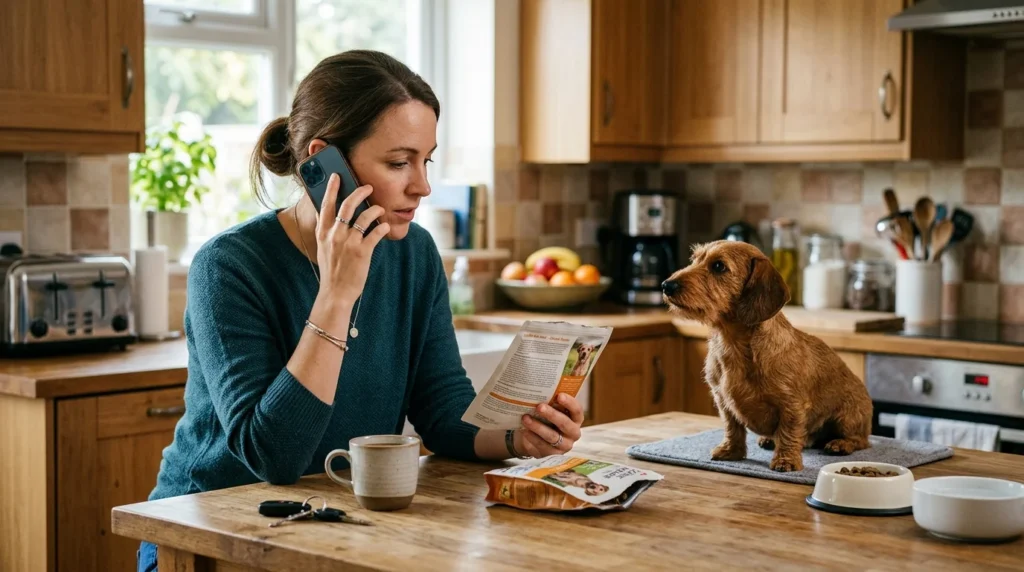
If your dog eats garlic, remove the food immediately and check how much was eaten. Look at the ingredient label if it was bread, sausage, sauce, butter, seasoning, or packaged food. Note your dog’s weight, age, breed, symptoms, and the time of eating.
Do not try home treatments or force vomiting unless a vet tells you to. Call your veterinarian or a pet poison helpline for proper advice. Fast action is important because early treatment may reduce risk before symptoms become serious.
Frequently Asked Questions
Can one bite of garlic hurt my dog?
One tiny bite may not always hurt a healthy large dog, but it is still not safe. The risk depends on your dog’s size, health, and the amount of garlic. Call your vet if the bite included garlic powder, garlic salt, or a whole clove.
Can dogs eat cooked garlic?
No, dogs should not eat cooked garlic. Cooking garlic does not make it safe. Roasted, fried, boiled, powdered, and raw garlic can still be harmful to dogs.
Can garlic kill a dog?
Garlic poisoning can become serious and may be life-threatening in severe cases, especially if a dog eats a large amount or does not receive treatment. Contact a vet quickly if your dog eats garlic.
How long after eating garlic will a dog get sick?
Some dogs may show stomach symptoms within hours, but anemia-related symptoms can appear later. Watch your dog for several days after garlic exposure and call your vet if anything seems unusual.
Is garlic powder worse than fresh garlic for dogs?
Garlic powder can be especially risky because it is concentrated and easy to underestimate. Many foods contain garlic powder in hidden amounts, so always check labels before sharing human food.
What foods commonly contain hidden garlic?
Garlic may be hidden in bread, pizza, pasta sauce, gravies, soups, sausages, meat marinades, chips, dips, seasoning mixes, and leftovers. Foods labeled with “spices” may also contain garlic or onion seasoning.
Should I make my dog vomit after eating garlic?
No, do not make your dog vomit unless your vet or poison control expert tells you to. Inducing vomiting the wrong way can be dangerous and may cause more harm.
Are some dogs more sensitive to garlic?
Yes, small dogs, puppies, older dogs, sick dogs, and some breeds may be more sensitive. Because sensitivity varies, the safest choice is to avoid garlic for all dogs.
Conclusion
So, can dogs eat garlic? No, garlic is not safe for dogs and should not be used as a treat, topping, seasoning, or home remedy. Garlic bread, garlic powder, garlic cloves, garlic salt, garlic sauce, garlic sausage, and garlic butter are all risky.
If your dog eats garlic, stay calm, remove the food, check the amount, and contact your vet for advice. For more simple pet food safety guides and dog care tips, visit Dogsbread before sharing human foods with your pet.
Also Read: Can Dogs Eat Sweet Potatoes? Benefits, Risks & Safe Feeding Guide


