
Can Dogs Eat Cheez-Its? Safety & Risks
Dogs can technically eat a small amount of Cheez-Its, but these crackers are not a healthy or recommended treat for dogs. Cheez-Its are made for people and contain ingredients such as refined flour, cheese, vegetable oils, and salt. Their high sodium content and processed nature make them much less suitable for dogs than simple, dog-friendly foods.
If your dog accidentally eats one or two Cheez-Its, it is usually not a reason to panic, especially if the dog is otherwise healthy. The bigger concern is when a dog eats a large quantity or receives Cheez-Its regularly. Too many can add unnecessary calories, salt, and fat to the diet and may cause digestive upset.
Are Cheez-Its Safe for Dogs?
Cheez-Its are not considered a toxic food for dogs in the same way as chocolate, grapes, raisins, onions, or xylitol. However, being non-toxic does not mean they are a good food choice. These crackers are highly processed and formulated for human taste rather than canine nutritional needs.
A single cracker contains only a small amount of each ingredient, so an occasional accidental bite is unlikely to cause serious problems in most healthy dogs. However, regularly feeding Cheez-Its can contribute unnecessary sodium, fat, and calories. Plain, dog-appropriate treats are a better choice.
Can Dogs Eat Cheez-It Crackers?
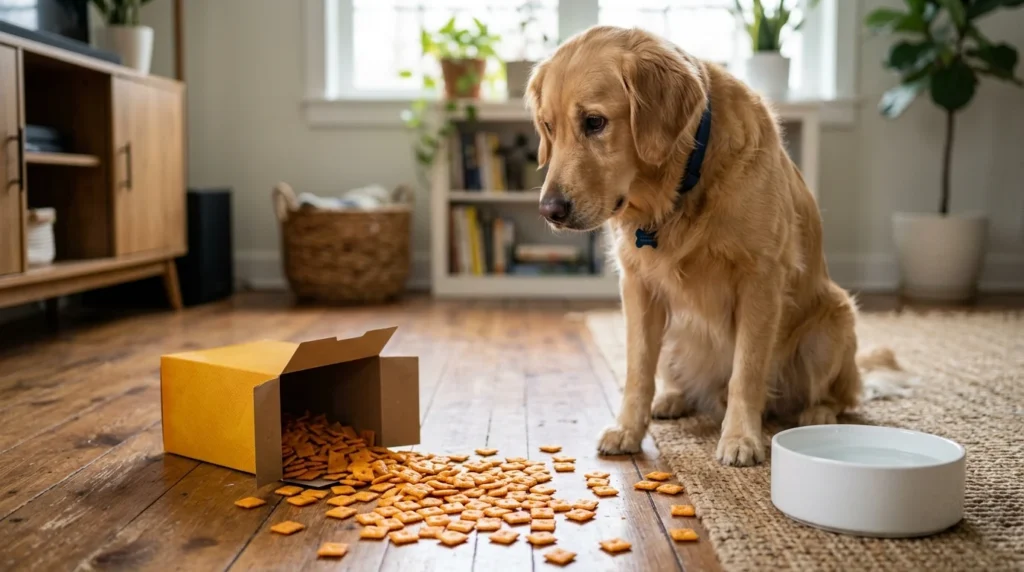
Dogs can physically eat Cheez-It crackers, and a small accidental amount will generally not cause poisoning. However, these crackers should not become a regular part of your dog’s diet. Their ingredients and nutritional profile make them better suited to humans than dogs.
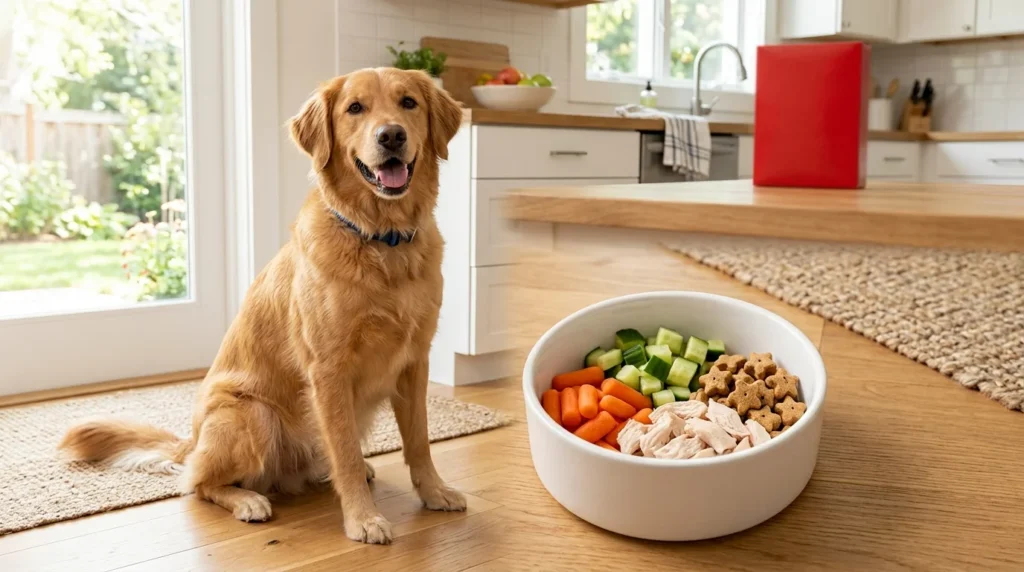
If your dog begs for a cracker, it is better to offer a small piece of a dog-safe food instead. Plain cooked chicken, carrot, cucumber, or an appropriate commercial dog treat can provide a more suitable option without the unnecessary salt and processed ingredients found in Cheez-Its.
Can Puppies Eat Cheez-Its?
Puppies should not be routinely given Cheez-Its. Growing puppies need carefully balanced nutrition to support healthy development, and processed salty snacks do not provide the nutrients they need for growth.
If a puppy accidentally eats a small piece, monitor them rather than assuming an emergency. However, avoid deliberately giving Cheez-Its as treats. Puppies can become accustomed to human snacks quickly, so introducing healthy, puppy-appropriate treats from the beginning is a better habit.
Can Small Dogs Eat Cheez-Its?
Small dogs can technically eat a tiny amount of Cheez-Its, but portion size matters more for them because a few crackers can represent a larger amount of their daily calorie and sodium intake. Small breeds may also be more likely to experience digestive upset after eating unfamiliar processed foods.
If your small dog accidentally eats one cracker, simply monitor them and provide access to fresh water. Avoid giving additional salty treats. If the dog eats a large quantity, especially in a short period, contact your veterinarian for advice based on the amount consumed and the dog’s size.
Can Large Dogs Eat Cheez-Its?
A large dog may tolerate a small amount of Cheez-Its without noticeable problems, but size does not make these crackers a healthy treat. Larger dogs can still consume excessive salt, fat, and calories if they are given too many crackers.
If your dog enjoys crunchy treats, choose a snack made specifically for dogs or use a small portion of plain vegetables such as carrots or cucumber. These options can provide a crunchy texture without relying on a salty processed snack.
Can Dogs Eat Cheez-Its Every Day?
Cheez-Its should not be given to dogs every day. Regularly feeding processed human snacks can increase the amount of sodium, fat, and calories your dog consumes without providing the balanced nutrition they need.
Even if your dog appears to tolerate Cheez-Its without immediate symptoms, frequent feeding is still unnecessary. Treats should fit into an overall balanced diet, and dog-specific treats are generally easier to portion according to canine nutritional needs.
Are Cheez-Its Bad for Dogs?
Cheez-Its can be considered an unhealthy snack for dogs rather than a highly toxic food. The main issue is their nutritional profile. They contain salt, fat, refined carbohydrates, and processed ingredients that dogs do not need in large amounts.
Eating one occasionally is very different from eating several crackers every day. The potential problems become more relevant as the quantity increases. Dogs that already have dietary restrictions or certain health conditions may need to avoid salty or fatty snacks altogether.
Can Dogs Eat Original Cheez-Its?
Original Cheez-Its are not toxic to dogs, but they are still not an ideal treat. The crackers contain cheese flavoring and salt, along with other processed ingredients. A tiny accidental amount is generally less concerning than feeding them as a regular snack.
If your dog has eaten one or two Original Cheez-Its, provide normal access to water and observe them. There is usually no need to give special treatment for such a small amount unless your dog develops unusual symptoms or has a condition that requires a restricted diet.
Can Dogs Eat Cheez-It White Cheddar?
White Cheddar Cheez-Its are also designed as human snack crackers rather than dog treats. Although the flavor differs from Original Cheez-Its, the same general concerns apply: they can contain significant amounts of sodium and processed ingredients.
A small accidental amount is unlikely to cause toxicity in a healthy dog, but feeding White Cheddar Cheez-Its regularly is not recommended. If your dog likes cheese, a veterinarian-approved dog treat may be a better way to provide that flavor without relying on salty crackers.
Can Dogs Eat Cheez-It Snap’d?
Cheez-It Snap’d products are also processed human snacks and should not be used as regular dog treats. Different varieties may have different seasonings and ingredient combinations, so the exact nutritional profile can vary.
If your dog eats a small amount accidentally, check the product label and monitor them. If a large amount was consumed or the product contains an ingredient you are concerned about, contact your veterinarian rather than guessing about the potential risk.
Can Dogs Eat Cheez-It Grooves?
Cheez-It Grooves are another type of processed cheese cracker that is better kept away from dogs as a routine snack. Their shape and texture do not provide any special nutritional advantage for dogs, while their salt and processed ingredients can add unnecessary dietary load.
A single accidental cracker is generally much less concerning than a whole serving or an entire box. Keep the remaining crackers out of your dog’s reach and offer fresh water as normal.
Can Dogs Eat Cheez-Its With Cheese?
Cheez-Its already contain cheese ingredients, and adding extra cheese makes the snack even richer. Many dogs can tolerate small amounts of plain cheese, but cheese can be high in fat and some dogs have difficulty digesting dairy products.
Combining salty crackers with additional cheese is therefore unnecessary. If you want to give your dog a cheese-flavored treat, choose a small amount of plain, dog-appropriate cheese only if your dog tolerates dairy and your veterinarian has not advised against it.
Can Dogs Eat Cheez-Its With Peanut Butter?
Cheez-Its with peanut butter are not a good combination to offer dogs. Both foods can add significant calories, and some peanut butter products contain ingredients that are unsafe for dogs, including xylitol.
If you give your dog peanut butter, choose a dog-safe product with no xylitol and offer only a small amount. There is no need to combine it with salty crackers. A simple dog treat or a small amount of plain peanut butter on a suitable dog-safe food is a better option.
How Many Cheez-Its Can a Dog Eat?
There is no recommended daily serving of Cheez-Its for dogs because these crackers are not nutritionally necessary. If a healthy dog accidentally eats one or two crackers, the small amount is generally unlikely to cause a serious problem. The concern increases when a dog eats a large portion or consumes them frequently.
Portion size also depends on the dog’s size, diet, and overall health. A few crackers may represent a much larger amount of sodium and calories for a small dog than for a large dog. If your dog has eaten a significant amount, especially if they are small or have dietary restrictions, contact your veterinarian for individualized advice.
See Also: Can Dogs Eat Cucumber Skin? Safety & Feeding Guide
Can Cheez-Its Cause Diarrhea in Dogs?
Yes, Cheez-Its can cause diarrhea or loose stool in some dogs, particularly if they eat a large quantity. The crackers contain fat, salt, refined ingredients, and other processed components that may upset a dog’s digestive system when consumed in excess.
If your dog develops mild diarrhea after eating a few crackers, stop offering human snacks and monitor them while providing access to fresh water. Persistent diarrhea, repeated vomiting, blood in the stool, weakness, or other concerning symptoms should be discussed with a veterinarian.
Can Cheez-Its Make Dogs Thirsty?
Cheez-Its can make a dog thirstier because they contain salt. After eating salty human snacks, some dogs may drink more water than usual. A small increase in thirst after a few crackers is generally not surprising.
Make sure your dog has access to fresh, clean drinking water. Do not intentionally give salty snacks to make your dog drink more. If your dog consumes a large amount of salty food and develops excessive thirst, vomiting, weakness, tremors, or other unusual symptoms, contact a veterinarian promptly.
Can Dogs Eat Cheez-Its With Garlic?
It is important to check the ingredient list of flavored Cheez-It products before allowing your dog to eat them. Garlic is unsafe for dogs, and products containing garlic powder or concentrated garlic ingredients should not be intentionally fed to dogs.
If your dog accidentally eats a small amount of a product containing garlic, do not assume that serious poisoning will occur, but do take the amount and your dog’s size into account. If a large quantity was consumed or you are unsure how much garlic was present, contact your veterinarian or an animal poison service for guidance.
Can Dogs Eat Cheez-Its With Onion?
Dogs should not intentionally eat foods containing onion. Onion and concentrated onion powder can be harmful to dogs, and some flavored human snacks may contain these ingredients. Always check the label of flavored crackers before sharing them.
If your dog eats a small accidental amount, contact your veterinarian if the product contains onion and you are concerned about the quantity. A large ingestion deserves prompt professional advice because the risk depends on the amount consumed and the dog’s size.
Can Dogs Eat Cheez-Its With Spicy Seasoning?
Spicy Cheez-It varieties are not a good choice for dogs. Spices and flavorings can irritate a dog’s digestive system, while additional salt and fat can make the snack even less appropriate.
If your dog accidentally eats a small piece, monitor them for vomiting, diarrhea, excessive thirst, or stomach discomfort. Avoid giving additional seasoned foods and keep fresh water available.
Can Dogs Eat Cheez-Its With Bacon?
Cheez-Its or cheese crackers containing bacon flavoring are not recommended as regular dog treats. Bacon and bacon-flavored foods can add fat and salt, and processed snack products may contain additional seasonings that dogs do not need.
A small accidental bite is usually less concerning than eating a large amount. If your dog consumes a large quantity of a bacon-flavored snack, particularly if they have a history of digestive or dietary problems, contact your veterinarian.
Can Dogs Eat Cheez-Its as a Training Treat?
Cheez-Its are not the best choice for dog training. Training often requires multiple small rewards, and repeatedly giving salty processed crackers can add unnecessary sodium, fat, and calories throughout the day.
Instead, use small dog treats specifically designed for training or tiny pieces of appropriate plain foods. Training rewards should be small enough that your dog can eat several without receiving a significant amount of unnecessary calories.
Can Dogs Eat Cheez-Its as a Meal Replacement?
No. Cheez-Its should never replace a dog’s regular meal. They are human snack crackers and do not provide the complete and balanced nutrition a dog needs for daily health.
If your dog refuses their normal food but wants human snacks, avoid replacing the meal with crackers. A sudden change in appetite can sometimes indicate an underlying issue. If your dog repeatedly refuses normal food or develops other symptoms, contact your veterinarian.
What Happens If a Dog Eats a Whole Box of Cheez-Its?
Eating a whole box is much more concerning than eating one or two crackers. A large quantity can provide a substantial amount of salt, fat, and calories and may lead to digestive upset. The risk also depends on the dog’s size and the specific product consumed.
Do not try to make your dog vomit unless a veterinarian specifically instructs you to do so. Check the package to determine exactly what product and ingredients were consumed, estimate how much is missing, and contact your veterinarian for advice if a large quantity was eaten.
See Also: Top 10 Human Foods Dogs Can Eat Safely
What Should I Do If My Dog Ate Cheez-Its?
If your dog ate one or two plain Cheez-Its, you can generally monitor them at home and make sure fresh water is available. Avoid giving more salty snacks and return to the dog’s normal diet.
If your dog ate a large amount, a flavored variety, or a product containing potentially harmful ingredients, contact your veterinarian. Have the package available so you can provide the exact product name, ingredient list, and approximate amount consumed.
Cheez-Its vs. Dog-Safe Treats
| Feature | Cheez-Its | Dog-Safe Treat |
|---|---|---|
| Made for dogs | No | Yes |
| Salt content | Can be relatively high for a dog | Formulated with dogs in mind |
| Daily nutrition | Not complete or balanced | Designed as an occasional canine treat |
| Best use | Human snack | Training or occasional reward |
| Regular feeding | Not recommended | Use according to feeding guidance |
Healthier Alternatives to Cheez-Its for Dogs
If your dog likes crunchy treats, there are many simpler alternatives. Small pieces of carrot, cucumber, or an appropriate dog biscuit can provide a crunchy texture without relying on a salty human snack. Small pieces of plain cooked chicken can also work well as a high-value occasional reward.
For dogs that enjoy cheese flavors, ask your veterinarian whether a small amount of plain cheese is appropriate for your dog. Another option is a commercially prepared dog treat made specifically for canine nutrition. Whatever you choose, keep portions small and account for treats within your dog’s overall diet.
Are Cheez-Its Safe for Dogs With Sensitive Stomachs?
Cheez-Its may be more likely to cause digestive upset in dogs with sensitive stomachs because they are processed, salty, and relatively rich compared with simple dog-friendly foods. A dog that already reacts to dietary changes may develop gas, loose stool, or vomiting after eating them.
If your dog has a sensitive digestive system, it is better to avoid experimenting with salty human snacks. Stick with foods and treats that your veterinarian has recommended and that your dog has already shown they can tolerate.
Are Cheez-Its Safe for Dogs With Health Conditions?
Dogs with certain health conditions may need stricter control over sodium, fat, calories, or other nutrients. For these dogs, even foods that are generally tolerated by healthy dogs may not be appropriate.
If your dog has a medical condition or is following a veterinarian-prescribed diet, do not add Cheez-Its without asking your veterinarian first. The safest treats are those that fit the dog’s individual nutritional plan.
Frequently Asked Questions
Can dogs eat Cheez-Its?
Dogs can eat a very small amount of plain Cheez-Its without the crackers being considered toxic, but they are not a healthy or recommended dog treat. Regular feeding can add unnecessary salt, fat, and calories.
What happens if my dog eats one Cheez-It?
One Cheez-It is unlikely to cause a serious problem in most healthy dogs. Give your dog access to fresh water and continue monitoring them normally. Avoid giving additional salty snacks.
Can puppies eat Cheez-Its?
Puppies should not be routinely given Cheez-Its. They need balanced nutrition for growth, and processed salty crackers do not provide the nutrients required for a growing puppy.
Can Cheez-Its make dogs sick?
Eating too many Cheez-Its can cause digestive upset such as diarrhea, vomiting, gas, or increased thirst. A large amount may be more concerning because of the salt and fat content.
What should I do if my dog eats a whole box of Cheez-Its?
Contact your veterinarian for advice, especially if your dog is small or the crackers were flavored. Keep the package so you can provide the exact product and ingredient information. Do not induce vomiting unless a veterinarian instructs you to.
Conclusion
Cheez-Its are not a toxic food in the same category as chocolate, grapes, raisins, onion, garlic, or xylitol, but they are still not a healthy choice for dogs. A small accidental amount is generally unlikely to cause serious problems in a healthy dog, while larger amounts can contribute excessive salt, fat, calories, and digestive upset.
The best approach is to keep Cheez-Its as a human snack and choose dog-specific treats or simple foods such as plain cooked chicken, carrots, or cucumber for your dog. If your dog eats a large quantity, flavored crackers, or a product containing potentially harmful ingredients, contact your veterinarian and provide the product label for accurate guidance.


