

Can Dogs Eat Grass? Safety, Reasons & Potential Risks
Yes, dogs can eat small amounts of grass, and many dogs occasionally do so. Eating grass is a common behavior that does not necessarily mean your dog is sick. Some dogs simply enjoy chewing grass, while others may do it out of boredom, curiosity, or because they like the texture and taste.
Although plain, untreated grass is generally not considered toxic to dogs, there are important risks to consider. Grass treated with herbicides, pesticides, fertilizers, or other chemicals can be harmful. Dogs can also pick up parasites or accidentally swallow foreign objects while eating grass.
Can Dogs Eat Grass?
Dogs can generally eat small amounts of untreated grass. Occasional grass eating is common, and many healthy dogs do it without developing any problems. It can simply be a normal behavioral habit rather than a sign of a nutritional deficiency.
However, the safety of grass depends heavily on where it grows. Avoid allowing your dog to eat grass from areas treated with chemicals or places where other animals may have contaminated the ground.
Why Do Dogs Eat Grass?
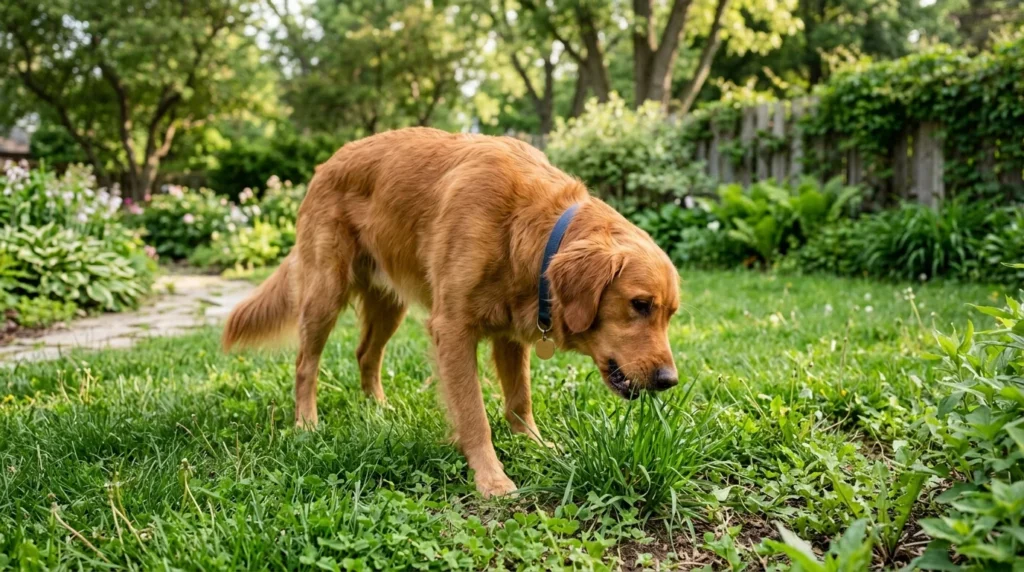
Dogs may eat grass for several different reasons. Some dogs simply like the taste or texture, while others may chew grass because they are curious or bored. Grass eating can also become a habitual behavior that has no obvious underlying cause.
Some people believe dogs eat grass to make themselves vomit, but this does not happen consistently. Many dogs eat grass without vomiting afterward. If grass eating becomes excessive or is accompanied by illness, a veterinary evaluation can help identify possible causes.
Is It Normal for Dogs to Eat Grass?
Occasional grass eating can be completely normal. Dogs explore their environment with their mouths, and chewing plants can be part of normal exploratory behavior. A dog that eats a few blades of grass and otherwise acts normally may not have a problem.
Still, frequent or sudden changes in grass-eating behavior deserve attention. If your dog begins eating large amounts of grass along with vomiting, diarrhea, loss of appetite, lethargy, or abdominal discomfort, contact your veterinarian.
Is Grass Safe for Dogs?
Plain, untreated grass is generally safe for dogs to nibble in small amounts. The main concern is not necessarily the grass itself but what may be present on or around it. Chemical treatments and contamination can turn an otherwise harmless plant into a potential hazard.
Before allowing your dog to graze, consider whether the area has been treated with lawn chemicals. It is also safer to avoid grass in places heavily used by unfamiliar dogs or other animals.
Can Dogs Eat Fresh Grass?
Fresh, untreated grass can generally be eaten by dogs in small quantities. Some dogs enjoy fresh grass as a natural part of exploring outdoor environments, especially during walks or time spent in the yard.
Make sure the grass has not recently been treated with pesticides, herbicides, fertilizers, or other lawn products. Supervise your dog and prevent them from eating large amounts at once.
Can Dogs Eat Lawn Grass?
Dogs can eat lawn grass if it is untreated and free from potentially harmful chemicals. However, lawns can sometimes contain fertilizers, weed killers, pesticides, or other substances that are not safe for dogs to ingest.
If you use lawn treatments, follow the product’s safety instructions and keep your dog away from treated areas for the recommended period. When in doubt, do not allow your dog to graze there.
Can Dogs Eat Grass With Pesticides?
No. Dogs should not intentionally eat grass that has been treated with pesticides. Pesticides can contain chemicals that may cause poisoning when ingested, depending on the product and amount involved.
If you suspect your dog has eaten pesticide-treated grass, remove them from the area and contact your veterinarian. Keep the product container or label available because the ingredients can help determine the appropriate response.
Can Dogs Eat Grass With Fertilizer?
Dogs should not be allowed to eat grass that has recently been treated with fertilizer. Some fertilizers can cause gastrointestinal irritation, while certain products may contain additional ingredients that pose more serious risks.
Keep your dog away from treated lawns according to the product instructions. If your dog consumes fertilizer or grass contaminated with fertilizer and develops vomiting, diarrhea, drooling, weakness, or other concerning symptoms, seek veterinary advice.
Can Dogs Eat Grass With Herbicide?
Dogs should not eat grass treated with herbicides. Weed-control products can contain chemicals that may be harmful when swallowed. The level of risk depends on the specific product, concentration, and amount consumed.
If your dog has eaten treated grass, prevent further exposure and contact a veterinarian for advice. Having the herbicide label or product name available can help determine whether further treatment is necessary.
Can Dogs Eat Grass From the Garden?
Grass from your own garden can generally be eaten if it has not been treated with potentially harmful chemicals. However, gardens may contain fertilizers, weed killers, pesticides, or other substances that dogs should not ingest.
Check the area carefully before allowing your dog to graze. Also make sure there are no toxic ornamental plants, sharp objects, compost, or other hazards nearby.
Can Puppies Eat Grass?
Puppies may chew or eat grass while exploring their environment. Small amounts of untreated grass are generally not considered toxic, but puppies can be more curious and may swallow other things along with the grass.
Supervise puppies outdoors and prevent them from eating grass treated with chemicals. It is also important to discourage them from chewing unknown plants, because some plants can be poisonous to dogs.
Can Dogs Eat Grass Every Day?
A dog may eat small amounts of grass regularly without developing a problem, but daily or excessive grass eating should be monitored. A sudden increase in grazing can sometimes indicate boredom, habit, dietary changes, or an underlying health issue.
If your dog eats grass every day but remains healthy, energetic, and has normal digestion, it may simply be a behavioral preference. However, frequent grazing accompanied by vomiting, diarrhea, weight loss, or appetite changes warrants veterinary attention.
Can Dogs Eat Grass and Vomit?
Some dogs vomit after eating grass, but grass does not reliably cause dogs to vomit. Many dogs eat grass and do not vomit at all. Therefore, vomiting after grass eating should not automatically be considered normal.
If your dog vomits once and quickly returns to normal, monitor them closely. Repeated vomiting, blood in vomit, severe abdominal pain, weakness, or refusal to eat should be evaluated by a veterinarian.
Does Eating Grass Mean a Dog Is Sick?
Not necessarily. Grass eating is common among dogs that are otherwise completely healthy. A dog may chew grass simply because it enjoys doing so or because the behavior is part of its normal outdoor routine.
However, grass eating combined with other symptoms can be more concerning. Watch for vomiting, diarrhea, excessive drooling, loss of appetite, lethargy, changes in stool, or signs of abdominal discomfort.
Do Dogs Eat Grass Because They Have an Upset Stomach?
Dogs sometimes eat grass when they have digestive discomfort, but this does not mean grass is always the cause or treatment of an upset stomach. Some dogs eat grass regularly without having any digestive illness.
If your dog repeatedly eats grass and then shows signs of nausea, vomiting, diarrhea, or abdominal discomfort, it is better to investigate the underlying problem rather than assuming the grass will fix it.
Can Dogs Eat Grass to Make Themselves Vomit?
It is a common belief that dogs deliberately eat grass to make themselves vomit, but the behavior is not that simple. Many dogs eat grass without vomiting, and research does not support the idea that every grass-eating dog is trying to cleanse its stomach.
Because grass eating can have several explanations, focus on your dog’s overall health and behavior. Persistent vomiting or digestive problems should be discussed with a veterinarian rather than treated by encouraging grass consumption.
Can Dogs Eat Grass From a Park?
It is safer to prevent dogs from eating grass in public parks unless you know the area is untreated and safe. Parks may be exposed to lawn chemicals, animal waste, pesticides, or other contaminants.
Dogs can also encounter feces from other animals, which may contain parasites or infectious organisms. Supervising your dog and redirecting them from unknown grass can reduce these risks.
Can Dogs Eat Grass From the Side of the Road?
It is best to prevent dogs from eating roadside grass. Grass near roads can be contaminated with vehicle fluids, pollutants, pesticides, trash, animal waste, or other substances that may be harmful.
There may also be sharp objects or discarded food hidden in the grass. Choose cleaner areas for outdoor walks and discourage your dog from grazing near busy roads.
Can Dogs Eat Grass After Rain?
Dogs can generally eat untreated grass after rain, but wet grass may carry contaminants from soil, animal waste, lawn treatments, or runoff. Rain can also move chemicals from other areas onto grass.
If the lawn is untreated and clean, occasional nibbling is usually not a major concern. Still, supervise your dog and avoid areas where chemicals or animal contamination may be present.
Can Dogs Eat Long Grass?
Long grass is not necessarily toxic, but tall grass can make it more difficult to see what your dog is actually swallowing. Long blades may also be harder to chew and could potentially irritate the digestive tract if eaten in large quantities.
Keep your dog’s grazing limited and supervise them outdoors. Regularly maintained, untreated grass is generally easier to monitor than overgrown areas where foreign objects, parasites, or toxic plants may be hidden.
How Much Grass Can Dogs Eat?
There is no universal safe quantity of grass for every dog. A few blades or a small amount of occasional grazing is generally less concerning than repeatedly consuming large mouthfuls.
Do not encourage your dog to eat large quantities of grass. If your dog is constantly grazing, eating grass aggressively, or developing digestive symptoms afterward, speak with a veterinarian to determine whether something else is going on.
What Are the Risks of Dogs Eating Grass?
The main risks include exposure to pesticides, herbicides, fertilizers, parasites, animal feces, and other contaminants. Dogs may also swallow foreign objects hidden in grass, such as sticks, stones, plastic, or pieces of trash.
Eating large quantities of grass may cause digestive upset, and very long or tough grass can be difficult to digest. Preventing access to contaminated areas is one of the easiest ways to reduce these risks.
How to Safely Let Your Dog Eat Grass
If your dog enjoys chewing grass, choose a clean area where you know no pesticides, herbicides, fertilizers, or other lawn chemicals have been used. Supervise your dog while outside and prevent them from eating large amounts at once.
It is also important to keep your dog away from areas contaminated with animal feces or garbage. If your dog repeatedly grazes, redirect them with a toy, walk, or other safe activity instead of allowing uncontrolled grazing.
Can Dogs Eat Grass in Their Own Yard?
Dogs can generally eat small amounts of grass in their own yard if the lawn is untreated and free from harmful chemicals. A familiar yard can make it easier for you to know whether pesticides or fertilizers have been used.
Even in your own yard, check for toxic plants, mushrooms, animal waste, sharp objects, and other hazards. Keep grass maintained and supervise your dog when they are outside.
Can Dogs Eat Grass That Has Been Mowed?
Freshly mowed grass is not necessarily toxic, but dogs should not be encouraged to consume large amounts of grass clippings. Grass clippings can be difficult to digest and may cause gastrointestinal upset when eaten in quantity.
Keep your dog away from piles of freshly cut grass and dispose of clippings safely. If your dog eats a small amount, monitor them for vomiting, diarrhea, bloating, or unusual behavior.
Can Dogs Eat Grass Clippings?
It is best to prevent dogs from eating large amounts of grass clippings. Clippings can form dense masses in the stomach or digestive tract and may cause digestive discomfort.
The risk can be greater if the grass has been treated with chemicals. Keep clippings away from your dog and make sure lawn-care products are used according to their safety instructions.
Can Dogs Eat Wheatgrass?
Wheatgrass is generally not considered toxic to dogs and small amounts may be tolerated. However, it should not be treated as a necessary supplement or cure for digestive problems.
If you grow wheatgrass specifically for your dog, make sure it is free from pesticides, fertilizers, mold, and other contaminants. Introduce it in a small amount and monitor your dog’s response.
Can Dogs Eat Cat Grass?
Cat grass, which commonly consists of grasses such as wheat, oat, barley, or rye grass, is generally not considered toxic to dogs. A dog may occasionally nibble it without developing problems.
However, make sure the plant has not been treated with pesticides or other chemicals. Also prevent your dog from consuming large amounts because excessive plant material can cause digestive upset.
Can Dogs Eat Grass Seed?
Dogs should not intentionally eat large quantities of grass seed. Seeds can be difficult to digest, and some grass seed products may be treated with chemicals or mixed with fertilizers.
If your dog consumes a small amount of ordinary untreated seed, monitor them closely. If the product contains fertilizer, pesticide, or another chemical, contact your veterinarian for guidance.
Can Dogs Eat Grass With Dew?
Small amounts of clean grass with natural morning dew are generally not a major concern for healthy dogs. The greater issue is whether the grass itself has been exposed to chemicals, animal waste, or contaminants.
Avoid allowing your dog to graze on grass treated with lawn products, even if it is wet with dew. Supervision is especially important in public areas where you do not know what has been applied to the grass.
Can Dogs Eat Grass From a Farm?
Grass from a farm may be safe if it is untreated and free from toxic plants, pesticides, fertilizers, animal waste, and other contaminants. However, farms can contain chemicals and substances that are not obvious to a pet owner.
Do not allow your dog to graze where agricultural chemicals have recently been applied. If you are unsure about the safety of the area, prevent grazing and keep your dog on a leash.
Can Dogs Eat Grass From a Field?
Fields can contain untreated grass, but they may also be exposed to pesticides, herbicides, fertilizers, animal waste, parasites, and wild plants. For that reason, dogs should not be allowed to graze freely in unknown fields.
If your dog enjoys eating grass, choose an area where you know the grass is untreated and safe. Supervise your dog and redirect them if they begin eating large amounts.
See Also: Can Dogs Eat Celery for Weight Loss? Benefits & Portion Guide 2026
Can Dogs Eat Grass From a Dog Park?
It is best to discourage dogs from eating large amounts of grass at dog parks. Many dogs use the same areas for bathroom activities, which increases the possibility of exposure to feces, parasites, or other contaminants.
Grass at public parks may also be treated with lawn chemicals. Keep an eye on your dog and redirect excessive grazing toward safer activities such as walking or playing.
Can Dogs Eat Grass With Dog Poop on It?
Dogs should not eat grass contaminated with dog feces. Animal waste can contain parasites, bacteria, and other organisms that may cause illness when swallowed.
Prevent your dog from grazing in areas where feces are present and keep your own yard cleaned regularly. If your dog consumes contaminated grass and later develops vomiting, diarrhea, weakness, or other symptoms, contact your veterinarian.
Can Dogs Eat Grass With Mushrooms Growing Nearby?
It is safest to prevent your dog from eating grass in areas where unknown mushrooms are growing. Some wild mushrooms are highly toxic, and dogs may accidentally swallow a mushroom while grazing.
Remove mushrooms from areas accessible to your dog when appropriate and keep your pet away from unknown fungi. If you suspect your dog has eaten a wild mushroom, seek veterinary help immediately.
Can Dogs Eat Grass When They Have an Upset Stomach?
Dogs sometimes eat grass when they feel nauseous or have stomach discomfort, but grass should not be considered a treatment for an upset stomach. Eating grass does not reliably make dogs vomit or resolve digestive problems.
If your dog has repeated vomiting, diarrhea, abdominal pain, loss of appetite, or lethargy, contact a veterinarian. The underlying cause may require proper diagnosis and treatment.
Can Dogs Eat Grass If They Vomit Afterward?
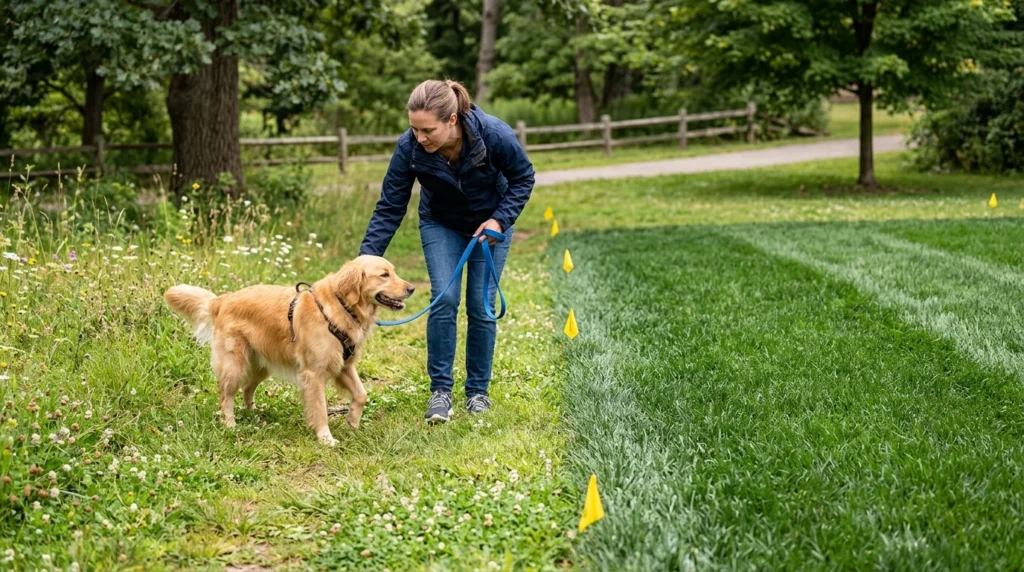
A dog may vomit after eating grass, but repeated vomiting should not be dismissed as a normal effect of grass. Grass may simply have been consumed around the same time that another stomach problem occurred.
Monitor your dog after a single mild episode if they quickly return to normal. Repeated vomiting, blood, weakness, severe pain, or inability to keep water down requires prompt veterinary attention.
Can Dogs Eat Grass If They Have Diarrhea?
It is better to discourage excessive grass eating when your dog already has diarrhea. Additional plant material may further irritate the digestive system in some dogs.
Make sure fresh water is available and monitor your dog closely. Persistent diarrhea, blood in the stool, dehydration, vomiting, or significant lethargy should be discussed with a veterinarian.
Can Dogs Eat Grass If They Are Vomiting?
A vomiting dog should not be encouraged to eat grass. Although grass eating is sometimes associated with vomiting, there is no reliable evidence that allowing a dog to eat grass will solve the underlying problem.
If vomiting happens repeatedly or your dog appears weak, painful, bloated, or unable to keep water down, seek veterinary advice promptly. Puppies and dogs with existing health problems may require particular attention.
Does Grass Help Dogs Digest Food?
Grass contains plant fiber, but there is no need for healthy dogs to eat grass to digest their normal food. Dogs receive the nutrients and dietary components they need from a complete and balanced diet.
Occasional grass chewing is usually not a problem, but excessive grazing should not be encouraged as a digestive aid. If your dog has recurring digestive problems, investigate the cause with a veterinarian.
See Also: Can Dogs Eat Cantaloupe? Rind, Seeds & Safe Serving Guide 2026
Does Grass Give Dogs Nutrients?
Grass contains plant material and small amounts of nutrients, but dogs should not rely on grass as a nutritional source. Their nutritional requirements are best met through a complete and balanced diet appropriate for their life stage.
Occasional grass eating may simply be behavioral. If your dog suddenly starts consuming large quantities, consider whether there have been changes in their diet, environment, routine, or health.
How Can You Stop Your Dog From Eating Grass?
Supervision is one of the simplest ways to control grass eating. When your dog approaches grass, redirect their attention with a toy, training cue, treat, or activity. Reward them for choosing an alternative behavior.
Keep your yard free from toxic plants and lawn chemicals, and consider using a leash in areas where you cannot control what your dog eats. If excessive grass eating is new or persistent, discuss it with your veterinarian.
When Should You Worry About Your Dog Eating Grass?
Occasional grass eating without other symptoms is usually less concerning. You should pay closer attention if your dog suddenly begins eating unusually large amounts or spends a significant amount of time grazing.
Contact a veterinarian if grass eating occurs alongside repeated vomiting, diarrhea, abdominal pain, loss of appetite, weight loss, lethargy, excessive drooling, difficulty swallowing, or changes in normal behavior.
What Should You Do If Your Dog Eats Treated Grass?
If your dog eats grass that may have been treated with a pesticide, herbicide, fertilizer, or other chemical, remove them from the area and prevent further exposure. Do not assume that a small amount is automatically harmless because the risk depends on the specific product.
Contact your veterinarian and provide the product name, label, active ingredients, and approximate amount involved if available. Do not induce vomiting unless a veterinary professional specifically tells you to do so.
What Should You Do If Your Dog Eats a Lot of Grass?
If your dog consumes a large amount of plain, untreated grass, monitor them for vomiting, diarrhea, bloating, abdominal discomfort, coughing, or unusual behavior. Make sure fresh water is available and prevent additional grazing.
If symptoms develop or your dog appears distressed, contact your veterinarian. A large amount of plant material can sometimes cause digestive problems or contribute to an obstruction, particularly if long grass or other material was swallowed.
Frequently Asked Questions
Can dogs eat grass?
Yes. Dogs can generally eat small amounts of plain, untreated grass. Occasional grass eating is common, but chemically treated or contaminated grass should be avoided.
Why do dogs eat grass?
Dogs may eat grass because they like its taste or texture, out of curiosity or boredom, or simply because the behavior has become habitual. It does not always mean they are sick.
Can dogs eat grass to make themselves vomit?
Not necessarily. Many dogs eat grass without vomiting, so grass eating should not automatically be interpreted as an attempt to make themselves sick.
Is grass safe for puppies?
Small amounts of untreated grass are generally not considered toxic, but puppies should be supervised closely because they may swallow chemicals, parasites, toxic plants, or foreign objects along with grass.
When is grass eating a problem for dogs?
It becomes more concerning when grazing is excessive, sudden, or accompanied by vomiting, diarrhea, loss of appetite, lethargy, abdominal pain, or other unusual symptoms.
Conclusion
Dogs can generally eat small amounts of clean, untreated grass, and occasional grass chewing is a common behavior. It does not automatically mean that a dog has a nutritional deficiency or stomach problem.
The biggest concerns are contaminated or chemically treated grass, parasites, toxic plants, foreign objects, and excessive grazing. Keep your dog away from treated lawns and unknown areas, supervise outdoor grazing, and contact your veterinarian if grass eating is excessive or accompanied by concerning symptoms.
See Also: Can Dogs Eat Cherries? Pits, Toxicity & Complete Safety Guide


