

Can Dogs Eat Figs? Benefits, Risks & Safe Feeding Guide
Last updated: 23 October 2026
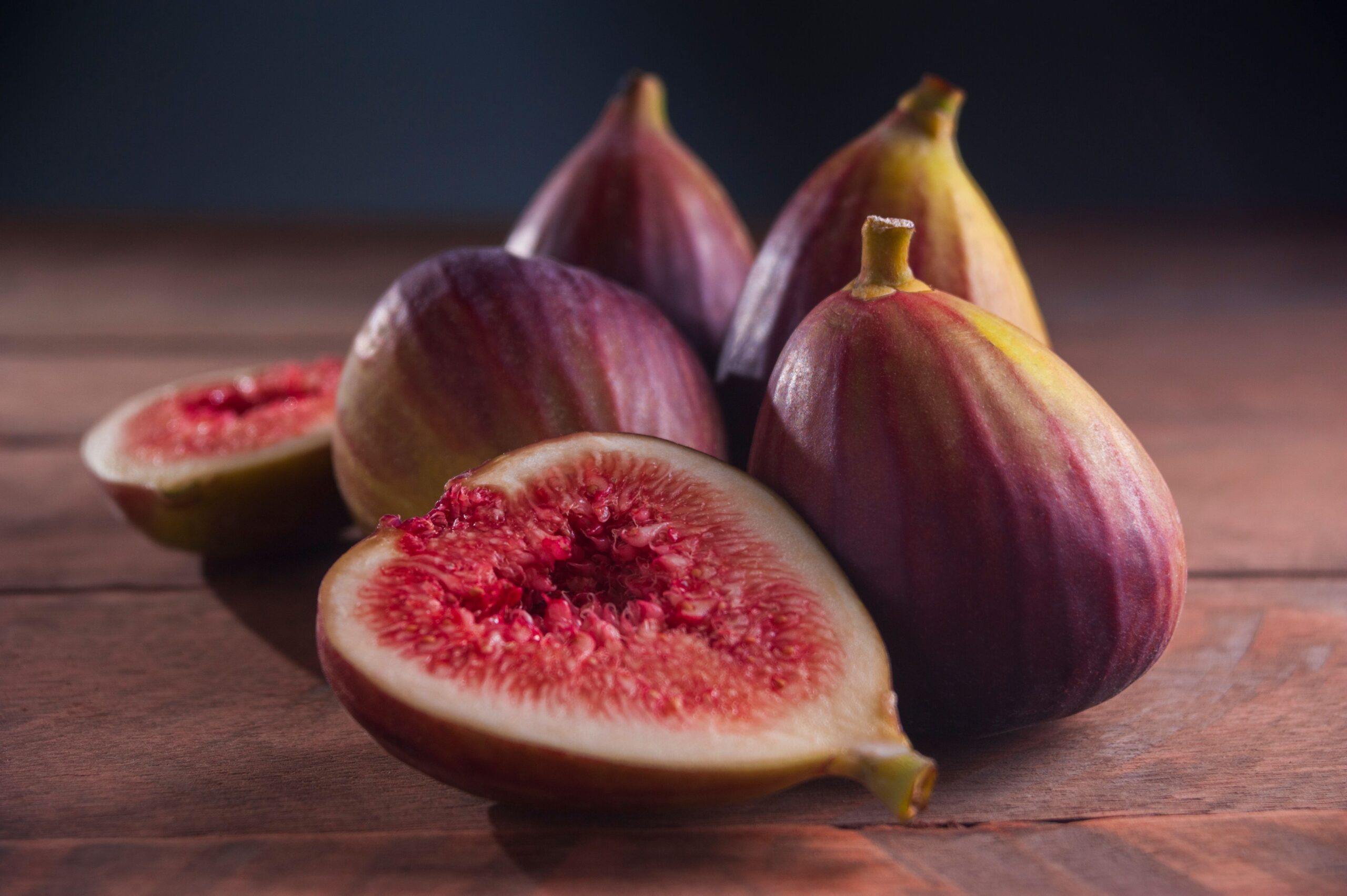
Can dogs eat figs? Yes, but only a small piece of fresh, ripe fig flesh as an occasional treat. PetMD’s vets say most dogs can handle a tiny amount of fresh fig without issues, while warning that too many figs bring on vomiting or diarrhoea and that dried figs are essentially a sugary dessert. Two facts shape everything else in this guide. First, figs contain ficin, an enzyme that can irritate your dog’s mouth and digestive system. Second, every part of the fig plant except the ripe fruit is toxic. Petful describes how ficin irritates the mouth and gut, and the ASPCA lists fig plants as toxic to dogs, naming the proteolytic enzyme ficin and the compound psoralen (ficusin) as the toxic principles.
This guide sits inside our fruit section. For the full rundown of safe fruits, read what fruits dogs can eat, and for the complete safe-foods list, our master guide to foods dogs can eat.
Fresh vs Dried vs Processed: Which Fig Form Is Actually Safe?
Most fig questions are really questions about the form. Fresh ripe flesh is a rare treat. Everything else ranges from a bad idea to a poisoning risk, as Petful’s form-by-form breakdown shows. Here is the full decision table.
| Fig form | Safe? | Why, and what to watch |
|---|---|---|
| Fresh, ripe fig flesh (washed, stem removed, cut up) | Yes, in small amounts | The only form worth offering. Still high in natural sugar, so it stays a rare treat, not a snack. |
| Dried figs | Not recommended | Drying concentrates the sugar dramatically. Packaged dried figs may carry added sugar, and dried-fruit mixes can hide raisins, which are genuinely toxic to dogs. |
| Fig Newtons, fig bars, fig rolls | No | Baked human cookies with added sugar and refined flour. Always scan the label for xylitol and chocolate before anything like this gets near a dog. |
| Fig jam and preserves | No | Fruit cooked down with heavy added sugar. A spoonful delivers a sugar load with none of the fresh fruit’s fibre benefit. |
| Unripe figs or figs grabbed off the tree | Risky | More irritating sap than ripe fruit, and a dog grazing under a tree may chew toxic leaves or twigs along with the fruit. |
| Fig leaves, bark, branches, milky sap | Toxic | Contain ficin and ficusin. Treat any chewing as urgent; see the emergency section below. |
How Much Fig Your Dog Can Have: PetMD’s Weekly Table
PetMD publishes the clearest fig portions anywhere online: weekly maximums by weight class, per fig, not per serving. These are ceilings, not targets, and PetMD also states the 10% rule: no treats, figs included, should make up more than 10% of your dog’s daily calories.
| Dog weight | Fresh fig per week, maximum |
|---|---|
| Extra-small, 2–10 lb (about 1–5 kg) | 1/4 fig |
| Small, 11–20 lb (about 5–9 kg) | 1/2 fig |
| Medium, 21–50 lb (about 10–23 kg) | Up to 1 fig |
| Large, 51–90 lb (about 23–41 kg) | Up to 2 figs |
| Extra-large, 91 lb+ (about 41 kg+) | Up to 3 figs |
Those figures are PetMD’s maximums, and the smart move is to start far below them. Offer one small piece the first time and monitor your dog for a full day before offering a little more. Stop immediately if you see vomiting, diarrhoea, excess gas or any skin irritation. A dog that reacts badly once is a dog that should not get figs again.
Fresh, Dried or Fig Newton: the Sugar Decision
Drying removes water and leaves the sugar behind, so a single dried fig packs far more sugar than a fresh one. Petful warns that the extra sugar can trigger stomach upset and weight gain, and is especially risky for dogs with diabetes. The hidden danger is the bag, not just the fig: many packaged dried fruits carry added sugar or syrup, and bagged dried-fruit mixes can include raisins or currants, which can cause acute kidney failure in dogs even in small amounts. Our raisins guide explains exactly why that risk is a hard line.
Fig Newtons sit even further from the fruit. Petful describes them as baked human cookies, not fruit: concentrated dried-fig filling combined with added sugar, refined flour and sometimes butter or spices. One stolen Fig Newton is rarely a poisoning emergency for a medium or large dog, but it offers zero benefit and the sugar can cause vomiting or diarrhoea. If your dog gets into the biscuit tin, scan the ingredients for xylitol (sometimes listed as birch sugar) and chocolate, and call your vet if either is present. The healthy move is simple: share a small piece of plain fresh fig instead, or stick with a safer sweet fruit. Dates and pomegranates come with the same sugar caution, so the rare-treat logic applies to them too.
Mission, Brown Turkey, Calimyrna: Does the Variety Matter?
Mostly, no. Wild Earth notes that the common varieties affect dogs the same way: the ripe fruit is safe in small amounts, while the leaves, stems and sap are toxic. Black Mission, Brown Turkey, Kadota and Calimyrna all follow the same feeding rules. Seedless varieties are the better pick for small dogs, simply because there is less to chew through. And dried Calimyrna figs are still dried figs, so the no stays in place regardless of variety.
One caution about the family name: not every ficus is a common fig tree. The weeping fig (Ficus benjamina) and the rubber plant (Ficus elastica) are ornamental houseplants, and Wild Earth’s variety table marks all parts of both as toxic to dogs. If you have a fiddle-leaf or weeping fig in the house, keep it fully out of your dog’s reach. The ASPCA’s own listing confirms the same danger.
The Fig Plant Is Toxic: Emergency Rules
If your dog chews fig leaves, bark, branches, unripe fruit or the milky white sap, act fast. Remove any remaining plant material from your dog’s mouth, rinse the mouth, and wash any exposed skin with lukewarm water and a mild pet shampoo. Then contact your vet or ASPCA Animal Poison Control at 888-426-4435 right away. Wild Earth advises not to induce vomiting unless your vet tells you to. PetMD treats fig-plant ingestion as a medical emergency: it can be life-threatening, and you can call the Pet Poison Helpline on 855-764-7661 on the way to the vet.
Watch for drooling, pawing at the face or mouth, redness around the mouth, vomiting, diarrhoea, rashes, skin irritation, swelling, loss of appetite and lethargy. Wild Earth lists redness, swelling, itching or blistering on skin contact, plus drooling, vomiting, diarrhoea and loss of appetite after ingestion. Repeated vomiting, severe drooling, facial swelling or trouble breathing is an emergency: go to the nearest emergency vet now and bring a leaf sample if you can.
Prevention is the garden version of the same rules. If a fig tree grows in your yard, supervise your dog around it, pick up fallen fruit, leaves and branches regularly, and keep your dog away from the tree during unsupervised outdoor time. Fallen unripe figs are the classic trap: a dog hoovers up the fruit and chews the leaves with it.
How to Serve Figs Safely, Step by Step
When you decide to share a fig, preparation is what keeps it safe. Follow these five steps in order.
- Pick ripe and inspect. Choose soft, ripe fruit with no mould, bruising or sour smell. Skip unripe figs and anything picked damaged off the ground.
- Wash and strip the plant parts. Rinse the fig in water and remove the stem, any leaf fragments and any hard bits. PetMD notes the skin itself is nontoxic and can be eaten, but recommends peeling it for puppies, who may have trouble digesting it. Sensitive-stomached dogs may do better peeled too.
- Cut into small pieces. Chop the flesh into bite-size, roughly 1-inch pieces. Keep pieces small for little dogs: the seeds are tiny, but chewy pieces can be a choking hazard at small-dog scale.
- Serve as a topper, not a course. Mix the pieces through your dog’s regular food as an occasional topper. PetMD suggests stuffing plain fresh fig into a toy such as a Kong and freezing it for a long-lasting snack, which is a neat way to stretch one small portion.
- Start small and watch for a day. One small piece first, then a full day of observation for vomiting, diarrhoea, gas or skin irritation before you ever offer more.

Three Dogs That Should Skip Figs Entirely
Figs are a treat, and some dogs should not get treats this sugary at all.
- Diabetic dogs. Fresh figs carry a heavy natural-sugar load. Wild Earth warns that dogs with diabetes or insulin resistance should avoid figs, because the sugar can raise blood glucose and make those conditions harder to manage. Their USDA-based breakdown puts raw figs at roughly 16 grams of natural sugar per 100 grams, which is a lot for a fruit.
- Overweight dogs. The same sugar math applies. Extra calories from figs add up fast in a small dog, and too many contribute to weight gain over time.
- Puppies and sensitive stomachs. Wild Earth advises against figs for puppies, whose digestive systems may not handle the extra fibre and sugar. Dogs with already-touchy stomachs can react strongly to even a small piece.
If your dog has diabetes, obesity or any condition that requires a controlled diet, talk to your vet before offering figs. For a healthy adult dog, the fruit stays an occasional treat under the 10% rule.
What Too Many Fresh Figs Does to a Dog
Even perfectly ripe figs cause problems in quantity. PetMD lists upset stomach, gas, bloating, vomiting and diarrhoea, noting the diarrhoea can sometimes be explosive or bloody, precisely because figs are not part of your dog’s regular diet. The fibre that makes figs nutritious at tiny doses turns into a laxative at big ones.
The response rules are clear. If your dog ate one or two extra figs, offer fresh water, watch for vomiting or diarrhoea over the next day, and call your vet if symptoms last more than 24 hours. If symptoms are severe, with bloody vomit or stool or very watery stool, or if mild symptoms do not improve within 48 hours, see your vet promptly. Figs do not cause toxicity in the flesh, but they can make a dog genuinely miserable.
Fig Questions Owners Actually Ask
Can dogs eat fresh figs?
Yes. A small piece of fresh, ripe fig flesh is safe for most healthy dogs as an occasional treat. Too much causes stomach upset, so keep to the weekly maximums in the table above.
Can dogs eat dried figs?
No. Dried figs concentrate the sugar dramatically and are not a treat to offer on purpose. Bagged dried figs may also carry added sugar or be mixed with raisins, which are toxic to dogs.
Can dogs eat Fig Newtons?
No. Fig Newtons are baked cookies with added sugar and refined flour, not fruit. PetMD agrees: the extra sugar, spices and other ingredients are unhealthy for dogs and can be toxic in large amounts. Always check the label for xylitol and chocolate.
Can dogs eat fig skin?
A small amount of skin is not toxic, but it is tougher to digest. PetMD says the skin can be eaten, then recommends peeling figs for puppies, which may struggle with it.
My dog ate a fig from the garden tree. Should I worry?
If it was a ripe fig and nothing else, your dog will likely be fine, but watch for symptoms. If your dog chewed leaves, stems, twigs or sap, or you see drooling, pawing at the mouth or vomiting, call your vet immediately.
Are figs safe for dogs with diabetes?
No. Wild Earth is direct on this: dogs with diabetes or insulin resistance should avoid figs, because the natural sugar can raise blood sugar and complicate management.
Can dogs be allergic to figs?
Yes, some dogs react to figs. Watch for vomiting, diarrhoea, skin irritation or itching after the first taste. Stop feeding figs and call your vet if any of these appear. Severe swelling or breathing trouble needs emergency care.
This guide is for information only and is not a substitute for veterinary advice. If your dog has a health condition, eats any part of the fig plant, or shows vomiting, diarrhoea or lethargy after trying a new food, call your veterinarian.
Persimmons are another seasonal fruit where preparation decides safety: our guide to whether dogs can eat persimmons covers the flesh-only verdict and what to do if your dog eats a seed.


One Comment