Can Dogs Eat Cooked Eggs? Benefits & Safety Guide 2026
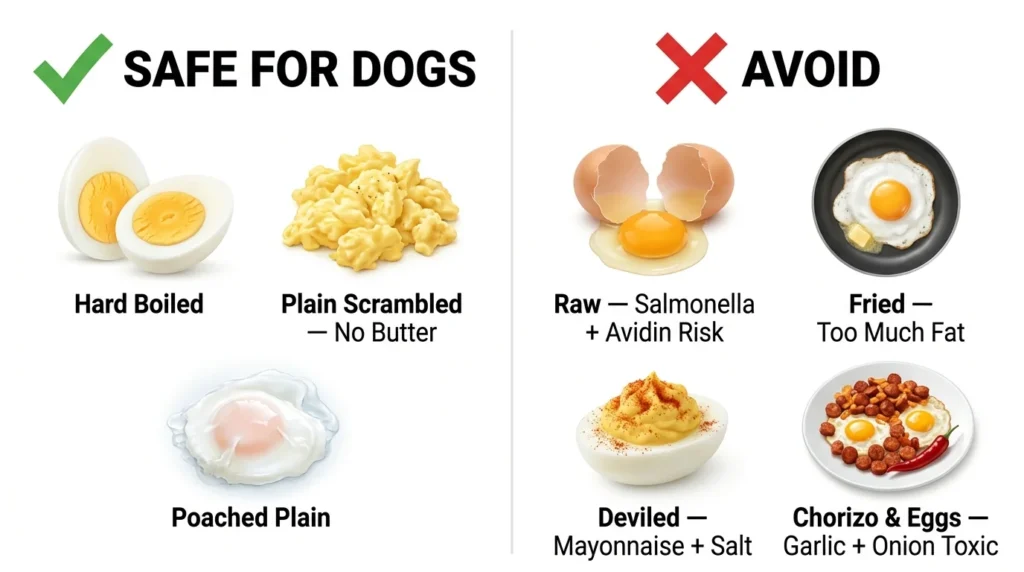
Yes, dogs can generally eat cooked eggs when they are prepared properly and served in moderation. Eggs provide high-quality protein and contain several nutrients that can complement a dog’s regular diet. However, the way eggs are prepared matters. Plain, fully cooked eggs are much safer than eggs prepared with excessive butter, oil, salt, spices, onion, garlic, or other ingredients that may be harmful to dogs.
Cooked eggs should be treated as an occasional addition rather than a replacement for complete and balanced dog food. Portion size also matters because eggs contain calories and fat. Before introducing eggs, start with a small amount and watch your dog for digestive problems or signs of food intolerance.
Can Dogs Eat Cooked Eggs?
Dogs can generally eat fully cooked eggs. Boiled, scrambled, or plain cooked eggs can provide protein, fats, vitamins, and minerals. For most healthy dogs, a small amount of plain cooked egg can be a nutritious occasional treat.
The egg should be thoroughly cooked and served without harmful additions. Avoid salt, onion, garlic, spicy seasonings, excessive butter, and large amounts of oil. The egg should complement your dog’s normal balanced diet rather than replace it.
Are Cooked Eggs Safe for Dogs?
Fully cooked eggs are generally safe for dogs when prepared without ingredients that are toxic or unhealthy for them. Cooking also reduces the risk associated with raw egg and helps make the protein easier for many dogs to digest.
However, individual dogs can react differently to new foods. Introduce cooked egg gradually and watch for vomiting, diarrhea, gas, itching, or other unusual signs. If a reaction occurs, stop feeding the egg and speak with your veterinarian.
Are Cooked Eggs Good for Dogs?
Cooked eggs can be a good occasional food for dogs because they contain complete protein and several essential nutrients. They can be especially useful as a small treat when prepared plainly and incorporated into an otherwise balanced diet.
Despite these benefits, eggs should not become a major part of a dog’s daily food intake. Too much egg can add extra calories and fat, and a homemade diet built around eggs may fail to provide the nutritional balance dogs need.
Can Dogs Eat Boiled Eggs?
Yes, plain boiled eggs can generally be given to dogs. Hard-boiled eggs are convenient because they can be prepared without oil, butter, salt, or seasoning. Once cooled, they can be cut into small pieces appropriate for the dog’s size.
Remove the shell before feeding and avoid adding salt or sauces. Start with a small portion, especially if your dog has never eaten egg before. Plain boiled egg is one of the simpler ways to offer cooked egg as an occasional treat.
Can Dogs Eat Hard-Boiled Eggs?
Dogs can generally eat hard-boiled eggs when the egg is completely cooked and served plain. Hard-boiled eggs contain protein and nutrients and can be divided into small portions for dogs of different sizes.
Make sure the egg has cooled before serving and remove the shell completely. Do not add salt, mayonnaise, spicy seasonings, or other toppings. Keep portions moderate because eggs still contribute calories to your dog’s diet.
Can Dogs Eat Soft-Boiled Eggs?
Soft-boiled eggs are less preferable than fully cooked eggs because part of the egg may remain undercooked. Thorough cooking reduces the risk associated with bacteria that can be present in raw or undercooked eggs.
If you want to feed your dog egg, choose an egg that has been cooked until both the white and yolk are firm. Plain hard-boiled or fully cooked scrambled egg is a safer option than a runny egg.
Can Dogs Eat Scrambled Eggs?
Yes, dogs can generally eat plain scrambled eggs when they are fully cooked. Scrambled eggs can be easy to break into small portions, making them convenient for occasional treats or food toppers.
Prepare them without onion, garlic, excessive salt, spicy seasonings, or large amounts of butter and oil. If your dog tolerates dairy poorly, avoid adding milk or cheese. Plain scrambled egg is the simplest option.
Can Dogs Eat Fried Eggs?
Dogs can technically eat a fully cooked fried egg, but it is not the best preparation method. Fried eggs are commonly cooked with oil or butter, which can increase their fat and calorie content.
If you offer a fried egg, keep it plain and use very little added fat. Boiled or otherwise fully cooked egg without added oil is generally a better option for dogs.
Can Dogs Eat Over-Easy Eggs?
Over-easy eggs are not the preferred choice for dogs because the yolk remains partially runny. Undercooked egg carries a greater food-safety concern than a thoroughly cooked egg.
For a safer preparation, cook both the egg white and yolk until fully set. This is particularly important for puppies, older dogs, or dogs with health conditions that may make foodborne illness more concerning.
Can Dogs Eat Over-Hard Eggs?
Over-hard eggs are fully cooked and can generally be eaten by dogs if served plain. Because the yolk and white are thoroughly cooked, they are a safer choice than partially cooked eggs.
Remove the shell and allow the egg to cool before serving. Avoid adding salt, pepper, butter, sauces, onion, or garlic. Give only a small portion as an occasional treat.
Can Dogs Eat Poached Eggs?
Dogs can eat poached eggs when they are cooked thoroughly. The main consideration is that both the white and yolk should be fully set rather than runny.
Serve the egg plain without salt, sauces, butter, or seasoning. If the egg is poached until fully cooked, cut it into small pieces and offer an amount appropriate for your dog’s size.
Can Dogs Eat Baked Eggs?
Fully baked eggs can generally be safe for dogs when prepared with simple ingredients. However, baked egg dishes often contain cheese, milk, salt, butter, spices, onion, garlic, or other ingredients that may not be suitable for dogs.
Plain baked egg is preferable to a heavily seasoned egg casserole. Check all ingredients before sharing a portion, and keep the serving small.
Can Dogs Eat Omelets?
Dogs may be able to eat a small amount of a plain omelet made from fully cooked egg, but many omelets contain ingredients that dogs should avoid. Cheese, onions, garlic, salt, sauces, and spicy seasonings are common additions.
If you want to share an omelet, prepare a small plain portion without harmful ingredients. A simple cooked egg is generally a better option than a restaurant-style omelet with multiple fillings.
Can Dogs Eat Egg Whites?
Fully cooked egg whites can generally be eaten by dogs. Egg whites provide protein and contain fewer calories and less fat than the yolk. They can be served plain as a small occasional treat.
However, dogs do not need egg whites specifically if they already eat a complete diet. Cook the whites thoroughly and avoid adding salt, spices, butter, or oil.
Can Dogs Eat Egg Yolks?

Dogs can generally eat fully cooked egg yolks in moderation. The yolk contains several nutrients and fats, but it also contributes more calories and fat than the egg white.
Because of this, portion control is important. Plain cooked yolk can be included as an occasional treat, but large amounts are unnecessary and may be unsuitable for dogs that need to control their calorie or fat intake.
Can Dogs Eat the Eggshell?
Dogs can technically consume finely ground, properly prepared eggshell in certain circumstances because eggshell contains calcium. However, whole or sharp shell pieces are not a good treat because they can create a choking or mouth-injury risk.
Most dogs eating a complete and balanced commercial diet do not need additional calcium from eggshell. Do not routinely add eggshell to your dog’s food unless your veterinarian recommends an appropriate amount.
Can Dogs Eat Cooked Eggs With Salt?
It is best to serve cooked eggs without added salt. Dogs require sodium in their diet, but heavily salted human foods can provide more sodium than necessary and may contribute to excessive thirst or other problems when consumed in large quantities.
Plain cooked egg is easy to prepare and does not need salt to be appealing to dogs. Avoid salted scrambled eggs, salted boiled eggs, and eggs seasoned heavily with table salt.
Can Dogs Eat Cooked Eggs With Pepper?
Plain cooked eggs are preferable to eggs seasoned with black pepper. A tiny accidental amount of pepper is unlikely to cause serious toxicity, but pepper can irritate a dog’s mouth or digestive system, particularly in larger amounts.
There is no nutritional need to add pepper to a dog’s egg. Keep the egg plain and avoid spicy seasoning blends that may contain additional ingredients such as onion or garlic.
Can Dogs Eat Cooked Eggs With Butter?
A small amount of butter is not generally considered toxic to dogs, but butter is high in fat and calories. Eggs cooked with a large amount of butter may therefore be too rich for some dogs and can cause digestive upset.
When preparing eggs for a dog, use a cooking method that requires little or no added fat. Plain boiled eggs are an especially simple option.
Can Dogs Eat Cooked Eggs With Oil?
Eggs cooked with a small amount of plain cooking oil may not be toxic, but adding unnecessary oil increases the fat and calorie content of the meal. Too much dietary fat can cause stomach upset in some dogs.
Choose boiled or otherwise plainly cooked eggs whenever possible. If oil is used, keep the amount minimal and avoid flavored oils containing garlic, onion, or other unsafe ingredients.
Can Dogs Eat Cooked Eggs With Cheese?
Some dogs can tolerate small amounts of plain cheese, but cheese adds fat and calories and may cause digestive problems in dogs that are sensitive to dairy. Cheese-filled egg dishes are therefore not the ideal way to feed eggs to dogs.
If you want to give your dog cooked egg, plain egg without cheese is a simpler choice. Avoid cheese products containing excessive salt, spices, onion, or garlic.
Can Dogs Eat Cooked Eggs With Garlic?
No. Dogs should not be intentionally fed cooked eggs seasoned with garlic. Garlic contains compounds that can damage red blood cells and may cause anemia when enough is consumed.
Garlic can appear in fresh form, garlic powder, garlic salt, sauces, and seasoning blends. Keep your dog’s eggs plain and avoid any egg dish prepared with garlic.
Can Dogs Eat Cooked Eggs With Onion?
No. Cooked eggs containing onion should not be given to dogs. Cooking does not eliminate the compounds in onion that can damage red blood cells.
Onion powder and dried onion can also be present in seasoning blends. If your dog accidentally eats an egg dish containing onion, determine how much was consumed and contact your veterinarian if the amount was significant.
Can Dogs Eat Cooked Eggs Every Day?
Dogs can eat cooked eggs occasionally, but giving eggs every day is not necessary for most dogs. Eggs contain protein, fat, and calories that can add to the dog’s overall daily intake. Too much can also make the diet less balanced if eggs begin replacing regular food.
For most dogs, eggs are better used as an occasional treat or food topper. The majority of calories should continue to come from a complete and balanced dog food that meets the dog’s nutritional needs.
How Many Cooked Eggs Can Dogs Eat?
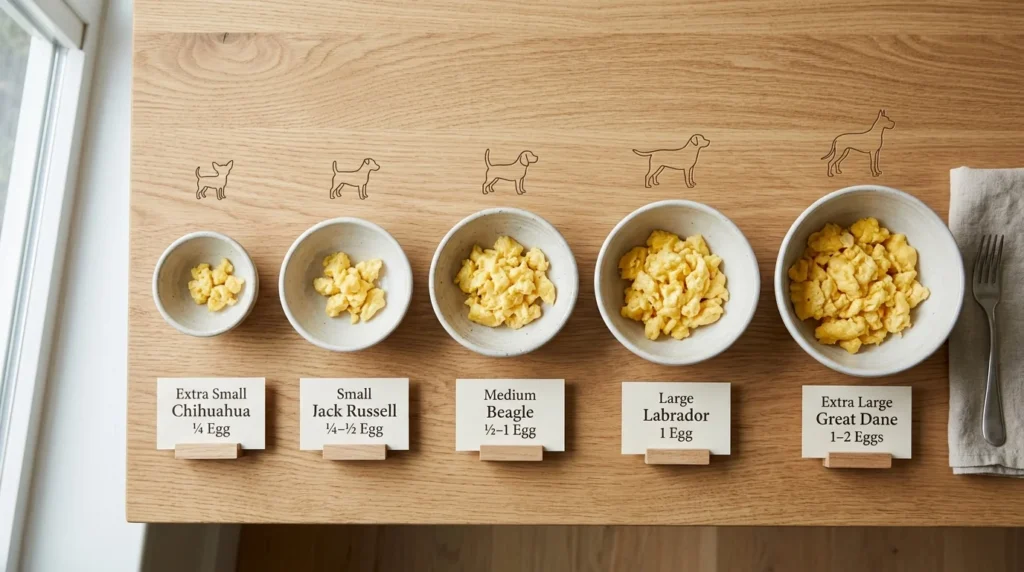
The appropriate amount depends on the dog’s size, age, health, activity level, and overall diet. A small dog generally needs much less egg than a large dog, and treats should remain a limited part of daily calories.
| Dog Size | General Occasional Amount |
|---|---|
| Small Dogs | A small portion of cooked egg |
| Medium Dogs | About 1/4 to 1/2 egg |
| Large Dogs | About 1/2 to 1 whole egg |
| Extra-Large Dogs | Up to about 1 whole egg occasionally |
These are general guidelines rather than strict serving requirements. If your dog has dietary restrictions, obesity, pancreatitis, or another health concern, ask your veterinarian about an appropriate portion.
Can Puppies Eat Cooked Eggs?
Puppies can generally eat small amounts of fully cooked egg when introduced appropriately. Eggs provide protein and nutrients, but puppies have specific nutritional requirements that are best met through a complete puppy diet.
Start with a tiny amount of plain cooked egg and watch for digestive upset. Avoid raw or undercooked eggs and never add garlic, onion, excessive salt, butter, or spicy seasonings.
Can Senior Dogs Eat Cooked Eggs?
Healthy senior dogs can generally enjoy small amounts of plain cooked egg. Eggs provide protein, which can be useful as part of an overall balanced diet, but older dogs may have individual nutritional requirements.
Senior dogs that have kidney, digestive, weight, or other dietary concerns may need different treat choices. Speak with your veterinarian before making eggs a regular addition to a senior dog’s diet.
See Also: Can Dogs Eat Salmon? A Safe Feeding Guide for Dog Owners
Can Dogs Eat Cooked Eggs With Milk?
It is better to avoid adding milk to your dog’s cooked eggs. Some dogs have difficulty digesting lactose and may develop gas, diarrhea, or stomach discomfort after consuming dairy.
Dogs do not need milk to make eggs nutritious. Plain cooked eggs without dairy are a simpler and generally more suitable option.
Can Dogs Eat Cooked Eggs With Ham?
Plain cooked egg may be suitable for dogs, but adding ham makes the dish less appropriate. Ham is often high in sodium and fat and may contain preservatives or seasonings.
If you want to give your dog egg, keep it plain rather than combining it with processed meats. A small amount of plain cooked egg is a better occasional treat.
Can Dogs Eat Cooked Eggs With Bacon?
Bacon and eggs may be a popular human breakfast, but it is not a good combination for dogs. Bacon is typically high in fat and salt, and large amounts of fatty food can cause digestive problems.
Plain cooked egg is a much better option. Avoid giving dogs bacon-seasoned eggs or large portions of greasy breakfast foods.
Can Dogs Eat Cooked Eggs With Sausage?
Sausage is generally too salty and fatty to be a good addition to a dog’s eggs. Some sausage products may also contain garlic, onion, spices, or other ingredients that dogs should avoid.
If you want to share cooked egg with your dog, prepare it separately without sausage. This makes it easier to control the ingredients and portion size.
Can Dogs Eat Cooked Eggs With Spinach?
Plain cooked spinach can be eaten by dogs in small amounts, but adding spinach to eggs is not necessary. The spinach should be thoroughly washed and prepared without garlic, onion, excessive salt, or other seasonings.
A small amount of plain spinach with a fully cooked egg may be tolerated by many healthy dogs. However, plain egg is simpler and easier to portion.
Can Dogs Eat Cooked Eggs With Vegetables?
Some dog-safe vegetables can be combined with fully cooked eggs, provided they are prepared plainly. Carrots, green beans, and certain other vegetables can be appropriate in small portions.
Avoid vegetables such as onions and garlic, and do not add spicy sauces or excessive salt. Introduce each new food gradually so you can identify what causes a reaction if your dog develops digestive problems.
Can Dogs Eat Cooked Eggs With Rice?
Plain cooked rice and fully cooked egg can both be tolerated by many dogs, but combining them does not create a complete and balanced diet. Rice is mainly a source of carbohydrates, while eggs provide protein and fat.
A small amount of plain egg and rice can occasionally be used as a simple food combination, but your dog’s regular meals should still provide complete nutrition. Avoid adding salt, sauces, garlic, onion, or spices.
Can Dogs Eat Cooked Eggs With Chicken?
Plain cooked chicken and cooked egg can both be suitable for many dogs when prepared without harmful seasonings. However, combining them can create a calorie-dense meal, so portions should remain controlled.
If you give both foods, use plain lean chicken and fully cooked egg. Avoid fried chicken, seasoned chicken, chicken skin, sauces, garlic, and onion.
Can Dogs Eat Cooked Eggs With Tuna?
Cooked egg and plain tuna are not necessarily toxic when appropriately prepared, but tuna is not an ideal everyday food for dogs. Some tuna products can contain high levels of sodium, and tuna should be selected and portioned carefully.
If your dog eats tuna, choose a plain product without sauces, spices, or excessive salt. For regular fish-based nutrition, dog foods formulated with appropriate fish ingredients are a better option.
Can Dogs Eat Cooked Eggs With Mayonnaise?
Mayonnaise is not recommended as an addition to your dog’s eggs. It is high in fat and calories and may contain salt and other ingredients that provide little nutritional benefit for dogs.
Plain cooked egg is a much better choice. Avoid egg salad and other human egg dishes containing mayonnaise, especially when they also contain onion, garlic, or heavy seasoning.
Can Dogs Eat Cooked Eggs With Ketchup?
Ketchup is not a suitable addition to a dog’s cooked eggs. Commercial ketchup can contain significant amounts of sugar and sodium and may include seasonings that are not appropriate for dogs.
Dogs do not need ketchup for flavor. Serve cooked eggs plain and avoid sauces designed for human meals.
Can Dogs Eat Cooked Eggs With Hot Sauce?
Hot sauce should not be added to eggs intended for dogs. Spicy ingredients can irritate the digestive tract and may lead to drooling, vomiting, diarrhea, or stomach discomfort.
Some hot sauces can also contain garlic, onion, or large amounts of sodium. Plain cooked eggs are a safer and simpler option.
Can Dogs Eat Cooked Eggs With Seasoning?
It is best to keep cooked eggs for dogs completely unseasoned. Human seasoning blends may contain salt, garlic powder, onion powder, chili, or other ingredients that are unsuitable for dogs.
Plain egg does not need seasoning to provide nutritional value. If you prepare eggs specifically for your dog, cook them without seasonings and keep the serving appropriately small.
Can Dogs Eat Cooked Eggs With Coconut Oil?
A tiny amount of coconut oil is not generally considered toxic to dogs, but it adds extra fat and calories to the egg. There is usually no need to add it when preparing eggs for your dog.
Too much added fat can cause digestive upset in some dogs. Plain boiled or scrambled egg without added oils is a simpler choice.
Can Dogs Eat Cooked Eggs With Olive Oil?
Small amounts of plain olive oil are generally not considered toxic to dogs, but adding oil to eggs increases the fat and calorie content. Dogs that are sensitive to rich foods may experience digestive upset.
If possible, prepare eggs without added oil. If oil is used, keep the quantity very small and make sure it contains no garlic or other flavorings.
Can Dogs Eat Cooked Eggs as a Meal?
Cooked eggs alone should not normally replace a complete and balanced dog meal. Although eggs provide protein and several nutrients, they do not supply every nutrient a dog needs in the correct proportions.
Eggs are better used as an occasional topper or treat. Your dog’s primary meals should come from a nutritionally complete diet appropriate for their age, size, and health requirements.
See Also: Can Dogs Eat Bell Peppers? Safe Feeding Guide for Dog Owners
Can Dogs Eat Cooked Eggs After Exercise?

A small amount of cooked egg can be offered after normal activity, but dogs do not specifically need eggs after exercise. Their nutritional requirements are better met through their normal complete diet and adequate access to fresh water.
If you use egg as an occasional reward after activity, keep the serving small and plain. Avoid turning exercise into a reason to provide large portions of human food.
Can Dogs Eat Cooked Eggs for Weight Gain?
Although eggs contain calories and protein, they should not be used as a homemade weight-gain strategy without veterinary guidance. Adding too many eggs can unbalance the diet and provide excessive fat or calories.
If your dog is underweight or losing weight unexpectedly, speak with a veterinarian. An appropriate feeding plan can address the underlying reason and provide balanced nutrition rather than relying on extra eggs.
Can Dogs Eat Cooked Eggs for Weight Loss?
Cooked eggs can be used as an occasional treat for some dogs, but they should not be considered a weight-loss food by themselves. Eggs contain calories and fat, so large portions can work against a calorie-controlled diet.
If your dog needs to lose weight, portion control and a nutritionally appropriate diet are more important than adding eggs. Your veterinarian can help establish a safe weight-management plan.
What Are the Benefits of Cooked Eggs for Dogs?
Cooked eggs provide high-quality protein and contain nutrients such as vitamin A, several B vitamins, vitamin D, selenium, and other nutrients. Protein supports normal muscles and other body tissues, making eggs a useful occasional food for many healthy dogs.
However, these benefits do not mean dogs require eggs. A complete and balanced dog food already supplies essential nutrients. Eggs are best viewed as an optional treat or topper rather than a nutritional necessity.
What Are the Risks of Cooked Eggs for Dogs?
Cooked eggs are generally safe when prepared plainly, but eating too much can add excessive calories and fat. Some dogs may also have an intolerance or allergy to egg and develop digestive or skin-related symptoms.
The greater risk often comes from what is added to the egg. Garlic, onion, excessive salt, spicy seasonings, rich sauces, and large quantities of butter or oil can make an otherwise simple egg unsuitable for dogs.
How to Safely Prepare Cooked Eggs for Dogs
Cook eggs thoroughly until both the white and yolk are firm. Boiling, scrambling, or another fully cooked preparation method works well. Allow the egg to cool before serving and remove the shell completely.
Do not add garlic, onion, excessive salt, spicy seasonings, rich sauces, or large amounts of butter or oil. Cut the egg into appropriately sized pieces and introduce it gradually if your dog has never eaten egg before.
Frequently Asked Questions
Can dogs eat cooked eggs every day?
Dogs can generally eat cooked eggs occasionally, but most do not need eggs every day. Frequent feeding can add unnecessary calories and fat. Keep eggs as a small addition to a complete and balanced diet.
Are scrambled eggs safe for dogs?
Yes, plain fully cooked scrambled eggs can generally be safe for dogs. Prepare them without onion, garlic, excessive salt, spicy seasonings, or large amounts of butter and oil.
Can dogs eat boiled eggs?
Yes. Plain hard-boiled eggs are one of the simplest ways to give dogs cooked egg. Remove the shell, let the egg cool, and serve a small portion without salt or seasoning.
Can puppies eat cooked eggs?
Puppies can generally eat a small amount of fully cooked egg, but their primary nutrition should come from a complete puppy diet. Introduce egg gradually and avoid raw or undercooked preparations.
Can dogs eat cooked eggs with salt?
It is better to avoid adding salt to cooked eggs for dogs. Plain eggs are sufficient, while excessive sodium from seasoned human foods can be unhealthy.
Conclusion
So, can dogs eat cooked eggs? Yes, most healthy dogs can enjoy small amounts of fully cooked, plain eggs as an occasional treat. Eggs provide quality protein and several useful nutrients, but they are not a substitute for a complete and balanced canine diet.
The safest approach is to serve eggs thoroughly cooked and free from garlic, onion, excessive salt, spicy seasonings, rich sauces, and large amounts of butter or oil. Start with a small portion and monitor your dog for digestive or allergic reactions. If your dog has a specific health condition or dietary restriction, ask your veterinarian before adding eggs to their diet.
See Also: Can Dogs Eat Apples? Benefits, Risks & Safe Serving Guide 2026