

Can Dogs Eat Dates? Benefits, Risks & Safe Feeding Guide
Last updated: 19 October 2026
Yes, dogs can eat plain, pitted dates in small amounts as an occasional treat. They are not toxic, but they are loaded with natural sugar, so the portions stay tiny, the pit comes out every time, and diabetic or overweight dogs should skip them entirely.
Why Dates Are Safe But Raisins Are Not
Direct answer: Dates and raisins are completely different fruits. A raisin is a dried grape, and grapes are toxic to dogs because they can cause kidney failure. Dates grow on palm trees and contain no grape toxin, so a plain, pit-free date carries none of the poisoning risk that raisins do.
Dates look like oversized raisins, and the wrinkled skin makes the mix-up easy. But a raisin is just a dried grape, and the raisin poisoning risk for dogs is real: grapes and their dried forms can trigger kidney failure. Dates come from the date palm and contain no such toxin. So while raisins must stay far from your dog, a pit-free date shared occasionally is not an emergency, and that distinction matters more than any other fact on this page.
The confusion is understandable, and it is worth pausing on, because getting this wrong is dangerous in both directions. Mistaking dates for raisins could make you panic over a harmless snack, while mistaking raisins for dates could make you relaxed about something genuinely dangerous. The AKC makes the same point in its own dates guide: the two fruits look similar, but only one of them belongs on the toxic list. Keep them stored separately in your kitchen, and make sure everyone in the household knows which is which.
How Many Dates Your Dog Can Safely Eat
Direct answer: Portions stay small: half a date for the tiniest dogs, up to two or three for a very large dog, offered once or twice a week at most, always cut into pieces. Treats, including dates, should make up no more than 10 percent of a dog’s daily diet, a rule the AKC repeats across its nutrition guides.
The right number depends on your dog’s size, because a treat that is trivial for a Labrador can be a sugar bomb for a Chihuahua. The AKC’s dates guide suggests a range of half a date to two dates once or twice a week depending on the dog’s size, and Chewy’s dates article gives a similar size-based ladder capped at one or two sessions per week. This table blends both into one conservative serving guide, and it assumes plain, pitted dates cut into small pieces:
| Dog size | Weight | Safe portion | How often |
|---|---|---|---|
| Extra small | Under 10 lbs | Half a date, cut into pieces | Once or twice a week |
| Small | 10 to 25 lbs | One date, cut into pieces | Once or twice a week |
| Medium | 26 to 50 lbs | One to two dates, cut into pieces | Once or twice a week |
| Large | 51 to 90 lbs | Two to three dates, cut into pieces | Once or twice a week |
| Puppies | Any | A tiny piece only | Rarely, not as a routine treat |
These are upper limits, not targets. If your dog is on the small side of a weight class, or new to dates, start below the range and watch for soft stools or gassiness over the next day. Puppies get an especially light touch: a growing puppy’s calories should come from complete puppy food, and sugary extras can upset a young digestive system fast. Dates should never become a daily treat. The sugar and calories add up quickly, and Chewy notes that too many dates can contribute to stomach upset, weight gain, and blood sugar problems over time.
Fresh Dates vs Dried Dates: What Is the Difference?
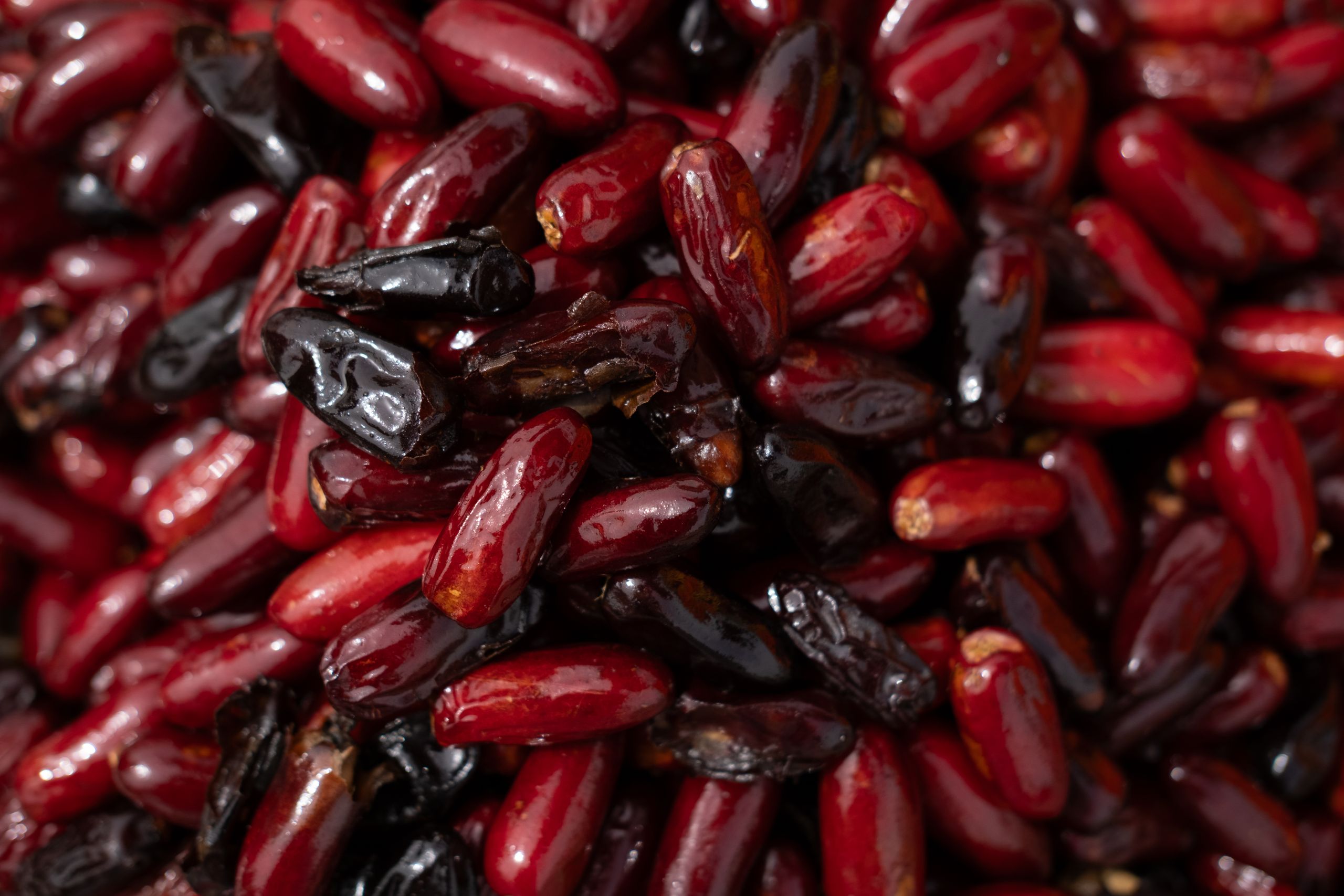
Direct answer: Both are safe when plain and pitted, but dried dates are more concentrated: less water means more sugar and calories per bite, so portions of dried dates should be smaller than fresh ones. Most dates sold in stores are dried, and they are fine as long as the ingredient list shows nothing but dates.
| Fresh dates | Dried dates | |
|---|---|---|
| Sugar concentration | Lower per bite, thanks to higher moisture | Higher per bite, drying removes the water |
| Texture | Softer, plumper, easier to chew | Chewy and sticky, can cling to teeth |
| Pit | Usually present, remove before sharing | Often still present, remove before sharing |
| Additives | Rarely any | May carry added sugar, syrups, coatings, or sulphites |
| Serving rule | Follow the portion table as written | Stay at the low end of the portion table |
The main practical difference is concentration. A dried date is essentially the same fruit with the water removed, so you get more sugar in every gram. That is why the sticky, chewy texture matters too: dried dates can cling to a dog’s teeth, and in a sticky, sugary package that is not great news for dental health. It is the same pattern you see with other dried fruits, including dried prunes for dogs, where the drying process turns a mild fruit into a calorie-dense one.
Which Date Variety Is Best for Dogs?
Direct answer: The variety matters far less than the sugar and the pit. Medjool dates are the large, soft, especially sweet ones sold in most stores, while Deglet Noor dates are smaller and a little firmer. The same rules apply to all of them: plain, pitted, tiny portions, occasional treats.
If your dates are Medjool, lean toward the small end of the portion table, because these are the sweetest and softest of the common varieties. Their size is also deceptive: one large Medjool date can equal two smaller ones in sugar. Deglet Noor dates are the smaller, drier kind often sold in baking aisles; the same safety rules apply, though the stickiness is slightly less of an issue. Whatever the label says, the checks never change: no chocolate coating, no caramel or syrup glaze, no nut stuffing, and always pit-free.
The Sulphite Problem With Dried Dates
Direct answer: Some dried dates are treated with sulphur dioxide or sulphites to keep their color bright, and others carry added sugar, glazing syrups, or coatings. Buy unsulphured dates with a one-item ingredient list, and skip anything that lists sugar, syrup, or preservatives.
This is one of the least covered points in the popular guides, but it shows up on ingredient labels all the time. Sulphites are added to dried fruit to stop browning, and they are simply unnecessary in a dog treat. Some dogs react badly to sulphites, and added sugars and glazes turn an already sugary fruit into something closer to candy. When you shop, flip the bag over: the ingredients should read “dates” and nothing else. Phrases like “glazed”, “candied”, “sugar-coated”, or “preserved with sulphur dioxide” are your signal to put the bag back. Chocolate-covered or yogurt-covered dates are off the table entirely, since chocolate brings its own poisoning risk.
Date Pits: What to Do If Your Dog Swallows One
Direct answer: The pit is the most dangerous part of a date. It is not poisonous, but it is hard, smooth, and the wrong shape to swallow safely, so it can choke a dog or block the intestines. If your dog swallows a pit, call your veterinarian right away.
Act now if your dog swallows a date pit. Watch for choking first: pawing at the mouth, drooling, gagging, or retching. If those appear, it is an emergency, get to a vet or emergency clinic immediately. A pit that goes down can still cause trouble later, lodging in the intestines. Over the next day or two, watch for repeated vomiting, loss of appetite, belly pain, or unusual tiredness, all signs of a blockage that may need emergency surgery. Never try to make your dog vomit unless your veterinarian tells you to. When in doubt, call your vet or an emergency clinic rather than waiting to see what happens.
The AKC’s dates guide flags date pits as a tooth-chipping, choking, and intestinal blockage hazard, and Chewy’s dates article lists the same two risks, choking in the throat and blockage in the intestines, as the reason pits are a hard no. Small dogs face the most danger because a single pit is large relative to their throat and gut. Buy pitted dates when you can, and if you pit them yourself, double-check that every piece you hand over is pit-free before your dog sees it.
Sugar, Weight, and Diabetes: The Honest Picture
Direct answer: Dates are packed with natural sugar, so even a small dog getting a date or two is spending a real chunk of its daily treat budget. Overweight or diabetic dogs should not get dates at all, and for healthy dogs the occasional treat stays occasional for a reason.
This is where enthusiasm about dates usually outruns reality. Chewy is blunt about it: dates pack a lot of calories into a small bite, and too many can lead to weight gain and contribute to blood sugar problems over time. The AKC adds that excess sugar from fruit can also cause dental troubles and, in serious cases, feed into diabetes risk. Chewy’s guidance is clear that dogs who are overweight or have diabetes should avoid dates entirely.
The practical rule is simple: dates should stay inside the 10 percent treat budget, not on top of it. If your dog gets dates on Tuesday, that is its sugary treat for the day, not an addition to a pile of other snacks. For dogs that need weight control, there are far better fruit options with a fraction of the sugar, and our guide to fruits dogs can eat covers them. A dog with diabetes should not get dates unless its veterinarian signs off, and even then the answer is usually no. Dates and figs share the same sugar problem: our figs guide compares the two sweet fruits.
Dates With Peanut Butter: The Xylitol Trap
Direct answer: A date with a dab of plain peanut butter is safe only if the peanut butter is xylitol-free. Xylitol is extremely toxic to dogs, and it hides in some “sugar-free” or “low-sugar” peanut butters, so read the label every time.
Dates stuffed with peanut butter are a popular human snack, and a small amount is fine for a dog with one iron rule: the peanut butter must contain no xylitol. Chewy’s dates guide warns that artificial sweeteners, which often contain xylitol, can be toxic to dogs, and that is exactly where this combination gets dangerous. A “sugar-free” peanut butter is more likely to contain xylitol, so the label reading habit from the sulphite section applies double here. Our peanut butter safety guide walks through what a safe label looks like, and our xylitol danger guide covers why this sweetener is so dangerous for dogs.
Even with safe peanut butter, this is a rare-treat combination. Dates are calorie-dense and peanut butter is calorie-dense, so the two together pack a lot into one bite. A date with a small smear of xylitol-free peanut butter now and then is fine; making it a routine turns an occasional treat into a weight-gain habit.
How to Prepare Dates Safely: A Checklist
Direct answer: Buy pitted dates or remove every pit yourself, choose plain dates with no additives, cut them into small pieces, introduce a tiny amount first, and watch your dog for the next day.
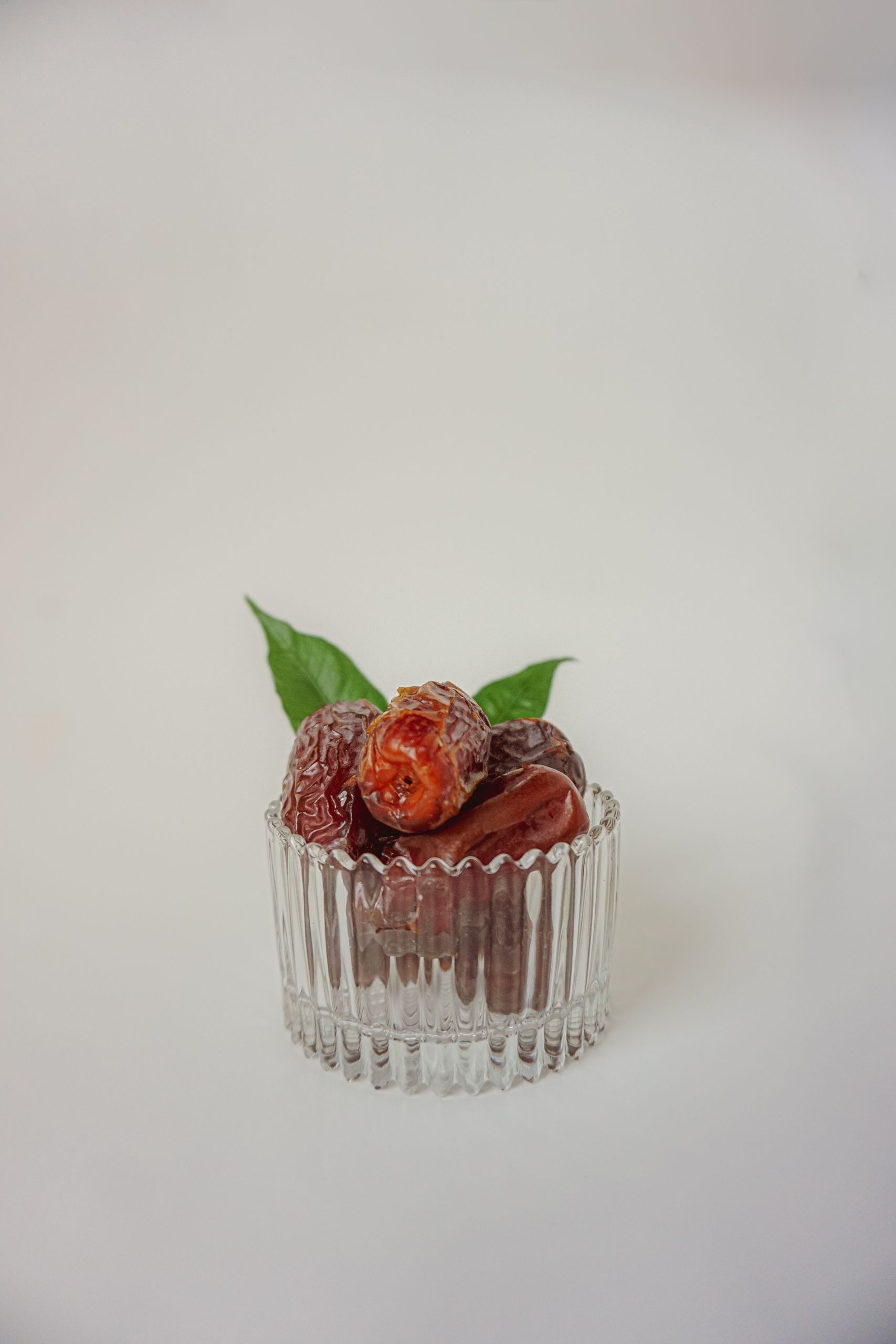
- Start with pitted dates. If they are not pitted, split each date and remove the pit completely.
- Check the ingredients. “Dates” should be the only item: no chocolate, caramel, syrups, added sugar, sulphites, or nut fillings.
- Cut into small, bite-sized pieces for your dog’s size. Small pieces reduce choking risk and make portions easier to control.
- Introduce a tiny amount first. Offer one small piece and watch for stomach upset over the next 24 hours before making dates a rare regular treat.
- Store dates and raisins separately. Because the two look similar, keep them in clearly different containers so nobody hands your dog the wrong one.
The stickiness of dates is worth planning around. They are not great pocket treats for walks, but the AKC points out that their tacky texture makes them useful as a binder in homemade dog treats or for stuffing into interactive food toys. That is a smarter way to stretch a tiny portion than feeding whole dates by hand.
Frequently Asked Questions
Are dried dates okay for dogs?
Yes. Plain, pitted dried dates are safe in small amounts, and most dates sold in stores are dried. Because drying concentrates the sugar, keep portions at the low end of the serving table and skip dates with added sugar, coatings, or sulphites.
Why can dogs eat dates but not raisins?
They come from different plants. Raisins are dried grapes, and grapes are toxic to dogs because they can cause kidney failure. Dates grow on palm trees and contain no grape toxin, so they carry none of that poisoning risk.
Do dates help dogs poop?
The AKC notes that dates are packed with fiber, which can support a healthy digestive system, especially for dogs that suffer from constipation. That said, dates are not a remedy: the fiber comes with a lot of sugar, and too much fiber can swing the other way and cause diarrhea.
Can puppies eat dates?
A tiny piece of plain, pitted date occasionally is not harmful, but it is not necessary either. Complete puppy food already provides everything a growing puppy needs, and sugary treats can upset young stomachs. Wait until your puppy is older before offering dates, and keep the pieces very small.
Can dogs eat dates every day?
No. Dates are too high in natural sugar and calories to be a daily treat. Offer them once or twice a week at most, inside the 10 percent daily treat budget, so they stay an occasional extra rather than a habit.
Can dates cause diarrhea in dogs?
Yes, if a dog eats too many. The combination of high sugar and high fiber can disrupt the gut: sugar draws water into the intestines while excess fiber speeds digestion along, which can lead to loose stools, gas, or stomach discomfort. Stick to the portion table and introduce dates gradually.
Are Medjool dates safe for dogs?
Yes, plain pitted Medjool dates are safe in moderation. They are simply a larger, softer, sweeter variety, so lean toward the small end of the serving table and always remove the large pit before sharing.
Sources
This guide is for information only. It is not a substitute for veterinary advice. If your dog has diabetes, is overweight, or swallows a date pit, contact your veterinarian.


