

Can Dogs Eat Graham Crackers? Safety, Risks & Tips
Dogs can generally eat a small amount of plain graham cracker, but they should not be given large portions or eat them regularly. Plain graham crackers are not considered inherently toxic to dogs, but they offer little nutritional value compared with balanced dog food or healthier treats.
PetMD notes that plain graham crackers are not toxic to dogs, but they offer no nutritional value and contain sugar and sodium, so they should only be an occasional tiny treat at most.
Graham crackers are a sweet, crunchy snack made mainly from graham flour, sugar, and other ingredients. Because dogs often want a bite of whatever their owners are eating, you may wonder whether graham crackers are safe to share. A small piece of a plain graham cracker is generally unlikely to be toxic to a healthy dog, but it is not a nutritious treat and should not become a regular part of their diet.
The main concern is that graham crackers can contain added sugar, refined carbohydrates, salt, fats, and flavorings. Some varieties may also contain chocolate, artificial sweeteners, or other ingredients that are unsafe for dogs. Checking the ingredient label and limiting the portion is important if your dog accidentally eats or is occasionally given a graham cracker.
Can Dogs Eat Graham Crackers?
A small accidental bite is usually not a reason for panic in an otherwise healthy dog. However, eating several crackers can provide a significant amount of sugar, calories, and carbohydrates, which may cause digestive upset or contribute to weight gain over time.
How Many Graham Crackers Can Dogs Eat?
There is no recommended daily serving of graham crackers for dogs because they are a human snack rather than a necessary part of canine nutrition. If a healthy dog is given a tiny piece occasionally, keep the portion small and consider it an extra treat.
Portion size should also depend on the dog’s overall calorie intake. Smaller dogs can be affected by high-calorie snacks more quickly than larger dogs, so a whole cracker may be more than necessary for a small dog.
| Dog Size | Suggested Portion | Frequency |
|---|---|---|
| Small Dogs | A tiny piece | Rarely |
| Medium Dogs | A small piece | Occasionally |
| Large Dogs | A few small bites | Occasionally |
| Puppies | A tiny piece, if appropriate | Rarely |
Can Dogs Eat Plain Graham Crackers?
Plain graham crackers are generally the least concerning variety when a dog accidentally eats a small amount. Even so, they usually contain added sugar and carbohydrates that provide little benefit to dogs.
If your dog has a small piece of plain graham cracker, monitor them for signs of stomach upset. For regular treats, choose options formulated for dogs or naturally nutritious foods that are appropriate for your dog’s diet.
Can Dogs Eat Honey Graham Crackers?
Honey graham crackers may be tolerated in a small accidental amount, but they are not an ideal dog treat. Honey-flavored crackers generally contain added sugars, which increase the calorie content without providing a meaningful nutritional advantage for dogs.
A tiny piece is unlikely to cause serious problems in most healthy dogs, but larger portions may contribute to stomach upset or unnecessary calorie intake. Keep sweet crackers as an occasional accidental food rather than a regular snack.
Can Dogs Eat Cinnamon Graham Crackers?
Some cinnamon graham crackers may be safe in a small amount depending on the recipe, but the other ingredients matter more than the cinnamon itself. Many flavored crackers contain additional sugar, oils, salt, or artificial flavorings.
Check the ingredient list before sharing any flavored cracker. If it contains chocolate, xylitol, or another ingredient known to be harmful to dogs, do not give it to your pet.
Can Dogs Eat Chocolate Graham Crackers?
Dogs should not eat chocolate graham crackers. Chocolate contains methylxanthines such as theobromine and caffeine, which can be toxic to dogs. The risk depends on the type and amount of chocolate consumed and the dog’s size.
If your dog eats a chocolate-containing graham cracker, especially several crackers or a product containing significant amounts of cocoa or chocolate, contact your veterinarian promptly for advice rather than waiting for symptoms.
Can Dogs Eat Graham Crackers With Peanut Butter?
Graham crackers with peanut butter may contain additional sugar, fat, and calories. A tiny amount of plain peanut butter may be tolerated by many dogs, but the specific product should be checked for unsafe ingredients.
Never give dogs peanut butter or other foods containing xylitol, an artificial sweetener that can cause a dangerous drop in blood sugar and other serious health problems in dogs.
Can Puppies Eat Graham Crackers?
Puppies can potentially tolerate a tiny piece of plain graham cracker, but it is not a recommended puppy treat. Growing puppies need food specifically formulated to provide the right balance of protein, fat, vitamins, and minerals for development.
Sweet human snacks can also encourage unhealthy eating habits and add unnecessary calories. If you want to introduce treats to a puppy, choose puppy-appropriate treats and keep portions small.
Can Dogs Eat Graham Crackers Every Day?
No. Graham crackers should not be part of a dog’s daily diet. Regular consumption can add unnecessary sugar, carbohydrates, fat, and calories without providing complete canine nutrition.
Frequent high-calorie treats may contribute to weight gain, while excessive amounts can also cause digestive problems. Keep human snack foods occasional and prioritize balanced dog food.
See Also: Can Dogs Eat Plantains? Benefits, Risks & Safe Feeding Guide
Can Dogs Eat Graham Cracker Crumbs?
A few plain graham cracker crumbs that fall on the floor are unlikely to cause problems for most healthy dogs. The amount is usually too small to create a significant nutritional or toxicity concern.
However, crumbs from chocolate, sugar-free, or heavily flavored crackers can contain problematic ingredients. Keep packages and larger quantities away from dogs to prevent accidental overeating.
What Happens If a Dog Eats Graham Crackers?
If a dog eats a small amount of plain graham cracker, they may have no noticeable reaction. Some dogs can experience gas, loose stool, vomiting, or stomach discomfort if they eat too much sugar, fat, or processed food.
If the crackers contained chocolate, xylitol, raisins, or another potentially toxic ingredient, contact a veterinarian promptly. Seek veterinary advice if your dog consumed a large quantity or develops persistent vomiting, diarrhea, weakness, tremors, or unusual behavior.
Is Graham Cracker Good for Dogs to Eat?
Graham crackers are not a particularly healthy food for dogs. Although a small piece of plain graham cracker is generally unlikely to cause harm to a healthy dog, these snacks are usually high in added sugar and carbohydrates and provide little nutritional value for dogs.
Dogs are better served by complete and balanced food and treats made specifically for them. If you occasionally share a tiny piece of plain graham cracker, keep the amount limited and make sure it does not contain ingredients that are toxic to dogs.
How to Safely Share Graham Crackers With Your Dog
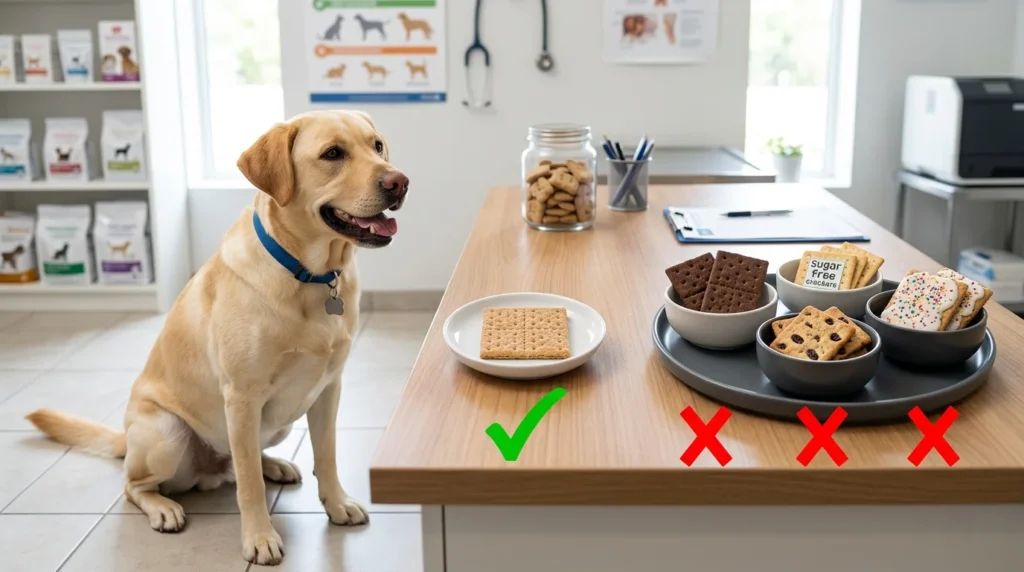
If you decide to give your dog a small piece, choose a plain variety with a simple ingredient list. Avoid products containing chocolate, cocoa, raisins, grapes, xylitol, or other ingredients that can be harmful to dogs.
Break the cracker into a small bite rather than giving your dog a whole serving. Treat it as an occasional snack, not a regular part of their diet, and monitor your dog for digestive upset after trying it.
Do Graham Crackers Have Benefits For Dogs?
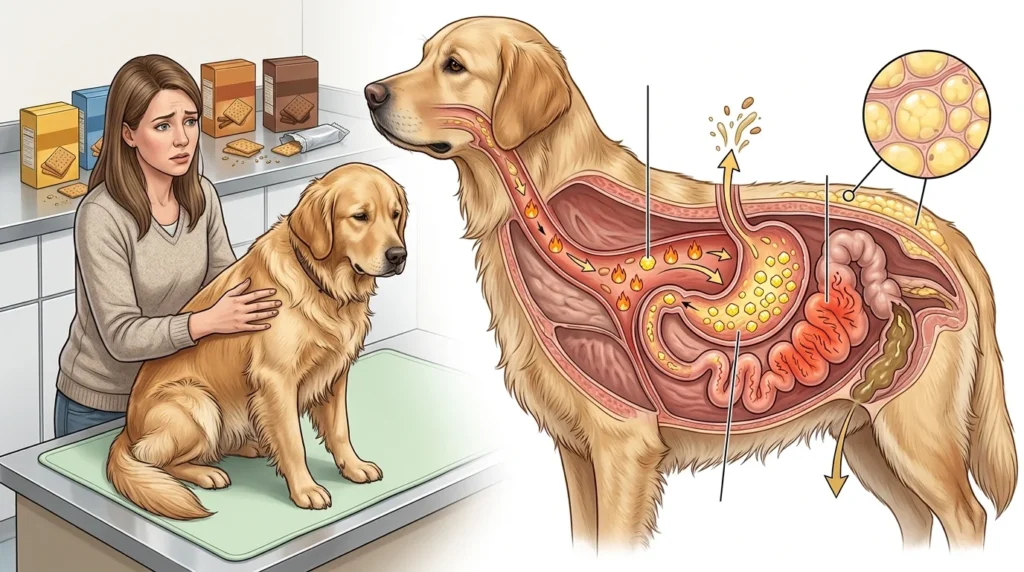
Graham crackers may provide small amounts of carbohydrates and some nutrients from their ingredients, but these benefits are minimal for dogs. They are not an essential source of vitamins, minerals, protein, or other nutrients.
Dogs can obtain the nutrients they need from complete and balanced dog food. If you want to provide a nutritious snack, dog-safe vegetables or veterinarian-approved treats are generally better choices than sweet crackers.
See Also: Can Dogs Eat Sausage? Risks, Safer Alternatives & Guide
Do Graham Crackers Have Any Risks For Dogs?
Yes. Regular or excessive consumption can expose dogs to too much sugar, fat, sodium, and calories. This may contribute to digestive upset and unhealthy weight gain.
The greatest concern is the ingredient list. Chocolate, xylitol, raisins, and certain other additives can be dangerous or toxic to dogs. Always check flavored or specialty graham crackers before allowing your dog to eat them.
What Should You Do If Your Dog Eats Graham Crackers?
If your dog eats a small amount of plain graham cracker, monitor them for stomach upset and provide access to fresh water. Most healthy dogs will tolerate a small accidental amount without serious problems.
If the product contained chocolate, xylitol, raisins, or another potentially toxic ingredient, contact your veterinarian promptly. You should also seek veterinary advice if your dog ate a large quantity or develops repeated vomiting, severe diarrhea, weakness, tremors, or unusual behavior.
Frequently Asked Questions
Can dogs eat graham crackers?
Yes, a small amount of plain graham cracker is generally unlikely to harm a healthy dog, but it is not a nutritious treat and should only be given rarely.
Can dogs eat honey graham crackers?
A small amount may be tolerated, but honey graham crackers contain added sugar and are not an ideal regular treat for dogs.
Can dogs eat chocolate graham crackers?
No. Chocolate can be toxic to dogs, so chocolate-containing graham crackers should not be given to them.
Can puppies eat graham crackers?
A tiny piece of plain graham cracker may be tolerated, but puppies should primarily eat complete and balanced puppy food and appropriate puppy treats.
Can dogs eat graham crackers every day?
No. Daily graham crackers can add unnecessary sugar, calories, fat, and carbohydrates without providing balanced nutrition.
Conclusion
Dogs can generally tolerate a small amount of plain graham cracker, but these sweet snacks are not a healthy or necessary part of a dog’s diet. Their high sugar and calorie content makes them better suited as a rare treat, if given at all.
Always check the ingredients and avoid graham crackers containing chocolate, xylitol, raisins, or other harmful ingredients. For regular rewards, choose nutritious dog-safe treats instead.
See Also: Can Dogs Eat Raw Shrimp or Shrimp Shells? Full Safety Guide


