

Can Dogs Eat Eggs? Full Safety Guide 2026
Yes, dogs can generally eat eggs when they are properly prepared and served in moderation. Eggs provide protein, fats, vitamins, and minerals, making them a nutritious occasional addition to many dogs’ diets. However, how the egg is prepared matters because some cooking methods and added ingredients can create unnecessary risks.
Plain, fully cooked eggs are generally the simplest option for dogs. Avoid adding salt, butter, oil, onion, garlic, spicy seasonings, or other ingredients that may be unsuitable for dogs. Eggs should also be treated as a supplement or occasional treat rather than replacing a complete and balanced dog food.
Can Dogs Eat Eggs?

Dogs can generally eat eggs as an occasional treat. Eggs contain high-quality protein and nutrients that can support normal muscle function, skin, coat, and overall health. Many commercial dog foods also use eggs as an ingredient.
The safest approach is to serve eggs fully cooked and plain. Start with a small amount if your dog has never eaten egg before and monitor for digestive upset or signs of an allergic reaction.
Can Dogs Eat Cooked Eggs?
Yes, fully cooked eggs are generally safe for dogs when served plain and in appropriate portions. Cooking reduces the risk associated with bacteria that may be present in raw eggs.
You can boil, scramble, or cook an egg without adding salt, butter, oil, onion, garlic, or seasonings. Allow the egg to cool before serving and cut it into manageable pieces for your dog.
Can Dogs Eat Raw Eggs?
Raw eggs are not recommended as a routine food for dogs. Raw eggs can carry bacteria such as Salmonella, which can cause illness in dogs and can also create a potential health concern for people handling contaminated food.
Raw egg whites also contain avidin, a protein that can interfere with biotin absorption when consumed in large amounts over time. Cooking the egg eliminates this concern while making the egg safer overall.
Can Dogs Eat Boiled Eggs?
Yes, plain hard-boiled or soft-boiled eggs can generally be given to dogs when cooked appropriately. Boiled eggs are convenient because they can be prepared without added oil, butter, salt, or seasoning.
Remove the shell before serving and allow the egg to cool. Cut it into small pieces, particularly for small dogs or dogs that tend to swallow food quickly.
Can Dogs Eat Scrambled Eggs?
Dogs can generally eat plain scrambled eggs. Scrambling is a simple preparation method as long as you do not add ingredients such as butter, salt, pepper, cheese, milk, onion, garlic, or spicy seasonings.
Cook the egg thoroughly and let it cool before offering it. A small portion can be mixed with regular dog food or served as an occasional treat.
Can Dogs Eat Fried Eggs?
A plain fried egg may be tolerated by some dogs, but frying often involves oil or butter, which adds unnecessary fat and calories. For this reason, boiled or plain scrambled eggs are generally better choices.
If you prepare a fried egg for your dog, avoid salt and seasonings and use as little added fat as possible. Fully cooking the egg is also important.
Can Dogs Eat Egg Yolks?
Yes, dogs can generally eat fully cooked egg yolks in moderation. Egg yolks contain fats and nutrients such as vitamin A, vitamin D, choline, and other compounds that contribute to a dog’s nutritional intake.
However, yolks are relatively calorie-dense because they contain most of the egg’s fat. Dogs that are overweight or require a restricted-fat diet may need smaller portions.
Can Dogs Eat Egg Whites?
Fully cooked egg whites can generally be eaten by dogs. Egg whites provide protein and are lower in fat and calories than yolks.
Cooking is preferable because raw egg whites contain avidin, which can interfere with biotin absorption when consumed frequently and in large amounts. Plain cooked egg white can be a useful occasional treat.
Can Dogs Eat Eggshells?
Dogs can consume finely ground, properly prepared eggshell as a source of calcium, but it should not be added casually to the diet. Too much calcium can create nutritional imbalances, especially in growing puppies.
If your dog eats a small piece of eggshell accidentally, it is unlikely to cause a problem in most cases. For regular calcium supplementation, speak with a veterinarian or veterinary nutrition professional.
Can Dogs Eat Eggshell Powder?
Finely ground eggshell powder can provide calcium, but the amount needs to be appropriate for the dog’s overall diet. Simply adding eggshell powder to regular commercial dog food can result in unnecessary or excessive calcium.
Puppies are especially sensitive to mineral balance during growth. If eggshell powder is being considered as part of a homemade diet, have the complete diet properly formulated rather than estimating the amount yourself.
Can Dogs Eat Eggs Every Day?
Healthy dogs can sometimes eat small amounts of cooked egg regularly, but eggs do not need to be included every day. Too many eggs can add excess calories and fat to the diet.
If you want to give egg frequently, the amount should be adjusted according to your dog’s size, activity level, weight, and overall diet. The majority of calories should still come from complete and balanced dog food.
Can Puppies Eat Eggs?
Puppies can generally eat small amounts of fully cooked plain egg. Eggs provide protein and other nutrients, but puppies have very specific nutritional requirements during growth.
Eggs should therefore be an occasional addition rather than a replacement for complete puppy food. Avoid raw eggs and eggs prepared with salt, butter, onion, garlic, or other seasonings.
Can Small Dogs Eat Eggs?
Small dogs can generally eat cooked eggs, but their portions should be much smaller than those given to large dogs. Even a small amount of egg can contribute a meaningful number of calories to a small dog’s daily intake.
Start with a tiny portion and cut the egg into small pieces. This also helps reduce the risk of choking or swallowing large pieces too quickly.
Can Large Dogs Eat Eggs?
Large dogs can generally eat cooked eggs in moderation. Their larger calorie requirements may allow a larger serving than a small dog, but eggs should still remain a limited part of the overall diet.
Choose plain, fully cooked eggs and avoid adding salt, butter, oil, cheese, onion, garlic, or other seasonings. Portion size should still be based on the dog’s individual needs.
How Many Eggs Can a Dog Eat?
The appropriate amount depends on the dog’s size, calorie requirements, activity level, health, and existing diet. Eggs should be treated as an occasional food rather than a replacement for balanced dog food.
| Dog Size | General Starting Amount |
|---|---|
| Small dogs | A small piece to ¼ egg |
| Medium dogs | ¼ to ½ egg |
| Large dogs | ½ to 1 egg |
| Puppies | A small piece appropriate for their size |
These are general starting portions, not strict nutritional prescriptions. Dogs with obesity, pancreatitis, food allergies, or other health conditions may need different limits.
Are Eggs Good for Dogs?
Eggs can be a nutritious treat for dogs because they provide complete protein along with nutrients such as riboflavin, selenium, vitamin B12, choline, and other vitamins and minerals.
However, more is not necessarily better. Eggs are relatively calorie-dense, particularly because of the yolk, so portions should remain appropriate. A complete and balanced dog food should provide the foundation of the diet.
What Are the Benefits of Eggs for Dogs?
Eggs provide high-quality protein that helps support muscles and other tissues. They also contain nutrients that contribute to normal energy metabolism, nervous system function, and overall health.
The nutritional value of eggs can make them a useful occasional treat, especially when prepared simply. However, eggs should complement rather than replace a nutritionally complete canine diet.
Can Eggs Help Dogs Gain Weight?
Eggs can add calories and protein to a dog’s diet, so they may contribute to weight gain when included appropriately. However, intentionally using eggs to make an underweight dog gain weight should be done with veterinary guidance.
Unexpected weight loss can be caused by an underlying medical problem. A veterinarian can determine why the dog is underweight and recommend an appropriate diet and calorie intake.
Can Eggs Help Dogs Build Muscle?
Eggs contain high-quality protein and can contribute to a dog’s overall protein intake. Protein is important for maintaining and developing muscle tissue.
However, muscle development depends on the entire diet, calorie intake, activity level, age, and health of the dog. Feeding excessive eggs will not automatically build more muscle.
Can Dogs Eat Eggs With Their Regular Food?
Yes, small amounts of plain cooked egg can generally be mixed with a dog’s regular food. This can add variety and make a meal more appealing to some dogs.
Keep the amount controlled so the additional calories do not interfere with the nutritional balance of the main diet. Avoid mixing eggs with seasoned sauces, salt, butter, or other human-food ingredients.
Can Dogs Eat Eggs With Rice?
Plain cooked egg and plain cooked rice can generally be eaten together by dogs in appropriate amounts. Both foods are commonly tolerated by many dogs.
However, egg and rice alone do not provide every nutrient a dog needs for long-term feeding. If this combination is being used as a regular homemade meal, the complete recipe should be properly balanced.
Can Dogs Eat Eggs With Chicken?
Dogs can generally eat plain cooked egg and plain cooked chicken together. Both provide protein, making the combination nutritious but also relatively calorie-dense.
Cook both foods thoroughly and avoid salt, butter, garlic, onion, sauces, and spicy seasonings. Keep the portion small enough to fit within your dog’s overall daily calorie intake.
Can Dogs Eat Eggs With Ground Beef?
Plain cooked egg and plain cooked ground beef can generally be combined in small amounts. Both ingredients provide protein, but ground beef can also contain considerable fat depending on the cut.
Choose lean ground beef, drain excess fat, and cook both ingredients thoroughly. Avoid seasoning the mixture with onion, garlic, salt, chili, or sauces.
Can Dogs Eat Eggs With Cheese?
A small amount of plain cheese may be tolerated by some dogs, but cheese is not necessary when serving eggs. Dairy can cause digestive upset in dogs that are lactose-sensitive, while cheese can also be high in fat and calories.
If you combine egg and cheese, use a very small amount of plain cheese and avoid processed or flavored varieties containing garlic, onion, spices, or excessive salt.
Can Dogs Eat Eggs With Vegetables?
Plain cooked eggs can generally be combined with dog-safe vegetables such as carrots, green beans, pumpkin, zucchini, or peas. This can add variety and fiber to an occasional meal.
Make sure the vegetables are safe and properly prepared. Avoid onion, garlic, heavy seasoning, butter, sauces, and excessive salt.
Can Dogs Eat Eggs With Salt?
It is best to avoid adding salt to eggs prepared for dogs. Dogs need sodium as part of a balanced diet, but additional salt is unnecessary and excessive amounts can be harmful.
Plain eggs already provide plenty of flavor for most dogs. Avoid salted scrambled eggs, restaurant-style eggs, and other heavily seasoned egg dishes.
Can Dogs Eat Eggs With Butter?
Dogs should not regularly eat eggs cooked with butter. Butter is high in fat and calories and does not provide a nutritional benefit that dogs need from their egg treat.
Plain boiled or scrambled eggs without butter are a better choice. If a tiny amount of butter was accidentally consumed, monitor your dog for digestive upset.
Can Dogs Eat Eggs With Milk?
A small amount of milk used in scrambled eggs is not necessarily toxic to dogs, but many dogs have difficulty digesting lactose. Milk can cause gas, loose stools, or diarrhea in sensitive dogs.
For this reason, eggs are best prepared without milk. Plain cooked eggs provide the nutritional benefits without introducing unnecessary dairy.
Can Dogs Eat Eggs With Pepper?
It is best to serve eggs without pepper or other strong seasonings. Small amounts of ordinary black pepper are not generally considered highly toxic, but larger amounts can irritate the digestive system.
Dogs do not need pepper to enjoy eggs. Plain cooked egg is the simplest and safest preparation.
Can Dogs Eat Eggs With Onion?
No. Dogs should not be intentionally given eggs prepared with onion. Onions contain compounds that can damage red blood cells and may cause anemia when sufficient amounts are consumed.
This includes raw, cooked, dried, and powdered onion. Avoid omelets, scrambled eggs, and breakfast dishes containing onion or onion powder.
Can Dogs Eat Eggs With Garlic?
No. Garlic should not be intentionally added to eggs for dogs. Garlic contains compounds that can damage red blood cells when enough is consumed.
Garlic powder can be especially concentrated and may be hidden in seasoning mixes. Always check the ingredients of prepared egg dishes before sharing them with your dog.
See Also: Can Dogs Eat Oats? Benefits, Risks & Safe Portions
Can Dogs Eat Omelets?
Dogs should generally not be given typical human omelets because they often contain salt, cheese, butter, onion, garlic, peppers, processed meats, and other ingredients.
A plain omelet made from fully cooked egg without unsafe additions can be offered in a small amount. However, plain boiled or scrambled egg is usually easier to prepare safely.
Can Dogs Eat Deviled Eggs?
Deviled eggs are generally not recommended for dogs. They often contain mayonnaise, mustard, salt, spices, and other ingredients that dogs do not need.
If your dog wants an egg treat, give a small portion of plain, fully cooked egg instead. This avoids the additional fat, sodium, and seasonings found in typical deviled eggs.
Can Dogs Eat Eggs? Full Safety Guide 2026 — Part 2
Can Dogs Eat Egg Salad?
Dogs should generally not be given traditional egg salad. Human egg salad often contains mayonnaise, mustard, salt, pepper, onion, pickles, and other seasonings that are unnecessary or potentially harmful to dogs.
If you want to share egg with your dog, prepare a small portion of plain, fully cooked egg separately. This gives your dog the nutritional benefits of egg without the extra ingredients commonly found in egg salad.
Can Dogs Eat Eggs Benedict?
Traditional eggs Benedict is not suitable for dogs. It typically contains English muffins, butter, Canadian bacon or ham, and hollandaise sauce, which can be high in fat, salt, and other ingredients dogs do not need.
If your dog wants egg, offer plain cooked egg instead. Avoid sharing the complete breakfast dish because the combination of rich and salty ingredients can cause digestive problems.
Can Dogs Eat Hard-Boiled Eggs?
Yes, plain hard-boiled eggs can generally be given to dogs in moderation. They are convenient because they can be prepared without added oil, butter, salt, or seasoning.
Remove the shell completely and cut the egg into small pieces. Allow it to cool before serving, and adjust the amount according to your dog’s size and daily calorie needs.
Can Dogs Eat Soft-Boiled Eggs?
Soft-boiled eggs are less ideal than fully cooked eggs because the yolk or white may remain undercooked. Undercooked egg carries a greater food-safety risk than thoroughly cooked egg.
For the safest option, cook both the white and yolk thoroughly. Plain hard-boiled or fully scrambled eggs are simple choices for dogs.
Can Dogs Eat Poached Eggs?
Plain fully cooked poached eggs can generally be eaten by dogs. The egg should be cooked thoroughly without adding salt, butter, sauces, or seasonings.
Avoid poached eggs served with human breakfast sauces or heavily seasoned foods. A plain egg by itself is easier to portion and prepare safely.
Can Dogs Eat Egg Sandwiches?
Most egg sandwiches are not appropriate for dogs because they can contain bread, butter, mayonnaise, cheese, processed meats, salt, onion, garlic, and sauces.
A small amount of plain cooked egg can be removed and given separately if it contains no unsafe ingredients. Avoid giving the entire sandwich as a treat.
Can Dogs Eat Egg Noodles?
Plain cooked egg noodles may be tolerated by dogs in small amounts, but they are not the same as a plain egg. Noodles primarily provide carbohydrates and may contain added salt depending on preparation.
Avoid noodles served with salty sauces, onion, garlic, spicy seasonings, or rich ingredients. Plain cooked egg or a small amount of plain pasta is generally easier to manage.
Can Dogs Eat Eggplant With Eggs?
Eggplant and plain cooked eggs can generally be combined in small amounts if the eggplant is properly cooked and served without unsafe seasonings. However, eggplant does not need to be added to eggs for nutritional reasons.
Avoid preparations containing onion, garlic, heavy oil, salt, chili, or rich sauces. Introduce new foods gradually to monitor your dog’s tolerance.
Can Dogs Eat Eggs Every Morning?
Healthy dogs may tolerate a small amount of cooked egg regularly, but giving eggs every morning is not necessary. Daily eggs can add extra calories and may contribute excessive fat depending on the portion.
If eggs are becoming a frequent part of your dog’s diet, account for them within the dog’s total daily calories. The main diet should remain complete and balanced.
Can Dogs Eat Eggs Before Bed?
A small amount of plain cooked egg can generally be given as an occasional treat, including later in the day. There is no special nutritional reason dogs need eggs before bedtime.
Avoid giving a large or rich serving at night because overeating can contribute to stomach discomfort. Keep the portion small and appropriate for your dog’s daily diet.
Can Dogs Eat Eggs After Exercise?
Plain cooked egg can be an occasional protein-rich treat after exercise. However, dogs do not necessarily need an egg after every walk, run, or workout.
Fresh water and a complete balanced diet are more important for recovery. If you use egg as a post-exercise treat, keep the serving moderate and avoid rich additions.
Can Dogs Eat Eggs for Breakfast?
Dogs can eat plain cooked egg as an occasional breakfast addition. However, a human breakfast containing eggs often includes bacon, sausage, butter, salt, cheese, toast, sauces, onion, or garlic.
Prepare a separate plain egg for your dog rather than sharing a complete human breakfast. This makes it easier to avoid ingredients that may cause problems.
Can Dogs Eat Egg Whites Every Day?
Small amounts of cooked egg white can generally be included regularly, but there is no need for most dogs to eat egg whites every day. The total amount should still fit within the dog’s calorie and nutritional requirements.
Cook the egg white thoroughly, especially if it is being offered frequently. A complete dog food should remain the primary source of nutrition.
Can Dogs Eat Egg Yolks Every Day?
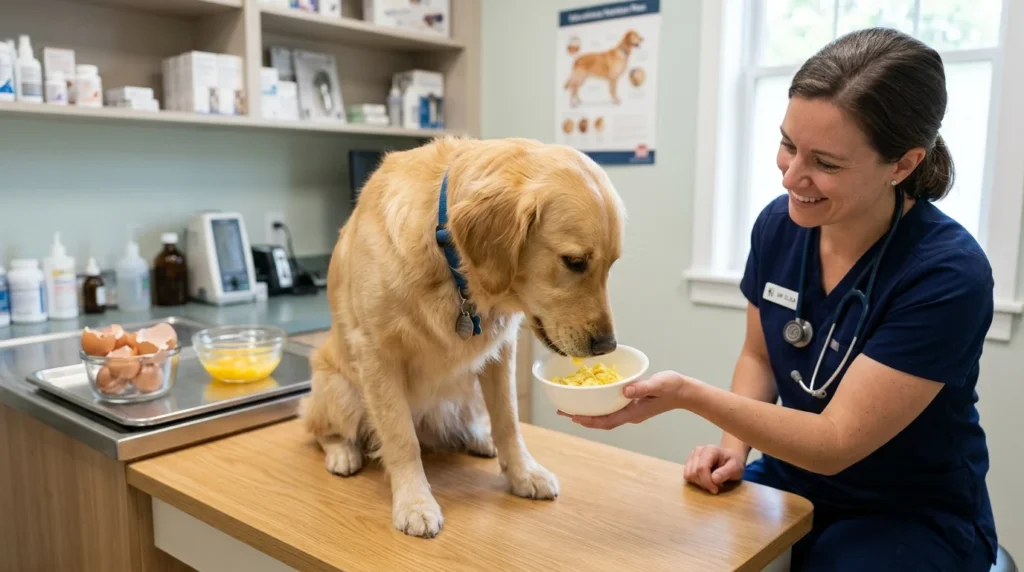
Egg yolks contain valuable nutrients but are also higher in fat and calories than egg whites. Feeding yolks every day may add unnecessary calories, particularly for dogs that are overweight or have dietary fat restrictions.
If you want to provide egg regularly, discuss the appropriate portion with your veterinarian, especially if your dog has an existing health condition.
Can Dogs Eat Eggs If They Have Sensitive Stomachs?
Some dogs with sensitive stomachs may tolerate small amounts of plain cooked egg, while others may develop vomiting, gas, or diarrhea after eating it. Every dog responds differently.
Introduce egg gradually and start with a very small portion. If your dog repeatedly develops digestive symptoms after eating egg, stop offering it and discuss the reaction with your veterinarian.
Can Dogs Eat Eggs If They Have Pancreatitis?
Dogs with pancreatitis or a history of pancreatitis may need a carefully controlled diet, particularly regarding fat intake. Egg yolks contain fat, so the amount that is appropriate can vary depending on the dog’s specific condition.
Do not add eggs to a pancreatitis diet without veterinary guidance. Your veterinarian can recommend whether egg is appropriate and which portion or preparation is safest.
Can Dogs Eat Eggs If They Are Overweight?
Overweight dogs can potentially eat small amounts of egg, but calories from treats need to be carefully controlled. Whole eggs contain more calories than many owners realize.
If your dog is on a weight-management plan, ask your veterinarian how egg can fit into the daily calorie allowance. Plain cooked egg white may be a lower-calorie option than whole egg.
Can Dogs Eat Eggs If They Have Diabetes?
Dogs with diabetes require carefully managed nutrition and calorie intake. An occasional small amount of plain cooked egg may be appropriate for some diabetic dogs, but it should fit into their individualized diet.
Do not make major changes to a diabetic dog’s diet without veterinary guidance. Consistency in meals and calorie intake is particularly important for dogs receiving diabetes treatment.
Can Dogs Eat Eggs If They Have Food Allergies?
Eggs can cause an allergic reaction in some dogs, although not every dog with food allergies will react to eggs. Signs can include itching, skin irritation, ear problems, vomiting, or diarrhea.
If your dog is on an elimination diet or has a known food allergy, do not introduce eggs without discussing it with your veterinarian. Even a small ingredient can interfere with an allergy trial.
Can Dogs Eat Eggs If They Are Lactose Intolerant?
Yes, lactose intolerance does not automatically prevent a dog from eating plain eggs because eggs do not naturally contain lactose. The problem usually comes from dairy ingredients added during preparation.
Serve eggs without milk, cream, cheese, or other dairy products if your dog has difficulty digesting lactose. Plain boiled egg is an easy option.
Can Dogs Eat Eggs With Shells Accidentally?
If a dog accidentally eats a small piece of eggshell, it will often pass without a problem, especially if the piece is small. However, large or sharp shell fragments can potentially irritate the digestive tract.
Do not intentionally feed large shell pieces. If your dog swallowed a substantial amount of shell or develops vomiting, abdominal discomfort, difficulty swallowing, or other unusual symptoms, contact your veterinarian.
What Happens If a Dog Eats Too Many Eggs?
Eating too many eggs can lead to excessive calorie and fat intake and may cause digestive upset. Some dogs may develop vomiting, diarrhea, gas, or abdominal discomfort after overeating.
If your dog has eaten a large number of eggs, monitor them closely and avoid giving additional rich treats. Contact your veterinarian if significant symptoms develop or if your dog has a medical condition affected by dietary fat.
What Happens If a Dog Eats Raw Eggs?
A dog that eats a raw egg may be exposed to bacteria such as Salmonella. Many dogs may not develop symptoms, but bacterial infection can still occur and may present a risk to people in the household.
Monitor for vomiting, diarrhea, fever, lethargy, or appetite changes. If your dog ate several raw eggs or becomes unwell, contact your veterinarian for advice.
See Also: Can Dogs Eat Raw Carrots? Full Safety Guide 2026
What Happens If a Dog Eats Eggshell?
A small accidental amount of eggshell may not cause a problem, but larger pieces can create a choking or digestive concern. Sharp fragments may also irritate the mouth or digestive tract.
If your dog swallowed a large amount of shell, watch for vomiting, difficulty swallowing, abdominal discomfort, or changes in stool. Seek veterinary advice if concerning symptoms appear.
How Should You Prepare Eggs for Dogs?
The simplest preparation is to cook the egg thoroughly without adding salt, butter, oil, onion, garlic, pepper, sauces, or other seasonings.
Boiling or plain scrambling works well. Allow the egg to cool, remove the shell, and cut it into small pieces before giving it to your dog.
Are Eggs Safe for Dogs With Daily Treats?
Eggs can be included among occasional dog treats, but treats should not make up a large proportion of a dog’s daily calories. Feeding eggs alongside several other treats can quickly increase total calorie intake.
Keep portions small and consider the dog’s complete diet, activity level, age, and weight. For dogs with medical conditions, ask a veterinarian before making eggs a frequent treat.
When Should You Contact a Veterinarian?
Contact your veterinarian if your dog eats a large amount of raw egg, consumes eggs containing onion or garlic, or develops persistent vomiting, diarrhea, weakness, abdominal discomfort, or other concerning symptoms.
Veterinary advice is especially important for puppies, senior dogs, dogs with pancreatitis, food allergies, diabetes, obesity, or other conditions requiring specialized nutrition.
Frequently Asked Questions
Can dogs eat eggs every day?
Dogs can sometimes tolerate small amounts of cooked egg regularly, but eggs do not need to be fed every day. Too many eggs can add unnecessary calories and fat.
Can dogs eat raw eggs?
Raw eggs are not recommended because they can carry bacteria such as Salmonella. Fully cooked eggs are a safer choice.
Can dogs eat eggshells?
A small accidental piece of eggshell may pass without problems, but large or sharp pieces can be risky. Regular eggshell supplementation should only be done as part of a properly balanced diet.
Can puppies eat eggs?
Yes, puppies can generally eat small amounts of plain, fully cooked egg. However, eggs should not replace complete and balanced puppy food.
How many eggs can a dog eat?
The amount depends on the dog’s size, health, activity level, and overall diet. Start with a small portion and keep eggs as an occasional addition rather than a major food source.
Conclusion
Dogs can generally eat eggs when they are fully cooked, plain, and served in moderation. Eggs provide high-quality protein and nutrients such as riboflavin, selenium, vitamin B12, and choline, making them a nutritious occasional treat for many healthy dogs.
The safest choices are boiled or plain scrambled eggs without salt, butter, oil, onion, garlic, or other seasonings. Raw and undercooked eggs are best avoided because of food-safety concerns, while eggshells should not be added routinely without considering the dog’s complete nutritional requirements.
As with any treat, portion size matters. Eggs should complement a complete and balanced diet rather than replace it. If your dog has pancreatitis, obesity, diabetes, food allergies, or another medical condition, check with your veterinarian before making eggs a regular part of the diet.
See Also: What Veggies Can Dogs Eat? Safe Vegetables for Dogs


